 WhatsApp Us (24/7)
 +91 926 888 0303 (24/7)


To Book an Appointment
Call Us+91 926 888 0303Adrenal Insufficiency: Types, Causes, Symptoms, Diagnosis, and Treatment
By Dr. Priyamvada Tyagi in Endocrinology & Diabetes
Sep 30 , 2026
1

If you wake up every morning feeling tired rather than rested, or find that simple tasks such as climbing a flight of stairs or making breakfast feel like major physical hurdles, it may be more than just tiredness. For some people, this persistent fatigue can be an early sign of adrenal insufficiency. But fatigue is not the only sign, and adrenal insufficiency can have different causes and forms. This article explores the types, causes and symptoms of adrenal insufficiency, along with how it is diagnosed and treated.
What is Adrenal Insufficiency?
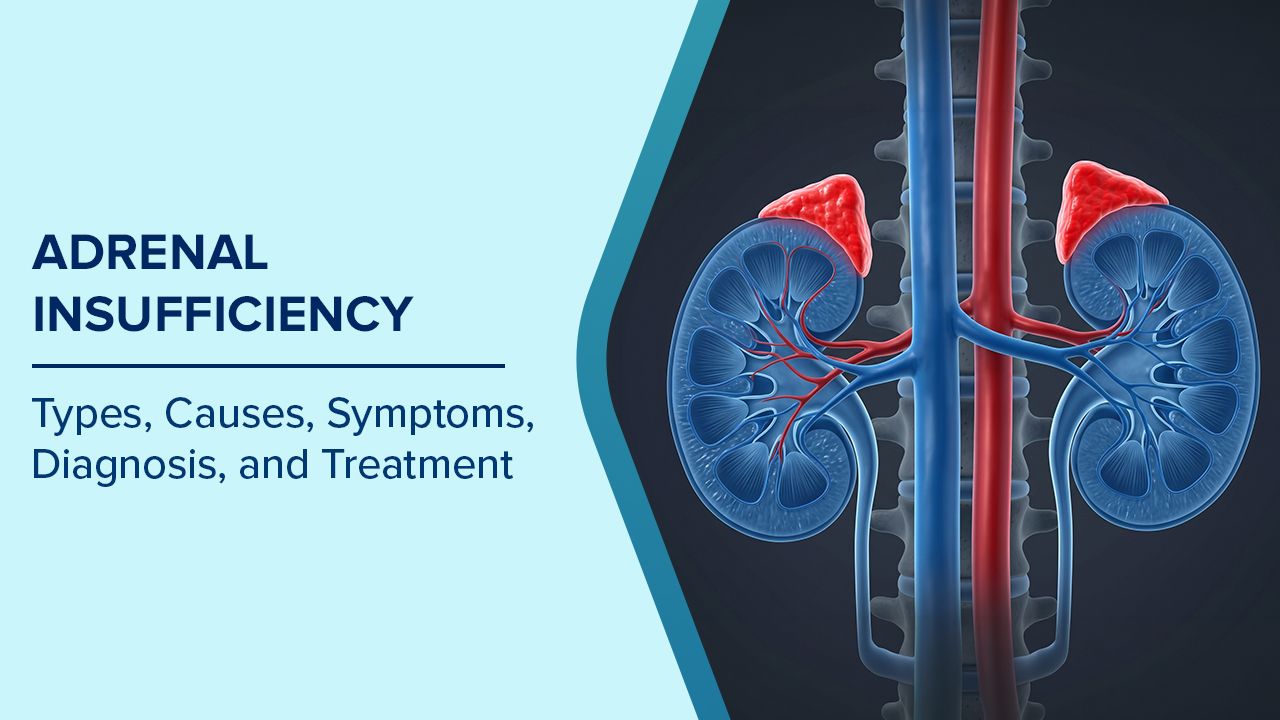
Adrenal insufficiency occurs when the adrenal glands do not produce enough hormones, particularly cortisol. The adrenal glands are small glands located above each kidney and produce hormones that help the body respond to physical stress, maintain blood pressure, regulate blood sugar and support metabolism.
Cortisol is one of the body's most important stress hormones. It helps maintain blood pressure and blood glucose levels and supports the body's response to illness, injury and other forms of physical stress. Some people with primary adrenal insufficiency also have low levels of aldosterone, a hormone that helps regulate sodium, potassium and fluid balance.
When hormone production is inadequate, several body functions can be affected. Symptoms may develop gradually, which can make adrenal insufficiency difficult to recognise at first.
What are the Types Of Adrenal Insufficiency?
Adrenal insufficiency is generally classified according to where the problem occurs in the hormone-production pathway. The three main types include:
- Primary: Primary adrenal insufficiency occurs when the adrenal glands themselves are damaged and cannot produce enough hormones. Addison's disease is the most common form of primary adrenal insufficiency. It can affect cortisol production and, in many cases, aldosterone production.
- Secondary: Secondary adrenal insufficiency occurs when the pituitary gland does not produce enough adrenocorticotropic hormone (ACTH). ACTH signals the adrenal glands to produce cortisol. Since aldosterone production is mainly regulated by other mechanisms, it is usually preserved in secondary adrenal insufficiency.
- Tertiary: Tertiary adrenal insufficiency occurs when the hypothalamus does not produce enough corticotropin-releasing hormone (CRH), which normally stimulates ACTH production. It is often associated with prolonged corticosteroid use followed by a reduction or sudden stopping of the medicine.
Although these types affect the same hormone system, their underlying causes and hormone patterns can differ.
What Causes Adrenal Insufficiency?
The causes of adrenal insufficiency depend on whether the problem originates in the adrenal glands, pituitary gland or hypothalamus. Some of the common causes include:
- Autoimmune Disease: In primary adrenal insufficiency, the immune system can mistakenly attack the adrenal cortex and gradually damage its ability to produce hormones.
- Infections: Certain infections, including tuberculosis and some fungal infections, can damage the adrenal glands and interfere with hormone production.
- Adrenal Damage: Bleeding into the adrenal glands, certain cancers or other forms of adrenal damage can affect hormone production.
- Pituitary Disorders: Tumours, surgery, radiation or other disorders affecting the pituitary gland can reduce ACTH production and lead to secondary adrenal insufficiency.
- Corticosteroid Use: Long-term treatment with corticosteroids can suppress the body's natural production of cortisol. Stopping these medicines suddenly can leave the body unable to produce enough cortisol.
- Genetic Conditions: Certain inherited disorders can interfere with the development or function of the adrenal glands and affect hormone production.
In some cases, the cause may not be immediately apparent. A doctor may use blood tests, medical history and imaging studies to determine what is affecting adrenal function.
What are the Symptoms Of Adrenal Insufficiency?
Symptoms can develop gradually and may become more noticeable as hormone levels fall. Common symptoms of adrenal insufficiency include:
- Persistent fatigue and weakness
- Loss of appetite
- Unintentional weight loss
- Low blood pressure
- Dizziness or light-headedness, particularly after standing
- Nausea, vomiting or abdominal pain
- Muscle or joint pain
- Headache
- Irritability or changes in mood
- Craving salty foods
Some symptoms are more characteristic of primary adrenal insufficiency. For example, increased skin pigmentation can occur when the body produces more ACTH in an attempt to stimulate the adrenal glands. Darkening may be more noticeable around skin folds, scars, joints, knuckles or the lips.
Adrenal insufficiency can also affect blood glucose levels. Low blood sugar is more likely to occur in children and in some people with secondary or tertiary adrenal insufficiency.
What is an Adrenal Crisis?
An adrenal crisis is a severe and potentially life-threatening complication of adrenal insufficiency. It occurs when the body does not have enough cortisol to respond adequately to a major physical stressor.
An adrenal crisis can occur in someone with previously undiagnosed adrenal insufficiency or in a person who already has the condition.
Adrenal insufficiency symptoms can develop rapidly and may include:
- Severe weakness
- Very low blood pressure
- Severe abdominal, back or leg pain
- Persistent vomiting or diarrhoea
- Confusion or loss of consciousness
- Low blood sugar
- Severe dehydration
An adrenal crisis requires immediate medical treatment. Emergency corticosteroids, intravenous fluids and correction of abnormal blood sugar or electrolyte levels may be required. Anyone with known adrenal insufficiency should follow their doctor's emergency plan during serious illness or other situations that can increase the body's need for cortisol.
How is Adrenal Insufficiency Diagnosed?
diagnosis begins with a medical history and physical examination. The doctor may ask about symptoms, existing health conditions, corticosteroid use and any previous problems affecting the adrenal or pituitary glands.
Blood tests are then used to assess hormone levels and look for changes that may suggest adrenal insufficiency. These may include:
- Cortisol Test: Blood cortisol levels may be measured, often in the morning when cortisol levels are normally higher.
- ACTH Test: Measuring ACTH alongside cortisol can help determine whether the problem is more likely to originate in the adrenal glands or the pituitary gland.
- ACTH Stimulation Test: This test assesses how the adrenal glands respond to synthetic ACTH. It is commonly used to evaluate the adrenal glands' ability to produce cortisol.
- Electrolyte Tests: Sodium and potassium levels may be checked because adrenal hormone deficiency can affect fluid and electrolyte balance.
- Blood Glucose Test: Blood sugar may be assessed because adrenal insufficiency can sometimes cause low blood glucose.
- Imaging Tests:CT or MRI scans may be recommended when a structural problem involving the adrenal or pituitary glands is suspected.
The specific tests required depend on the symptoms, medical history and suspected type of adrenal insufficiency.
How is Adrenal Insufficiency Treated?
Treatment for adrenal insufficiency focuses on replacing the hormones the body cannot produce adequately and addressing the underlying cause where possible. The approach depends on the type and severity of the condition:
Cortisol Replacement
Cortisol deficiency is usually treated with glucocorticoid replacement medicines such as hydrocortisone, prednisolone or dexamethasone. The dose and timing are determined by the treating doctor and may need adjustment based on individual requirements.
Aldosterone Replacement
People with primary adrenal insufficiency who have inadequate aldosterone production may require mineralocorticoid replacement with fludrocortisone. This helps maintain sodium and fluid balance and supports healthy blood pressure. Salt intake may also need adjustment in some cases, based on medical advice.
Stress Dosing
The body normally produces more cortisol during illness, injury, surgery and other forms of physical stress. People with adrenal insufficiency may therefore need a temporary increase in their corticosteroid dose during these situations. A doctor provides specific instructions on when and how to adjust the dose.
Treating The Cause
Treatment may also address the underlying cause of adrenal insufficiency. For example, people who develop the condition after prolonged corticosteroid use may need a gradual, medically supervised reduction rather than stopping the medicine suddenly. Where another underlying condition is responsible, treatment may be directed towards that condition.
Consult Today
Adrenal insufficiency can affect everyday health in ways that are easy to overlook at first, particularly when symptoms such as fatigue, weakness or dizziness develop gradually. Since the condition can become serious without adequate hormone replacement, persistent or recurring symptoms warrant medical evaluation. Consult an endocrinologist at Max Hospitals for a detailed evaluation and appropriate treatment plan.
Frequently Asked Questions
Can adrenal insufficiency affect daily activities?
Yes. Reduced cortisol levels can contribute to low energy, weakness and reduced ability to cope with physical stress, which may affect work, exercise and routine activities.
Can people with adrenal insufficiency exercise?
Yes. Most people can remain physically active with appropriate management. The level and intensity of exercise may need to be adjusted based on individual health and medical advice.
Can adrenal insufficiency affect blood pressure?
Yes. Particularly in primary adrenal insufficiency, reduced aldosterone and cortisol can contribute to low blood pressure and dizziness.
Can adrenal insufficiency affect fertility?
Adrenal insufficiency itself does not necessarily cause infertility, but hormonal changes and underlying conditions associated with the disorder may affect reproductive health.
Can adrenal insufficiency develop suddenly?
Yes. Although symptoms often develop gradually, adrenal insufficiency can also appear suddenly, particularly when the adrenal glands or pituitary gland are affected by acute illness, injury or other serious problems.
Is adrenal insufficiency hereditary?
Some rare causes of adrenal insufficiency are inherited, but many forms, including autoimmune adrenal insufficiency, are not directly inherited.
Can adrenal insufficiency affect life expectancy?
With appropriate hormone replacement and ongoing medical care, many people with adrenal insufficiency can lead a normal or near-normal life. Proper management is particularly important for preventing serious complications such as adrenal crisis.
Written and Verified by:

Related Blogs

Dr. Vaishakhi Rustagi In Endocrinology & Diabetes , Paediatric (Ped) Endocrinology , Nutrition And Dietetics
Nov 08 , 2020 | 1 min read

Dr. Vaishakhi Rustagi In Endocrinology & Diabetes , Paediatric (Ped) Endocrinology
Nov 08 , 2020 | 2 min read
Blogs by Doctor

Winter and Diabetes: Tips for Early Detection & Control
Dr. Priyamvada Tyagi In Endocrinology & Diabetes
Nov 18 , 2024 | 5 min read

Thyroid Cancer: Know Thy Enemy
Dr. Priyamvada Tyagi In Endocrinology & Diabetes
Feb 06 , 2025 | 8 min read
Most read Blogs


Related Blogs
Dr. Vaishakhi Rustagi In Endocrinology & Diabetes , Paediatric (Ped) Endocrinology , Nutrition And Dietetics
Nov 08 , 2020 | 1 min read
Dr. Vaishakhi Rustagi In Endocrinology & Diabetes , Paediatric (Ped) Endocrinology
Nov 08 , 2020 | 2 min read
Blogs by Doctor
Winter and Diabetes: Tips for Early Detection & Control
Dr. Priyamvada Tyagi In Endocrinology & Diabetes
Nov 18 , 2024 | 5 min read
Thyroid Cancer: Know Thy Enemy
Dr. Priyamvada Tyagi In Endocrinology & Diabetes
Feb 06 , 2025 | 8 min read
Most read Blogs