 WhatsApp Us (24/7)
 +91 926 888 0303 (24/7)


To Book an Appointment
Call Us+91 926 888 0303Bell's Palsy: Causes, Symptoms, Treatment, and Prevention
By Dr (Prof) Daljit Singh in Neurosurgery
Nov 04 , 2026
3

Facial expressions rely on a single nerve that carries signals from the brain to the muscles of the face. As long as those signals travel normally, the muscles respond without effort. When the nerve becomes affected, the muscles on one side of the face may no longer move as expected. This condition is known as Bell's palsy, a form of temporary facial paralysis that requires timely medical attention. Here's a closer look at what causes it, how it presents, and the treatment options available.
What is Bell's Palsy?
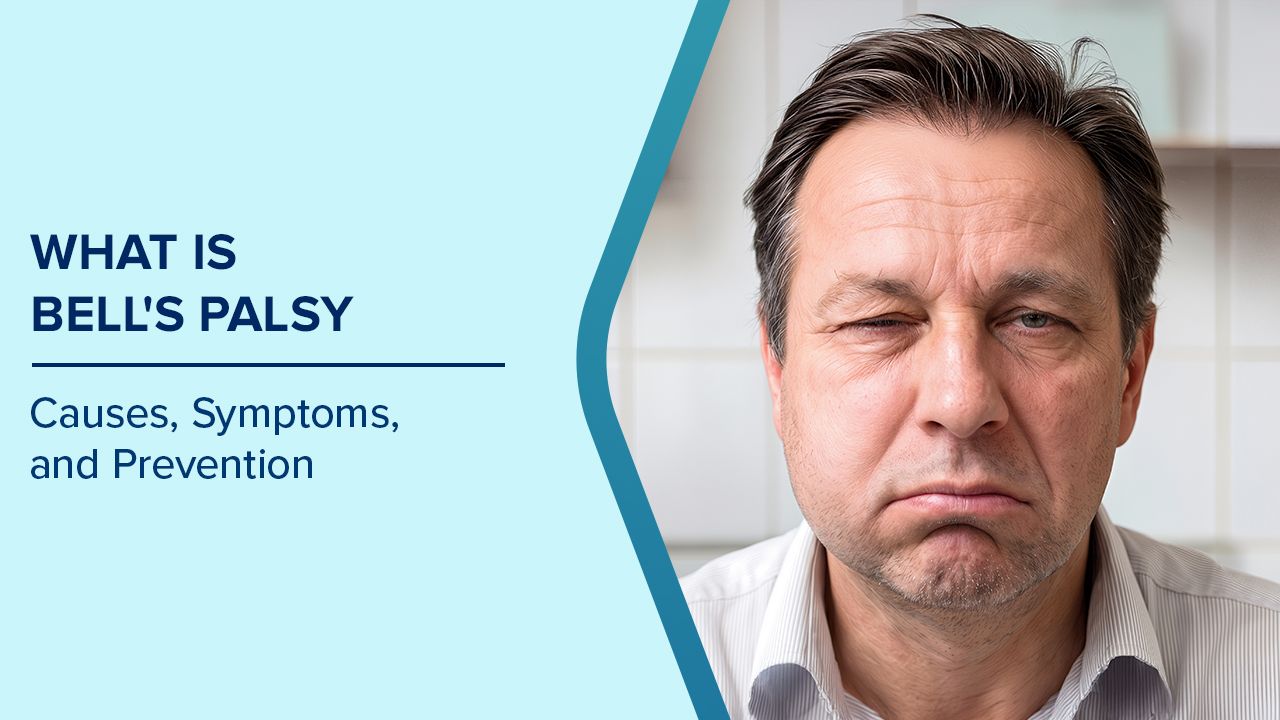
Bell's palsy is a condition that causes sudden weakness or paralysis of the muscles on one side of the face. It occurs when the facial nerve, which controls facial movement, becomes inflamed or compressed, disrupting the signals between the brain and the facial muscles. As a result, one side of the face may droop, making it difficult to smile, close the eye, raise the eyebrow, or make other facial expressions.
Although the exact cause is not always clear, Bell's palsy is commonly linked to viral infections that trigger inflammation of the facial nerve. The condition usually affects only one side of the face, develops over a few hours or days, and is temporary in most cases. With timely treatment, many people recover fully within a few weeks to months.
What Causes Bell's Palsy?
The exact cause of Bell’s palsy remains unclear, but doctors believe the condition results from a combination of nerve inflammation and certain underlying triggers. Some of the most common causes and risk factors include:
Viral Infections
Many experts believe Bell's palsy develops when a dormant virus becomes active, triggering inflammation of the facial nerve. Although a direct cause-and-effect relationship has not been confirmed in every case, several viruses have been associated with the condition, including:
- Herpes simplex virus (HSV), the virus most commonly linked to Bell's palsy
- Varicella-zoster virus, which causes chickenpox and shingles
- Epstein-Barr virus
- Cytomegalovirus
- Influenza virus and other respiratory viruses
Facial Nerve Inflammation
The facial nerve passes through a narrow bony canal before reaching the muscles of the face. When the nerve swells, there is little space to accommodate the inflammation. The resulting pressure interferes with the transmission of nerve signals, which causes weakness, loss of facial movement, and other symptoms such as difficulty closing the eye or changes in taste.
Risk Factors
Bell's palsy can affect anyone, but certain factors increase the risk of developing the condition. These include:
- Pregnancy: The risk is higher during the third trimester and in the first week after childbirth.
- Diabetes: High blood sugar levels may increase susceptibility to nerve damage and inflammation.
- Recent Viral Illness: A recent cold, flu, or other viral infection may precede the onset of Bell's palsy.
- Weakened Immunity: Conditions or treatments that reduce immune function may increase vulnerability to viral reactivation.
- Previous Episode: People who have had Bell's palsy once have a slightly higher chance of experiencing it again.
- Family History: Although uncommon, some cases suggest a genetic tendency in certain families.
What are the Symptoms of Bell's Palsy?
Bell's palsy symptoms usually appear suddenly and reach their peak within 48 to 72 hours. Common symptoms include:
- Facial Weakness: Mild weakness or complete paralysis on one side of the face.
- Facial Drooping: A noticeable droop that affects the smile and overall facial symmetry.
- Difficulty Closing the Eye: Inability to close one eye completely, which may lead to dryness and irritation.
- Difficulty Smiling: Reduced control over facial muscles, making it hard to smile, frown, or raise the eyebrow.
- Drooling: Poor control of the muscles around the mouth may cause saliva to escape.
- Changes in Taste: Reduced or altered taste sensation on the front two-thirds of the tongue.
- Ear Pain: Mild pain or discomfort around the jaw or behind the ear on the affected side, which may appear before facial weakness.
- Sound Sensitivity: Increased sensitivity to sounds in one ear due to weakness of the small muscles inside the ear.
- Dry Eye or Excessive Tearing: Reduced blinking may cause dryness, while irritation can trigger excessive tearing.
- Difficulty Eating or Drinking: Weak facial muscles may make it difficult to chew, drink without spilling, or keep food inside the mouth.
- Speech Changes: Slurred speech or difficulty pronouncing certain words because of reduced lip movement.
- Headache: Some people may experience a mild headache around the time symptoms begin.
How is Bell's Palsy Treated?
Treatment for Bell's palsy focuses on reducing inflammation of the facial nerve, protecting the eye, and supporting recovery of facial muscle function. Common treatment approaches include:
Medications
Medicines are usually the first line of treatment and help reduce nerve inflammation and relieve symptoms.
- Corticosteroids: Steroids help reduce swelling around the facial nerve and improve the chances of complete recovery, especially when started within 72 hours.
- Antiviral Medicines: Antiviral drugs may be prescribed along with corticosteroids in selected cases, particularly if a viral infection such as herpes simplex is suspected.
- Pain Relief Medicines: Over-the-counter or prescription pain relievers may help ease pain around the ear, jaw, or face.
Eye Care
When Bell's palsy affects the ability to blink or close the eye completely, eye protection becomes an essential part of treatment to prevent dryness and injury.
- Lubricating Eye Drops: Artificial tears keep the eye moist during the day.
- Eye Ointments: Lubricating ointments provide longer-lasting moisture, particularly at night.
- Eye Patch or Tape: Covering or gently taping the eyelid shut during sleep helps protect the cornea from drying out.
- Protective Glasses: Glasses or sunglasses shield the eye from dust, wind, and other irritants when outdoors.
Facial Rehabilitation
Facial rehabilitation may be recommended if muscle weakness persists or recovery is slower than expected.
- Facial Exercises: Simple exercises help maintain muscle flexibility and improve coordination as nerve function returns.
- Physiotherapy: A physiotherapist may guide targeted exercises to restore facial movement and reduce muscle stiffness.
- Massage: Gentle facial massage may help relax tight muscles and improve comfort during recovery.
Surgical Treatment
Surgery is rarely required for Bell's palsy.
- In very uncommon cases, procedures such as facial nerve decompression or corrective surgery may be considered for persistent facial weakness or long-term complications.
- Surgery is reserved for carefully selected patients after a thorough evaluation by a specialist, as most people recover without it.
What are the Possible Complications of Bell's Palsy?
Most people with Bell's palsy recover completely, especially when treatment begins early. However, some may experience lasting effects if the facial nerve does not heal fully or recovers abnormally. Possible complications include:
Persistent Weakness
Although facial movement improves in most cases, some people may continue to have mild or permanent weakness on the affected side. This can affect facial expressions and certain everyday activities.
Synkinesis
As the facial nerve heals, nerve fibres may reconnect incorrectly. This can lead to involuntary facial movements, known as synkinesis. For example:
- The eye may close while smiling.
- The corner of the mouth may move while blinking.
- Different facial muscles may contract at the same time.
Eye Problems
Difficulty closing the eye completely can leave the cornea exposed, increasing the risk of:
- Dry eyes
- Eye irritation
- Corneal ulcers
- Vision problems if left untreated
Facial Tightness
Some people develop tightness or stiffness in the facial muscles during recovery. This may make facial movements feel less natural or cause discomfort.
Difficulty Speaking or Eating
Persistent weakness of the lips and cheeks may make it difficult to pronounce certain words clearly, chew food properly, or keep food and liquids inside the mouth.
Emotional Impact
Changes in facial appearance or prolonged recovery may affect self-confidence and emotional well-being. Some people experience frustration, anxiety, or social discomfort while adjusting to these changes.
Can Bell's Palsy Be Prevented?
Prevention is not always possible, but the following measures support overall nerve and immune health:
- Manage Chronic Conditions: Keeping conditions such as diabetes under control may reduce the risk of nerve-related complications.
- Support Immune Health: A balanced diet, regular exercise, adequate sleep, and stress management help maintain a healthy immune system.
- Reduce the Risk of Viral Infections: Practising good hand hygiene, avoiding close contact with people who are unwell, and staying up to date with recommended vaccinations may help reduce exposure to certain viral infections.
- Avoid Delaying Medical Care: Any sudden facial weakness or paralysis should be evaluated by a doctor immediately. Although this may not prevent Bell's palsy, early treatment can improve recovery and reduce the risk of long-term complications.
Consult Today
Bell's palsy may appear suddenly, but timely medical care can make a meaningful difference to recovery and help reduce the risk of long-term facial weakness. Since facial paralysis can also occur due to other neurological conditions, an accurate diagnosis is just as important as treatment. If there is a sudden change in facial movement or weakness on one side of the face, consult an experienced neurologist at Max Hospitals for a thorough evaluation and appropriate care.
Frequently Asked Questions
Is Bell's palsy contagious?
No. Bell's palsy itself is not contagious. Although certain viral infections associated with the condition can spread from person to person, Bell's palsy cannot be passed on through contact.
Can Bell's palsy come back after recovery?
Yes, but recurrence is uncommon. Most people experience Bell's palsy only once, though a small percentage may develop it again months or years later, either on the same or the opposite side of the face.
Can Bell's palsy affect both sides of the face?
Bell's palsy almost always affects only one side of the face. Weakness on both sides is rare and may indicate another underlying medical condition that requires further evaluation.
Is Bell's palsy a sign of a stroke?
No. Bell's palsy and stroke are different conditions, although both can cause facial weakness. A stroke usually causes additional symptoms such as weakness in the arm or leg, difficulty speaking, confusion, or vision changes and requires immediate emergency care.
Can children develop Bell's palsy?
Yes. Although Bell's palsy is more common in adults, it can also occur in children. Most children recover well with appropriate medical care.
Can Bell's palsy affect hearing?
Bell's palsy does not usually cause hearing loss. However, some people may notice increased sensitivity to sounds in one ear because the facial nerve also controls a small muscle inside the ear.
Can Bell's palsy affect pregnancy?
Yes. Bell's palsy can occur during pregnancy, particularly during the third trimester or shortly after childbirth. Pregnant women who develop sudden facial weakness should seek prompt medical evaluation.
Should facial exercises be done at home without medical advice?
Facial exercises may support recovery, but they should ideally be performed under the guidance of a doctor or physiotherapist. Following the right technique helps improve facial muscle function while avoiding unnecessary strain.
Written and Verified by:

Related Blogs

Dr. Priyank Uniyal In Neurosurgery
Nov 09 , 2020 | 3 min read

Dr. Sanjeev Kumar Gupta In Neurosurgery , Neurosciences
Nov 09 , 2020 | 2 min read
Blogs by Doctor
Most read Blogs


Related Blogs
Dr. Priyank Uniyal In Neurosurgery
Nov 09 , 2020 | 3 min read
Dr. Sanjeev Kumar Gupta In Neurosurgery , Neurosciences
Nov 09 , 2020 | 2 min read
Blogs by Doctor
Most read Blogs