 WhatsApp Us (24/7)
 +91 926 888 0303 (24/7)


To Book an Appointment
Call Us+91 926 888 0303Is Belly Fat Just a Cosmetic Concern? Here's What It Really Means for Your Health
By Dr. Rommel Tickoo in Internal Medicine
Oct 14 , 2026 | 3 min read
10

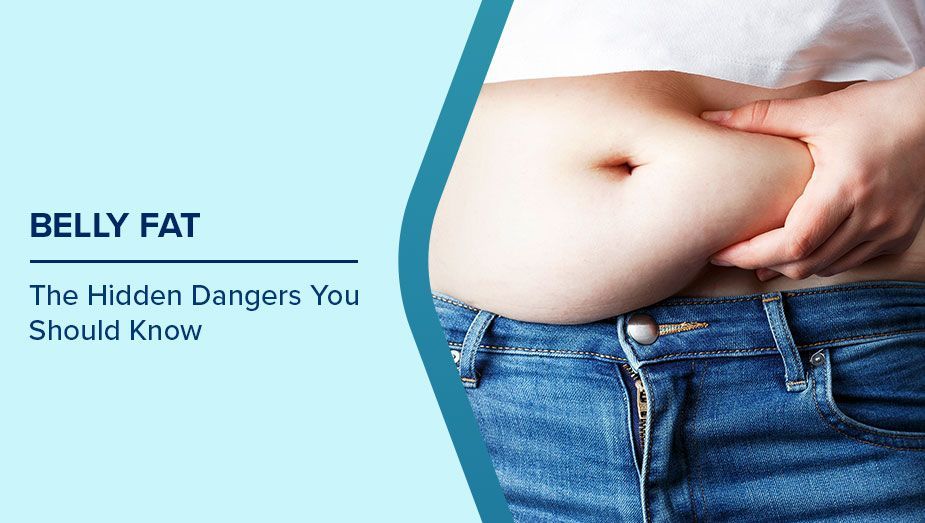
Belly fat is commonly viewed as a concern related to body shape and appearance. However, excess fat around the abdomen can also have important implications for health. So, when does belly fat become a health concern, and what can it indicate about your overall health? This article explains the different types of belly fat, why they develop, the health risks associated with excess abdominal fat, and the lifestyle measures that can help reduce it.
Types of Belly Fat
Belly fat is not a single type of fat. It is broadly classified based on where it is stored in and around the abdomen, with the two main types being:
Subcutaneous Fat
Subcutaneous fat is the fat stored directly beneath the skin. It is the soft, pinchable fat that can accumulate around the stomach, waist, hips and other parts of the body. While excess subcutaneous fat can contribute to obesity and related health risks, it is generally considered less metabolically harmful than visceral fat.
Visceral Fat
Visceral fat is stored deeper inside the abdomen, where it surrounds organs such as the liver, pancreas and intestines. Unlike subcutaneous fat, it cannot be easily seen or pinched from the outside.
The distinction between these two types is important because the amount of belly fat you can see does not necessarily reflect how much visceral fat you carry.
Why Visceral Fat is Considered a Health Risk
When present in excess, visceral fat can interfere with several processes in the body and contribute to changes that affect long-term health. Some of the key ways excess visceral fat can affect the body include:
Increases Inflammation
Visceral fat can release inflammatory substances that contribute to chronic, low-grade inflammation in the body. Persistent inflammation may affect normal metabolic function and is linked with a higher risk of several chronic diseases.
Affects Insulin Sensitivity
Excess visceral fat is associated with insulin resistance, a condition in which the body's cells respond less effectively to insulin. Over time, this can contribute to elevated blood glucose levels and increase the risk of developing type 2 diabetes.
Raises Heart Risk
Higher levels of visceral fat are associated with cardiovascular risk factors such as high blood pressure, abnormal cholesterol levels and insulin resistance. Together, these changes can increase the risk of heart disease and stroke.
Affects Liver Health
Visceral fat is closely linked with excess fat accumulation in the liver. This can contribute to metabolic dysfunction-associated steatotic liver disease (MASLD), particularly when it occurs alongside obesity, insulin resistance or other metabolic risk factors.
Contributes to Metabolic Syndrome
Excess visceral fat is an important risk factor for metabolic syndrome, a group of conditions that includes increased waist circumference, high blood pressure, elevated blood sugar and abnormal blood lipid levels. Having several of these risk factors together increases the risk of cardiovascular disease and type 2 diabetes.
What Causes Belly Fat to Develop
Belly fat can develop for several reasons, and it is not always the result of simply eating too much or exercising too little. Common factors that can contribute to the development of belly fat include:
Excess Calories
Consistently consuming more calories than the body uses can lead to overall weight gain, including an increase in abdominal fat. Diets high in calorie-dense foods, added sugars and highly processed foods can make it easier to consume excess calories.
Poor Diet
Regularly eating foods high in added sugar, refined carbohydrates and unhealthy fats may contribute to excess weight and abdominal fat. A diet lacking in protein and fibre may also make it harder to maintain fullness and manage overall calorie intake.
Physical Inactivity
Low levels of physical activity reduce the amount of energy the body uses and can contribute to weight gain over time. Spending long periods sitting, particularly when combined with a sedentary lifestyle, may also be associated with greater accumulation of abdominal fat.
Ageing
Body composition and fat distribution can change with age. Muscle mass tends to decline while energy requirements may decrease, and hormonal changes can influence where the body stores fat. These changes can make abdominal fat more likely to accumulate, particularly in middle age and beyond.
Hormonal Changes
Hormones influence appetite, metabolism and fat distribution. Changes in hormones such as insulin, cortisol, oestrogen and testosterone can affect where the body stores fat. This can be particularly relevant during menopause and other periods of significant hormonal change.
Poor Sleep
Insufficient or poor-quality sleep can affect hormones involved in hunger and appetite and may make it harder to maintain a healthy weight. Chronic sleep deprivation has also been associated with greater abdominal fat accumulation.
Chronic Stress
Long-term stress can influence eating habits, sleep and physical activity. It can also increase cortisol levels, and prolonged disruption of the body's stress response may be associated with greater accumulation of abdominal fat.
Genetics
Genetic factors can influence body composition, metabolism and where an individual is more likely to store excess fat. This means some people may naturally be more prone to accumulating fat around the abdomen than others.
Alcohol Intake
Alcohol can add a significant number of calories to the diet, and frequent or excessive consumption may contribute to weight gain. Alcohol intake may also influence eating habits and metabolic health, which can further contribute to abdominal fat accumulation.
What Causes Belly Fat in Different Stages of Life?
The factors that contribute to belly fat can change as the body ages. Changes in metabolism, hormones, muscle mass, activity levels and lifestyle can all influence where fat is stored. The main causes of belly fat at different life stages include:
Young Adults
Belly fat in young adulthood is often linked to diet, physical inactivity, alcohol intake, poor sleep and other lifestyle factors. Long periods of sitting, irregular eating patterns and increasing reliance on processed or takeaway foods can also contribute to gradual weight gain around the abdomen.
After 30
From the 30s onwards, gradual changes in muscle mass and energy expenditure can make weight management more challenging. If food intake and activity levels remain unchanged while energy needs decrease, excess calories may contribute to an increase in body fat, including around the waist.
After 40
During the 40s, changes in muscle mass, physical activity and hormones can influence body composition and fat distribution. People may also become less active due to work and family commitments, which can further contribute to an increase in abdominal fat.
Menopause
The decline in oestrogen during and after menopause can influence where fat is stored, with a greater tendency for fat to accumulate around the abdomen. Changes in sleep, muscle mass and physical activity during this period may also contribute to weight gain and changes in body composition.
Older Adults
With advancing age, the gradual loss of muscle mass, lower physical activity and changes in metabolism can make it easier to gain fat and harder to maintain lean muscle. Hormonal changes can also affect fat distribution, increasing the tendency for abdominal fat to accumulate.
How to Reduce Belly Fat Naturally
Reducing belly fat naturally involves addressing the factors that contribute to overall fat gain rather than trying to target the abdomen alone. Since spot reduction is not generally possible, the focus should be on sustainable lifestyle changes such as:
Eat Balanced Meals
Build meals around vegetables, fruits, whole grains, lean sources of protein and healthy fats. Choosing nutrient-dense foods can help manage calorie intake while providing the protein and fibre needed to support fullness and a healthy body composition.
Increase Protein
Protein can help maintain muscle mass during weight loss and may also help you feel fuller for longer. Include sources such as eggs, fish, poultry, dairy, beans, lentils, tofu, nuts and seeds as part of a balanced diet.
Eat More Fibre
Fibre-rich foods can support satiety and digestive health while making meals more filling. Vegetables, fruits, whole grains, pulses, beans, nuts and seeds are good sources to include regularly.
Limit Added Sugar
Frequently consuming sugary drinks, sweets and other foods high in added sugar can make it easier to consume excess calories. Reducing these foods and choosing whole or minimally processed alternatives can support healthy weight management.
Stay Active
Regular physical activity increases energy expenditure and supports overall health. Aim for a combination of aerobic activity, such as brisk walking or cycling, and resistance training to support fat loss while preserving muscle.
Strength Train
Strength training helps maintain and build muscle, which is particularly important during weight loss. Exercises that work the major muscle groups can form part of a regular programme, alongside aerobic activity.
Sleep Well
Getting sufficient, good-quality sleep can support appetite regulation, metabolic health and weight management. Aim for a consistent sleep schedule and address habits that regularly interfere with your sleep.
Manage Stress
Chronic stress can affect appetite, sleep and eating behaviour, which may make weight management more difficult. Regular movement, relaxation techniques, adequate sleep and time for enjoyable activities can help manage everyday stress.
Limit Alcohol
Alcohol provides calories without offering much nutritional value, and frequent consumption can contribute to excess calorie intake. Limiting alcohol can therefore be useful when trying to reduce overall body fat.
When to Consult a Doctor
Belly fat does not always indicate a health problem, but certain changes or symptoms may warrant medical evaluation. It is advisable to consult a doctor if you notice:
- Sudden Weight Gain: Rapid or unexplained weight gain, particularly around the abdomen, may sometimes be linked to hormonal changes, fluid retention, medications or an underlying health condition.
- Persistent Abdominal Fat: If your waist size continues to increase despite maintaining a balanced diet and regular physical activity, a doctor can help identify possible contributing factors.
- High Metabolic Risk: A large waist circumference combined with high blood pressure, elevated blood sugar or abnormal cholesterol levels may indicate a higher risk of metabolic syndrome, type 2 diabetes or cardiovascular disease.
- Other Symptoms: Consult a doctor if abdominal weight gain occurs alongside symptoms such as persistent fatigue, excessive thirst, frequent urination or unexplained changes in appetite.
- Difficulty Losing Weight: If you have made consistent lifestyle changes but are unable to lose weight or reduce your waist circumference, a healthcare professional can assess whether an underlying condition, medication or other factor may be affecting your progress.
Consult Today
Our waistline can offer useful clues about your health, but it is only one part of the bigger picture. If you have noticed a significant change in your abdominal size or are concerned about what it could mean for you, it is worth getting it assessed rather than relying on appearance alone. Consult a general physician at Max Hospitals who can review your overall health, identify any potential concerns and recommend the right course of action.
Frequently Asked Questions
Can belly fat be reduced without losing weight overall?
Yes, but the change is usually limited. If you lose abdominal fat while gaining or maintaining muscle, your waist circumference may decrease even when your overall weight changes very little.
How long does it take to lose belly fat?
It usually takes several weeks to months to see a noticeable reduction. The timeline varies from person to person and depends on factors such as the amount of excess fat, diet, physical activity and consistency.
Can belly fat come back after losing it?
Yes, belly fat can return if you regain body fat after losing it. Maintaining healthy eating and activity habits can help reduce the likelihood of regaining it.
Can you lose belly fat without exercising?
Yes, belly fat can be reduced through dietary changes that create a calorie deficit. However, combining a balanced diet with regular physical activity is generally more effective for improving body composition and maintaining muscle.
Can you lose belly fat without losing muscle?
Yes, combining adequate protein intake with resistance training can help preserve muscle while you lose body fat. Avoiding overly restrictive diets can also make it easier to maintain lean muscle.
Can a person have belly fat with a normal BMI?
Yes, BMI does not show where fat is stored, so a person can have a normal BMI while carrying excess fat around the abdomen.
Is belly fat the same as bloating?
No, belly fat is stored body fat, while bloating is a temporary feeling or appearance of abdominal fullness, often caused by gas, fluid or changes in digestion.
Can belly fat make your stomach look hard?
It can, but a firm or hard abdomen is not a reliable way to determine how much belly fat you have. Abdominal firmness can also be affected by muscle, bloating and other factors.
Written and Verified by:

Related Blogs


Dr. Vandana Boobna In Internal Medicine
Nov 08 , 2020 | 2 min read
Blogs by Doctor


Dengue Fever: Risk Factors, Variants, Vaccine & Latest Trends
Dr. Rommel Tickoo In Internal Medicine
Aug 25 , 2024 | 2 min read
Most read Blogs

Related Blogs
Dr. Vandana Boobna In Internal Medicine
Nov 08 , 2020 | 2 min read
Blogs by Doctor
Dengue Fever: Risk Factors, Variants, Vaccine & Latest Trends
Dr. Rommel Tickoo In Internal Medicine
Aug 25 , 2024 | 2 min read
Most read Blogs