 WhatsApp Us (24/7)
 +91 926 888 0303 (24/7)


To Book an Appointment
Call Us+91 926 888 0303Best Foods to Lower Cholesterol: What to Eat for a Healthy Heart
By Dr. Upasana Parv Kalra in Nutrition And Dietetics
Jul 01 , 2026
1

A high cholesterol level often develops silently, without causing noticeable symptoms. Many people only discover they have elevated cholesterol after a routine health check. While medication may be necessary for some individuals, everyday food choices can play a significant role in supporting healthy cholesterol levels.
Certain foods contain natural compounds that help reduce the absorption of cholesterol, improve the body's ability to remove excess cholesterol, and support overall cardiovascular health. Building meals around these foods can be a practical and sustainable way to improve heart health over time.
If you are looking for foods that help lower cholesterol naturally, understanding which nutrients matter and where to find them can make healthy eating simpler and more effective.
Why Diet Matters in Cholesterol Management
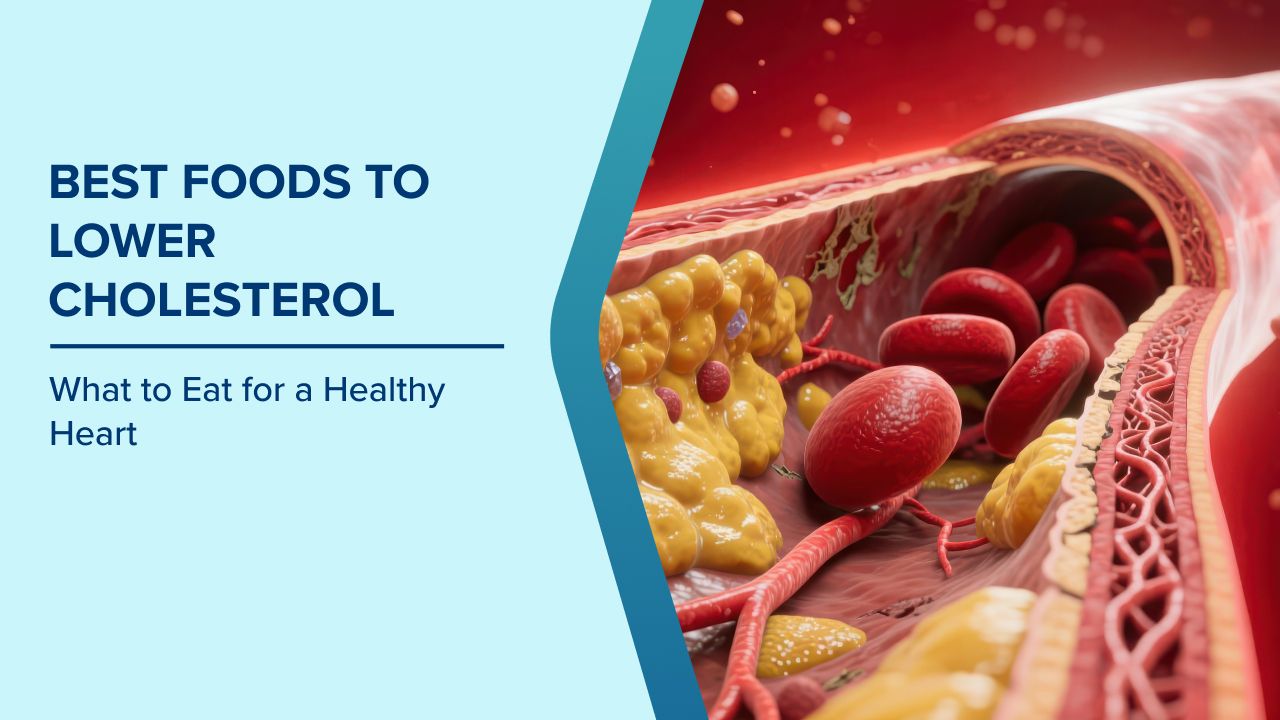
The liver naturally produces cholesterol because the body needs it for several important functions. Problems arise when low-density lipoprotein (LDL), often referred to as "bad" cholesterol, becomes too high.
Diet influences cholesterol levels in several ways:
- It affects how much cholesterol is absorbed from food
- It influences the amount of cholesterol produced by the liver
- It can help increase high-density lipoprotein (HDL), often called "good" cholesterol
- It impacts inflammation and blood vessel health
Choosing heart-friendly foods consistently can support healthier cholesterol levels without relying solely on restrictive diets.
Fibre-Rich Foods: Nature's Cholesterol Clean-Up System
One of the most effective dietary approaches for lowering cholesterol naturally is increasing fibre intake.
Oats and Barley
Oats and barley contain a type of soluble fibre called beta-glucan. As food moves through the digestive tract, this fibre forms a gel-like substance that binds to cholesterol and helps remove it from the body.
Easy ways to include them:
- Oatmeal for breakfast
- Barley added to soups
- Homemade oat-based snacks
- Whole grain porridge
These foods can be incorporated into daily meals without major dietary changes.
Fruits Rich in Soluble Fibre
Many fruits provide fibre that supports cholesterol control while also supplying vitamins and antioxidants.
Good choices include:
- Apples
- Pears
- Oranges
- Guava
- Berries
Eating whole fruits rather than juices helps maximise fibre intake.
Nuts and Seeds That Support Heart Health
Nuts and seeds offer a unique combination of healthy fats, fibre, and plant compounds that can contribute to better cholesterol management.
Almonds and Walnuts
These nuts contain unsaturated fats that may help reduce LDL cholesterol while supporting healthy blood vessels.
A small handful can be added to:
- Breakfast cereals
- Salads
- Yoghurt
- Homemade trail mixes
Portion control remains important because nuts are energy-dense.
Flaxseeds and Chia Seeds
These seeds provide fibre and omega-3 fatty acids that support cardiovascular health.
Simple ways to use them include:
- Mixing into smoothies
- Sprinkling over porridge
- Adding to chapati dough
- Stirring into yoghurt
Plant Proteins That Can Replace Less Healthy Choices
The source of protein in a diet can influence cholesterol levels.
Replacing some animal-based foods that are high in saturated fat with plant proteins may help improve lipid profiles.
Soy-Based Foods
Soy products contain compounds that may support healthy cholesterol levels when included as part of a well-balanced diet.
Examples include:
- Tofu
- Soy milk
- Edamame
- Tempeh
These foods provide high-quality protein while being naturally low in saturated fat.
Chickpeas and Beans
Beans and chickpeas offer a combination of protein and fibre that supports heart health and helps maintain fullness between meals.
They can be included in:
- Salads
- Curries
- Soups
- Wraps
Fatty Fish and Heart-Protective Fats
Not all fats affect cholesterol in the same way.
Certain dietary fats can contribute to heart health when used in place of saturated and trans fats.
Salmon, Sardines and Mackerel
These fish contain omega-3 fatty acids, which help support healthy blood lipid levels and overall cardiovascular function.
Regular inclusion of oily fish may help:
- Support heart health
- Reduce triglyceride levels
- Promote healthier blood vessels
Grilling, baking, or steaming are healthier preparation methods than deep frying.
Avocados: A Heart-Friendly Addition
Avocados provide monounsaturated fats and fibre in a single food.
These nutrients can help support healthy cholesterol levels while providing long-lasting satiety.
They can be enjoyed:
- Sliced into salads
- Spread on wholegrain toast
- Added to sandwiches
- Blended into dips
Because avocados are nutrient-dense, moderate portions are usually sufficient.
Vegetables That Support Cholesterol Control
Vegetables contribute fibre, antioxidants, and plant compounds that benefit heart health.
Leafy Greens
Vegetables such as:
- Spinach
- Kale
- Mustard greens
- Fenugreek leaves
provide nutrients that support cardiovascular wellness.
Cruciferous Vegetables
Broccoli, cabbage, cauliflower, and Brussels sprouts contain fibre and beneficial plant compounds that can complement a cholesterol-lowering diet.
Including a variety of vegetables across meals helps improve overall dietary quality.
Foods Naturally Rich in Plant Sterols
Plant sterols are naturally occurring substances found in plants that can reduce cholesterol absorption in the digestive system.
Foods containing plant sterols include:
- Nuts
- Seeds
- Whole grains
- Legumes
- Vegetable oils
Some fortified foods may also contain added plant sterols, though whole food sources remain an excellent foundation.
Healthy Oils That Can Replace Saturated Fats
One of the simplest dietary changes for lowering cholesterol naturally is choosing healthier cooking fats.
Olive Oil
Olive oil is rich in monounsaturated fats and antioxidant compounds.
It can be used for:
- Salad dressings
- Light cooking
- Vegetable preparations
Mustard Oil and Groundnut Oil
In many Indian households, these oils can be used as part of a balanced dietary pattern when consumed in moderation.
The key is reducing excessive intake of butter, ghee, shortening, and highly processed fats rather than eliminating fats.
Common Mistakes That Can Limit Progress
Even people trying to eat healthier may unknowingly make choices that affect cholesterol management.
Some examples include:
- Relying heavily on packaged "healthy" snacks
- Consuming excessive fruit juices instead of whole fruits
- Overeating nuts due to their healthy reputation
- Choosing low-fat products that contain added sugars
- Ignoring portion sizes
A balanced approach generally produces better long-term results than extreme dietary restrictions.
Conclusion
Foods that help lower cholesterol naturally work in different ways, from reducing cholesterol absorption to supporting healthier blood vessels and improving overall heart function. Fibre-rich grains, fruits, vegetables, nuts, seeds, plant proteins, fatty fish, and healthy oils can all contribute to better cholesterol management when included regularly in a balanced diet.
Rather than searching for a single "superfood", focusing on a variety of heart-friendly foods creates a sustainable eating pattern that supports long-term cardiovascular health. Combined with regular physical activity and routine medical care, these dietary choices can become an important part of maintaining healthy cholesterol levels.
Frequently Asked Questions
1. Can cholesterol levels improve through diet alone?
For some people, dietary changes can lead to meaningful improvements. Others may require medication depending on their cholesterol levels, family history, and overall cardiovascular risk.
2. How long does it take for dietary changes to affect cholesterol?
Changes in cholesterol levels may begin within several weeks, although the timeline varies between individuals and depends on consistency and overall lifestyle habits.
3. Are eggs completely off-limits for people with high cholesterol?
Most people can include eggs in moderation as part of a balanced diet. The overall dietary pattern often has a greater impact on cholesterol levels than any single food.
4. Is coconut oil a good choice for lowering cholesterol?
Coconut oil contains a high proportion of saturated fat. People managing high cholesterol should discuss its use with their healthcare provider and consider moderation.
5. Can children and teenagers benefit from cholesterol-friendly foods?
Yes. A diet rich in fruits, vegetables, whole grains, nuts, and healthy fats supports cardiovascular health at every age and can help establish healthy lifelong eating habits.
Written and Verified by:

Related Blogs


Dr. Neera Aggarwal In Obstetrics And Gynaecology , Nutrition And Dietetics
Nov 07 , 2020 | 7 min read
Blogs by Doctor

Power Up Your Meals: Protein-rich Foods for Vegetarians and Vegans
Dr. Upasana Parv Kalra In Nutrition And Dietetics
Apr 18 , 2025 | 8 min read

Nutrition For Moms: Meal Prep Tips For Busy Moms
Dr. Upasana Parv Kalra In Nutrition And Dietetics
Jun 03 , 2025 | 3 min read
Most read Blogs

Related Blogs
Dr. Neera Aggarwal In Obstetrics And Gynaecology , Nutrition And Dietetics
Nov 07 , 2020 | 7 min read
Blogs by Doctor
Power Up Your Meals: Protein-rich Foods for Vegetarians and Vegans
Dr. Upasana Parv Kalra In Nutrition And Dietetics
Apr 18 , 2025 | 8 min read
Nutrition For Moms: Meal Prep Tips For Busy Moms
Dr. Upasana Parv Kalra In Nutrition And Dietetics
Jun 03 , 2025 | 3 min read
Most read Blogs