 WhatsApp Us (24/7)
 +91 926 888 0303 (24/7)


To Book an Appointment
Call Us+91 926 888 0303Boils: Common Locations, Causes, and Treatment Options
By Dr. Deepali Bhardwaj in Dermatology
Sep 28 , 2026

A painful, swollen bump on the skin can be uncomfortable and concerning, especially when it becomes tender, warm, or filled with pus. In many cases, this may be a boil, also known as a furuncle. While boils are fairly common and small ones usually settle with basic care, some can become very painful, keep coming back, or develop in sensitive areas where medical attention is important. In such cases, getting the right diagnosis and treatment becomes important. A doctor can check whether the swelling is a skin boil, pimple, cyst, abscess, stye, or another skin concern and suggest the most appropriate treatment. In this article, we’ll discuss what boils are, how they appear, where they commonly occur, what causes them, available treatment options, prevention tips, and when to seek a doctor’s consultation.
What are Boils?
Boils are painful, pus-filled bumps that form when bacteria infect a hair follicle or nearby skin tissue. In many parts of India, people may also refer to it as “baltod”.
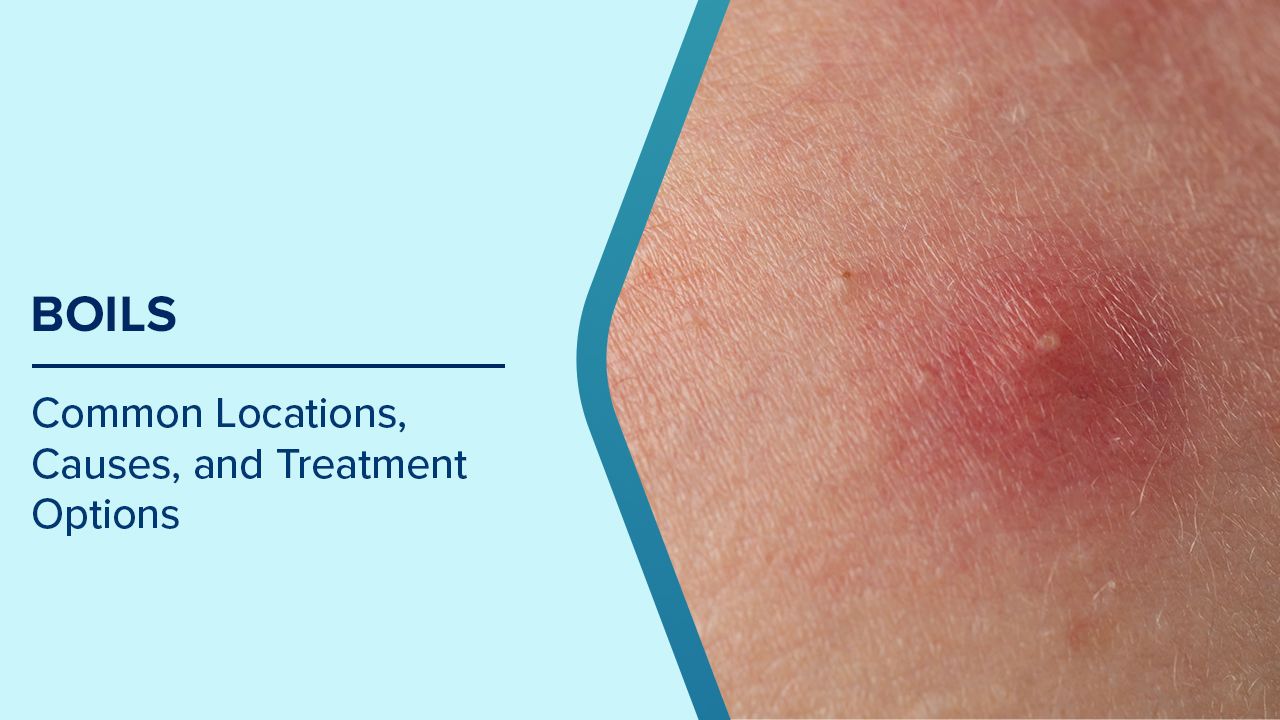
A boil usually starts as a small, red, tender lump. Over a few days, it may become larger, more painful, and filled with pus. When several boils join together under the skin, they may form a larger infection called a carbuncle.
Boils on the skin can appear almost anywhere, but they are more common in areas where there is hair, sweat, friction, or pressure.
How Do Boils Appear? Common Symptoms to Watch For
A boil may not look serious in the beginning. It can start like a pimple or a small painful swelling. However, a furuncle often becomes deeper, larger, and more tender than a regular pimple.
Common symptoms of boils include:
- A red, swollen, painful lump on the skin
- Warmth and tenderness around the affected area
- A white or yellow pus-filled centre
- Increasing pain as the boil grows
- Oozing or drainage if the boil bursts
- Swelling in the surrounding skin
- Fever, tiredness, or body ache in more severe cases
Some people may feel a hard boil under the skin before pus becomes visible. Others may notice repeated boils on the body, especially in sweat-prone or friction-prone areas.
Difference Between Boils and Pimples
| Boil | Pimple | |
| Cause(s) | Usually a bacterial infection of a hair follicle | Blocked pores, oil, dead skin cells, and acne-related inflammation |
| Size | Often larger and deeper | Usually smaller and more superficial |
| Pain | More painful, tender, and warm | Usually mildly painful or tender |
| Pus | May contain more pus and form a hard lump | May form a small whitehead or blackhead |
| Common areas | Armpits, thighs, buttocks, face, scalp, back | Face, chest, shoulders, and back |
| Treatment | May need medical drainage or antibiotics | Usually managed with acne care unless severe |
What are the Common Locations for Boils?
Boils can occur in different areas of the body. The location can affect pain, treatment, and the need for medical care.
1. Face
A boil on the face should be handled carefully, especially if it appears near the nose, upper lip, or eye area. The face has delicate tissues and blood vessels, so squeezing or delaying care may increase the risk of complications.
2. Around the Eye or Eyelid
A boil in the eye is often described by patients when they notice a painful lump on or near the eyelid. It may actually be a stye or another eyelid infection. If there is pain, swelling, discharge, repeated episodes, or vision changes, it should be checked by a doctor.
3. Ear
A boil in the ear or boil inside the ear can be very painful because the ear canal is narrow and sensitive. It may cause pain while touching the ear, chewing, or sleeping on that side. Medical consultation is advisable, especially if there is discharge, hearing discomfort, or severe pain.
4. Nose
A boil in the nose should not be squeezed or picked. The inside of the nose is sensitive, and infection in this area may need medical treatment. Recurrent boils in or around the nose may also need evaluation for bacterial carriage.
5. Mouth
A boil in mouth or boil inside mouth may not be a typical skin boil because the mouth does not have the same hair follicles as the skin. It may be a mouth ulcer, gum infection, dental abscess, cyst, or another oral condition. A doctor or dentist should assess painful swelling inside the mouth.
6. Armpits
Underarm boils are common because this area has sweat, hair follicles, shaving irritation, and friction. Recurrent boils in this region may sometimes be linked to ongoing skin inflammation and should be assessed.
7. Buttocks
Boils on the butt cheeks may develop due to pressure, sweating, tight clothing, prolonged sitting, or friction. A boil in this area can become very painful while sitting or walking.
8. Inner Thighs
Boils on the inner thigh are common in people who sweat more, wear tight clothing, or experience skin rubbing. Hair removal, minor cuts, and ingrown hair can also increase the risk.
9. Scalp or Head
A boil on the scalp may occur when bacteria infect hair follicles. Scratching, dandruff-related irritation, excessive oil, or minor injury may contribute. Scalp boils can be painful while combing or washing hair.
10. Leg or Back
A boil on the leg or back may occur due to infected hair follicles, friction, sweat, or small, unnoticed injuries. Boils on the back can sometimes become larger before they are noticed.
11. Lips
A boil on the lip needs careful assessment because swelling on the lip may also be due to a cold sore, cyst, allergic reaction, injury, or infection. Medical review is important if the swelling is painful, spreading, or recurrent.
What are the Common Causes and Risk Factors for Boils?
Boils are usually caused by bacteria entering the skin through a hair follicle, minor cut, scratch, shaving nick, or irritated area. Certain factors can increase the risk of developing boils on the skin.
Common causes and risk factors include:
- Bacterial infection, commonly involving Staphylococcus bacteria
- Poor skin hygiene
- Excessive sweating
- Friction from tight clothing
- Shaving cuts or ingrown hair
- Skin conditions such as acne or eczema
- Sharing towels, razors, or personal items
- Close contact with someone who has a skin infection
- Diabetes
- Weak immunity
- Recurrent skin infections
- Poor wound healing
People who get repeated boils or baptism should consult a doctor to check for underlying risk factors such as diabetes, immune concerns, or bacterial carriage.
How are Boils Diagnosed?
Most boils are diagnosed through a physical examination. The doctor checks the size, location, pain, redness, pus formation, and whether the infection is spreading. They may also ask how long the boil has been present, whether it has occurred before, and whether the patient has fever, diabetes, or low immunity.
In recurrent, severe, or non-healing boils, the doctor may advise a swab or pus test to identify the bacteria and select the right antibiotic. In some cases, the doctor may also advise blood sugar testing, especially if boils are recurrent or healing slowly.
What are the Treatments for Managing Boils?
Boil treatment depends on the size, location, severity, recurrence, and overall health of the patient. Small boils may improve with basic care, but larger or painful boils may need medical treatment.
Home Care for Small Boils
For small boils, home care may help reduce discomfort and support natural drainage. Useful steps include:
- Apply a warm compress to the boil for short intervals
- Keep the area clean and dry
- Cover the boil with a clean dressing if it is draining
- Wash hands before and after touching the area
- Avoid sharing towels, razors, or clothing
- Avoid squeezing, cutting, or popping the boil
Boil treatment at home should be limited to safe supportive care. Home remedies for boils should not include harsh chemicals, forced squeezing, needle puncture, or unverified pastes. For pain relief from boils, medicines should be taken only as advised by a doctor, especially in children, pregnant women, elderly people, or patients with kidney, liver, or stomach conditions.
Medical Treatment for Boils
A doctor may recommend medical treatment if the boil is large, very painful, recurrent, spreading, or located in a sensitive area. Treatment may include:
- Professional drainage of a large pus-filled boil
- Antibiotics if the infection is spreading or severe
- Antibacterial wash or soap if recurrent boils are present and are advised by the doctor
- Treatment of underlying conditions such as diabetes
- Advice on preventing recurrence
Boil antibacterial soap may help in selected cases, especially recurrent boils, but it should be used only as recommended by a doctor. Antibiotics should also not be taken without medical advice, as the wrong medicine or incomplete treatment can worsen resistance and delay proper care.
What are the Complications of Untreated Boils?
Many small boils settle with proper care, but untreated or wrongly handled boils can sometimes lead to complications. These may include:
- Increase in pain and swelling
- Spread of infection to nearby skin
- Cellulitis
- Abscess formation
- Scarring
- Recurrent boils
- Fever or general illness
- Serious infection in high-risk patients
People with diabetes, weak immunity, cancer, kidney disease, or poor wound healing should seek medical care early, even for a boil that appears small.
How to Prevent Boils
Good skin hygiene and early care of minor injuries can reduce the risk of boils. Prevention is especially important for people who get recurrent skin boils.
Helpful steps include:
- Bathe regularly and after heavy sweating
- Keep cuts, scratches, and wounds clean and covered
- Avoid sharing towels, razors, or personal items
- Wear loose, breathable clothing
- Change workout clothes and undergarments regularly
- Avoid shaving over irritated or infected skin
- Manage diabetes and other chronic conditions
- Avoid squeezing existing boils
- Consult a doctor for repeated boils on body
People with recurrent boils may need a more detailed prevention plan, including skin care guidance, hygiene measures, and medical evaluation.
When to Seek a Doctor’s Consultation for Boils
You should consult a doctor if:
- The boil is on the face, nose, eye, ear, lip, or near the spine
- The boil is very painful, large, or rapidly increasing
- There is fever, chills, or tiredness
- Redness or swelling is spreading
- The boil does not improve within a few days
- Multiple boils appear together
- Boils keep coming back
- You have diabetes or weak immunity
- The patient is a child, elderly person, or pregnant woman
- There is severe pain in a boil inside ear, boil in nose, or boil on butt cheek
Early consultation can help reduce pain, prevent spread, and support proper healing.
Get the Care You Need
Boils may appear simple at first, but painful, recurrent, large, or sensitive-location boils should not be ignored. Whether it is a boil on the face, under the armpit, inner thigh, scalp, leg, or back, the right diagnosis can make treatment safer and more effective. At Max Hospital, experienced specialists can assess boils, recurrent skin infections, and related skin concerns. Based on the patient’s symptoms and health condition, the team can recommend suitable boil treatment, pain relief, drainage if required, antibiotics when necessary, and prevention guidance. Book an appointment at Max Hospital for evaluation and treatment of boils, recurrent skin boils, or painful skin infections.
Frequently Asked Questions
Q.1. What is the difference between boils and furuncles?
A furuncle is the medical term for a boil. Both refer to a painful, pus-filled infection that usually develops around a hair follicle. At Max Hospital, specialists can assess whether the swelling is a boil, pimple, cyst, or another skin condition.
Q.2. What causes boils on the skin?
Boils on the skin are usually caused by bacterial infection entering through a hair follicle, cut, scratch, or irritated area. Sweat, friction, shaving, diabetes, and weak immunity may increase the risk. Max Hospital doctors can help identify the cause of recurrent skin boils.
Q.3. Can boils be treated at home?
Small boils may improve with warm compresses, hygiene, and keeping the area covered. However, boil treatment at home is not enough for large, painful, recurrent, or sensitive-location boils. At Max Hospital, specialists can guide safe treatment and boil pain relief.
Q.4. Is it safe to squeeze a boil?
No, squeezing a boil can push infection deeper, worsen pain, spread bacteria, and cause scarring. This is especially risky for a boil on face, boil in nose, boil in ear, or boil on lip. Max Hospital recommends medical evaluation for painful or worsening boils.
Q.5. Why do I get boils under the armpit or on the inner thigh?
Boils under the armpit and inner thigh often occur due to sweat, friction, shaving, tight clothing, or infected hair follicles. If they keep coming back, get it checked by a specialist at Max Hospital. Our doctors can check for underlying causes and advise prevention.
Q.6. When should I see a doctor for a boil treatment?
You should see a doctor if the boil is large, very painful, spreading, recurrent, or located on the face, eye, nose, ear, lip, buttocks, or near the spine. Max Hospital provides diagnosis and treatment for new skin boils and recurrent furuncles.
Q.7. Can antibacterial soap help with boils?
Boil antibacterial soap may help in selected cases, especially when boils are recurrent, but it should be used only after medical advice. Max Hospital doctors can recommend whether antibacterial wash, antibiotics, drainage, or other boil treatment is needed.
Q.8. Does Max Hospital treat boils and skin infections?
Yes, Max Hospital specialists can assess boils, recurrent skin infections, and related concerns. Treatment is recommended after checking the size, location, severity of infection, recurrence, and the patient’s overall health.
Written and Verified by:

Related Blogs


Blogs by Doctor
Most read Blogs


Related Blogs
Blogs by Doctor
Most read Blogs