 WhatsApp Us (24/7)
 +91 926 888 0303 (24/7)


To Book an Appointment
Call Us+91 926 888 0303Hemothorax: Treatment, Recovery and Daily Care Tips
By Dr. Praveen Kumar Pandey in Pulmonology
Nov 04 , 2026

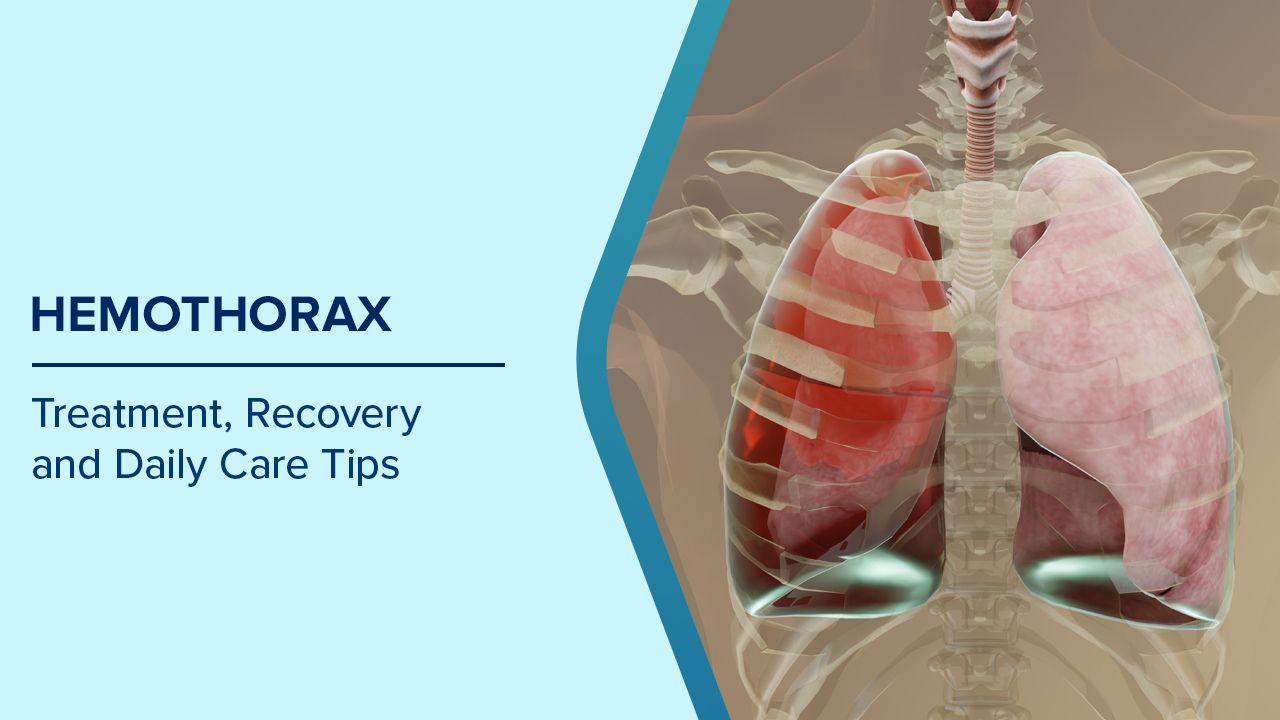
Hemothorax is a serious medical condition in which blood accumulates in the pleural space between the lung and chest wall, preventing the lung from expanding properly. This potentially life-threatening situation most commonly occurs following chest trauma from car accidents, falls, or penetrating injuries; though it can also develop from medical procedures, lung disease, or blood clotting disorders. Facing this diagnosis can be frightening to say the least, but understanding how hemothorax is treated and what recovery looks like can help ease some of that anxiety. This blog will guide you through the key aspects of treatment and the steps involved in recovery. Let’s start by understanding the causes that can lead to hemothorax.
What Causes Hemothorax?
Hemothorax occurs when blood gathers in the pleural space, the area between the lungs and the chest wall. This collection of blood can prevent the lungs from fully expanding, making breathing difficult and potentially leading to serious complications if not treated promptly. The main causes of hemothorax are as follows:
1. Chest Trauma
Chest injuries are the most common cause of hemothorax. These can result from car accidents, falls, or penetrating injuries like stab wounds or gunshot injuries. Trauma can tear blood vessels in the chest or lungs, allowing blood to leak into the pleural space.
2. Medical Procedures and Surgeries
Certain medical interventions can accidentally cause bleeding into the chest. This includes thoracic surgeries, lung biopsies, chest tube insertions, or procedures involving the heart and major blood vessels. Though rare, complications from these procedures can lead to hemothorax.
3. Lung and Pleural Conditions
Underlying lung diseases such as lung cancer, tuberculosis, severe infections, or pulmonary embolism can damage blood vessels and trigger hemothorax. Conditions affecting the pleura, like pleural tumors or inflammation, may also contribute.
4. Blood Disorders
Disorders that affect blood clotting, such as hemophilia, or the use of blood-thinning medications, can increase the risk of spontaneous bleeding into the chest. Patients with low platelet counts or clotting factor deficiencies are particularly vulnerable.
5. Aortic or Vascular Abnormalities
Rarely, hemothorax can result from ruptured blood vessels in the chest, including an aortic aneurysm or other vascular malformations. These cases are often sudden and life-threatening, requiring immediate medical attention.
6. Spontaneous Hemothorax
In some instances, hemothorax can develop without clear trauma or underlying disease. This may occur due to ruptured small blood vessels, cysts in the lungs, or connective tissue disorders that weaken blood vessels.
7. Infections and Inflammatory Conditions
Severe infections in the chest, such as pneumonia complicated by empyema, or inflammatory conditions affecting blood vessels, can occasionally cause bleeding into the pleural space.
How is Hemothorax Treated?
Treating hemothorax involves several steps, depending on the severity of the blood accumulation and the patient’s condition. Doctors focus on stabilising the patient, removing the blood to allow the lungs to expand, and providing additional support to ensure recovery. The treatment process can include different procedures and medications, as explained below:
1. Stabilising the Patient
The first priority is to stabilise the patient, ensuring adequate oxygen levels and blood circulation. This may involve giving supplemental oxygen, intravenous fluids, or blood transfusions if significant blood loss has occurred. Stabilisation is crucial before any further treatment can be safely carried out.
2. Draining the Blood
For most patients, especially those with moderate to large hemothorax, a chest tube (thoracostomy tube) is inserted to drain the accumulated blood from the pleural space. This procedure allows the lung to re-expand and helps prevent infection or other complications. The drained blood is monitored to assess ongoing bleeding.
3. Surgical Intervention
If the bleeding is severe, continues despite chest tube drainage, or if there is damage to blood vessels or lung tissue, surgery may be required. Procedures can include thoracotomy or video-assisted thoracoscopic surgery (VATS) to remove blood, repair injuries, and stop bleeding. Surgery is typically reserved for more serious or complicated cases.
4. Medications and Supportive Care
Pain management is important, as discomfort can interfere with breathing and recovery. Patients may also receive medications to prevent infection and support overall healing. Continuous monitoring in the hospital ensures any complications, such as infection or re-accumulation of blood, are detected and managed promptly.
What Can You Expect During Recovery?
Recovery from hemothorax is a gradual process that happens in stages, and understanding what to expect at each phase can help you stay patient with your body as it heals.
The Hospital Stay
Recovery begins in the hospital, when a chest tube is placed to drain the accumulated blood. This tube might stay in for several days until the drainage decreases to a safe level. During this time, you'll be encouraged to do breathing exercises and move around as soon as possible, even though it might feel uncomfortable. Pain is normal during this phase, but your medical team will work with you to keep it manageable.
The First Few Weeks at Home
Once discharged, expect to feel tired easily and experience some chest discomfort, especially with deep breaths. Your doctor will give you specific restrictions such as avoiding heavy lifting (usually nothing over 10 pounds), driving, or strenuous activities. Focus on short walks, breathing exercises with your incentive spirometer, and plenty of rest. You'll have follow-up appointments and chest X-rays to monitor your progress.
Weeks 4-6 and Beyond
Most people notice they can do more without getting winded or experiencing pain during this period. Your energy improves, and you'll gradually increase activities based on your doctor's guidance. Full recovery might take two to three months for severe cases or those requiring surgery. Listen to your body and don't rush it.
Recovering from hemothorax can be stressful, and it is normal to feel anxious or fatigued. Support from family, friends, or counselling services can help patients cope with emotional challenges during recovery.
What are Some Daily Care Tips that May Help in Recovery?
Taking care at home plays a huge role in how smoothly recovery goes. These practical daily habits can help speed up healing, prevent complications, and improve comfort as the body repairs itself.
1. Breathing Exercises are Non-Negotiable
The lungs need help re-expanding fully after hemothorax, which is why breathing exercises aren't optional. Using an incentive spirometer at least 10 times every hour while awake is essential. Taking slow, deep breaths even when uncomfortable is important because shallow breathing can lead to pneumonia or collapsed lung sections. Think of these exercises as physical therapy for the lungs.
2. Move Regularly, But Gently
Staying in bed all day might seem restful, but it actually slows recovery. Taking short walks several times a day, even just around the home, is beneficial. Movement helps prevent blood clots, keeps the lungs clear, and maintains strength. Starting with five minutes and gradually increasing as tolerated is recommended. Lifting anything heavy or reaching overhead should be avoided until cleared by a doctor.
3. Manage Pain Effectively
Taking pain medication as prescribed, not just when pain becomes unbearable, is important. Staying ahead of the pain makes it easier to do breathing exercises and move around. If current pain control isn't working, discussing this with a doctor is better than suffering through it. Holding a pillow against the chest when coughing or moving can provide extra support and comfort.
4. Eat Well to Heal Faster
The body needs fuel to repair itself. Focusing on protein-rich foods like eggs, chicken, fish, beans, and yogurt helps tissue healing. Staying hydrated by drinking plenty of water throughout the day is crucial. If pain medications cause constipation, eating fiber-rich foods and considering a stool softener can help. Poor appetite is common after a medical crisis, but eating smaller, frequent meals works when large portions feel overwhelming.
5. Care for Incisions
For those who had surgery, keeping incisions clean and dry is important. Following the doctor's specific wound care instructions, watching for signs of infection like increased redness, warmth, swelling, or drainage, and avoiding submersion in baths or pools until cleared are essential steps. Patting the area dry gently after showering is recommended.
6. Get Restful Sleep
Many patients find sleeping propped up on pillows or in a recliner more comfortable than lying flat. Experimenting with positions to find what works best for breathing and pain level can help. Needing more sleep than usual shouldn't be surprising, healing is exhausting work for the body.
7. Track Progress
Keeping a simple log of symptoms, activity level, and concerns helps notice improvements over time and provides specific information to share at follow-up appointments. Sometimes progress feels slow day-to-day, but looking back over a week or two can show how much improvement has occurred.
How Can You Support a Loved One With Hemothorax?
Recovering from hemothorax can be physically and emotionally challenging, and having supportive family or friends can make a significant difference. There are practical ways to help your loved one manage daily tasks, follow medical advice, and stay motivated during recovery. The following strategies outline how caregivers can provide meaningful support.
1. Assist with Daily Activities
Simple tasks like preparing meals, helping with light chores, or running errands can reduce strain on the patient. Encourage gradual independence but step in when physical limitations make tasks difficult.
2. Encourage Breathing Exercises and Gentle Movement
Remind your loved one to perform prescribed breathing exercises and short walks around the home. Your encouragement can help them stay consistent and reduce the risk of complications.
3. Monitor Symptoms and Progress
Keep an eye on any changes in breathing, pain, or overall condition. Noting improvements or concerns can help doctors adjust care plans promptly.
4. Provide Emotional Support
Recovery can be stressful, and anxiety or frustration is normal. Listen actively, offer reassurance, and help them stay positive. Encouraging patience with the healing process can reduce stress and support recovery.
5. Help With Medication and Appointments
Assist in keeping track of medications, dosages, and timing, and ensure follow-up appointments are attended. This helps maintain consistency in care and prevents complications.
Consult Today
Recovering from hemothorax takes time and patience, but with the right treatment and care, most people make a full recovery and return to their normal lives. If you're experiencing chest pain, difficulty breathing, or have concerns about your recovery, don't wait to seek help. The pulmonologists and thoracic surgeons at Max Hospital specialise in treating chest conditions like hemothorax and can provide you with care tailored to your specific situation. Reach out to schedule a consultation and get the support you need to heal properly and regain your health.
Frequently Asked Questions
Can hemothorax come back after treatment?
Recurrence is uncommon once properly treated, but it can happen if the underlying cause isn't addressed or if there's another injury to the chest.
Will there be permanent lung damage?
Most people recover full lung function with prompt treatment. However, delayed treatment or complications like infection can sometimes lead to scarring or reduced lung capacity.
When can normal exercise or sports be resumed?
This varies by individual, but most doctors recommend waiting at least 6-8 weeks before returning to vigorous exercise. Contact sports may require a longer recovery period and medical clearance.
Is flying safe after hemothorax?
Air travel is generally safe once the chest tube is removed and the lung has fully re-expanded, but it's best to wait at least 2-4 weeks and get clearance from a doctor before flying.
Will there be visible scars after surgery?
If a chest tube or surgery was needed, there will be scars. Chest tube scars are typically small (about 1-2 inches), while surgical scars depend on the procedure performed.
Can hemothorax affect the other lung?
Hemothorax typically affects only one side, but severe cases can impact overall breathing and put strain on both lungs.
Are there long-term dietary or lifestyle changes needed?
Once fully recovered, most people can return to their normal diet and lifestyle without restrictions, unless the hemothorax was caused by an underlying condition that requires ongoing management.
How soon can someone return to work?
This depends on the job type. Desk jobs may be possible after 2-4 weeks, while physically demanding work may require 6-8 weeks or longer.
Can hemothorax be detected with a regular check-up?
Not usually. Hemothorax develops suddenly and requires specific imaging like chest X-rays or CT scans to diagnose. It won't show up in routine blood tests or physical exams unless symptoms prompt further investigation.
Is it safe to sleep on the affected side?
Initially, sleeping on the affected side may be uncomfortable or even painful. Most people naturally avoid it. As healing progresses, sleeping positions become more flexible, but always follow what feels comfortable.
Does cold weather or altitude affect recovery?
Cold air can sometimes make breathing feel more difficult during recovery, so bundling up and breathing through a scarf can help. High altitudes may also strain healing lungs, so avoiding mountain travel during early recovery is advisable.
Written and Verified by:

Related Blogs

Dr. Inder Mohan Chugh In Pulmonology
Nov 08 , 2020 | 3 min read

Medical Expert Team
Jun 06 , 2015 | 2 min read
Blogs by Doctor

5 Reasons Why Smoking is Bad For Your Lungs
Dr. Praveen Kumar Pandey In Pulmonology
Nov 29 , 2016 | 2 min read

What is Idiopathic Pulmonary Fibrosis (IPF): Symptoms, Diagnosis & Management
Dr. Praveen Kumar Pandey In Pulmonology
Oct 28 , 2024 | 1 min read
Most read Blogs


Related Blogs
Dr. Inder Mohan Chugh In Pulmonology
Nov 08 , 2020 | 3 min read
Medical Expert Team
Jun 06 , 2015 | 2 min read
Blogs by Doctor
5 Reasons Why Smoking is Bad For Your Lungs
Dr. Praveen Kumar Pandey In Pulmonology
Nov 29 , 2016 | 2 min read
What is Idiopathic Pulmonary Fibrosis (IPF): Symptoms, Diagnosis & Management
Dr. Praveen Kumar Pandey In Pulmonology
Oct 28 , 2024 | 1 min read
Most read Blogs