 WhatsApp Us (24/7)
 +91 926 888 0303 (24/7)


To Book an Appointment
Call Us+91 926 888 0303Lower Respiratory Tract Infection: Signs, Causes, and When to Consult a Doctor
By Dr Manish Kumar Aggarwal in Pulmonology
Oct 15 , 2026

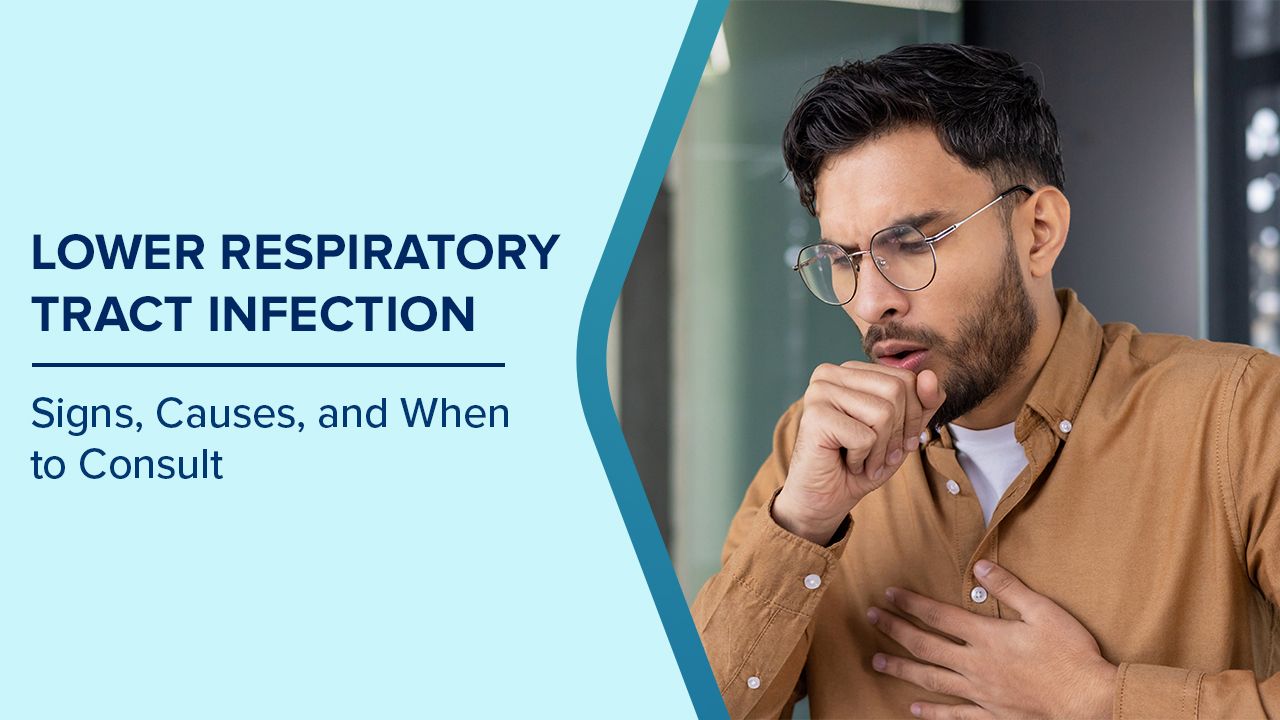
Lower respiratory tract infections, commonly known as LRTIs, affect the deeper parts of our breathing system, including the lungs, bronchi, and bronchioles. The symptoms are quite common with those of the common cold, which might lead to delays in seeking medical care. So, if you're experiencing a persistent cough that won't go away, feeling unusually short of breath, or caring for a loved one with respiratory symptoms, knowing what to watch for is crucial. This guide will walk you through the telltale signs of lower respiratory tract infections, explore their common causes, and help you understand when it's time to pick up the phone and call your doctor. Let's start with the basics.
What is a Lower Respiratory Tract Infection?
A lower respiratory tract infection is an infection that affects the deeper parts of the respiratory system. These infections can make it harder to breathe normally and often cause symptoms such as persistent cough, chest discomfort, shortness of breath, and fatigue.
The most common types of LRTIs include:
- Bronchitis: Inflammation of the bronchi, leading to cough and mucus production.
- Pneumonia: Infection of the lungs’ air sacs, often causing fever, chest pain, and breathing difficulty.
- Bronchiolitis: Inflammation of the smaller airways, more common in infants and young children.
These infections can interfere with normal lung function, making breathing less efficient and placing extra strain on the body. LRTIs can range from mild infections that are manageable at home to more severe conditions that require prompt medical care.
What Causes Lower Respiratory Tract Infection?
Lower respiratory tract infections occur when the delicate tissues of the lungs and airways are attacked by harmful microorganisms or affected by factors that weaken the respiratory system. The following are the most common causes:
1. Viral Infections
Viruses are the most frequent cause of LRTIs. They enter the respiratory system through droplets from coughs or sneezes or by touching contaminated surfaces and then the nose or mouth. Common viruses include influenza, respiratory syncytial virus (RSV), and adenoviruses. Viral infections inflame the airways and lung tissue, often leading to persistent cough and difficulty breathing.
2. Bacterial Infections
Bacteria can infect the lungs and airways, sometimes after a viral infection has weakened the body’s natural defences. Streptococcus pneumoniae, Haemophilus influenzae, and Mycoplasma pneumoniae are common culprits. Bacterial infections are often more severe and may require medical evaluation for appropriate treatment.
3. Fungal Infections (Rare)
Fungal infections are less common but can occur in individuals with weakened immune systems. People with chronic illnesses or compromised immunity are more vulnerable, and fungal LRTIs often require specialised medical care.
4. Environmental and Lifestyle Factors
Exposure to air pollutants, cigarette smoke, or occupational irritants can weaken the lungs and increase susceptibility to infection. Crowded living conditions or poor ventilation also raise the risk, as does a weakened immune system due to poor nutrition or other health factors.
5. Pre-existing Health Conditions
Chronic conditions such as asthma,COPD, diabetes, or heart disease can reduce the body’s ability to fight infections. People with these conditions are more likely to develop LRTIs and may face more serious complications if the infection is not addressed promptly.
Who is at Higher Risk?
Lower respiratory tract infections can affect anyone, but some people are more likely to develop them or experience severe symptoms. The following groups are particularly at higher risk:
- Young Children: Children under five have developing immune systems that are not fully capable of defending against infections. Their smaller airways make it harder to breathe when the lungs or bronchi are affected, increasing the risk of complications.
- Older Adults: People over 60 often experience a natural decline in immune function and may have chronic health conditions that make them more susceptible. Age-related changes in lung function can slow recovery and make infections more severe.
- People with Chronic Health Conditions: Conditions such as asthma, chronic obstructive pulmonary disease, diabetes, heart disease, or kidney problems can compromise the body’s ability to fight infections. People with these conditions are more likely to develop severe lower respiratory tract infections.
- Weakened Immune Systems: People with weakened immunity due to medications, cancer treatment, or other medical conditions are at higher risk. A reduced immune response can allow infections to progress rapidly and increase the likelihood of complications.
- Lifestyle and Environmental Factors: Exposure to cigarette smoke, air pollution, crowded living conditions, or poor nutrition can make the lungs more vulnerable. These factors irritate the airways and reduce the body’s ability to resist infections effectively.
Common Signs and Symptoms of Lower Respiratory Tract Infection
Lower respiratory tract infections affect the lungs and airways, which can lead to symptoms that impact breathing and overall comfort. The most common symptoms include:
- Persistent Cough: A cough that lasts longer than usual and may produce mucus or phlegm. This is often the first noticeable symptom and can indicate inflammation in the airways or lungs.
- Shortness of Breath: Difficulty breathing or feeling unusually breathless, even during routine activities, occurs when the lungs are unable to move air efficiently.
- Chest Discomfort or Pain: A feeling of heaviness, tightness, or mild pain in the chest can result from inflammation of the airways and lung tissue.
- Fever and Chills: An elevated body temperature is a common response to infection, often accompanied by shivering or a sense of cold.
- Fatigue or Weakness: The body uses extra energy to fight the infection, leading to unusual tiredness and reduced ability to perform daily tasks.
- Wheezing or Noisy Breathing: A high-pitched whistling sound or unusual noise while breathing can indicate narrowed or inflamed airways.
- Increased Mucus Production: The lungs and bronchi may produce more mucus than usual, which can be thick, coloured, or accompanied by a bad taste in the mouth.
Treatment Approaches for Lower Respiratory Tract Infection
Once a lower respiratory tract infection has been diagnosed, treatment focuses on relieving symptoms, targeting the infection if needed, and supporting recovery. The approaches vary depending on the cause and severity:
1. Antibiotic Therapy for Bacterial Infections
When the infection is bacterial, doctors prescribe antibiotics specifically chosen to target the responsible bacteria. Completing the full course of antibiotics is essential, even if symptoms improve early, to prevent the infection from returning or developing resistance. In some cases, the type or duration of antibiotics may be adjusted based on the patient’s response or the presence of other health conditions.
2. Supportive Care for Viral Infections
Most viral LRTIs do not require antibiotics. Instead, treatment focuses on helping the body fight the virus and reducing discomfort. Supportive care includes:
- Rest: Giving the body enough rest allows the immune system to work efficiently.
- Hydration: Drinking plenty of fluids helps keep mucus thin, making it easier to clear from the lungs.
- Fever and Pain Management: Over-the-counter medications may be used to reduce fever, ease chest discomfort, and relieve body aches.
3. Oxygen and Breathing Support
In moderate to severe infections, the lungs may struggle to provide adequate oxygen to the body. Doctors may recommend:
- Supplemental Oxygen: Delivered through nasal prongs or masks to maintain safe oxygen levels.
- Respiratory Therapy: Techniques or devices to help improve lung function, clear mucus, and ease breathing.
Early intervention ensures that oxygen levels remain stable and prevents complications.
4. Symptom Management
Additional treatments can be used to manage specific symptoms and improve comfort during recovery. These may include:
- Cough Relief: Medications or inhalers to ease persistent cough or reduce irritation in the airways.
- Chest Congestion Management: Techniques to loosen mucus, such as gentle chest physiotherapy or inhalation therapies.
- Pain Relief: Medicines to reduce chest discomfort or muscle aches caused by coughing or fever.
5. Lifestyle Measures to Support Recovery
Simple lifestyle changes can significantly aid recovery and prevent further irritation:
- Avoiding smoking and exposure to polluted or dusty environments.
- Maintaining a balanced diet to support the immune system.
- Ensuring adequate sleep to allow the body to heal.
- Keeping indoor spaces clean and well-ventilated to reduce exposure to infectious agents.
By combining these approaches, doctors aim to treat the infection effectively, relieve symptoms, and help patients regain full lung function safely and efficiently.
When to See a Doctor?
Lower respiratory tract infections can range from mild to severe. You should consult a doctor if you notice any of the following:
- Persistent or Worsening Cough: A cough that lasts longer than a week, becomes more intense, or produces thick, discoloured, or bloody mucus requires medical evaluation.
- Shortness of Breath or Difficulty Breathing: Feeling unusually breathless during everyday activities, struggling to take a full breath, or noticing rapid or shallow breathing are warning signs that need urgent assessment.
- High Fever or Chills: A persistent fever, especially above 38.5°C, accompanied by chills, can indicate a serious infection that needs medical attention.
- Chest Pain or Discomfort: Pain, tightness, or heaviness in the chest that worsens with breathing, coughing, or movement should be evaluated promptly.
- Worsening Fatigue or Weakness: Extreme tiredness, confusion, or difficulty performing normal tasks may signal that the body is under stress from the infection.
- Symptoms in High-Risk Groups: Young children, older adults, and people with chronic conditions or weakened immunity should seek medical care even for mild symptoms, as infections can progress quickly in these groups.
- Failure to Improve with Home Care: If symptoms do not start to improve within a few days of rest, hydration, and supportive care, it is important to see a doctor to rule out complications or the need for targeted treatment.
Consult Today
Your lungs work tirelessly every single day, and they deserve your attention and care. If you've been experiencing any of the warning signs we've discussed, please don't brush them off as "just a cold" that will pass on its own. If you're unsure whether your symptoms warrant a visit, err on the side of caution. It's always better to get checked out and receive peace of mind than to wait and risk complications. Consult our pulmonologists at Max Hospital who have the expertise to accurately diagnose your condition, identify what's causing the symptoms, and create a personalised treatment plan. Because when it comes to breathing problems, you deserve nothing less than care from the best.
Frequently Asked Questions
Can lower respiratory tract infections spread to other people?
Yes, some LRTIs, especially those caused by viruses or bacteria, can be contagious. They can spread through droplets when an infected person coughs or sneezes, or through contact with contaminated surfaces. Practising good hygiene and avoiding close contact with others during infection can help reduce the risk.
How long does it take to recover from a lower respiratory tract infection?
Recovery time varies depending on the cause, severity, and your overall health. Mild infections may improve within one to two weeks, while more severe infections or bacterial cases may take longer and require medical treatment. Following your doctor’s advice helps speed up recovery.
Can repeated lower respiratory infections indicate an underlying health problem?
Yes, frequent or recurring LRTIs may suggest issues with the immune system, chronic lung conditions, or other health concerns. Consulting a specialist can help identify the cause and recommend steps to prevent future infections.
Are there any home remedies that can help with recovery from LRTIs?
Supportive care at home, such as staying hydrated, getting enough rest, using a humidifier, and avoiding smoke or pollutants, can help the body recover. However, these measures should complement medical treatment, not replace it, especially in bacterial or severe infections.
Is it safe to exercise during a lower respiratory tract infection?
It’s best to rest while your body is fighting the infection. Strenuous activity can put extra strain on the lungs and slow recovery. Light movement or stretching may be fine if approved by your doctor, but listening to your body is important.
Can diet affect recovery from a lower respiratory tract infection?
Yes, eating a balanced diet rich in fruits, vegetables, and fluids supports the immune system and lung health. Avoiding processed foods and excessive sugar can also help your body focus on healing. Your doctor or pulmonologist can give specific dietary advice suited to your condition.
When should children with lower respiratory tract infections be seen by a doctor immediately?
Children should be seen immediately if they experience rapid or laboured breathing, persistent high fever, bluish lips or face, or signs of dehydration. Young children are at higher risk of complications, so early evaluation is crucial.
Written and Verified by:

Related Blogs

Medical Expert Team
Jun 06 , 2015 | 2 min read

Blogs by Doctor

Most read Blogs


Related Blogs
Medical Expert Team
Jun 06 , 2015 | 2 min read
Blogs by Doctor
Most read Blogs