 WhatsApp Us (24/7)
 +91 926 888 0303 (24/7)


To Book an Appointment
Call Us+91 926 888 0303Vomiting in Children: Causes, Diagnosis, Complications, and Treatments
By Dr Shatakshi Awasthi in Paediatrics (Ped)
Oct 07 , 2026

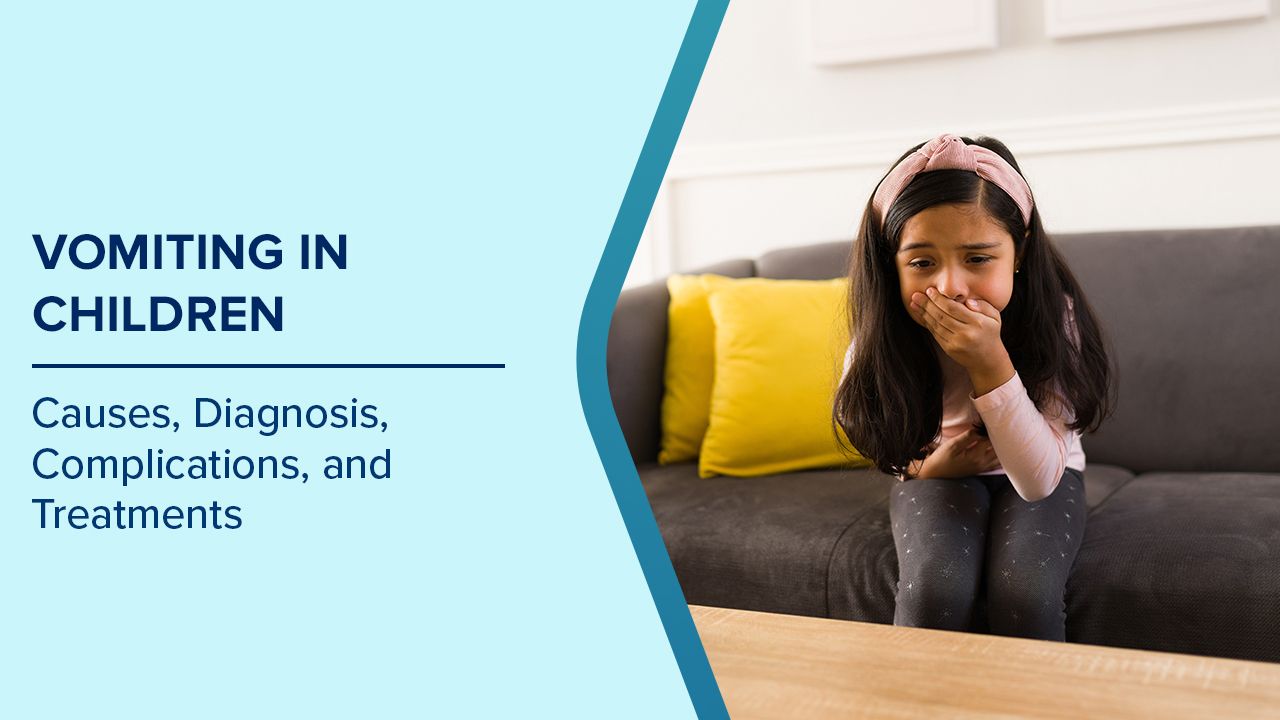
Seeing a child vomit can be upsetting for any parent, especially when it happens repeatedly or without a clear reason. There is often a mix of worry, confusion, and fear about what might be causing it and whether it is something serious. Most of the time, vomiting comes from something minor like a stomach bug. But sometimes, it can point to something more serious that needs a doctor's attention. Knowing what is normal and what is not can ease some of that anxiety and help parents act with more confidence. This blog looks at the common reasons children vomit, how doctors find the cause, the possible complications if it continues, and the treatment options that help children recover safely.
What Causes Vomiting in Children?
Vomiting in children can happen for many reasons, ranging from mild and short-lived problems to conditions that need medical care. These include:
Stomach and Intestinal Infections
Viral infections remain the most common reason children vomit, especially in younger age groups. These infections spread easily through close contact and contaminated surfaces. Vomiting may start suddenly and is often followed by loose stools, fever, poor appetite, and tiredness. Bacterial infections can also cause vomiting and may lead to more severe symptoms such as high fever, abdominal pain, or blood in stools.
Food Poisoning and Food Intolerance
Food poisoning occurs after eating food contaminated with germs or toxins and usually leads to rapid onset vomiting, sometimes within hours. Food intolerance causes vomiting without infection and may be linked to bloating, gas, or discomfort after eating certain foods. Repeated episodes after the same food often point in this direction.
Digestive System Conditions
Problems within the digestive tract can interfere with normal stomach emptying or irritate the stomach lining. Conditions such as acid reflux, gastritis, intestinal blockage, or constipation may cause vomiting, especially when symptoms keep returning or worsen over time.
Motion Sickness
Motion sickness happens when the brain receives mixed signals from the eyes and inner ear. Children may feel nauseated during travel and vomit, often with dizziness or sweating. Symptoms usually stop once the movement ends.
Stress, Anxiety, and Emotional Factors
Emotional stress can affect the gut, particularly in school-aged children. Anxiety related to school, exams, or changes at home may lead to repeated vomiting without obvious physical illness. These episodes often occur at specific times and settle when the trigger is addressed.
Infections Outside the Digestive System
Vomiting is not always caused by stomach problems. Infections such as ear infections, urinary infections, or chest infections can trigger vomiting, especially in younger children. Fever and other symptoms usually guide the diagnosis.
Brain and Nervous System Causes
Conditions affecting the brain can lead to vomiting due to increased pressure or irritation. Head injury, migraines, and certain neurological conditions may cause vomiting along with headache, drowsiness, or changes in behaviour. These causes need urgent medical evaluation.
Metabolic and Hormonal Causes
Vomiting may occur when there is an imbalance in the body’s chemistry. Low blood sugar, electrolyte imbalance, or inherited metabolic conditions can cause repeated vomiting, poor feeding, and weakness, particularly in infants.
Medication and Toxin Exposure
Some medicines may irritate the stomach or trigger nausea. Accidental ingestion of household chemicals, plants, or medications can also cause sudden vomiting and requires immediate medical attention.
When Should Vomiting be a Cause for Concern?
Vomiting should be treated as a concern if any of the following signs are noticed, as they may point to dehydration, infection, or a more serious underlying problem:
- Vomiting lasts longer than expected: continues beyond 24 hours in older children or persists for several hours in infants, especially without any improvement
- Child cannot retain fluids: vomiting follows every feed or sip of water, increasing the risk of dehydration
- Clear signs of dehydration:dry mouth and tongue, very little or dark-coloured urine, sunken eyes, no tears during crying, cold hands or feet, or unusual drowsiness
- Severe or ongoing stomach pain: pain that does not settle, causes persistent crying, or is linked with a swollen or hard abdomen
- High fever or marked tiredness: vomiting with fever, extreme weakness, poor responsiveness, or difficulty waking the child
- Vomiting after a head injury: any vomiting following a fall or blow to the head needs prompt medical review
- Abnormal vomit colour or content: blood, coffee-ground like material, or greenish fluid in the vomit
- Sudden, forceful vomiting: repeated, projectile vomiting, particularly in infants
- Poor feeding or weight loss: reduced appetite, refusal to feed, or noticeable weight loss over time
- Repeated episodes over time: vomiting that keeps returning over days or weeks, even if the child appears well between episodes
These warning signs help parents decide when medical care is needed to protect the child’s health and prevent complications.
How is the Cause of Vomiting Diagnosed?
Finding the cause of vomiting in children usually involves a step-by-step assessment rather than jumping straight to tests. Doctors focus first on understanding the full picture, then decide if investigations are needed based on how the child is doing.
Medical History
The doctor starts by asking about the vomiting itself, when it began, how often it happens, and if it is linked to feeds, meals, or travel. Parents may be asked about fever, loose stools, stomach pain, headache, recent infections, injuries, or contact with someone who has been unwell. Questions about appetite, fluid intake, urination, and weight changes help assess hydration and overall health. Previous similar episodes and any long-term conditions also matter.
Physical Examination
A physical examination helps judge the child’s current condition. The doctor checks temperature, heart rate, and signs of dehydration such as dry mouth or reduced urine output. The abdomen is gently examined for tenderness, bloating, or guarding. The throat, ears, and chest may also be checked to look for infections that can trigger vomiting. If there are concerns about sleepiness, headache, or unusual behaviour, a brief neurological assessment is done.
Blood Tests
Blood tests are used when vomiting is persistent, severe, or linked with other warning signs. These tests help identify infection, dehydration, electrolyte imbalance, and low blood sugar. In some cases, they also help assess liver or kidney function.
Urine Tests
Urine tests help detect urinary infections and give an idea of hydration status. In babies and younger children, this test is especially helpful since vomiting may be one of the few visible symptoms of infection.
Stool Tests
Stool tests are advised when vomiting is accompanied by diarrhoea, fever, or blood in stools. They help identify gut infections, especially when symptoms last longer than expected or are severe.
Imaging Tests
Imaging is done only when a structural problem is suspected. Ultrasound is commonly used to assess abdominal pain, bowel blockage, or appendicitis. X-rays may be used to look for obstruction or swallowed objects. Brain imaging is considered if vomiting follows a head injury or is associated with neurological symptoms such as severe headache or confusion.
How is Vomiting in Children Treated?
Treatment for vomiting in children focuses on keeping the child comfortable, preventing dehydration, and addressing the underlying cause. The approach depends on the child’s age, the severity of symptoms, and what is causing the vomiting.
Care at Home
Many children with mild vomiting recover well with simple care at home. The aim is to support the child’s body as it settles and to watch closely for any signs that need medical attention.
- Offer fluids slowly: give small sips at regular intervals rather than large amounts at once to reduce the chance of further vomiting
- Choose the right fluids: oral rehydration solutions are preferred as they replace lost fluids and salts more effectively than plain water
- Continue feeding when possible: infants can usually continue breastfeeding or formula feeding, with shorter and more frequent feeds if needed
- Allow rest: encourage the child to rest and avoid active play until vomiting settles
- Keep the child upright: sitting or keeping the head elevated after feeds can help reduce nausea
- Avoid strong smells and heavy foods: these can trigger nausea and make vomiting worse
- Watch for warning signs: reduced urination, dry mouth, increasing tiredness, or vomiting that does not settle should prompt medical advice
Fluid and Rehydration Support
Replacing lost fluids is one of the most important parts of treatment. Oral rehydration solutions are often recommended because they replace both water and salts lost during vomiting. These are given slowly and regularly, even if the child takes only a few sips at a time. If vomiting continues or dehydration develops, fluids may need to be given through a vein in a hospital setting.
Dietary Management
Once vomiting begins to ease, food can be reintroduced gradually. Light, bland foods are better tolerated at first. Heavy, spicy, or oily foods can irritate the stomach and are avoided until recovery is complete. A normal diet is resumed as the child’s appetite and tolerance improve.
Medical Treatment
In some cases, medicines may be prescribed to help control vomiting or treat the underlying problem. This is usually considered when vomiting is frequent, persistent, or linked with other symptoms such as fever or pain. The choice of treatment depends on the cause and the child’s overall condition.
Treatment of the Underlying Cause
When vomiting is due to a specific condition, treatment is directed at that cause. Infections, digestive problems, or other medical issues are managed accordingly. Addressing the root cause helps prevent further episodes.
Possible Complications of Vomiting in Children
Persistent or severe vomiting in children can lead to a range of complications, some of which may affect hydration, nutrition, or overall health. These include:
1. Dehydration
Dehydration is the most common complication of repeated vomiting. Children, especially infants and toddlers, lose fluids quickly, which can affect normal body functions. Signs to watch for include very little urine, dark-coloured urine, dry mouth and lips, sunken eyes, lethargy, irritability, and dizziness. Severe dehydration may require hospital treatment with fluids given intravenously to restore balance.
2. Electrolyte Imbalance
Vomiting causes the loss of essential salts such as sodium, potassium, and chloride. An imbalance in these electrolytes can lead to muscle weakness, cramps, fatigue, confusion, and in severe cases, irregular heart rhythms. This is more likely when vomiting is frequent or persists over several days without proper fluid replacement.
3. Poor Nutrition and Weight Loss
Ongoing vomiting can reduce appetite and make feeding difficult. Over time, this may lead to inadequate nutrition and slow weight gain, particularly in infants and younger children who rely on frequent feeds for growth. Prolonged episodes may also affect overall energy levels and development.
4. Aspiration Risk
Vomiting carries the risk of vomit entering the lungs, especially in very young children, infants, or children who are drowsy or have swallowing difficulties. This can lead to breathing problems, coughing, or lung infections such as aspiration pneumonia, which requires immediate medical attention.
5. Irritation to the Throat, Food Pipe, and Teeth
Repeated vomiting exposes the throat and food pipe to stomach acid, causing irritation, soreness, and discomfort. In children who vomit frequently, enamel on teeth may erode over time, leading to dental issues and sensitivity.
6. Worsening of Underlying Conditions
Persistent vomiting without identifying the cause can allow an underlying health problem to progress. Conditions such as infections, digestive disorders, or metabolic problems may worsen, making timely diagnosis and treatment crucial to avoid serious complications.
What Can Parents Do to Prevent Vomiting Episodes?
Parents can take steps to reduce the risk of episodes and support their child’s overall digestive health:
- Maintain good hygiene: Encourage regular handwashing, especially before meals and after using the toilet, to reduce the risk of infections that cause vomiting.
- Practice safe food habits: Store and cook food properly, avoid giving expired or undercooked food, and introduce new foods gradually to watch for intolerance.
- Monitor for motion sickness: For children prone to motion sickness, encourage breaks during travel, avoid heavy meals just before journeys, and keep the child looking at a fixed point outside.
- Encourage gradual feeding: Avoid overfeeding, particularly in infants, and allow the child to eat small, frequent meals instead of large portions.
- Limit exposure to sick children: During outbreaks of stomach viruses or infections at school or playgroups, reduce close contact when possible.
- Manage stress and anxiety: Ensure children get enough rest and support during stressful situations such as school exams or changes in routine, as emotional triggers can sometimes lead to vomiting.
- Keep vaccinations up to date: Vaccines such as rotavirus help prevent infections that commonly cause vomiting in young children.
- Avoid sudden exposure to strong smells or irritants: Perfumes, smoke, or strong cooking smells can sometimes trigger nausea in sensitive children.
These measures cannot prevent all causes of vomiting, but they help reduce risks and make episodes less severe when they do occur.
Consult Today
When a child is unwell and vomiting, it's natural for parents to feel worried and want to do everything possible to help them feel better. Trust your instincts. If something doesn't feel right, if you're concerned, or if the vomiting continues, don't hesitate to seek professional help. The pediatricians at Max Hospital are here to support families through these challenging moments. They have the experience and expertise to diagnose the underlying cause, provide effective treatment, and give you the clarity needed to help a sick child recover. Schedule a consultation today and let our team provide the expert care your child deserves and the peace of mind you need.
Frequently Asked Questions
How long does vomiting usually last in children?
In many cases, vomiting settles within a day or two, especially when linked to minor infections or food-related issues. If it continues beyond this or keeps returning, a medical review is advised.
Can a child go to school or daycare after vomiting?
A child should stay home until vomiting has completely stopped and they feel well enough to eat and drink normally. This also helps prevent spreading infections to other children.
Is vomiting always linked with diarrhoea in children?
No. Vomiting can occur on its own without diarrhoea. The presence or absence of other symptoms often helps doctors understand the cause.
Should parents wake a child at night to give fluids after vomiting?
If the child is sleeping comfortably and has been drinking fluids during the day, waking them is usually not needed. Persistent vomiting or signs of dehydration should be discussed with a doctor.
Can teething cause vomiting in infants?
Teething may lead to drooling or mild discomfort, but it does not directly cause repeated vomiting. Vomiting during this period should be assessed for other causes.
Does vomiting mean the child has a weak stomach?
Vomiting is a symptom, not a sign of weakness. Children’s digestive systems are still developing, which makes them more sensitive to infections and other triggers.
Can vomiting happen without nausea in children?
Yes. Younger children may vomit suddenly without being able to describe nausea. Behaviour changes, feeding refusal, or irritability may be the only warning signs.
Is it normal for vomiting to occur only at night or early morning?
Vomiting at specific times can sometimes point to certain triggers. Repeated episodes at the same time of day should be discussed with a doctor for proper evaluation.
Can vomiting affect a child emotionally?
Repeated episodes may cause anxiety or fear around eating or going to school. Reassurance and addressing the underlying cause can help ease this distress.
Written and Verified by:

Related Blogs

Dr. Nidhi Rawal In Paediatrics (Ped)
Nov 13 , 2020 | 2 min read

Blogs by Doctor
Most read Blogs


Related Blogs
Dr. Nidhi Rawal In Paediatrics (Ped)
Nov 13 , 2020 | 2 min read
Blogs by Doctor
Most read Blogs