 WhatsApp Us (24/7)
 +91 926 888 0303 (24/7)


To Book an Appointment
Call Us+91 926 888 0303Bone Loss in Women: Early Signs, Causes & Prevention
By Dr. Kamna Nagpal in Infertility & IVF , Obstetrics And Gynaecology
Sep 28 , 2026

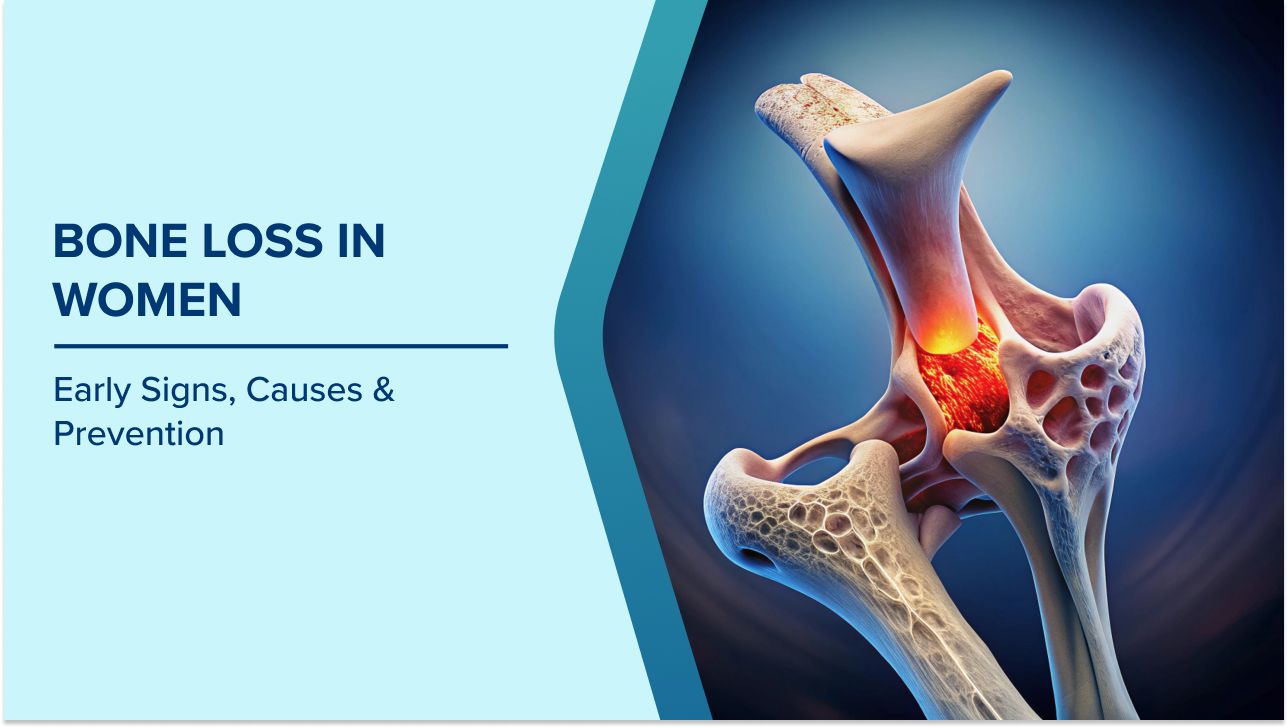
Bone health in women is often associated with aging and menopause, but bone loss can begin much earlier than many women realize. Factors such as hormonal changes, calcium and Vitamin D deficiency, poor nutrition, lack of physical activity, and lifestyle habits can gradually weaken bones over time. The challenge is that early bone loss usually develops silently, without noticeable symptoms, until fractures or significant weakness occur. Understanding osteoporosis risk and focusing on bone loss prevention early can help women maintain stronger bones, better mobility, and improved long-term health.
Why Bone Health Is Important for Women
Bones do much more than support the body. They protect organs, store minerals, support movement, and play an important role in overall health. Healthy bones help women maintain:
- Strength and balance
- Mobility and independence
- Good posture
- Reduced fracture risk
- Better quality of life with aging
Women are naturally at higher risk of osteoporosis and weak bones compared to men because they generally have lower bone mass to begin with. Hormonal changes throughout life can also accelerate bone loss.
Bone strength is built during younger years, making early prevention extremely important.
Can Bone Loss Start Earlier Than Menopause?
Many people assume osteoporosis only becomes a concern after menopause. However, bone density decline can begin much earlier, sometimes in the 30s or even sooner depending on lifestyle and health factors.
- Hormonal Fluctuations: Estrogen plays a major role in protecting bone strength. Even subtle hormonal shifts before menopause may gradually affect bone density.
- Nutritional Deficiencies: Long-term low intake of calcium, protein, and Vitamin D can weaken bones over time.
- Sedentary Lifestyle: Bones become stronger when they are regularly used and stressed through movement and exercise. Lack of physical activity may contribute to weaker bones.
- Chronic Dieting and Low Body Weight: Women who frequently diet or have low body weight may not get enough nutrients necessary for healthy bone maintenance.
Early bone loss often develops silently, making awareness especially important.
Common Causes of Weak Bones in Women
Calcium Deficiency
Calcium is one of the most important minerals for bone health. Calcium deficiency symptoms may include:
- Muscle cramps
- Weakness
- Brittle nails
- Tingling sensations
- Bone discomfort
Poor dietary intake over many years can reduce bone strength.
Vitamin D Deficiency
Vitamin D helps the body absorb calcium properly. Vitamin D deficiency in women is increasingly common due to:
- Limited sunlight exposure
- Indoor lifestyles
- Sunscreen overuse
- Poor dietary intake
Low Vitamin D levels may contribute to:
- Bone pain
- Muscle weakness
- Fatigue
- Increased fracture risk
Hormonal Changes
Hormones strongly influence bone metabolism. Conditions affecting estrogen levels, including:
- Perimenopause
- Menopause
- Irregular menstrual cycles
- PCOS
may affect bone density over time.
Lack of Physical Activity
Weight-bearing movement helps stimulate bone formation. Sedentary habits may contribute to:
- Reduced bone density
- Muscle weakness
- Increased fall risk
Poor Diet and Processed Foods
Highly processed diets may lack:
- Calcium
- Magnesium
- Protein
- Vitamin D
Excess salt and sugary beverages may also negatively affect bone health.
Smoking and Excess Alcohol
Smoking and excessive alcohol use can interfere with bone formation and calcium absorption. These habits may increase osteoporosis risk significantly over time.
Early Signs of Weak Bones Women Often Ignore
Weak bones symptoms are often subtle in the early stages. Many women dismiss them as stress, aging, or general fatigue.
- Frequent Back Pain: Persistent back discomfort may sometimes indicate weakened spinal bones or posture changes related to bone loss.
- Poor Posture: Stooping or gradual height loss can occur as spinal bones weaken.
- Frequent Body Aches: Ongoing muscle and bone discomfort may sometimes be linked to nutritional deficiencies affecting bone strength.
- Brittle Nails: Weak or brittle nails may occasionally signal calcium or nutritional deficiencies.
- Muscle Weakness: Reduced muscle strength may increase fall risk and affect bone stability.
- Fractures After Minor Injuries: Breaking a bone after a simple fall or mild injury may indicate reduced bone density.
These symptoms should not always be ignored, especially if they persist.
Osteoporosis in Women: Why the Risk Is Higher
Osteoporosis in women is more common because hormonal and biological factors directly affect bone density. Risk factors include:
- Menopause-related estrogen decline
- Family history of osteoporosis
- Low body weight
- Nutritional deficiencies
- Smoking
- Sedentary lifestyle
- Long-term steroid use
After menopause, bone loss can accelerate rapidly due to falling estrogen levels. Women with smaller body frames may also have lower bone reserves to begin with.
How to Keep Bones Strong Naturally
Building healthy bones for women requires consistent long-term habits.
Calcium-Rich Foods
Calcium supports bone structure and strength. Good sources include:
- Milk
- Yogurt
- Cheese
- Leafy greens
- Sesame seeds
- Almonds
- Fortified foods
Vitamin D and Sunlight
Vitamin D improves calcium absorption. Moderate sunlight exposure and Vitamin D-rich foods may help maintain healthy levels. Some women may require supplements after medical evaluation.
Strength Training and Weight-Bearing Exercise
Exercise is one of the most effective ways to support bone strength naturally. Helpful activities include:
- Walking
- Jogging
- Resistance training
- Stair climbing
- Yoga
- Dancing
Weight-bearing exercise stimulates bone formation and improves balance.
Protein Intake for Bone Strength
Protein supports both muscles and bones. Low protein intake may contribute to weakness and reduced bone repair.
Healthy Lifestyle Habits
To support osteoporosis prevention:
- Avoid smoking
- Limit excess alcohol
- Reduce sedentary time
- Maintain a healthy weight
- Get adequate sleep
- Manage stress levels
Small daily habits can make a major difference over time.
When Should Women Get a Bone Density Test?
A bone density test helps evaluate bone strength and osteoporosis risk. Some women may need earlier screening if they have:
- Family history of osteoporosis
- Early menopause
- Frequent fractures
- Long-term steroid use
- Nutritional deficiencies
- Low body weight
- Chronic medical conditions
Doctors may recommend bone density testing based on symptoms and individual risk factors. Early detection allows earlier intervention and prevention.
Bone Health After 30, 40, and Menopause
Bone Health After 30
Bone density may slowly begin declining after peak bone mass is reached. Priorities include:
- Nutrition
- Exercise
- Vitamin D
- Preventive habits
Bone Health After 40
Hormonal changes may gradually become more noticeable. Women should pay closer attention to:
- Muscle strength
- Bone-supporting nutrition
- Regular health checkups
Bone Health After Menopause
Estrogen decline significantly increases osteoporosis risk. At this stage, bone health monitoring becomes especially important to reduce fracture risk and maintain mobility.
Why Early Prevention Matters More Than Treatment
Bone loss often progresses silently for years before symptoms appear. Unfortunately, many women only discover weakened bones after fractures occur. Untreated bone weakness may lead to:
- Hip fractures
- Spine fractures
- Chronic pain
- Reduced mobility
- Loss of independence
Prevention is often more effective than trying to reverse advanced bone loss later. Early awareness allows women to strengthen bones before serious complications develop.
Conclusion
Bone health in women deserves attention much earlier than most people expect. Bone loss can begin silently years before menopause, influenced by hormonal changes, nutritional deficiencies, sedentary lifestyles, and other health factors. Because symptoms often appear late, early prevention is essential. Prioritizing calcium intake, Vitamin D, regular exercise, healthy lifestyle habits, and timely medical evaluation can help protect long-term bone strength and mobility. Rather than waiting for symptoms or fractures to occur, women should take proactive steps toward bone health early to support healthier aging and better overall well-being.
Frequently Asked Questions
At what age do women start losing bone density?
Bone density may begin gradually declining in the 30s, although the rate varies depending on hormones, nutrition, genetics, and lifestyle habits.
Can exercise improve bone strength naturally?
Yes, weight-bearing and resistance exercises help stimulate bone formation, improve balance, and reduce fracture risk.
Is Vitamin D deficiency linked to weak bones?
Yes, vitamin D helps the body absorb calcium properly. Low levels may increase the risk of bone weakness and osteoporosis.
How do doctors check bone health?
Doctors may use bone density testing, blood tests, and medical history evaluation to assess bone strength and fracture risk.
Can thin women have a higher osteoporosis risk?
Yes, women with lower body weight often have lower bone mass, which may increase osteoporosis risk later in life.
Are bone problems reversible in early stages?
Early bone loss may sometimes improve with proper nutrition, exercise, medical management, and lifestyle changes before severe osteoporosis develops.
Written and Verified by:

Related Blogs

Dr. Richa Singh In Infertility & IVF
Nov 08 , 2020 | 2 min read

Dr. Richa Singh In Infertility & IVF
Nov 08 , 2020 | 2 min read
Blogs by Doctor

How Can I Ease My Symptoms of Menopause?
Dr. Kamna Nagpal In Infertility & IVF , Obstetrics And Gynaecology
Apr 28 , 2017 | 3 min read

Most read Blogs


Related Blogs
Dr. Richa Singh In Infertility & IVF
Nov 08 , 2020 | 2 min read
Dr. Richa Singh In Infertility & IVF
Nov 08 , 2020 | 2 min read
Blogs by Doctor
How Can I Ease My Symptoms of Menopause?
Dr. Kamna Nagpal In Infertility & IVF , Obstetrics And Gynaecology
Apr 28 , 2017 | 3 min read
Most read Blogs