 WhatsApp Us (24/7)
 +91 926 888 0303 (24/7)


To Book an Appointment
Call Us+91 926 888 0303Eye Infections Explained: Causes, Symptoms, and Treatment Options
By Dr. Anita Sethi in Eye Care / Ophthalmology
Nov 10 , 2026
1

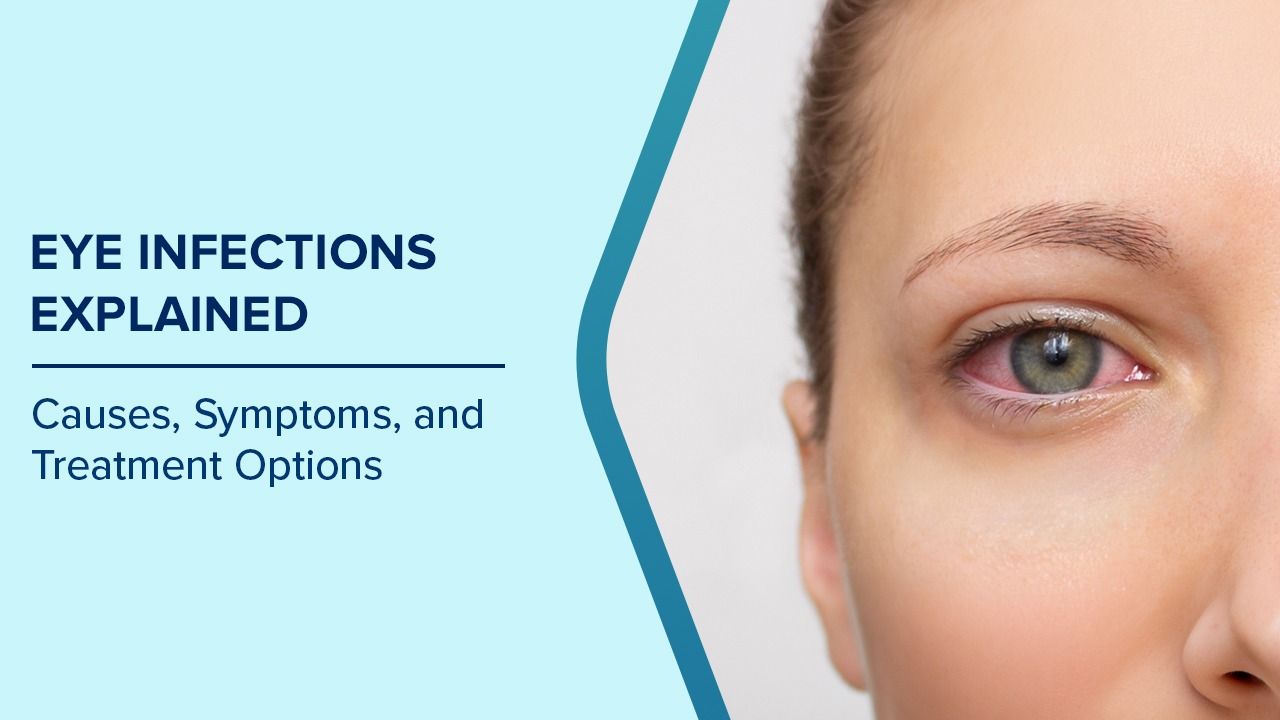
Throughout the day, the eyes come into contact with dust, germs, and other irritants, making them prone to developing infections. These infections can lead to symptoms such as redness, discharge, or discomfort, which may affect vision and cause difficulty while reading, using screens, or going out in bright light. While some eye infections spread easily from person to person, especially in crowded places or through shared items, others may develop due to minor eye injuries or contact lens use. If not treated in time, these infections can worsen or lead to further complications. This blog explores what causes an eye infection, the signs to look out for, and how it can be treated. But before delving into all that, it's important to know what “eye infection” really means.
What is an Eye Infection?
An eye infection refers to the invasion and growth of harmful microorganisms, such as bacteria, viruses, fungi, or parasites, in or around the eye. These organisms can affect various parts of the eye, including the conjunctiva (the thin layer covering the white part of the eye), the cornea (the clear front surface), the eyelids, or even deeper structures in more serious cases. Infections often lead to inflammation, which can cause redness, pain, swelling, itching, discharge, and changes in vision.
The severity and type of infection depend on the underlying cause and the part of the eye involved. For example, viral conjunctivitis is highly contagious but usually clears up on its own, whereas bacterial infections may require antibiotic treatment. Infections linked to contact lens use, injury, or a weakened immune system may carry a higher risk of complications.
What are the Common Types of Eye Infections?
Eye infections can affect different parts of the eye, ranging from the surface to deeper layers. Below are some of the most common types of eye infections seen in both children and adults.
Conjunctivitis (Pink Eye)
Conjunctivitis is one of the most common and easily spread eye infections. It occurs when the thin, clear tissue that lines the white part of the eye and the inside of the eyelids becomes inflamed. This condition is usually caused by a virus or bacteria, though it may also result from allergens or irritants such as smoke or dust. It often leads to redness, irritation, watery or sticky discharge, and itching. In viral or bacterial forms, conjunctivitis can spread quickly, especially in schools or offices.
Stye (Hordeolum)
A stye is a red, painful lump that forms along the edge of the eyelid. It usually develops when bacteria infect one of the oil glands or hair follicles in the eyelid. A stye can cause swelling, tenderness, and sometimes a small collection of pus. It may also make the eye feel sore or irritated. Though uncomfortable, styes are typically not serious and often clear on their own within a few days.
Blepharitis
Blepharitis is a long-lasting condition that affects the edges of the eyelids. It is commonly linked to bacterial growth, blocked oil glands, or skin conditions such as dandruff. People with blepharitis often experience red, itchy, or swollen eyelids, along with flaking or crusting near the lashes. The condition can make the eyes feel dry or gritty and may come and go over time, needing regular eyelid cleaning to keep symptoms under control.
Keratitis
Keratitis is an infection of the cornea, the clear front part of the eye. It can be caused by bacteria, viruses, fungi, or parasites and may be linked to contact lens use, eye injuries, or exposure to unclean water. This condition may lead to pain, redness, light sensitivity, and blurred vision. Keratitis can be serious if not treated promptly, and in some cases, it may lead to scarring that affects vision.
Cellulitis
Cellulitis around the eye is a more serious infection that involves the eyelid or the tissues surrounding the eye. It often starts when bacteria enter through a break in the skin or spread from a nearby sinus infection. There are two main forms: periorbital cellulitis, which affects the eyelid and surrounding skin, and orbital cellulitis, which reaches deeper into the eye socket. Both can cause swelling, pain, and redness, but orbital cellulitis may also lead to vision problems or fever, requiring urgent medical treatment.
Uveitis
Uveitis is the inflammation of the uvea, the middle layer of the eye. It may be caused by infections, injuries, or immune system conditions. The infection can affect one or both eyes and may develop suddenly or gradually. Common symptoms include eye pain, redness, blurred vision, and sensitivity to light. Uveitis can lead to complications such as glaucoma or vision loss if not treated early and managed properly.
What Causes Eye Infections?
Eye infections can develop when microorganisms such as bacteria, viruses, fungi, or parasites come into contact with the eye. Several factors increase the chances of infection, depending on how and where the exposure happens. These include:
- Poor hygiene and contaminated surfaces: Touching the eyes with unwashed hands is one of the most frequent causes of infection. Germs can transfer from doorknobs, phones, towels, or makeup. Rubbing the eyes after such contact increases the risk of introducing bacteria or viruses.
- Improper use of contact lenses: Wearing contact lenses for long hours, sleeping with them on, or not cleaning them properly can lead to serious infections. Using expired solutions or touching lenses with dirty hands adds to the risk.
- Exposure to contaminated water: Swimming in lakes, pools, or hot tubs without protective goggles may expose the eyes to parasites or bacteria. Wearing contact lenses while swimming raises the chances of infection, especially if the cornea is scratched.
- Eye injuries or scratches: Minor injuries from makeup tools, dust, or foreign objects can damage the eye’s surface, allowing germs to enter and cause infection. Even small scratches increase the risk if not treated promptly.
- Spread through close contact: Some infections, such as viral conjunctivitis, are highly contagious. They can spread quickly through shared items, hand-to-eye contact, or exposure to infected tears in settings like schools or offices.
- Underlying health conditions: Medical conditions that weaken the immune system, such as diabetes, may lower the body’s defences, making infections more likely or harder to treat. These infections may also take longer to heal.
What are the Symptoms of an Eye Infection?
The symptoms of an eye infection can vary depending on the cause and the part of the eye affected. Some signs may develop quickly, while others appear gradually. Common symptoms to look out for include:
- Redness in one or both eyes
- Watery eyes or increased tear production
- Itching, irritation, or a burning sensation
- A feeling of something being stuck in the eye
- Swelling of the eyelid or around the eye
- Discharge that may be clear, yellow, or green
- Crusting of the eyelids or lashes, especially after sleep
- Blurred or reduced vision
- Pain or discomfort when blinking or moving the eye
- Sensitivity to light (photophobia)
Mild infections may improve with basic care, but persistent or severe symptoms should be examined by an eye specialist to prevent complications.
How are Eye Infections Diagnosed?
Diagnosing an eye infection involves both a physical examination and, in some cases, simple tests to confirm the cause. This helps in selecting the most effective treatment and preventing further spread or complications.
- Eye examination: The doctor closely checks the eye for signs such as redness, swelling, discharge, or crusting. Questions may be asked about symptoms, how long they have been present, recent contact lens use, or possible exposure to someone with an infection.
- Sample collection: If the cause of infection is not clear or the symptoms are severe, a small sample of eye discharge may be taken using a sterile swab. This is sent to a laboratory to check for bacteria, viruses, or fungi.
- Slit-lamp test: A slit-lamp microscope allows the doctor to examine the surface and deeper parts of the eye, including the cornea and iris. This test is especially useful for identifying infections that may not be visible with the naked eye.
- Additional tests: If the infection does not improve with treatment or keeps returning, more tests may be needed to check for underlying health issues. This may include blood tests or imaging, depending on the symptoms and medical history.
What are the Treatment Options for Eye Infections?
Antibiotic Treatment
Antibiotics are mainly used for bacterial infections such as bacterial conjunctivitis or styes. These are often given in the form of eye drops or ointments that are applied several times a day. In more severe cases, oral antibiotics may also be needed. Symptoms usually begin to improve within a few days, but the full course must be completed to avoid recurrence or resistance.
Antiviral Treatment
Viral infections do not respond to antibiotics. Infections caused by viruses like herpes simplex or varicella zoster may be treated with antiviral eye drops, gels, or oral tablets. The choice depends on how deep the infection is and how badly the eye is affected. Some mild viral infections, such as viral conjunctivitis, are often managed with supportive care, but stronger cases require early antiviral treatment to prevent scarring or long-term vision problems.
Antifungal Treatment
Fungal infections are less common but can be more serious, especially when they involve the cornea. These may occur after an eye injury with soil or plant material, or from contaminated contact lenses. Antifungal eye drops or oral tablets are used over several weeks, depending on the type of fungus and how far the infection has spread.
Anti-Inflammatory or Lubricating Drops
Infections that cause severe swelling, pain, or irritation may be treated with anti-inflammatory eye drops, often containing steroids. These help reduce inflammation but are usually prescribed with care, as they can sometimes delay healing if used incorrectly. Lubricating drops may also be suggested to ease dryness or scratchy sensations, especially in viral or allergic infections.
Anti-Parasitic Treatment
Parasitic infections such as Acanthamoeba keratitis, though rare, can be serious and often affect contact lens users. These require strong anti-parasitic eye drops and close monitoring by an eye specialist. Treatment usually continues for several weeks and must be followed exactly as advised.
Consult Today
Redness, itching, or discharge from the eye may seem minor at first, but these symptoms can sometimes point to an infection that needs medical attention. When such signs do not settle on their own, or begin to affect daily activities, it is important not to wait too long. A timely visit to an ophthalmologist can help identify the cause and begin the right treatment early. At Max Hospital, eye specialists are available to assess the infection closely and provide the care needed to prevent further trouble. For anyone facing eye discomfort or signs of infection, consulting a specialist at the earliest is the right way to prevent further complications.
Frequently Asked Questions
Can I wear contact lenses if I have an eye infection?
It is best to avoid wearing contact lenses until the infection has fully cleared. Lenses can trap bacteria or other irritants against the surface of the eye, which may delay healing or make the infection worse. Using them during an active infection can also increase the risk of spreading germs to the other eye or to contact lens cases and solutions.
Can using someone else's towel or makeup cause an eye infection?
Yes, many eye infections, especially viral or bacterial conjunctivitis, can spread through direct contact with contaminated items. Sharing towels, handkerchiefs, eye makeup, or pillowcases increases the chances of passing the infection to others. It’s advisable to avoid sharing personal items and to wash hands regularly when dealing with any eye condition.
How long does it take for an eye infection to clear up?
Recovery time depends on the type and severity of the infection. Mild viral conjunctivitis may improve in three to five days, while bacterial infections can take about a week with treatment. More serious infections, such as those affecting the cornea or caused by fungi, may need several weeks of care and follow-up visits.
Can I go to work or school with an eye infection?
Attending work or school during an eye infection is not always recommended, particularly if the infection is contagious. Redness, watering, or discharge can make it uncomfortable to focus, and there’s also a risk of spreading the infection to others in close-contact settings. It’s best to consult a doctor to know when it is safe to return.
Are eye infections more common in certain seasons or environments?
Some types of eye infections are more frequent during particular times of the year or in certain surroundings. Viral infections often increase during monsoon season or when cold and flu viruses are widespread. Fungal infections may occur after eye injuries involving soil or dirty water, while swimming in unclean pools or using shared cosmetics can also raise the risk.
Should I avoid screens if I have an eye infection?
Using screens for long periods can cause further strain on already irritated eyes. Light from digital devices may increase discomfort such as dryness, stinging, or blurred vision. Reducing screen time and allowing the eyes to rest can help ease symptoms and speed up recovery.
Can allergies cause symptoms similar to an eye infection?
Yes, allergic reactions can lead to red, itchy, and watery eyes, which may resemble an eye infection. However, allergies usually affect both eyes at once and are often linked to other symptoms like sneezing or nasal congestion. A proper diagnosis is needed to tell the difference, as treatment for allergies is not the same as for infections.
Written and Verified by:

Related Blogs

Dr. Parul Sharma In Ophthalmology , Eye Care / Ophthalmology
Jun 27 , 2014 | 1 min read

Dr. Parul Sharma In Ophthalmology , Eye Care / Ophthalmology
Apr 16 , 2015 | 1 min read
Blogs by Doctor

Eye Flu: Symptoms, Precautions, and At-Home Remedies
Dr. Anita Sethi In Eye Care / Ophthalmology
Aug 23 , 2024 | 8 min read

World Glaucoma Week 2025: Awareness & Prevention
Dr. Anita Sethi In Eye Care / Ophthalmology
Mar 06 , 2025 | 2 min read
Most read Blogs


Related Blogs
Dr. Parul Sharma In Ophthalmology , Eye Care / Ophthalmology
Jun 27 , 2014 | 1 min read
Dr. Parul Sharma In Ophthalmology , Eye Care / Ophthalmology
Apr 16 , 2015 | 1 min read
Blogs by Doctor
Eye Flu: Symptoms, Precautions, and At-Home Remedies
Dr. Anita Sethi In Eye Care / Ophthalmology
Aug 23 , 2024 | 8 min read
World Glaucoma Week 2025: Awareness & Prevention
Dr. Anita Sethi In Eye Care / Ophthalmology
Mar 06 , 2025 | 2 min read
Most read Blogs