 WhatsApp Us (24/7)
 +91 926 888 0303 (24/7)


To Book an Appointment
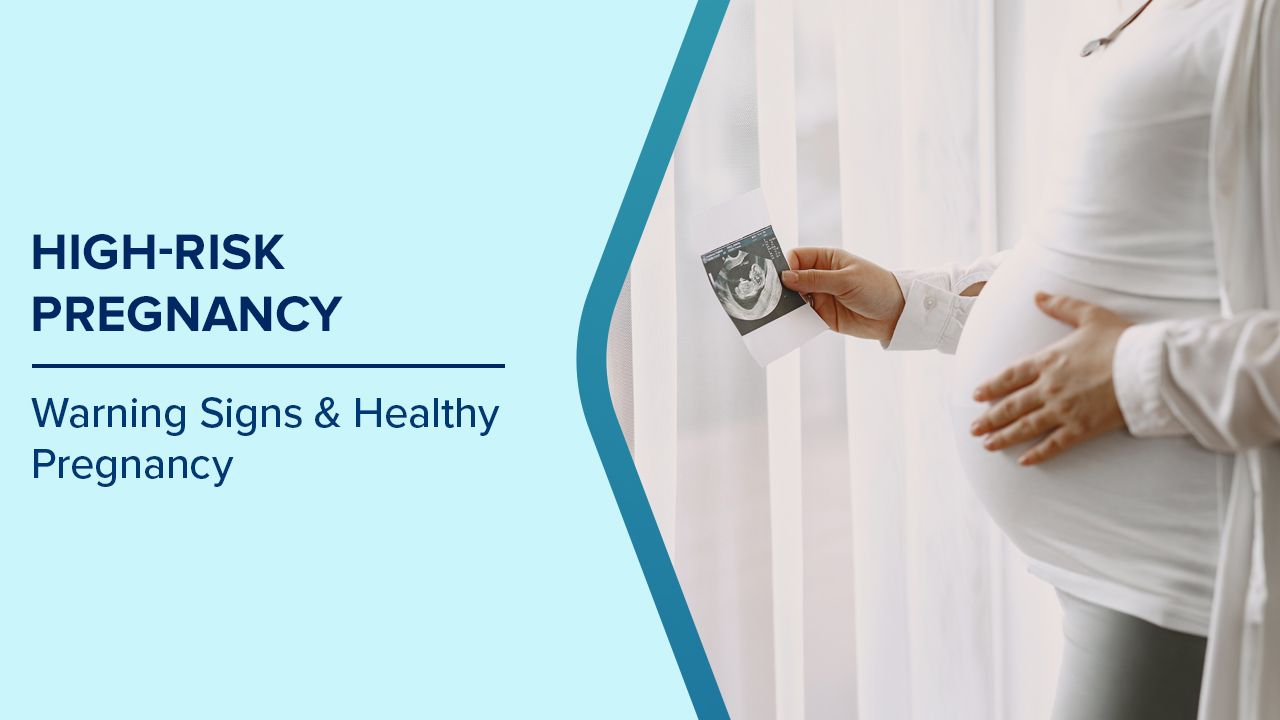
Call Us+91 926 888 0303High-Risk Pregnancy: Warning Signs & Healthy Pregnancy
By Dr. Manisha Arora in Obstetrics And Gynaecology , Robotic Surgery , Gynaecologic Laparoscopy
Aug 19 , 2026

Being told that your pregnancy is high-risk can naturally cause worry. However, a high-risk pregnancy does not automatically mean that you or your baby will have complications. With early diagnosis, regular monitoring, and appropriate medical care, many women with high-risk pregnancies go on to have healthy babies. The key is understanding what makes a pregnancy high-risk and how doctors can manage potential complications throughout pregnancy
A high-risk pregnancy is one in which the mother, baby, or both have a greater chance of developing health complications compared with a routine pregnancy. Factors that may make a pregnancy high-risk include:
- Previous preterm birth or pregnancy loss
- High blood pressure or preeclampsia
- Diabetes
- Multiple pregnancy, such as twins or triplets
- Previous complicated pregnancy or delivery
- Placental problems
- Cervical problems
- Certain infections
- Maternal age or pre-existing medical conditions
- Concerns about the baby's growth or development
Being classified as high-risk means closer medical supervision may be needed. It does not predict the final outcome of the pregnancy.
Can a High-Risk Pregnancy Result in a Healthy Baby?
Yes, many high-risk pregnancies result in healthy mothers and babies.
The outcome depends on the underlying risk factor, how early it is identified, the mother's overall health, the baby's condition, and how effectively complications can be managed.
For example, a woman with well-controlled diabetes may have a successful pregnancy with regular monitoring. Similarly, someone with a previous preterm birth may receive additional surveillance and preventive treatment during a subsequent pregnancy.
How Do Doctors Support a Healthy Pregnancy?
Early and Regular Prenatal Care
Regular prenatal appointments allow doctors to monitor both mother and baby and identify potential problems early.
Depending on individual risk factors, visits may include blood pressure monitoring, blood and urine tests, ultrasound examinations, fetal growth assessments, and other specialised tests.
Managing Existing Health Conditions
Conditions such as diabetes, hypertension, thyroid disorders, and certain autoimmune diseases can affect pregnancy if they are not properly controlled.
Doctors may adjust medications, recommend lifestyle changes, and increase monitoring to keep these conditions under control while protecting the developing baby.
Monitoring the Baby's Growth
Ultrasound and other fetal assessments can help doctors evaluate the baby's growth, amniotic fluid, placenta, and overall well-being.
If the baby is not growing as expected, closer monitoring can help doctors determine whether additional treatment or early delivery may be necessary.
Preventing Preterm Birth When Possible
Women with certain risk factors, particularly a history of spontaneous preterm birth or specific cervical findings, may benefit from preventive strategies.
Depending on the individual case, doctors may consider progesterone therapy, cervical cerclage, or increased cervical-length monitoring.
Not every treatment is appropriate for every woman, so preventive care should be personalised.
Recognising Warning Signs
Knowing when to seek medical attention is particularly important in a high-risk pregnancy. Contact your healthcare provider promptly if you experience:
- Vaginal bleeding
- Leakage of fluid
- Regular or painful contractions
- Severe abdominal or pelvic pain
- Severe headache or vision changes
- Sudden swelling of the face or hands
- Reduced or changed fetal movements later in pregnancy
- Fever or other signs of infection
Some symptoms may be harmless, but they should not be ignored when you have a high-risk pregnancy.
Does High-Risk Always Mean a C-Section?
No, having a high-risk pregnancy does not automatically mean that a Caesarean section will be required.
The mode of delivery depends on factors such as the mother's health, the baby's position and well-being, placental location, previous surgeries, and complications that may develop during pregnancy.
Some women with high-risk pregnancies can have a vaginal birth, while others may require a planned or emergency C-section.
The Importance of a Personalised Birth Plan
As pregnancy progresses, your medical team will assess whether continuing the pregnancy or delivering the baby is safer for you and your baby.
For some women, the safest approach is to continue the pregnancy with close monitoring. In other situations, complications may make early delivery necessary.
If premature delivery is anticipated, doctors may also take steps to prepare for the baby's birth, including medications that can help improve outcomes for premature babies when appropriate and ensuring access to specialised neonatal care.
What Can You Do to Improve Your Chances of a Healthy Pregnancy?
Along with medical care, pregnant women can take several practical steps:
- Attend all prenatal appointments
- Take prescribed medicines exactly as advised
- Monitor blood pressure or blood sugar when recommended
- Follow a balanced, nutritious diet
- Avoid smoking, alcohol, and other harmful substances
- Get adequate rest and follow activity recommendations
- Stay alert to changes in symptoms or fetal movements
- Discuss any concerns with your obstetrician rather than self-medicating
Most importantly, do not compare your pregnancy with someone else's. High-risk pregnancy management is individualised because every mother and baby has different needs.
When Should You Consult a Specialist?
If you have a history of pregnancy complications, a significant medical condition, multiple pregnancy, or concerns about fetal growth, your obstetrician may recommend consultation with a maternal-fetal medicine or high-risk pregnancy specialist.
Specialist care can help identify risks early and create an appropriate monitoring and treatment plan.
Conclusion
A high-risk pregnancy can bring additional challenges, but it does not mean you cannot have a healthy baby. Advances in prenatal screening, fetal monitoring, medications, ultrasound, and neonatal care have made it possible for many women with complicated pregnancies to have positive outcomes.
The most important factors are early risk assessment, regular prenatal care, careful monitoring, and timely treatment. With the right medical support and a personalised care plan, a high-risk pregnancy can still lead to the joyful arrival of a healthy baby.
Written and Verified by:

Related Blogs

Dr. Manju Khemani In Obstetrics And Gynaecology
Oct 27 , 2020 | 3 min read

Dr. Neera Aggarwal In Obstetrics And Gynaecology , Nutrition And Dietetics
Nov 07 , 2020 | 7 min read
Blogs by Doctor

What are Ovarian Cysts: Types, Symptoms & Diagnosis Options
Dr. Manisha Arora In Obstetrics And Gynaecology
Jul 04 , 2024 | 2 min read
Menstrual Health Matters: Breaking Periods Myths with Facts
Dr. Manisha Arora In Obstetrics And Gynaecology , Robotic Surgery , Gynaecologic Laparoscopy
Sep 04 , 2025 | 2 min read
Most read Blogs

Related Blogs
Dr. Manju Khemani In Obstetrics And Gynaecology
Oct 27 , 2020 | 3 min read
Dr. Neera Aggarwal In Obstetrics And Gynaecology , Nutrition And Dietetics
Nov 07 , 2020 | 7 min read
Blogs by Doctor
What are Ovarian Cysts: Types, Symptoms & Diagnosis Options
Dr. Manisha Arora In Obstetrics And Gynaecology
Jul 04 , 2024 | 2 min read
Menstrual Health Matters: Breaking Periods Myths with Facts
Dr. Manisha Arora In Obstetrics And Gynaecology , Robotic Surgery , Gynaecologic Laparoscopy
Sep 04 , 2025 | 2 min read
Most read Blogs