 WhatsApp Us (24/7)
 +91 926 888 0303 (24/7)


To Book an Appointment
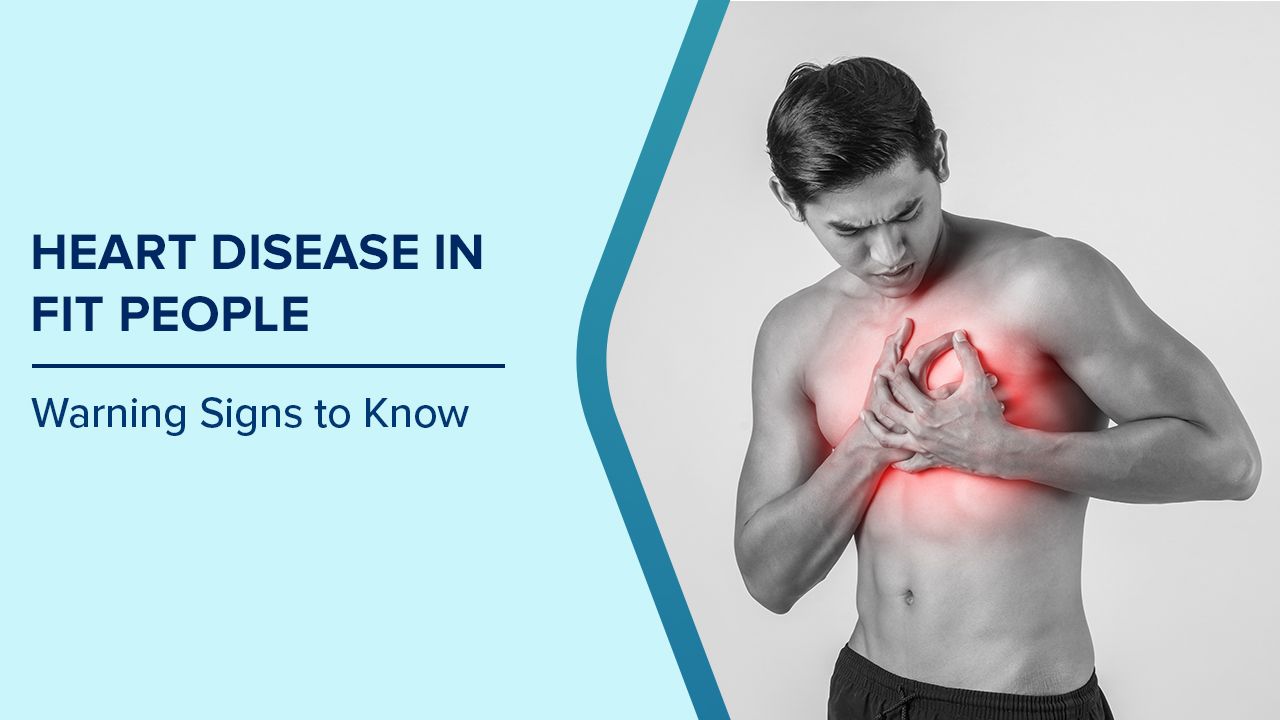
Call Us+91 926 888 0303Heart Disease in Fit People: Warning Signs to Know
By Dr. Arun Kumar Gupta in Cardiac Sciences , Cardiology , Interventional Cardiology , Cardiac Electrophysiology-Pacemaker
Aug 19 , 2026

Physical fitness generally reflects how well your body performs during activity. Heart health, however, involves much more than exercise capacity.
Factors such as blood pressure, cholesterol, blood sugar, family history, heart rhythm, blood-vessel health, and the structure of the heart can all influence cardiovascular risk.
Exercise can reduce many of these risks, but it cannot eliminate every genetic or medical risk factor.
How Can a Fit Person Have Heart Disease?
Several conditions can affect people who appear healthy and physically active.
- High Cholesterol Can Be Silent: High cholesterol does not usually cause noticeable symptoms. A person who exercises regularly can still have elevated LDL cholesterol because of genetics, diet, or other factors. Over time, high cholesterol can contribute to plaque buildup in the arteries, increasing cardiovascular risk.
- High Blood Pressure May Go Unnoticed: Blood pressure can be elevated without causing obvious symptoms. Even people who exercise regularly should have their blood pressure checked periodically. Untreated high blood pressure can place additional strain on the heart and blood vessels.
- Family History Matters: Some heart conditions have a strong genetic component. A family history of premature heart disease, sudden cardiac death, cardiomyopathy, or certain inherited rhythm disorders may increase an individual's risk regardless of fitness level. Knowing your family history can therefore be just as important as knowing your fitness level.
- Some Heart Conditions Affect Active People: Certain structural or electrical heart problems may not cause symptoms at rest. Examples include cardiomyopathies, certain heart-valve disorders, congenital heart conditions, abnormal heart rhythms and some inherited electrical disorders. In some cases, symptoms become noticeable only during strenuous exercise.
Can Exercise Ever Reveal an Underlying Heart Problem?
Yes, during intense exercise, the heart beats faster and requires more oxygen. If there is an underlying cardiovascular problem, symptoms may become apparent during or shortly after strenuous activity. Warning signs can include:
- Chest pain or pressure
- Unusual shortness of breath
- Dizziness or light-headedness
- Fainting or near-fainting
- Racing, pounding, or irregular heartbeat
- Unexplained decline in exercise performance
- Unusual fatigue during activity
These symptoms should not simply be attributed to being "out of shape," particularly in someone who is normally fit.
What About Sudden Cardiac Events During Exercise?
Sudden cardiac events during exercise are uncommon, but they can occur.
The underlying causes vary depending on age. In younger people, certain inherited heart conditions or structural abnormalities may be responsible. In older adults, coronary artery disease is a more common concern.
This is one reason new or unexplained symptoms during exercise should be medically evaluated rather than ignored.
Does Being Fit Still Protect the Heart?
Yes, regular physical activity remains an important part of cardiovascular health. Exercise can help:
- Improve cardiovascular fitness
- Lower blood pressure
- Improve insulin sensitivity
- Support healthy cholesterol levels
- Help maintain a healthy weight
- Reduce cardiovascular risk
- Improve overall physical and mental well-being
The message is not that exercise is unsafe. Rather, fitness should be viewed as one part of heart health, not a guarantee that no heart problem exists.
What Heart Health Checks Should Fit People Consider?
Even active individuals can benefit from routine health assessments.
Depending on age, family history, symptoms, and other risk factors, a doctor may recommend checking:
- Blood pressure: Helps identify hypertension.
- Cholesterol: Can detect elevated LDL and other lipid abnormalities.
- Blood sugar: Helps identify diabetes or prediabetes.
- Medical and family history: Can reveal inherited or cardiovascular risk factors.
- ECG or other cardiac tests: These are not necessarily required for every healthy person, but may be recommended when symptoms, examination findings, or personal/family history raise concerns.
The right evaluation depends on the individual rather than simply their level of fitness.
Don't Ignore These Exercise Warning Signs
Being able to complete a difficult workout does not mean symptoms should be ignored.
Stop exercising and seek medical advice if you experience unexplained chest discomfort, fainting, significant breathlessness, or a new irregular or racing heartbeat, particularly if symptoms repeatedly occur during exercise.
Sudden severe chest pain, collapse, severe breathing difficulty, or other signs of a medical emergency require immediate emergency care.
Conclusion
Being physically fit is a major advantage for heart health, but it is not a guarantee of a completely healthy heart.
Silent conditions such as high blood pressure or cholesterol, as well as genetic and structural heart problems, can affect people who look and feel exceptionally fit.
The best approach is to combine regular physical activity with healthy nutrition, adequate sleep, routine health checks, awareness of family history, and attention to warning symptoms.
Your fitness level tells you how well your body performs. Your heart health requires a broader picture.
Written and Verified by:

Related Blogs

Dr. Ritwick Raj Bhuyan In Cardiac Sciences , Cardiac Surgery (CTVS)
Nov 08 , 2020 | 2 min read

Dr. Gaurav Minocha In Cardiac Sciences
Nov 08 , 2020 | 4 min read
Blogs by Doctor

Syncope or fainting attack -do always need a treatment?
Dr. Arun Kumar Gupta In Cardiac Sciences
Oct 19 , 2015 | 2 min read

Dilated Cardiomyopathy: Improving Care and Seeking a Cure
Dr. Arun Kumar Gupta In Cardiac Sciences
Jun 28 , 2024 | 12 min read
Most read Blogs


Related Blogs
Dr. Ritwick Raj Bhuyan In Cardiac Sciences , Cardiac Surgery (CTVS)
Nov 08 , 2020 | 2 min read
Dr. Gaurav Minocha In Cardiac Sciences
Nov 08 , 2020 | 4 min read
Blogs by Doctor
Syncope or fainting attack -do always need a treatment?
Dr. Arun Kumar Gupta In Cardiac Sciences
Oct 19 , 2015 | 2 min read
Dilated Cardiomyopathy: Improving Care and Seeking a Cure
Dr. Arun Kumar Gupta In Cardiac Sciences
Jun 28 , 2024 | 12 min read
Most read Blogs