 WhatsApp Us (24/7)
 +91 926 888 0303 (24/7)


To Book an Appointment
Call Us+91 926 888 0303Viral Hepatitis: Prevention & Diagnosis
By Dr. Sanjiv Saigal in Gastroenterology, Hepatology & Endoscopy , Liver Transplant and Biliary Sciences
Aug 03 , 2026
1

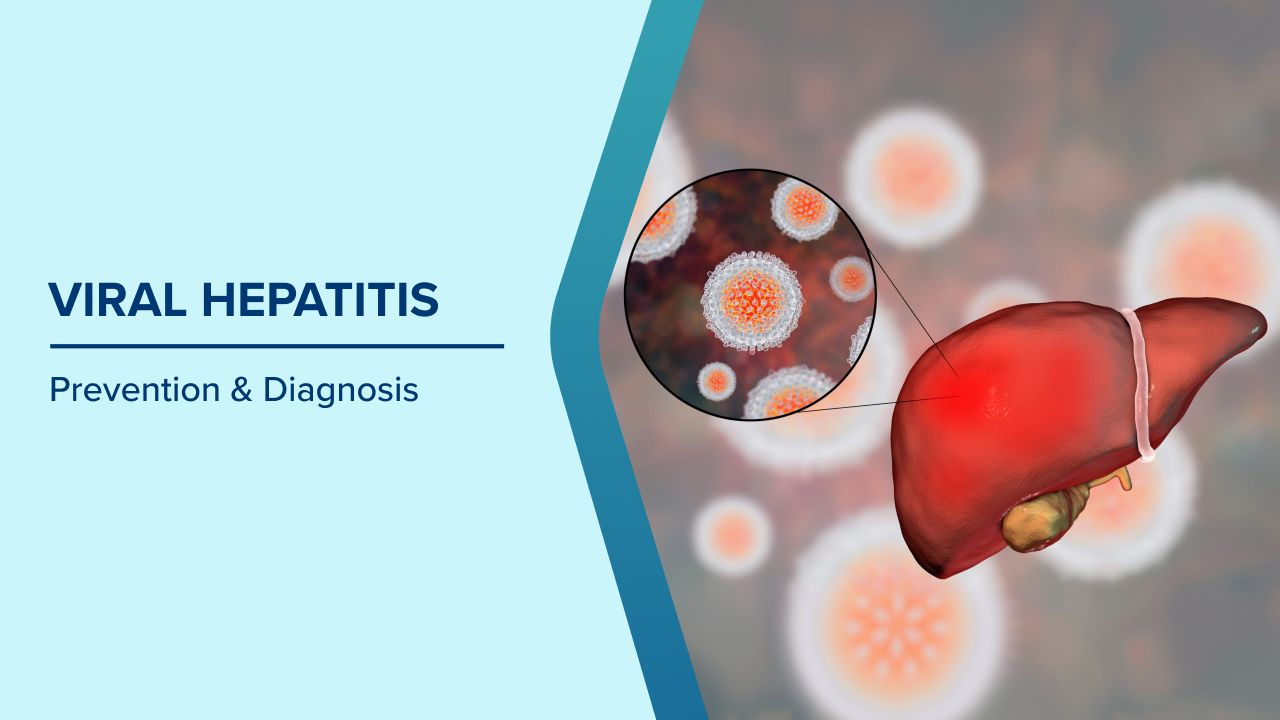
Viral hepatitis remains one of the leading causes of chronic liver disease worldwide, yet millions of people are unaware they are living with it. Among the different types of viral hepatitis, hepatitis B and hepatitis C are particularly concerning because they often remain silent for years, causing gradual liver damage without any noticeable symptoms. The good news is that these infections can be prevented, detected early, and, in many cases, effectively treated.
What Is Viral Hepatitis?
Viral hepatitis is an infection that damages the liver. Among the different types, hepatitis B and hepatitis C are the most important because they can persist silently for years without causing any symptoms. During this time, the virus slowly injures the liver. If left untreated, it can lead to chronic hepatitis, liver cirrhosis, liver failure, and even liver cancer. This is why viral hepatitis is often called a "silent killer."
The Burden of Viral Hepatitis in India
India carries one of the world's highest burdens of viral hepatitis. It is estimated that nearly 40 million Indians are living with chronic hepatitis B. At the same time, 6 to 12 million people have hepatitis C. Together, these infections account for a large proportion of chronic liver disease and liver cancer in the country. Unfortunately, many people are unaware that they are infected until complications develop.
Can Viral Hepatitis Be Prevented?
Yes, Hepatitis B can be effectively prevented through vaccination, which is safe and highly effective. Every newborn should receive the hepatitis B vaccine, and adults who have never been vaccinated should discuss vaccination with their doctor. Other preventive measures include:
- Ensuring safe blood transfusions
- Using sterile needles
- Following proper infection-control practices
- Avoiding the sharing of razors or needles
Although there is currently no vaccine for hepatitis C, safe medical practices can prevent most new infections.
Why Is Early Diagnosis So Important?
One of the biggest challenges with hepatitis B and C is that they often produce no warning signs until the liver has already suffered significant damage. Fortunately, a simple blood test can detect these infections long before symptoms appear. Screening should be considered by:
- People with a family history of hepatitis
- Those who have received blood transfusions in the past
- Healthcare workers
- Patients on dialysis
- Anyone with persistently abnormal liver test results
Detecting the infection early allows treatment to begin before irreversible liver damage develops.
Is There Hope for Patients Diagnosed with Hepatitis?
Yes, modern antiviral medicines can effectively suppress hepatitis B, helping protect the liver from further damage. Hepatitis C is now curable in more than 95% of patients with a short course of oral medicines taken for 12 weeks.
The Way Forward
The biggest challenge today is not the lack of treatment but the lack of awareness. This World Hepatitis Day, let us encourage more people to get vaccinated, get tested, and take timely action to protect their liver health. Greater awareness, early diagnosis, and access to treatment can help reduce the burden of liver disease and bring us closer to a hepatitis-free India.
Written and Verified by:

Related Blogs

Dr. Nivedita Pandey In Gastroenterology, Hepatology & Endoscopy , Liver Transplant and Biliary Sciences
Nov 07 , 2020 | 2 min read
Dr. Nivedita Pandey In Gastroenterology, Hepatology & Endoscopy , Liver Transplant and Biliary Sciences
Nov 07 , 2020 | 2 min read
Blogs by Doctor

FAQ on Non-Alcoholic Fatty Liver Disease (NAFLD)
Dr. Sanjiv Saigal In Liver Transplant and Biliary Sciences
Aug 26 , 2021 | 4 min read
Alcohol and Liver: Myths and Facts
Dr. Sanjiv Saigal In Liver Transplant and Biliary Sciences
Sep 09 , 2021 | 3 min read
Most read Blogs


Related Blogs
Dr. Nivedita Pandey In Gastroenterology, Hepatology & Endoscopy , Liver Transplant and Biliary Sciences
Nov 07 , 2020 | 2 min read
Dr. Nivedita Pandey In Gastroenterology, Hepatology & Endoscopy , Liver Transplant and Biliary Sciences
Nov 07 , 2020 | 2 min read
Blogs by Doctor
FAQ on Non-Alcoholic Fatty Liver Disease (NAFLD)
Dr. Sanjiv Saigal In Liver Transplant and Biliary Sciences
Aug 26 , 2021 | 4 min read
Alcohol and Liver: Myths and Facts
Dr. Sanjiv Saigal In Liver Transplant and Biliary Sciences
Sep 09 , 2021 | 3 min read
Most read Blogs