 WhatsApp Us (24/7)
 +91 926 888 0303 (24/7)


To Book an Appointment
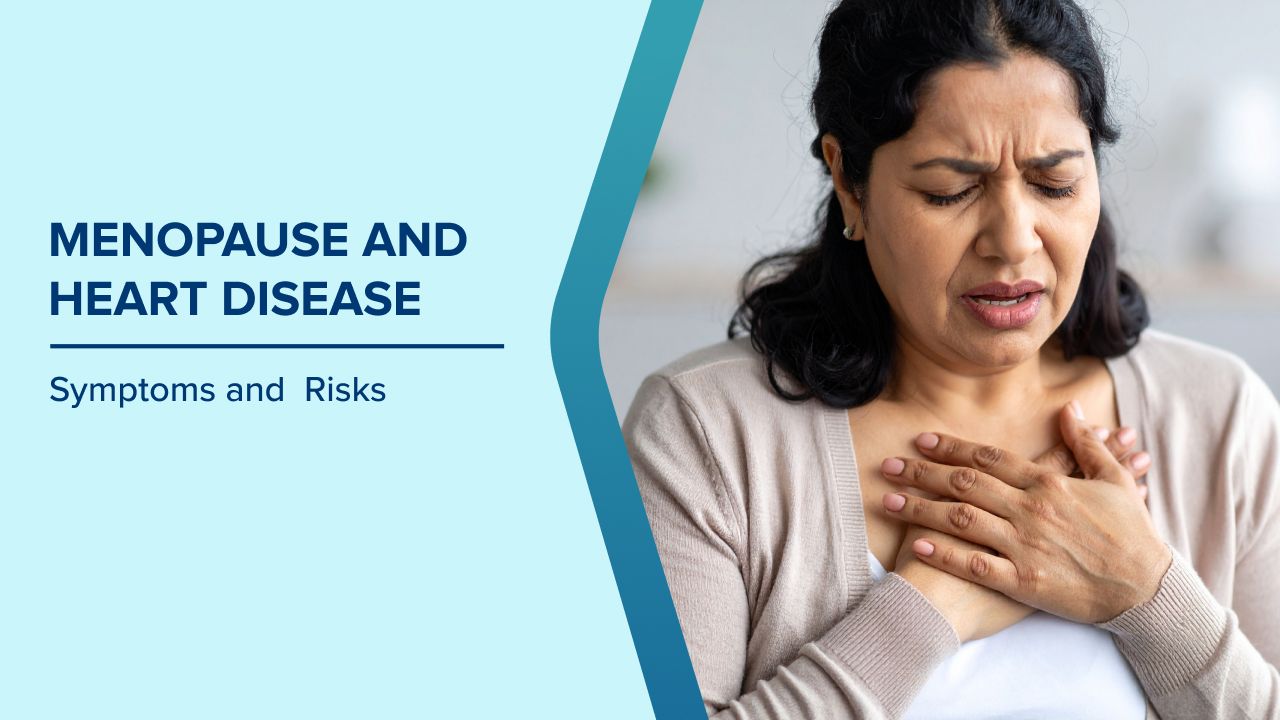
Call Us+91 926 888 0303Menopause and Heart Disease: Symptoms and Risks
By Dr. Anupam Goel in Cardiac Sciences , Cardiology , Interventional Cardiology
Sep 18 , 2026

Women are relatively protected from cardiovascular disease at a younger age, but the risk increases significantly around menopause. Menopause is an important time of transition, involving major hormonal changes, particularly a decline in oestrogen. These changes can affect several systems in the body and may be more pronounced when menopause occurs at an early age or following surgery.
When a woman requires removal of the ovaries due to a medical condition, the resulting surgical menopause can lead to more sudden hormonal changes and more significant symptoms. If menopause occurs naturally and gradually, the transition may be easier, but it is still associated with a higher cardiovascular risk compared with younger women.
How Does Menopause Affect Heart Health?
During menopause, several changes can take place in the body that may affect cardiovascular health.
There can be an increase in unhealthy cholesterol, with LDL becoming smaller and denser. This small, dense LDL is more likely to contribute to plaque formation and increase the risk of blockages, stroke and cardiovascular disease.
At the same time, the arteries can become stiffer, which may contribute to an increase in blood pressure. High blood pressure is itself a significant risk factor for stroke and heart disease.
The body may also become more susceptible to inflammation, along with a significant shift in body-fat distribution. There can be an increase in visceral fat, which is not simply a cosmetic concern. Visceral fat is metabolically active and can contribute to inflammation and increase cardiovascular risk.
Together, these changes can significantly increase the risk of heart disease in women.
Can Menopause Symptoms Be Linked to Heart Health?
During menopause, women may experience symptoms such as hot flushes and night sweats. While these can be uncomfortable, they may also be associated with a higher cardiovascular risk later in life.
Understanding these changes can help women take a proactive approach to their health during this phase of life.
Menopause Is a Window of Opportunity for Better Health
Menopause is a natural phase of life and is not something women need to fear. With the right approach, women can transition through this phase comfortably and continue to lead a healthy and fulfilling life.
It can also be viewed as a window of opportunity to focus on health and make positive lifestyle changes.
Taking time for relaxation, eating a healthy and balanced diet and staying physically active can all support overall health during menopause.
Why Is Exercise Important During Menopause?
Physical activity is one of the most important parts of maintaining good health during menopause and supporting cardiovascular health.
Try to exercise for around 40–45 minutes, four to five days a week. Whether you enjoy dancing, group exercise, aerobics, swimming or simply walking, choose an activity you enjoy and stay consistent with it.
Along with cardiovascular exercise, muscle-strengthening exercises are also important because women tend to lose muscle strength with age. Sarcopenia and declining musculoskeletal health can become concerns, so including some form of strength training in the routine is important.
Managing Sleep and Stress During Menopause
Staying active, getting good-quality sleep and managing stress as much as possible are important parts of maintaining overall health during menopause.
Prioritising relaxation and taking some time for yourself can also help support wellbeing during this phase of life.
Keep Track of Your Cardiovascular Risk Factors
Most importantly, keep a regular check on your cardiovascular risk factors.
High blood pressure, blood sugar and cholesterol can all increase the risk of damage to the heart and blood vessels. These should be monitored regularly, particularly as cardiovascular risk changes around menopause.
Do not ignore concerning symptoms, and stay proactive about your health.
Menopause is a natural phase of life and an opportunity to focus on long-term wellbeing. Staying physically active, eating a balanced diet, getting good-quality sleep, managing stress and keeping track of cardiovascular risk factors can help support heart health during this important transition.
Stay active, stay positive and take care of yourself.
Written and Verified by:

Related Blogs

Dr. Ritwick Raj Bhuyan In Cardiac Sciences , Cardiac Surgery (CTVS)
Nov 08 , 2020 | 2 min read

Dr. Gaurav Minocha In Cardiac Sciences
Nov 08 , 2020 | 4 min read
Blogs by Doctor


Lifestyle Diseases ((NCDs) in India: Role of Beverages, Junk Food & Poor Diet Choices
Dr. Anupam Goel In Cardiac Sciences , Cardiology , Interventional Cardiology
Jan 17 , 2025 | 1 min read
Most read Blogs


Related Blogs
Dr. Ritwick Raj Bhuyan In Cardiac Sciences , Cardiac Surgery (CTVS)
Nov 08 , 2020 | 2 min read
Dr. Gaurav Minocha In Cardiac Sciences
Nov 08 , 2020 | 4 min read
Blogs by Doctor
Lifestyle Diseases ((NCDs) in India: Role of Beverages, Junk Food & Poor Diet Choices
Dr. Anupam Goel In Cardiac Sciences , Cardiology , Interventional Cardiology
Jan 17 , 2025 | 1 min read
Most read Blogs