 WhatsApp Us (24/7)
 +91 926 888 0303 (24/7)


To Book an Appointment
Call Us+91 926 888 0303Too Much Protein: Health Risks, Benefits & Daily Intake
By RD Geeta Buryok in Dietetics , Nutrition And Dietetics
Jul 27 , 2026

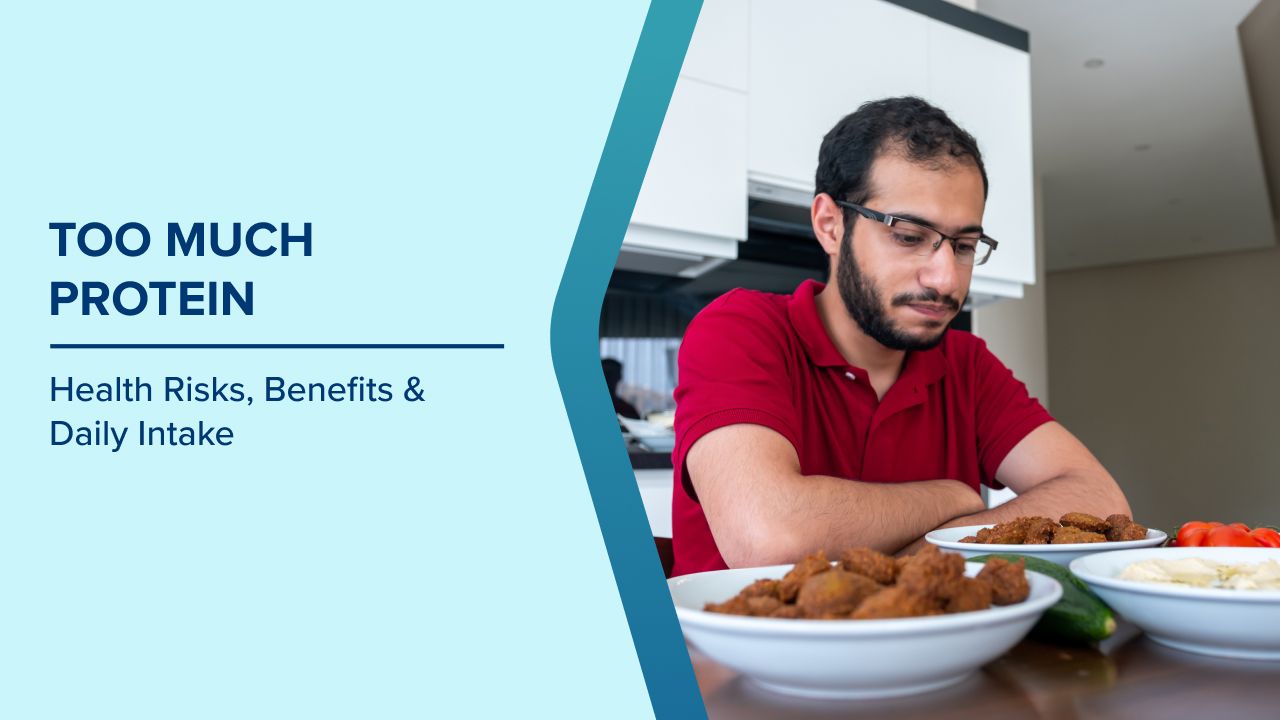
Protein has become one of the most celebrated nutrients in modern nutrition. From protein-enriched snacks to restaurant menus highlighting protein content, the message often seems simple: more protein equals better health.
Yet many people wonder whether there is a point where protein stops being beneficial. Is a protein-heavy diet always a healthy choice, or can an excessive focus on protein create unintended consequences?
The answer is more nuanced than many nutrition trends suggest. Protein remains essential for health, but an eating pattern centred almost entirely around protein can sometimes crowd out other nutrients that the body needs to function at its best.
Why the Protein Conversation Has Changed
A generation ago, most nutritional discussions focused on reducing fat or calories. Today, protein often takes centre stage.
This shift has happened for several reasons:
- Greater awareness of muscle health
- Growing interest in fitness and strength training
- Increased availability of high-protein foods
- Popular weight-management approaches that prioritise protein
While these changes have encouraged people to pay attention to nutrition, they have also created the impression that protein is the most important part of every meal.
In reality, health depends on balance rather than any single nutrient.
Protein Does More Than Build Muscle
Many people associate protein only with gym workouts and muscle growth. However, its role extends far beyond that.
Protein contributes to:
- Tissue repair throughout the body
- Production of hormones and enzymes
- Immune system function
- Maintenance of skin, hair, and nails
- Transport of nutrients and oxygen
Because protein performs so many tasks, adequate intake is important. The challenge arises when dietary decisions become focused solely on increasing protein while overlooking overall nutritional quality.
When Protein Becomes the Main Event
One overlooked concern is not necessarily the amount of protein consumed but what gets displaced from the diet.
A plate heavily dominated by protein may leave less room for:
- Vegetables
- Fruits
- Whole grains
- Fibre-rich foods
- Healthy fats
Over time, this can affect nutritional variety.
For example, someone who regularly replaces vegetables with additional servings of meat may meet their protein goals but miss out on important vitamins, minerals, antioxidants, and plant compounds that support long-term health.
The body thrives on diversity, not dietary extremes.
The Source of Protein Matters
Not all protein sources have the same effect on overall health.
Protein Sources That Support a Balanced Diet
Examples include:
- Fish
- Lentils and beans
- Low-fat dairy products
- Eggs
- Soy foods
- Nuts and seeds
- Lean poultry
These foods often provide additional nutrients alongside protein.
When Protein Choices Become Less Beneficial
Problems can arise when most protein comes from foods that are also high in:
- Saturated fat
- Sodium
- Preservatives
- Highly processed ingredients
Examples include:
- Processed meats
- Frequent consumption of cured meats
- Deep-fried protein products
- Highly processed protein snacks
In these situations, the concern is often the overall dietary pattern rather than protein itself.
Protein and Healthy Ageing
An interesting aspect of the protein discussion involves aging.
As people grow older, maintaining muscle strength becomes increasingly important. Protein plays a role in preserving mobility, independence, and recovery from illness.
However, healthy aging is supported by more than protein alone.
Older adults also benefit from:
- Adequate fibre intake
- Calcium-rich foods
- Vitamin-rich fruits and vegetables
- Healthy fats
- Regular physical activity
Focusing exclusively on protein while neglecting these factors may limit the overall benefits of a healthy diet.
Are High-Protein Foods Always the Best Choice?
Food marketing can sometimes create confusion.
Many products now advertise added protein, including:
- Breakfast cereals
- Snack bars
- Ice creams
- Biscuits
- Beverages
A food labelled as "high protein" is not automatically healthier.
When evaluating food choices, it helps to look beyond the protein content and consider:
- Added sugars
- Sodium levels
- Fibre content
- Overall ingredient quality
- Degree of processing
Sometimes a naturally balanced food may be a better option than a heavily marketed protein product.
What Happens to Excess Protein the Body Does Not Need?
The body is remarkably efficient at using protein for essential functions. However, it does not store large reserves of extra protein in the same way it stores fat.
When protein intake consistently exceeds the body's needs, the excess is simply processed and used in other ways.
This means that consuming significantly more protein than required does not automatically translate into greater strength, better fitness, or improved health.
The body's ability to benefit from protein has practical limits.
Looking Beyond Numbers
Many people become preoccupied with tracking grams of protein every day.
While awareness can be helpful, health cannot be reduced to a single number.
A nutritious eating pattern also includes:
- Colourful vegetables
- Seasonal fruits
- Whole grains
- Healthy fats
- Adequate hydration
- Regular physical activity
These factors work together to support cardiovascular health, digestion, metabolism, and overall wellbeing.
Protein is one piece of a much larger picture.
Signs Your Diet May Be Too Protein-Centred
Rather than focusing on a specific protein threshold, consider whether your overall eating pattern has become unbalanced.
Questions worth asking include:
- Are vegetables regularly being replaced with protein foods?
- Do most meals lack whole grains or fibre-rich foods?
- Is food variety becoming limited?
- Are you choosing foods solely because they are high in protein?
- Has nutrition become focused on one nutrient rather than overall health?
If the answer to several of these questions is yes, it may be worth reassessing your dietary balance.
Building a Smarter Plate
Instead of chasing maximum protein intake, aim for a balanced meal structure.
A practical plate may include:
- A source of quality protein
- Plenty of vegetables
- Whole grains or other fibre-rich carbohydrates
- Healthy fats from nuts, seeds, olive oil, or avocado
This approach supports both nutritional adequacy and long-term sustainability.
Conclusion
The debate around protein is often framed as a simple question: is more protein good or bad? The reality is far more balanced.
Protein is an essential nutrient that supports countless functions throughout the body. However, health is not determined by protein intake alone. A diet that prioritises protein at the expense of variety, fibre, and overall nutritional balance may not deliver the benefits people expect.
Rather than treating protein as the centre of every dietary decision, focus on building balanced meals that include a wide range of nutrients. In most cases, the goal is not to maximise protein intake but to ensure it fits naturally within a healthy, sustainable eating pattern.
Frequently Asked Questions
1. Can I eat a high-protein diet if I do not exercise regularly?
Yes, but your protein needs may be lower than those of highly active individuals. A balanced diet remains more important than simply increasing protein intake.
2. Are plant proteins as effective as animal proteins?
Many plant-based foods provide excellent protein. Eating a variety of legumes, soy products, nuts, seeds, and whole grains can help meet protein needs effectively.
3. Does eating more protein automatically improve muscle tone?
No. Muscle development depends on physical activity, particularly resistance training, alongside adequate nutrition.
4. Should every meal contain protein?
Including some protein at meals can support satiety and overall nutrition, but meals do not need to revolve entirely around protein-rich foods.
5. Is it possible to focus too much on one nutrient?
Yes. Whether it is protein, carbohydrates, or fats, an excessive focus on a single nutrient can sometimes reduce dietary variety and overall nutritional quality.
6. Can children and teenagers follow high-protein eating trends?
Growing children and teenagers need balanced nutrition that includes carbohydrates, healthy fats, vitamins, and minerals. Protein is important, but it should not dominate the diet at the expense of other essential nutrients.
Written and Verified by:

Related Blogs

Medical Expert Team
Jun 30 , 2014 | 2 min read

Blogs by Doctor

Sit Down While You Eat. It Makes A Big Difference.
RD Geeta Buryok In Dietetics , Nutrition And Dietetics
Nov 08 , 2020 | 3 min read

What Should Be the Nutrition During Pregnancy?
RD Geeta Buryok In Dietetics , Nutrition And Dietetics
Nov 08 , 2020 | 1 min read
Most read Blogs
Related Blogs
Medical Expert Team
Jun 30 , 2014 | 2 min read
Blogs by Doctor
Sit Down While You Eat. It Makes A Big Difference.
RD Geeta Buryok In Dietetics , Nutrition And Dietetics
Nov 08 , 2020 | 3 min read
What Should Be the Nutrition During Pregnancy?
RD Geeta Buryok In Dietetics , Nutrition And Dietetics
Nov 08 , 2020 | 1 min read
Most read Blogs