 WhatsApp Us (24/7)
 +91 926 888 0303 (24/7)


To Book an Appointment
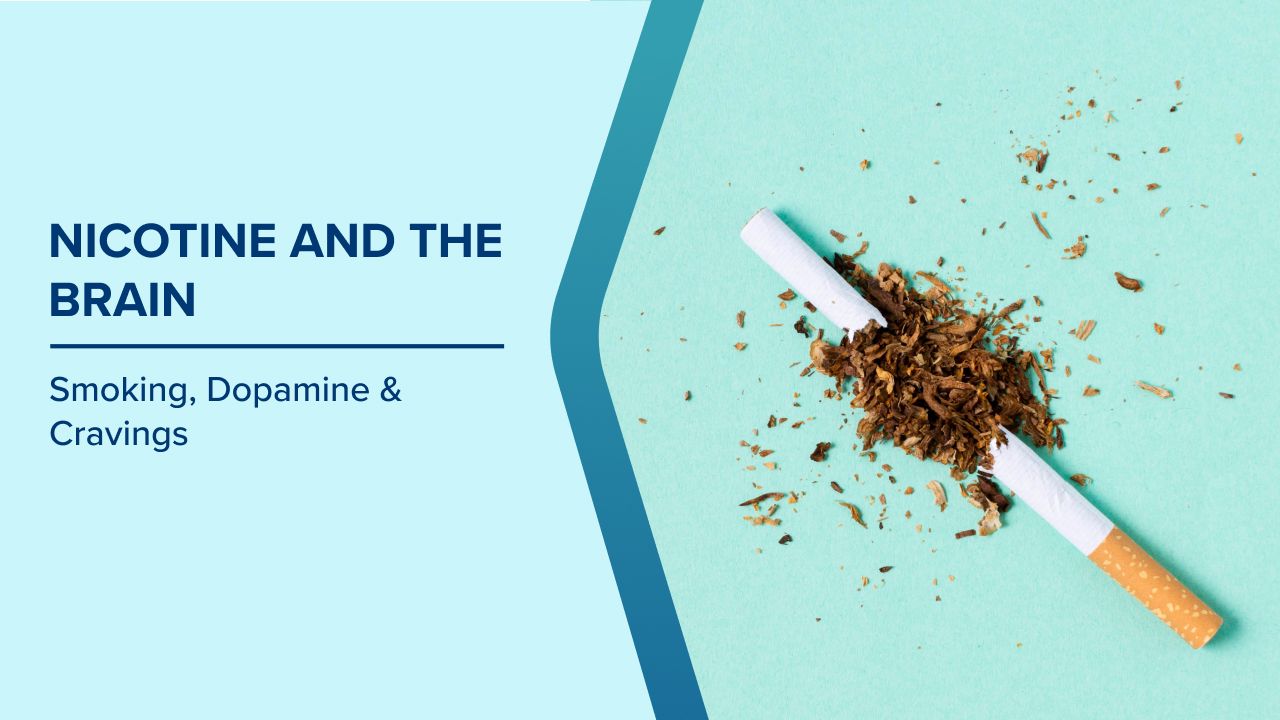
Call Us+91 926 888 0303Nicotine and the Brain: Smoking, Dopamine & Cravings
By Dr. Deepak Bhasin in Pulmonology , Critical Care
Sep 15 , 2026
1

Most people understand that smoking is harmful. Many smokers are also fully aware of the long-term risks. Yet despite this awareness, quitting often feels far more difficult than simply making a decision and stopping. One of the main reasons is that nicotine addiction is not just a habit of the hands or a routine of daily life. It is deeply connected to how the brain responds to reward, stress, memory, and repetition.
Over time, nicotine changes the way the brain reacts to certain situations, emotions, and triggers. This is why cravings can appear suddenly, feel intense, and return even after someone genuinely wants to quit. Understanding how nicotine affects the brain helps explain why cigarette cravings can feel so powerful and why recovery takes more than willpower alone.
How Nicotine Reaches the Brain So Quickly
When cigarette smoke is inhaled, nicotine enters the bloodstream and reaches the brain within seconds. Once there, it interacts with specific receptors linked to attention, mood, and reward.
This rapid effect is one reason smoking becomes reinforcing very quickly. The brain starts associating nicotine with temporary feelings of relief, stimulation, or comfort.
Over time, these repeated signals gradually reshape how the brain responds to stress, focus, and emotional discomfort.
The Dopamine Effect: Why Smoking Feels Rewarding
Nicotine stimulates the release of dopamine, a chemical involved in the brain's reward system.
Dopamine is often associated with:
- Pleasure
- Motivation
- Anticipation
- Reinforcement of behaviour
Each cigarette creates a brief dopamine response. Although the effect is temporary, the brain remembers it. With repeated smoking, the brain starts expecting nicotine regularly.
This creates a cycle:
- Nicotine enters the body
- Dopamine levels rise briefly
- The effect fades
- The brain begins wanting that feeling again
Eventually, the craving is no longer just about enjoyment. It becomes about restoring what the brain has started depending on.
Why Cravings Can Feel Automatic
Many smokers notice that cravings appear in specific situations:
- With morning tea or coffee
- During work breaks
- While driving
- After meals
- During stress or boredom
This happens because the brain forms strong associations between smoking and everyday experiences.
Over time, these situations become linked with nicotine through repeated repetition. The brain begins predicting a cigarette before the person consciously thinks about it.
This is why cravings can suddenly appear even after long periods without smoking. The brain remembers familiar patterns and reacts automatically to them.
Nicotine and Emotional Relief
For many people, smoking becomes emotionally tied to moments of:
- Stress
- Anxiety
- Frustration
- Loneliness
- Mental exhaustion
Nicotine may temporarily create a calming sensation, but this relief is often short-lived. In many cases, the cigarette is actually easing early withdrawal symptoms that developed between cigarettes.
As this cycle repeats, the brain gradually starts viewing smoking as a coping mechanism. This emotional dependence can become just as strong as the physical addiction itself.
Why the Brain Resists Quitting
Once the brain becomes used to nicotine, stopping suddenly creates an imbalance. The brain must then readjust without the chemical stimulation it has adapted to over time.
During this adjustment period, people may experience:
- Irritability
- Restlessness
- Difficulty concentrating
- Mood changes
- Strong cravings
- Mental fog
- Sleep disturbances
These reactions are part of the brain recalibrating itself. They do not mean the body needs cigarettes to function permanently. They reflect a temporary period of neurological adjustment.
Why Some Cravings Return Even After Weeks or Months
One of the most frustrating parts of quitting smoking is that cravings may occasionally return long after nicotine has left the body.
This happens because addiction also involves memory pathways in the brain. Certain environments, emotions, smells, or routines can reactivate old smoking associations.
For example:
- Seeing others smoke
- Revisiting familiar places
- Experiencing emotional stress
- Social situations linked to smoking
These triggers can briefly reactivate craving circuits even during long-term recovery.
However, cravings usually become:
- Less frequent
- Less intense
- Easier to manage with time
The brain gradually weakens these old connections when smoking is no longer repeated.
Why Quitting Is Not Simply About Willpower
People often assume smoking continues because of weak discipline. In reality, nicotine addiction involves measurable changes in brain chemistry and behavioural conditioning.
This is why quitting may require:
- Repeated attempts
- Behavioural changes
- Trigger management
- Emotional coping strategies
- Medical support in some cases
Wanting to quit and struggling to quit can exist at the same time. Understanding this reduces unnecessary guilt and encourages a more realistic approach to recovery.
How the Brain Slowly Recovers After Quitting
The encouraging reality is that the brain is capable of adaptation and healing.
After quitting smoking:
- Nicotine receptors gradually reduce in sensitivity
- Dopamine balance slowly stabilises
- Cravings become less dominant
- Trigger-response patterns weaken
- Mental clarity often improves
This recovery does not happen overnight, but the brain slowly learns to function without nicotine again.
The longer smoking is avoided, the weaker many of the old addiction pathways become.
Read More: Nicotine-Free Smoking: Health Risks You Should Know
Supporting the Brain During Nicotine Recovery
Recovery becomes easier when the brain is supported through healthy routines and consistent coping strategies.
Helpful approaches may include:
- Regular physical activity
- Structured daily routines
- Adequate sleep
- Stress-management techniques
- Staying hydrated
- Avoiding known triggers early on
- Seeking behavioural or medical support if needed
These habits help reduce stress signals and support healthier reward pathways in the brain.
Conclusion
Nicotine addiction is not simply a matter of habit or lack of motivation. Smoking affects the brain's reward system, emotional responses, and behavioural patterns in ways that can make cravings feel intense and deeply automatic.
Understanding how nicotine influences the brain helps explain why quitting can feel difficult even when someone genuinely wants to stop. More importantly, it highlights that recovery is a process of neurological adjustment, not personal failure.
With time, consistency, and proper support, the brain gradually adapts, cravings become weaker, and long-term recovery becomes increasingly possible.
Frequently Asked Questions
1. Why do cigarette cravings appear suddenly?
Cravings are often triggered by routines, emotions, or environments that the brain has previously associated with smoking.
2. Does nicotine permanently damage the brain?
Many nicotine-related brain changes improve over time after quitting, especially when smoking is stopped early.
3. Why does stress increase the urge to smoke?
The brain may begin linking nicotine with temporary emotional relief, causing stress to trigger cravings more strongly.
4. Are nicotine cravings physical or psychological?
They are usually both. Physical withdrawal and learned behavioural patterns often work together during addiction.
5. Why do some people relapse after months of quitting?
Old memory pathways linked to smoking can sometimes reactivate during stress, social situations, or familiar routines.
6. Can the brain fully adjust to life without nicotine?
Yes. Over time, the brain gradually rebuilds healthier reward and coping pathways without nicotine dependence.
Written and Verified by:

Related Blogs

Medical Expert Team
Jun 06 , 2015 | 2 min read

Blogs by Doctor

Respiratory Acidosis: Symptoms, Diagnosis, and Treatment
Dr. Deepak Bhasin In Pulmonology
Jan 22 , 2024 | 4 min read
Most read Blogs


Related Blogs
Medical Expert Team
Jun 06 , 2015 | 2 min read
Blogs by Doctor
Respiratory Acidosis: Symptoms, Diagnosis, and Treatment
Dr. Deepak Bhasin In Pulmonology
Jan 22 , 2024 | 4 min read
Most read Blogs