 WhatsApp Us (24/7)
 +91 926 888 0303 (24/7)


To Book an Appointment
Call Us+91 926 888 0303Obesity and Liver Health: Risks & Prevention
By Dr. Amit Mahendra Gulhane in Gastroenterology, Hepatology & Endoscopy , Liver Transplant and Biliary Sciences
Oct 29 , 2026

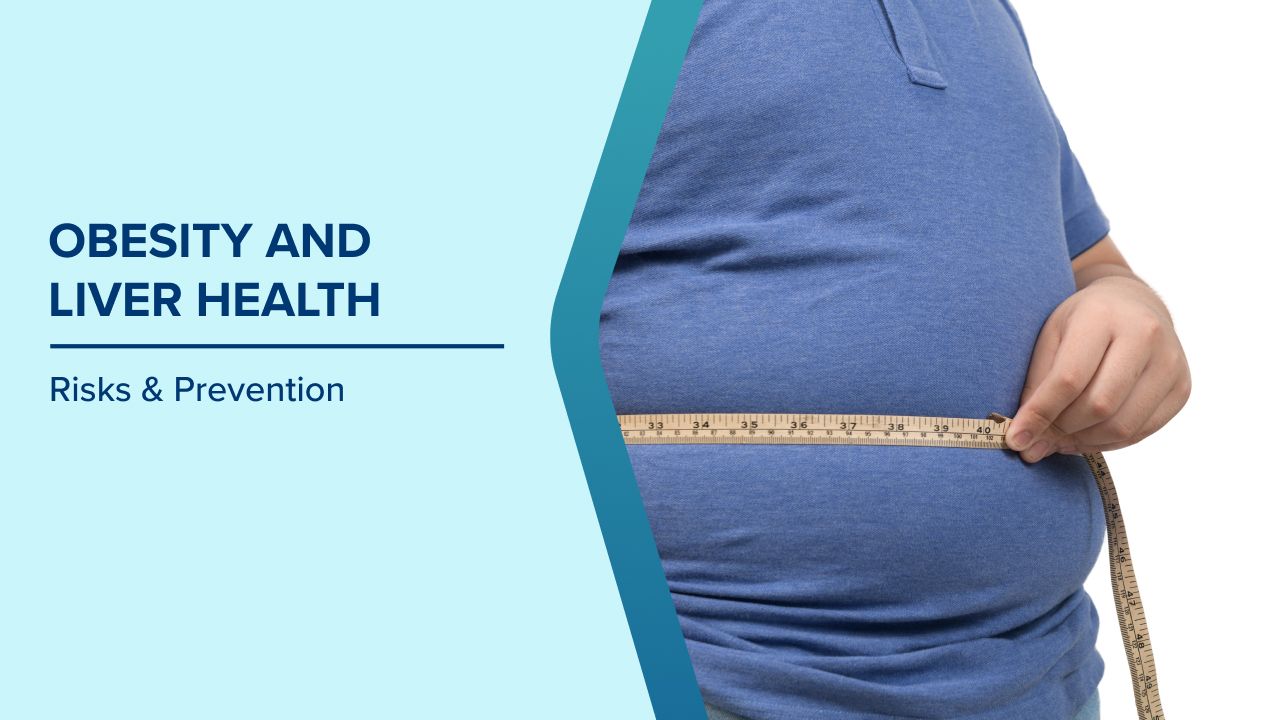
Obesity can affect more than body weight. Excess body fat can change how the liver processes nutrients, how the gallbladder handles bile and how the digestive system functions. These changes may develop gradually, sometimes without noticeable symptoms until a complication occurs.
Understanding how obesity affects the liver and digestive system can help you recognise potential problems early. Although not everyone living with obesity develops digestive disease, excess body fat can increase the risk of conditions such as fatty liver disease, gallstones, acid reflux and certain intestinal problems.
How Does Obesity Affect the Liver?
The liver processes nutrients, regulates energy storage, produces bile and helps remove harmful substances from the blood. When excess energy accumulates in the body, fat can also build up within liver cells.
This can lead to metabolic dysfunction-associated steatotic liver disease (MASLD), previously known as non-alcoholic fatty liver disease. The condition is associated with metabolic risk factors, including obesity, insulin resistance and type 2 diabetes.
1. Fatty Liver Disease
Fatty liver disease develops when excess fat accumulates in the liver. It is often associated with increased abdominal fat and metabolic changes that affect how the body handles glucose and fats.
In its early stages, the condition may cause no obvious symptoms. Some people discover it during routine blood tests or an abdominal ultrasound performed for another reason.
Fatty liver does not always progress to serious disease. However, persistent fat accumulation can be accompanied by liver inflammation and damage in some individuals.
2. Liver Inflammation and Scarring
In some people, fatty liver disease progresses to metabolic dysfunction-associated steatohepatitis (MASH), previously called non-alcoholic steatohepatitis. This involves fat accumulation alongside liver cell injury and inflammation.
Over time, ongoing inflammation can lead to fibrosis, in which scar tissue develops within the liver. Advanced fibrosis may progress to cirrhosis, where extensive scarring interferes with normal liver function.
Obesity, particularly when accompanied by diabetes or other metabolic conditions, increases the risk of progression. However, the course varies between individuals, and many people with fatty liver do not develop advanced liver disease.
3. Insulin Resistance and Liver Fat
Insulin helps regulate blood glucose and the storage and use of energy. Excess body fat can make the body's cells less responsive to insulin, a problem known as insulin resistance.
As a result, the liver may produce and store more fat than it can efficiently manage. This can contribute to fatty liver disease and reinforce the metabolic problems associated with obesity.
Managing blood glucose, blood pressure and cholesterol alongside weight can help address these interconnected risks.
How Does Obesity Affect the Digestive System?
The effects of obesity extend beyond the liver. Changes in abdominal pressure, bile composition, gut movement and metabolism can increase the likelihood of several digestive conditions.
1. Acid Reflux and Gastro-Oesophageal Reflux Disease
Excess abdominal fat can increase pressure within the abdomen, encouraging stomach contents to move back into the oesophagus. This can cause heartburn, a sour taste in the mouth, regurgitation or discomfort after meals.
When reflux occurs frequently, it may develop into gastro-oesophageal reflux disease (GORD). Persistent acid exposure can irritate the oesophageal lining and sometimes lead to complications.
Symptoms may become more noticeable after large meals or when lying down soon after eating. Persistent swallowing difficulties, unexplained weight loss or ongoing symptoms despite treatment need medical assessment rather than being attributed to reflux alone.
2. Gallstones and Gallbladder Problems
The liver produces bile, which helps the body digest fats. The gallbladder stores and releases bile into the small intestine when needed.
Obesity can alter cholesterol metabolism and increase the likelihood of cholesterol-rich gallstones forming in the gallbladder. These stones may remain unnoticed, but some can block bile flow and cause symptoms.
Gallstones can produce pain in the upper right abdomen, particularly after meals, and the discomfort may spread towards the back or right shoulder. Complications can include gallbladder inflammation or blockage of the bile ducts.
Severe abdominal pain, fever or yellowing of the skin or eyes requires prompt medical assessment.
3. Changes in Bowel Function
Obesity is associated with metabolic and dietary factors that may influence bowel habits. Some people experience constipation, bloating or irregular bowel movements, although these symptoms can have many other causes.
Dietary patterns low in fibre, limited physical activity and certain medications may contribute to constipation. Gut bacteria may also differ between individuals with different metabolic profiles, but these differences do not establish a single cause for digestive symptoms.
Persistent changes in bowel habits, blood in the stool or unexplained abdominal pain should be assessed rather than automatically blamed on weight.
4. Increased Risk of Certain Digestive Cancers
Obesity is associated with an increased risk of several cancers, including colorectal cancer and some cancers affecting the digestive tract and nearby organs. Chronic inflammation, insulin resistance and changes in hormone and metabolic signalling may contribute to these associations.
Having obesity does not mean a person will develop cancer. However, maintaining recommended screening appointments and seeking assessment for persistent symptoms are important parts of preventive care.
Can Obesity-Related Liver and Digestive Problems Occur Without Symptoms?
Yes. Fatty liver disease can progress without causing obvious discomfort, and liver blood tests may remain within the normal range in some people with significant disease.
Gallstones can also remain silent until they cause a blockage or inflammation. Similarly, metabolic changes may develop before a person notices digestive symptoms.
Depending on individual risk factors, a doctor may recommend blood tests, an assessment of glucose and cholesterol levels, abdominal ultrasound or specialised tests to evaluate liver scarring. Not everyone needs every investigation.
If you have obesity alongside diabetes, high blood pressure or abnormal liver results, discuss whether liver assessment is appropriate. Early identification can help guide monitoring and treatment before complications develop.
How Can You Protect Your Liver and Digestive Health?
Addressing obesity-related risks involves sustainable changes rather than quick fixes. The right approach depends on your overall health, medical history and any existing complications.
- Choose balanced meals: Include vegetables, fruit, whole grains, suitable protein sources and healthy fats. Limit frequent consumption of highly processed foods and excessive added sugars.
- Increase physical activity gradually: Regular movement supports metabolic health and can improve insulin sensitivity. Choose activities suited to your fitness and mobility.
- Work towards a sustainable weight: For people with excess weight, gradual weight loss can reduce liver fat and improve metabolic health. Avoid crash diets, which may be difficult to maintain and can increase the risk of gallstones during rapid weight loss.
- Manage related conditions: Appropriate treatment for diabetes, high blood pressure and abnormal cholesterol can help reduce long-term risks.
- Review medicines and supplements: Some products can affect the liver or digestive system. Seek medical advice before starting supplements marketed for weight loss or liver cleansing.
- Follow recommended screening and check-ups: Your doctor can advise whether liver tests, digestive investigations or cancer screening are appropriate for your age and risk profile.
When Should You Consult a Doctor?
Seek medical advice if you have persistent abdominal discomfort, frequent reflux, unexplained changes in bowel habits or abnormal liver test results. A medical review is particularly useful if these occur alongside obesity, diabetes or other metabolic conditions.
Urgent assessment is needed for severe or persistent abdominal pain, repeated vomiting, vomiting blood, black stools, jaundice or fever accompanied by abdominal pain. These symptoms may indicate a complication requiring prompt treatment.
Conclusion
Obesity can affect the liver and digestive system through fat accumulation, insulin resistance, increased abdominal pressure and changes in bile metabolism. These effects may contribute to fatty liver disease, gallstones, acid reflux and other complications, sometimes before noticeable symptoms develop. Sustainable weight management, treatment of related metabolic conditions and timely medical assessment can help reduce risks. If you are concerned about your liver or digestive health, consult a healthcare professional for advice tailored to your circumstances.
Frequently Asked Questions
1. Can fatty liver disease occur even if I do not drink alcohol?
Yes. Metabolic dysfunction-associated steatotic liver disease is linked to metabolic risk factors, including obesity and insulin resistance, and can occur in people who do not drink alcohol.
2. Can losing weight reverse fatty liver disease?
Weight loss can reduce liver fat and improve metabolic health. The degree of improvement depends on the stage of liver disease and other health factors. Established scarring may not fully reverse, so medical follow-up can still be necessary.
3. Does obesity always cause digestive problems?
No. Many people with obesity do not develop noticeable digestive symptoms. However, obesity increases the risk of certain conditions, and symptoms should be assessed according to their pattern and severity.
4. Can obesity cause gallstones during weight loss?
Rapid weight loss can increase the risk of gallstones, particularly during very restrictive diets or rapid weight reduction. Gradual, supervised weight management is generally a more sustainable approach.
5. Which specialist should I consult for obesity-related liver problems?
A gastroenterologist or hepatologist can assess liver and digestive conditions. Depending on your needs, your care may also involve a physician or endocrinologist to manage obesity, diabetes and other metabolic risk factors.
Written and Verified by:

Related Blogs

Dr. Nivedita Pandey In Gastroenterology, Hepatology & Endoscopy , Liver Transplant and Biliary Sciences
Nov 07 , 2020 | 2 min read
Dr. Nivedita Pandey In Gastroenterology, Hepatology & Endoscopy , Liver Transplant and Biliary Sciences
Nov 07 , 2020 | 2 min read
Blogs by Doctor
Most read Blogs


Related Blogs
Dr. Nivedita Pandey In Gastroenterology, Hepatology & Endoscopy , Liver Transplant and Biliary Sciences
Nov 07 , 2020 | 2 min read
Dr. Nivedita Pandey In Gastroenterology, Hepatology & Endoscopy , Liver Transplant and Biliary Sciences
Nov 07 , 2020 | 2 min read
Blogs by Doctor
Most read Blogs