 WhatsApp Us (24/7)
 +91 926 888 0303 (24/7)


To Book an Appointment
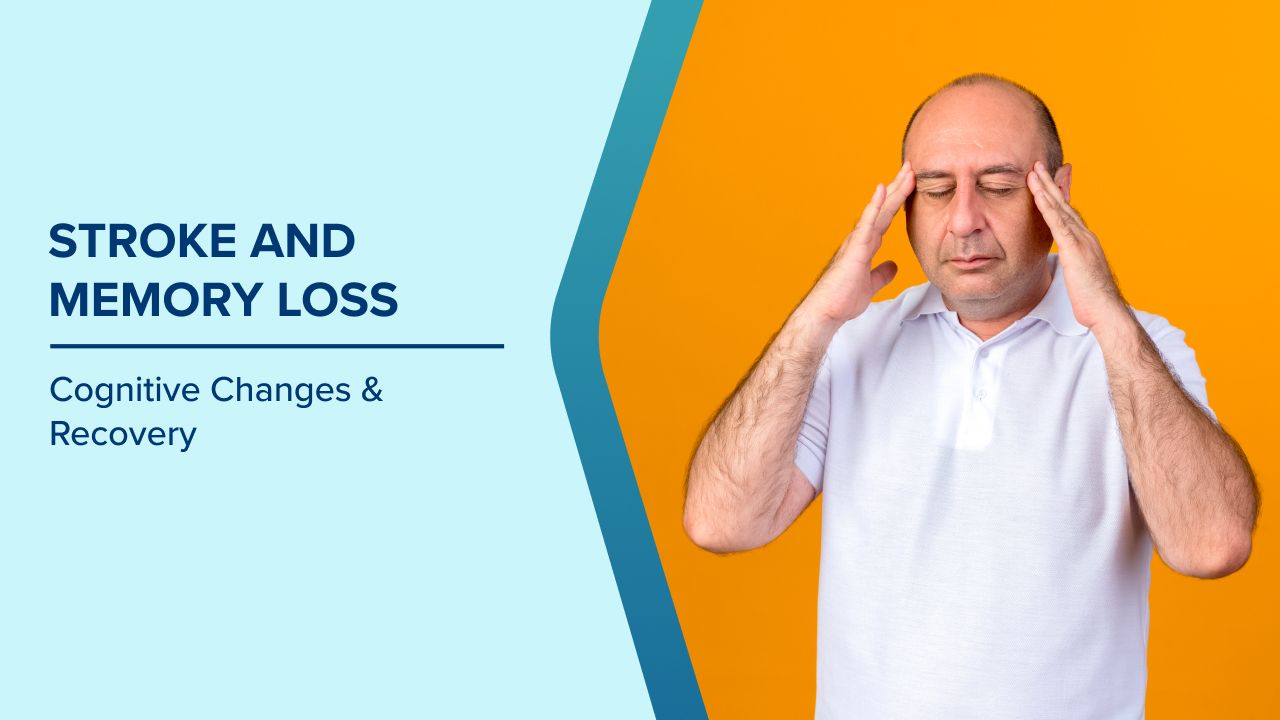
Call Us+91 926 888 0303Stroke and Memory Loss: Cognitive Changes & Recovery
By Dr. Tushar Kant Arora in Neurosurgery , Spine Surgery , Neuro Oncology
Aug 04 , 2026
1

A stroke is commonly associated with physical effects such as weakness, speech difficulties, or problems with movement. However, it can also affect memory, thinking, behaviour, and emotions, sometimes in ways that are less obvious but equally challenging. These cognitive changes may make it harder to concentrate, solve problems, communicate, or manage everyday tasks.
Recognising these changes is an important part of recovery. With timely assessment, appropriate rehabilitation, and continued support, many stroke survivors can improve their cognitive function and regain confidence in their daily lives.
Understanding Cognitive Changes After a Stroke
The brain controls not only movement and speech but also memory, attention, judgement, emotions, and behaviour. When a stroke interrupts blood flow to a specific area of the brain, these functions may be affected depending on the location and severity of the damage.
Cognitive changes do not occur in every stroke survivor, and they can vary widely. Some people experience only mild difficulties that improve over time, while others may require longer-term rehabilitation and support.
These changes are not a sign of reduced intelligence. Instead, they reflect the brain's temporary or permanent difficulty in processing information following an injury.
Common Memory Problems After a Stroke
Memory difficulties are among the most frequently reported cognitive changes after stroke. These problems often involve recent or short-term memory rather than long-term memories.
A person may:
- Forget recent conversations or appointments
- Misplace everyday items more often
- Need repeated reminders for daily activities
- Find it difficult to remember new information
- Struggle to follow multi-step instructions
Long-term memories, such as childhood experiences or well-practised skills, are often less affected than the ability to form new memories.
Changes in Attention and Concentration
Many stroke survivors notice that they become mentally tired much more quickly than before. Activities that require sustained attention, such as reading, watching television, or participating in conversations, may become more challenging.
Common difficulties include:
- Losing focus easily
- Becoming distracted by background noise
- Difficulty concentrating on one task for long periods
- Taking longer to complete mentally demanding activities
- Feeling overwhelmed when several things happen at once
Mental fatigue is common during recovery and often improves gradually with rehabilitation and adequate rest.
Difficulties with Thinking and Problem-Solving
Some people develop challenges with what doctors call executive function. These are the thinking skills that help us organise, plan, make decisions, and solve problems.
A stroke may make it harder to:
- Plan daily activities
- Organise tasks in the correct order
- Make decisions confidently
- Adapt to unexpected situations
- Manage finances or medications
- Complete tasks that require several steps
These changes can affect independence, particularly when returning to work or managing household responsibilities.
Language and Communication Changes
Even when speech is physically clear, cognitive changes may affect communication.
Some individuals may:
- Have difficulty finding the right words
- Take longer to understand complex conversations
- Lose track of discussions
- Struggle to follow written instructions
- Find reading or writing more difficult than before
These problems differ from physical speech disorders because they involve processing and understanding language rather than producing sounds.
Behavioural and Emotional Changes
Stroke can influence emotional regulation and behaviour because different parts of the brain play important roles in controlling mood and social interactions.
Behavioural changes may include:
- Increased irritability
- Reduced patience
- Emotional outbursts
- Impulsive behaviour
- Difficulty recognising social cues
- Reduced motivation
Some people become quieter and less socially engaged, while others may appear more outspoken or act differently from their usual personality.
These changes can be distressing for both patients and families but are often related to the brain injury rather than intentional behaviour.
Emotional Health After Stroke
Emotional wellbeing is closely linked to cognitive recovery. Many stroke survivors experience emotional changes as they adjust to life after stroke.
Common emotional concerns include:
- Anxiety about another stroke
- Low mood or depression
- Frustration with slower thinking
- Loss of confidence
- Social withdrawal
Recognising these challenges early allows healthcare professionals to provide appropriate psychological support alongside physical rehabilitation.
How Cognitive Changes Affect Everyday Life
Cognitive difficulties can influence many aspects of daily living, even when physical recovery is progressing well.
A person may find it harder to:
- Return to work
- Drive safely
- Manage household responsibilities
- Follow medication schedules
- Prepare meals independently
- Participate confidently in social situations
How Doctors Assess Cognitive Function After Stroke
Cognitive assessment forms an important part of stroke rehabilitation. Doctors may recommend evaluation if a patient reports memory problems, confusion, or changes in behaviour.
Assessment may include:
- Memory and attention tests
- Language and communication evaluation
- Problem-solving exercises
- Assessment of planning and reasoning skills
- Emotional and psychological screening
In some cases, brain imaging may help explain persistent symptoms or guide further treatment planning.
Rehabilitation for Cognitive Recovery
Recovery involves more than physical therapy. Cognitive rehabilitation helps individuals improve thinking skills or develop strategies to manage areas that remain challenging.
Treatment plans may include:
Cognitive Rehabilitation Therapy
Specially designed exercises help strengthen attention, memory, reasoning, and problem-solving skills.
Speech and Language Therapy
Speech-language therapists support communication difficulties, including language comprehension, reading, writing, and word-finding problems.
Occupational Therapy
Occupational therapists help people develop practical strategies for managing daily tasks, improving independence at home and in the workplace.
Psychological Support
Counselling or psychological therapy may help patients cope with emotional changes, adjust to recovery, and rebuild confidence.
Practical Strategies to Support Cognitive Recovery
While recovery differs for every individual, certain habits may help support cognitive rehabilitation.
These include:
- Following a consistent daily routine
- Using calendars, diaries, or reminder apps
- Breaking larger tasks into smaller steps
- Completing one activity at a time
- Taking regular breaks to reduce mental fatigue
- Keeping physically active as advised by the healthcare team
- Engaging in mentally stimulating activities such as puzzles, reading, or memory exercises
- Maintaining regular follow-up appointments
Small improvements often build gradually over weeks and months.
Can Cognitive Function Improve Over Time?
Many people experience gradual improvement during the months following a stroke. The brain has an ability known as neuroplasticity, which allows healthy areas of the brain to adapt and develop new connections after injury.
The extent of recovery depends on several factors, including:
- The type and severity of the stroke
- The area of the brain affected
- Age and overall health
- How soon rehabilitation begins
- Participation in ongoing therapy
While some people recover most of their cognitive abilities, others may continue to experience lasting challenges. Early intervention and consistent rehabilitation offer the best opportunity for improvement.
Conclusion
Stroke can affect much more than physical movement. Changes in memory, attention, thinking, communication, behaviour, and emotional wellbeing are common and can influence everyday life long after the initial event. Recognising these changes early is an important step towards appropriate treatment and rehabilitation.
With timely assessment, personalised therapy, and continued support from healthcare professionals and loved ones, many stroke survivors can improve their cognitive function, regain independence, and adapt successfully to life after stroke.
Frequently Asked Questions
1. Are memory problems after a stroke always permanent?
Not necessarily. Many people experience gradual improvement with rehabilitation, although recovery varies depending on the severity and location of the stroke.
2. Can a person have normal physical recovery but still experience cognitive problems?
Yes. Some stroke survivors recover physically yet continue to face challenges with memory, concentration, decision-making, or emotional regulation.
3. When should cognitive rehabilitation begin after a stroke?
Assessment and rehabilitation usually begin as soon as the patient is medically stable, as early intervention can support better recovery.
4. Can cognitive changes affect a person's ability to work?
Yes. Difficulties with attention, planning, memory, or communication may affect work performance. A rehabilitation team can help determine when it is safe to return to work and recommend appropriate adjustments.
5. Which healthcare professionals help with cognitive recovery after stroke?
Recovery often involves a multidisciplinary team that may include neurologists, rehabilitation physicians, speech and language therapists, occupational therapists, psychologists, and physiotherapists, depending on the individual's needs.
Written and Verified by:

Related Blogs

Dr. Priyank Uniyal In Neurosurgery
Nov 09 , 2020 | 3 min read

Dr. Sanjeev Kumar Gupta In Neurosurgery , Neurosciences
Nov 09 , 2020 | 2 min read
Most read Blogs


Related Blogs
Dr. Priyank Uniyal In Neurosurgery
Nov 09 , 2020 | 3 min read
Dr. Sanjeev Kumar Gupta In Neurosurgery , Neurosciences
Nov 09 , 2020 | 2 min read
Most read Blogs