 WhatsApp Us (24/7)
 +91 926 888 0303 (24/7)


To Book an Appointment
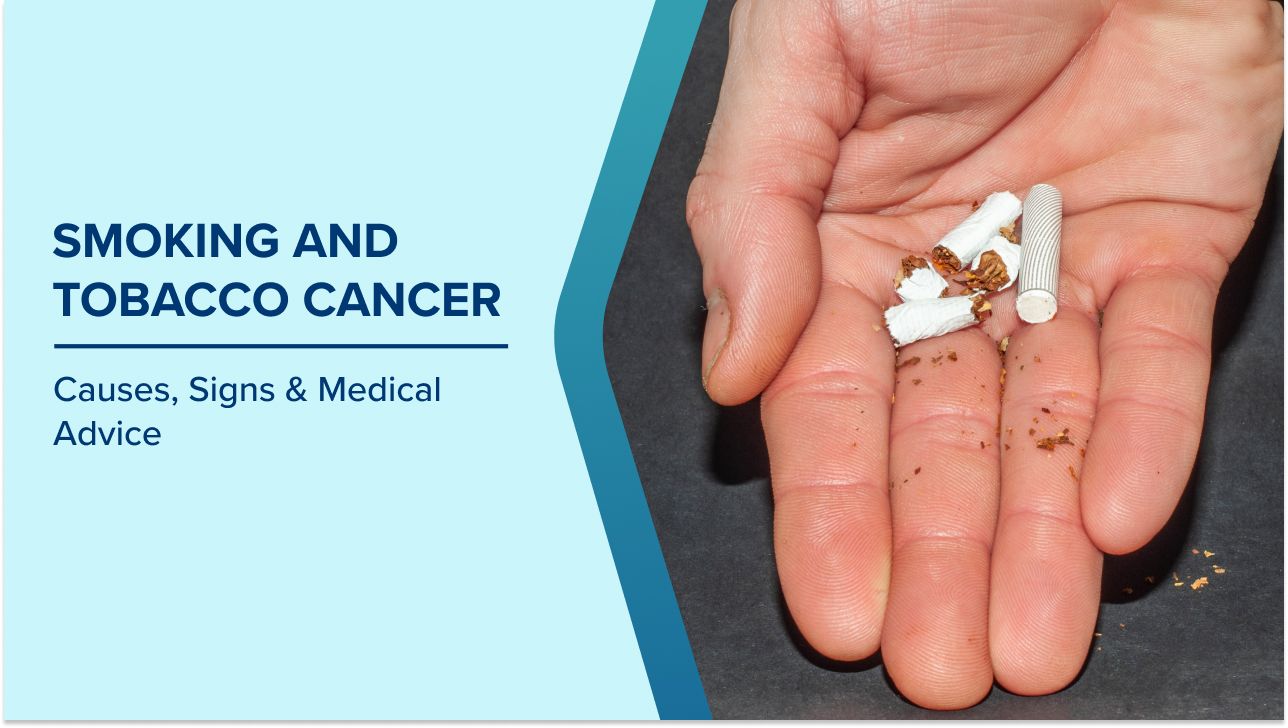
Call Us+91 926 888 0303Smoking and Tobacco Cancer: Causes, Signs & Medical Advice
By Dr Akanksha in Medical Oncology , Cancer Care / Oncology , Breast Cancer , Thoracic Oncology , Gynecologic Oncology , Head & Neck Oncology
Sep 14 , 2026

Tobacco is one of the leading causes of preventable cancer worldwide. Both smoking and smokeless tobacco products expose the body to harmful chemicals that damage cells and DNA, increasing the risk of several types of cancer. From cigarettes and bidis to chewing tobacco and gutka, tobacco use has serious long-term health effects. Understanding how tobacco causes cancer, recognising early warning signs, and knowing the benefits of quitting can help reduce health risks. Early tobacco cessation significantly lowers the chances of developing cancer caused by smoking and other tobacco-related diseases.
What Is Tobacco and Why Is It Harmful?
Tobacco is a plant product commonly used in smoking and smokeless forms. It contains nicotine, a highly addictive substance that keeps users dependent over time.
Smoking Tobacco
- Cigarettes
- Bidis
- Cigars
- Pipes
Smokeless Tobacco
- Gutka
- Khaini
- Chewing tobacco
- Snuff
Regardless of the form, tobacco exposes the body to toxic chemicals linked to cancer and other serious diseases.
Nicotine Addiction
Nicotine rapidly reaches the brain, producing temporary feelings of relaxation or stimulation. Over time, the body becomes dependent on nicotine, making quitting difficult. This addiction often leads to long-term tobacco use and repeated exposure to harmful chemicals.
Toxic Chemicals in Tobacco Products
Tobacco smoke and smokeless tobacco contain thousands of chemicals, many of which are dangerous. These include:
- Tar
- Benzene
- Formaldehyde
- Arsenic
- Ammonia
- Carbon monoxide
Several of these chemicals are known carcinogens, meaning they directly increase cancer risk.
How Tobacco Causes Cancer
Harmful Chemicals Damage DNA
The main reason smoking causes cancer is that tobacco chemicals damage DNA inside cells. DNA controls how cells grow and repair themselves. When DNA is repeatedly damaged, abnormal cells may begin to grow uncontrollably. Over time, these abnormal cells can develop into cancer.
Chronic Inflammation
Tobacco smoke constantly irritates tissues in the:
- Lungs
- Mouth
- Throat
- Airways
This ongoing irritation causes chronic inflammation, which may increase the likelihood of cancer development.
Weakening of Immune Defense
Tobacco use weakens the immune system, making it harder for the body to:
- Repair damaged cells
- Remove abnormal cells
- Fight infections
As a result, cancer cells may survive and continue growing.
Dangerous Carcinogens in Tobacco
- Tar: Tar coats the lungs and damages respiratory tissues.
- Benzene: A chemical linked to blood cancers such as leukaemia.
- Formaldehyde: Known to damage cells and irritate tissues.
- Arsenic: A toxic substance associated with several cancers.
Repeated exposure to these tobacco chemicals significantly increases cancer risk over time.
Types of Cancer Linked to Tobacco Use
Tobacco is associated with multiple forms of cancer affecting different organs.
Lung Cancer
Lung cancer has the strongest link to smoking. Most lung cancer cases are caused by tobacco use. Common lung cancer symptoms:
- Persistent cough
- Coughing blood
- Chest pain
- Shortness of breath
- Unexplained weight loss
Smoking damages lung tissue continuously, increasing the risk of cancerous changes.
Oral Cancer
Oral cancer from tobacco is especially common in people who chew tobacco or use gutka. Areas commonly affected include:
- Tongue
- Gums
- Inner cheeks
- Lips
Warning signs may include:
- Non-healing mouth ulcers
- White or red patches
- Difficulty chewing
Throat and Voice Box Cancer
Smoking increases the risk of cancers affecting:
- Throat
- Larynx (voice box)
- Vocal cords
People may notice:
- Persistent hoarseness
- Difficulty speaking
- Pain while swallowing
Esophageal Cancer
Tobacco use can damage the oesophagus and increase the risk of oesophageal cancer, especially when combined with alcohol consumption.
Bladder Cancer
Harmful chemicals from tobacco enter the bloodstream and are filtered through the kidneys into urine. This exposes the bladder lining to carcinogens and increases bladder cancer risk.
Pancreatic and Kidney Cancer
Studies also link tobacco use to:
- Pancreatic cancer
- Kidney cancer
The risk increases further with long-term tobacco exposure.
Can Secondhand Smoke Cause Cancer?
Yes, passive smoking risks are well established. People exposed to secondhand smoke inhale many of the same toxic chemicals as smokers.
Health Risks of Passive Smoking
Secondhand smoke exposure may increase the risk of:
- Lung cancer
- Heart disease
- Respiratory illnesses
Children exposed to smoke are especially vulnerable because their lungs are still developing.
Family members living with smokers may face long-term health risks even if they do not smoke themselves.
Early Warning Signs of Tobacco-Related Cancer
Recognising symptoms early may improve treatment outcomes. Warning signs you should not ignore:
- Persistent cough
- Blood in sputum
- Mouth ulcers that do not heal
- Difficulty swallowing
- Voice changes or hoarseness
- Unexplained weight loss
- Persistent throat pain
- Swelling in the neck
- Chronic chest discomfort
Any long-lasting or unusual symptom should be medically evaluated, especially in long-term tobacco users.
Smokeless Tobacco vs Smoking: Which Is More Dangerous?
Many people believe smokeless tobacco is safer than smoking, but this is incorrect. Both smoking and smokeless tobacco significantly increase cancer risk.
Smoking Tobacco
More strongly linked to:
- Lung cancer
- Throat cancer
- Heart disease
Smokeless Tobacco
More strongly associated with:
- Oral cancer
- Gum disease
- Tooth damage
- Mouth lesions
Smokeless Tobacco Dangers
Products such as gutka and chewing tobacco contain carcinogenic chemicals that remain in direct contact with the mouth tissues for prolonged periods. No form of tobacco is considered safe.
Benefits of Quitting Tobacco
Quitting tobacco has major health benefits at every stage.
Within 24 Hours
- Blood pressure begins improving
- Carbon monoxide levels drop
- Oxygen circulation improves
Within Weeks to Months
- Breathing becomes easier
- Lung function improves
- Coughing may reduce
- Energy levels improve
Long-Term Benefits
Over time, quitting reduces the risk of:
- Lung cancer
- Heart disease
- Stroke
- Oral cancer
Although cancer risk may not disappear completely, stopping tobacco significantly improves long-term health outcomes.
How to Quit Tobacco Successfully
Quitting tobacco can be challenging because of nicotine addiction, but support and treatment can improve success rates.
Counselling and Behavioural Support
Professional counselling helps people:
- Identify triggers
- Manage cravings
- Build coping strategies
Nicotine Replacement Therapy
Nicotine replacement products include:
- Nicotine gum
- Patches
- Lozenges
These may reduce withdrawal symptoms.
Lifestyle Support
Helpful habits include:
- Regular exercise
- Stress management
- Healthy eating
- Staying away from smoking triggers
Medical Help
Doctors may prescribe medications that help reduce nicotine cravings and improve quit success. Seeking support early increases the chances of quitting successfully.
Myths About Tobacco and Cancer
Myth: Only Heavy Smokers Get Cancer
Fact: Even occasional smoking increases cancer risk. There is no completely safe level of tobacco use.
Myth: Filtered Cigarettes Are Safer
Fact: Filtered cigarettes still expose users to harmful carcinogens and toxic smoke.
Myth: Chewing Tobacco Is Less Harmful
Fact: Smokeless tobacco may not affect the lungs directly, but it significantly increases oral cancer risk.
When to Seek Medical Advice
Medical evaluation is important for anyone with persistent symptoms or long-term tobacco exposure. See a doctor if you have:
- Chronic cough
- Blood in sputum
- Persistent mouth ulcers
- Difficulty swallowing
- Voice changes
- Unexplained weight loss
- Breathing difficulty
Early diagnosis improves the chances of successful treatment.
Conclusion
Tobacco significantly increases the risk of multiple cancers by damaging DNA, weakening immune defences, and exposing the body to harmful carcinogens. Both smoking and smokeless tobacco products can lead to serious health complications, including lung, oral, throat, and bladder cancers. Recognising early warning signs and understanding the dangers of tobacco are important steps toward prevention. The good news is that quitting tobacco at any stage can improve health and reduce cancer risk over time. Individuals experiencing persistent symptoms or struggling with tobacco addiction should seek medical advice and support for quitting.
Frequently Asked Questions
Can occasional smoking also cause cancer?
Yes, even occasional smoking exposes the body to carcinogens. Cancer risk increases with continued exposure over time.
Does quitting smoking completely remove cancer risk?
Quitting significantly lowers cancer risk, but former smokers may still carry some long-term risk depending on the duration and intensity of tobacco use.
Which cancer is most commonly caused by tobacco?
Lung cancer is the cancer most strongly linked to smoking and tobacco exposure.
Can vaping also increase cancer risk?
Research on vaping is still ongoing. Some vaping products contain harmful chemicals that may affect lung and cardiovascular health.
How long does it take for the body to recover after quitting smoking?
Some health improvements begin within days, while long-term reductions in cancer risk occur gradually over several years.
Is smokeless tobacco safer than cigarettes?
No, smokeless tobacco still contains carcinogens and significantly increases the risk of oral cancer and gum disease.
Written and Verified by:

Related Blogs


Dr. Meenu Walia In Medical Oncology , Cancer Care / Oncology
Aug 02 , 2016 | 4 min read
Most read Blogs


Related Blogs
Dr. Meenu Walia In Medical Oncology , Cancer Care / Oncology
Aug 02 , 2016 | 4 min read
Most read Blogs