 WhatsApp Us (24/7)
 +91 926 888 0303 (24/7)


To Book an Appointment
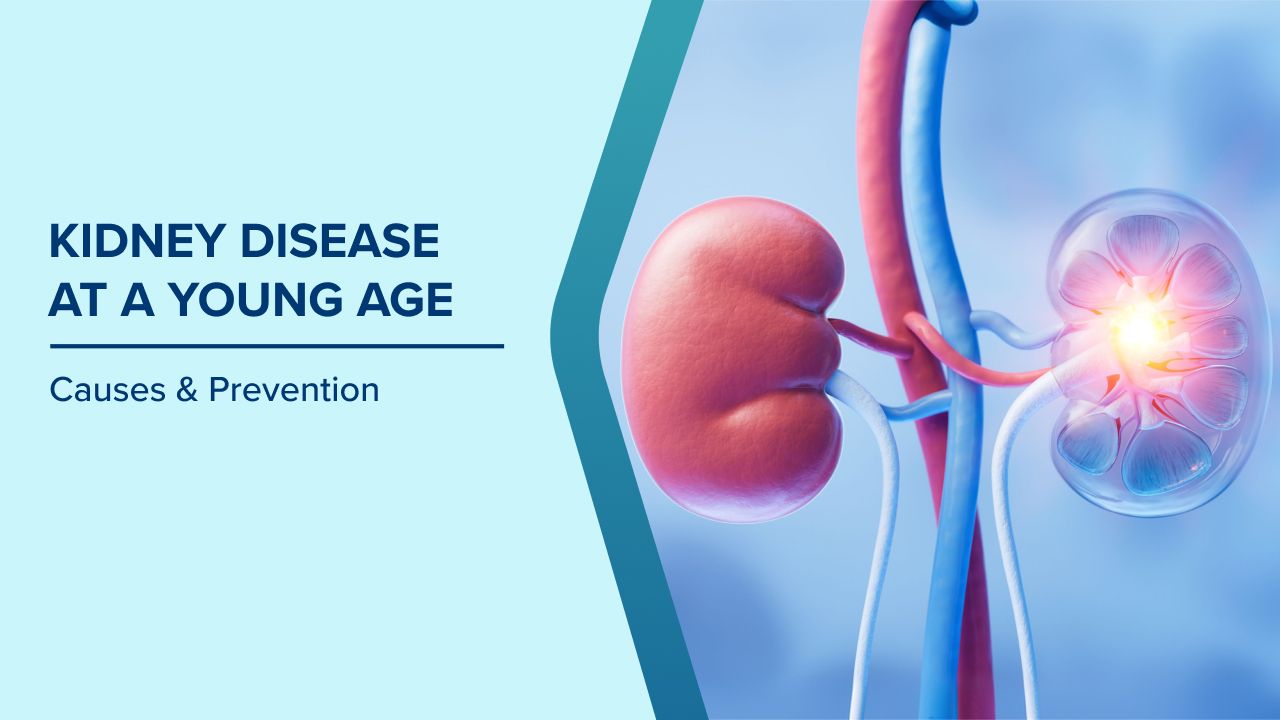
Call Us+91 926 888 0303Kidney Disease at a Young Age: Causes & Prevention
By Dr. Vishal Saxena in Nephrology , Kidney Transplant
Sep 25 , 2026
1

Kidney disease is often considered a health problem associated with ageing, but it can affect younger adults too. Chronic kidney disease (CKD) may develop gradually, often without obvious symptoms, allowing damage to progress unnoticed. While age remains an important risk factor, conditions such as diabetes, high blood pressure, obesity and a family history of kidney disease can increase the risk at a much younger age.
Lifestyle Changes Are Playing a Role
Modern lifestyles can indirectly affect kidney health. Long working hours, physical inactivity, unhealthy diets, excessive salt intake, weight gain and poor sleep can contribute to obesity, diabetes and high blood pressure, three conditions closely linked to kidney damage. Obesity, for example, increases the risk of CKD partly because it raises the likelihood of developing diabetes and hypertension.
Diabetes and High Blood Pressure Can Start Earlier
Type 2 diabetes and hypertension are increasingly important concerns among younger adults. Persistently high blood sugar can damage the tiny blood vessels and filtering units of the kidneys, while uncontrolled blood pressure can damage kidney blood vessels over time. These conditions can create a cycle in which kidney damage further affects blood pressure control.
Painkillers and Self-Medication
Frequent or prolonged use of certain over-the-counter painkillers, particularly non-steroidal anti-inflammatory drugs (NSAIDs) such as ibuprofen and naproxen, can harm the kidneys. Young adults who routinely self-medicate for headaches, muscle pain or other problems should avoid taking such medicines regularly without medical advice.
Family History and Other Conditions
Genetic and familial factors can also increase susceptibility. A family history of kidney failure or CKD warrants greater awareness and, when appropriate, medical evaluation. Kidney infections, certain autoimmune or inherited kidney disorders, cardiovascular disease and previous kidney injury can also contribute to kidney problems.
The Biggest Problem: Kidney Disease May Be Silent
One reason kidney disease can be missed in young adults is that early CKD may cause few or no noticeable symptoms. Testing may therefore identify kidney damage before a person feels unwell. Blood tests that assess kidney function, such as estimated glomerular filtration rate (eGFR), and urine tests for albumin can help detect kidney problems.
How Can Young Adults Protect Their Kidneys?
Simple preventive measures can make a significant difference:
- Maintain a healthy weight and stay physically active.
- Keep blood pressure and blood sugar under control.
- Reduce excessive salt and highly processed foods.
- Avoid smoking and limit alcohol intake.
- Stay adequately hydrated, particularly during illness or strenuous activity.
- Avoid frequent self-medication with painkillers.
- Do not ignore recurrent urinary or kidney infections.
- If you have diabetes, hypertension or a family history of kidney disease, discuss appropriate kidney screening with your doctor.
The key message is that kidney disease is not exclusively an older person's problem. With metabolic conditions appearing earlier in life and unhealthy lifestyle habits becoming increasingly common, young adults should pay attention to kidney health too. Early detection and timely management of risk factors can help slow or prevent kidney damage and protect kidney function for the long term.
Written and Verified by:

Related Blogs

Dr. Puneet Arora In Nephrology
Nov 11 , 2020 | 2 min read

Nov 11 , 2020 | 9 min read
Blogs by Doctor
Why Uncontrolled Blood Pressure is the Leading Risk Factor for Kidney Failure
Dr. Vishal Saxena In Nephrology , Kidney Transplant
Sep 12 , 2025 | 2 min read

From Dialysis to New Life: Understanding Benefits of Kidney Transplant
Dr. Vishal Saxena In Nephrology , Kidney Transplant
Oct 27 , 2025 | 2 min read
Most read Blogs


Related Blogs
Dr. Puneet Arora In Nephrology
Nov 11 , 2020 | 2 min read
Nov 11 , 2020 | 9 min read
Blogs by Doctor
Why Uncontrolled Blood Pressure is the Leading Risk Factor for Kidney Failure
Dr. Vishal Saxena In Nephrology , Kidney Transplant
Sep 12 , 2025 | 2 min read
From Dialysis to New Life: Understanding Benefits of Kidney Transplant
Dr. Vishal Saxena In Nephrology , Kidney Transplant
Oct 27 , 2025 | 2 min read
Most read Blogs