 WhatsApp Us (24/7)
 +91 926 888 0303 (24/7)


To Book an Appointment
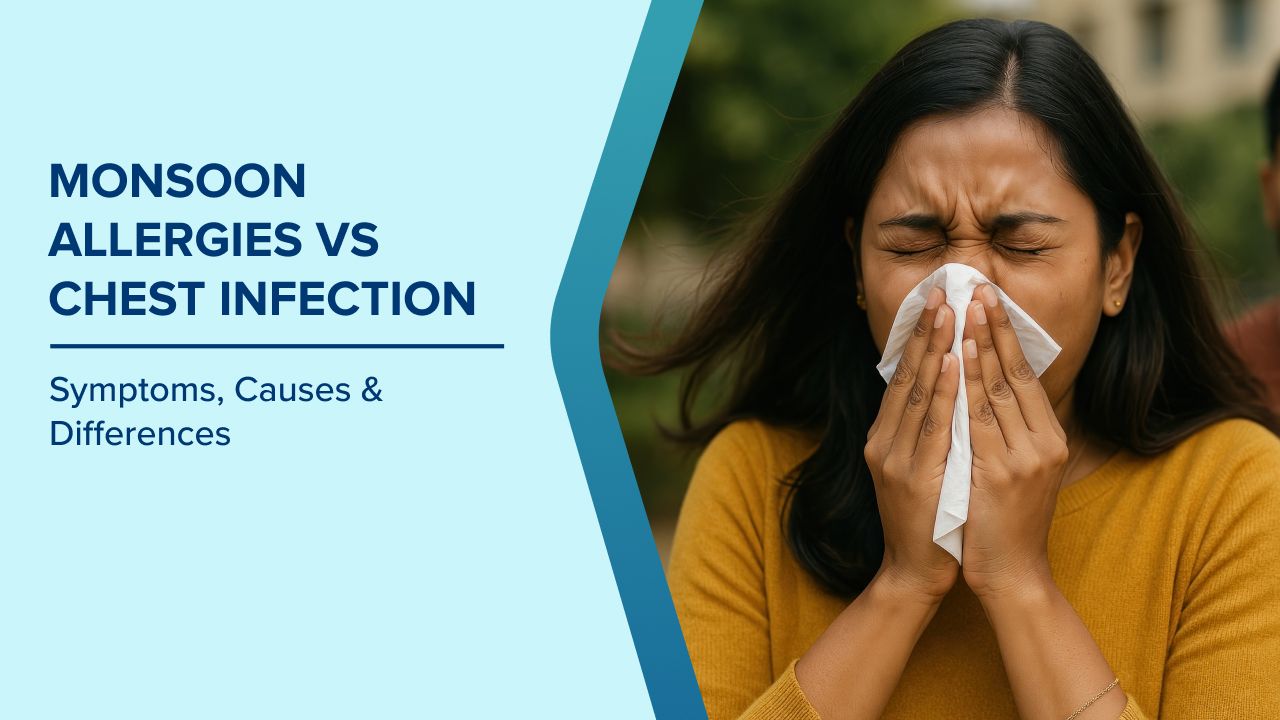
Call Us+91 926 888 0303Monsoon Allergies vs Chest Infection: Symptoms, Causes & Differences
By Dr. Manish Garg in Pulmonology , Critical Care
Jul 27 , 2026

The monsoon season often brings an increase in respiratory complaints, ranging from persistent sneezing and blocked noses to coughing and breathing discomfort. While these symptoms may seem similar, they can be caused by either seasonal allergies or a chest infection, two conditions that require different approaches to treatment.
Knowing how to recognise the differences can help you seek timely medical care, avoid unnecessary medications, and reduce the risk of complications during the rainy season.
Why Respiratory Problems Increase During the Monsoon
The rainy season creates an environment that encourages the growth and spread of several allergy triggers and infectious organisms.
Common reasons include:
- Increased mould growth in damp indoor spaces
- Higher levels of dust mites due to humidity
- Damp clothes and furnishings harbouring allergens
- Seasonal viral infections
- Fluctuating temperatures affecting the respiratory tract
- Increased air pollution trapped by humid weather in some areas
While allergies occur because the immune system overreacts to harmless substances, chest infections are caused by viruses, bacteria, or, less commonly, fungi.
What Are Monsoon Allergies?
Monsoon allergies occur when the immune system reacts to allergens that become more common during the rainy season.
Common triggers include:
- Mould spores
- Dust mites
- Pollen
- Pet dander
- Indoor dust
- Cockroach allergens
These allergens cause inflammation of the nose, eyes, or airways but do not involve an infection.
What Is a Chest Infection?
A chest infection affects the lower respiratory tract, including the airways or lungs. It may develop after a viral illness or occur as a bacterial infection.
Common chest infections include:
- Acute bronchitis
- Pneumonia
- Viral lower respiratory tract infections
Unlike allergies, chest infections involve germs multiplying within the respiratory system and may require medical treatment depending on the cause and severity.
Key Difference: Monsoon Allergies vs Chest Infection
Although both conditions may cause coughing and breathing discomfort, several features help distinguish one from the other.
Fever
Monsoon allergies
- Fever is usually absent.
Chest infection
- Fever is common, particularly with bacterial infections or pneumonia.
- Chills and body aches may also occur.
Cough
Monsoon allergies
- Usually, a dry cough.
- Often triggered by postnasal drip or airway irritation.
- May worsen after exposure to allergens.
Chest infection
- May begin as a dry cough but often becomes productive.
- Thick mucus or phlegm may be present.
- Cough may persist for several weeks, depending on the infection.
Nasal Symptoms
Monsoon allergies
Common symptoms include:
- Sneezing
- Runny nose
- Nasal blockage
- Itchy nose
Chest infection
Nasal symptoms may occur with viral infections, but are generally less prominent once the infection spreads to the chest.
Eye Symptoms
Itchy, watery, or red eyes strongly suggest an allergic reaction rather than a chest infection.
Eye irritation is uncommon in isolated chest infections.
Mucus
Monsoon allergies
Nasal discharge is usually clear and watery.
Chest infection
Mucus may become thicker and appear white, yellow, green, or occasionally blood-stained, depending on the underlying condition.
Mucus colour alone, however, does not reliably distinguish between viral and bacterial infections.
Breathlessness
Allergies can trigger wheezing or breathing difficulty, particularly in people with asthma.
Chest infections may also cause breathlessness, especially if pneumonia develops or underlying lung disease is present.
Persistent or worsening breathlessness always requires medical evaluation.
Duration
Allergy symptoms often continue or recur while exposure to allergens persists.
Chest infections generally improve gradually over several days to weeks, depending on the cause and treatment.
Symptoms That Suggest Monsoon Allergies
You are more likely to have seasonal allergies if you experience:
- Frequent sneezing
- Itchy nose
- Itchy or watery eyes
- Clear nasal discharge
- Nasal congestion
- Dry cough
- Symptoms that worsen indoors or in damp environments
- Similar symptoms every monsoon season
- No fever
People with allergic rhinitis or asthma may notice worsening symptoms during periods of heavy rainfall.
Symptoms That Suggest a Chest Infection
A chest infection becomes more likely if you develop:
- Fever
- Chills
- Persistent cough
- Thick phlegm
- Chest discomfort while coughing
- Shortness of breath
- Fatigue
- Loss of appetite
- General feeling of illness
Severe infections such as pneumonia may also cause rapid breathing and low oxygen levels.
Who Is More Vulnerable?
Certain individuals have a higher risk of developing respiratory problems during the monsoon.
These include:
- Young children
- Older adults
- People with asthma
- Individuals with chronic obstructive pulmonary disease (COPD)
- Smokers
- People with diabetes
- Individuals with weakened immune systems
- Those with chronic heart or lung disease
These groups should seek medical advice early if respiratory symptoms develop.
How Doctors Differentiate Between the Two
Doctors usually diagnose the condition based on symptoms, examination, and, when necessary, investigations.
These may include:
Clinical Examination
The doctor evaluates:
- Breathing pattern
- Oxygen levels
- Lung sounds
- Presence of wheezing or crackles
- Nasal and throat examination
Blood Tests
Blood tests may help identify signs of infection or inflammation when the diagnosis is uncertain.
Chest X-ray
A chest X-ray may be recommended if pneumonia or another lung condition is suspected.
Allergy Evaluation
For people with recurrent seasonal symptoms, allergy testing may help identify specific triggers and guide long-term management.
Treatment Depends on the Cause
Because allergies and infections have different causes, their treatment also differs.
Managing Monsoon Allergies
Treatment may include:
- Avoiding known allergens
- Antihistamines
- Nasal saline irrigation
- Intranasal corticosteroid sprays, when prescribed
- Asthma inhalers for individuals with allergic asthma
- Keeping indoor spaces dry and well ventilated
Antibiotics are not helpful because allergies are not caused by bacteria.
Managing Chest Infections
Treatment depends on whether the infection is viral or bacterial.
Management may include:
- Adequate rest
- Sufficient fluids
- Fever-reducing medication when needed
- Cough management
- Antibiotics only if a bacterial infection is diagnosed or strongly suspected
- Hospital care for severe infections
Most viral chest infections improve with supportive care and do not require antibiotics.
How to Reduce Your Risk During the Monsoon
Simple preventive measures can lower your chances of both allergies and infections.
These include:
- Keep your home dry to reduce mould growth.
- Clean air conditioner filters regularly.
- Wash bedding frequently to reduce dust mites.
- Dry damp clothes completely before storing them.
- Avoid exposure to cigarette smoke.
- Wash your hands regularly.
- Stay well hydrated.
- Eat a balanced diet to support immunity.
- Follow your asthma or allergy treatment plan if you have an existing respiratory condition.
- Seek early medical advice if symptoms worsen.
When Should You See a Doctor?
Consult a healthcare professional if you experience:
- Fever lasting more than two to three days
- Persistent cough lasting over three weeks
- Difficulty breathing
- Wheezing that does not improve
- Chest pain
- Coughing up blood
- High fever with chills
- Symptoms that repeatedly return during every monsoon
- Symptoms that interfere with normal daily activities
Early diagnosis helps ensure appropriate treatment and prevents complications.
Conclusion
Respiratory symptoms are common during the monsoon, but distinguishing between allergies and a chest infection is important because the treatment approaches are entirely different. Allergies typically cause sneezing, itchy eyes, and clear nasal discharge without fever, while chest infections are more likely to produce fever, persistent cough, phlegm, and general illness.
If your symptoms are severe, persistent, or accompanied by breathing difficulty, consult a doctor for an accurate diagnosis. Prompt medical evaluation can help relieve symptoms sooner, reduce unnecessary medication use, and protect your respiratory health throughout the rainy season.
Frequently Asked Questions
1. Can monsoon allergies cause coughing?
Yes. Allergies can cause a dry cough due to postnasal drip or irritation of the airways, particularly in people with allergic rhinitis or asthma.
2. Is fever common with seasonal allergies?
No. Fever is not a typical feature of allergies. A fever is more suggestive of an infection and should be medically evaluated.
3. Do all chest infections need antibiotics?
No. Many chest infections are caused by viruses and improve with supportive care. Antibiotics are only effective against bacterial infections and should be used only when prescribed.
4. Can allergies become a chest infection?
Allergies themselves do not turn into infections. However, inflammation caused by allergies may sometimes increase susceptibility to respiratory infections in certain individuals.
5. How can I reduce allergy symptoms during the monsoon?
Keeping indoor spaces dry, reducing mould and dust exposure, using prescribed allergy medications, and following your doctor's advice can help minimise seasonal allergy symptoms.
Written and Verified by:

Related Blogs

Medical Expert Team
Jun 06 , 2015 | 2 min read

Blogs by Doctor

Upper Respiratory Infections: Causes, Symptoms and Care Tips
Dr. Manish Garg In Pulmonology
Sep 27 , 2024 | 7 min read

Beyond Chest Pain: Understanding the Symptoms and Causes of Pleural Effusion
Dr. Manish Garg In Pulmonology
Sep 27 , 2024 | 8 min read
Most read Blogs


Related Blogs
Medical Expert Team
Jun 06 , 2015 | 2 min read
Blogs by Doctor
Upper Respiratory Infections: Causes, Symptoms and Care Tips
Dr. Manish Garg In Pulmonology
Sep 27 , 2024 | 7 min read
Beyond Chest Pain: Understanding the Symptoms and Causes of Pleural Effusion
Dr. Manish Garg In Pulmonology
Sep 27 , 2024 | 8 min read
Most read Blogs