 WhatsApp Us (24/7)
 +91 926 888 0303 (24/7)


To Book an Appointment
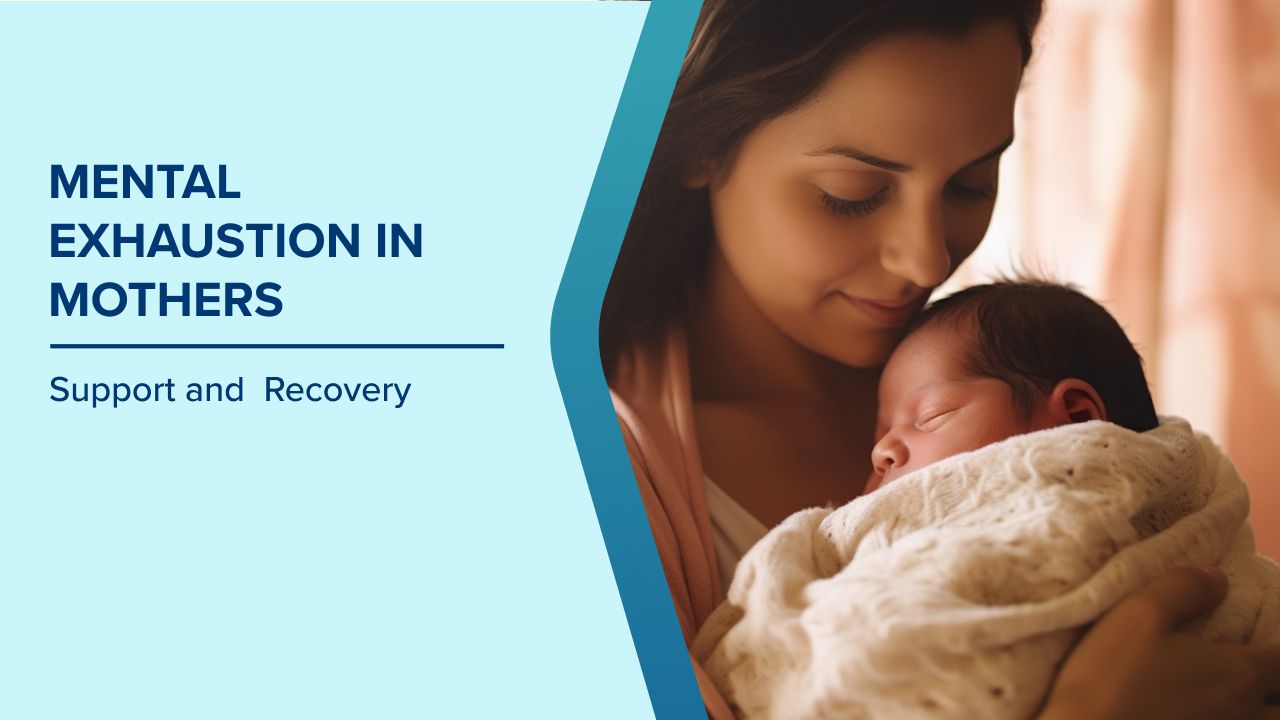
Call Us+91 926 888 0303Mental Exhaustion in Mothers: Support and Recovery
By Dr. Kamna Nagpal in Infertility & IVF , Obstetrics And Gynaecology
Sep 15 , 2026

Motherhood changes far more than daily routines. It changes how the mind stays alert, how emotions are processed, and how energy is used throughout the day. Many mothers notice something difficult to explain: even after sleeping, taking breaks, or spending time away from responsibilities, the feeling of mental exhaustion does not fully disappear.
This kind of tiredness is different from ordinary fatigue. It often feels like the brain is constantly "on," even during moments of rest. Thoughts continue running in the background, decisions never truly stop, and emotional responsibility quietly builds over time.
Mental exhaustion in motherhood is not always caused by lack of sleep alone. In many cases, it develops from continuous emotional alertness, invisible responsibility, and the pressure of being mentally available all the time.
Why Mental Fatigue Feels Different From Physical Tiredness
Physical exhaustion usually improves with rest. Mental exhaustion often does not.
A mother may technically get enough sleep yet still wake up feeling mentally overloaded. This happens because the brain has remained in a prolonged state of emotional monitoring and anticipation.
The mind continues processing:
- Schedules and routines
- Children's emotional needs
- Household responsibilities
- Work-related thoughts
- Future planning
- Safety concerns
- Daily problem-solving
Even during quiet moments, the brain may remain active in the background.
Over time, this constant internal processing can create a sense of emotional heaviness that ordinary rest alone cannot fully resolve.
The Pressure of Constant Mental Availability
Many mothers are rarely "off duty" mentally.
Even when someone else is helping physically, mothers often remain the default emotional organisers of the household. They remember appointments, monitor moods, anticipate needs, and mentally prepare for what comes next.
This continuous mental engagement can become exhausting because the brain receives very little true downtime.
Unlike physical tasks that eventually end, emotional responsibility often feels ongoing and invisible.
Decision Fatigue in Motherhood
Modern motherhood involves hundreds of small decisions every day.
- What should the child eat?
- Is screen time becoming excessive?
- Should this behaviour be corrected now or later?
- Am I doing enough?
- Did I forget something important?
While each individual decision may seem minor, repeated decision-making throughout the day gradually drains mental energy.
This is known as decision fatigue, a state where the brain becomes overwhelmed by continuous choices and mental processing.
Many mothers experience this without realising why they feel mentally depleted by evening.
Why Rest Sometimes Does Not Feel Restful
True mental recovery requires the nervous system to feel safe enough to relax completely. However, many mothers rest while still mentally planning, worrying, or staying emotionally alert.
For example:
- Watching television while mentally reviewing tomorrow's tasks
- Lying down while listening to the baby
- Taking a break but feeling guilty for resting
- Trying to relax while constantly checking messages or notifications
The body may pause, but the brain continues working. As a result, rest may not create genuine mental recovery.
Emotional Overstimulation and Mental Drain
Mothers are often exposed to continuous sensory and emotional input throughout the day.
- Noise
- Interruptions
- Questions
- Touch
- Emotional demands
- Multitasking
- Constant responsiveness
Over time, this overstimulation can leave the brain feeling crowded and emotionally fatigued.
The Emotional Weight of Trying to "Hold Everything Together"
Many mothers feel responsible not only for tasks, but also for maintaining emotional balance within the family.
They may quietly absorb stress, avoid expressing overwhelm, or continue functioning despite emotional exhaustion because they feel others depend on them.
This emotional suppression can gradually increase mental fatigue.
The challenge is that mental exhaustion often builds slowly. Many mothers adapt to it so gradually that they stop recognising how overwhelmed they truly feel.
When Mental Exhaustion Starts Affecting Daily Life
Ongoing emotional fatigue may begin affecting:
- Concentration
- Patience
- Memory
- Motivation
- Sleep quality
- Emotional regulation
- Relationships
Some mothers may become emotionally reactive, while others feel detached or emotionally "flat."
Mental exhaustion does not always appear dramatic. Sometimes it appears as a quiet disconnection, persistent irritability, or the inability to feel mentally refreshed.
Why Comparison Can Worsen Mental Strain
Social media and modern parenting expectations often create unrealistic standards around motherhood. Constant exposure to idealised parenting routines, productivity, or emotional perfection can increase feelings of inadequacy.
Many mothers begin believing they should always:
- Stay patient
- Remain emotionally available
- Manage everything effortlessly
- Enjoy every stage of motherhood
- Balance work and family perfectly
Trying to meet impossible expectations creates additional mental pressure that contributes to emotional fatigue.
Small Changes That Can Support Mental Recovery
Mental recovery usually requires more than simply "getting more sleep." It often involves reducing continuous mental overload.
Helpful approaches may include:
Creating Small Periods of Mental Quiet
Moments without constant stimulation can help the nervous system reset. This may include:
- Walking without using the phone
- Sitting quietly for a few minutes
- Reducing background noise
- Avoiding multitasking whenever possible
Even short periods of mental stillness can help reduce overstimulation.
Sharing Mental Responsibility
Many mothers receive physical help but continue carrying the mental responsibility alone. Sharing planning, remembering, organising, and emotional labour can reduce cognitive overload significantly.
Reducing Pressure to Be Constantly Productive
Rest becomes more effective when it is not accompanied by guilt. Allowing recovery without needing to "earn" it helps the brain relax more fully.
Paying Attention to Emotional Needs
Mental exhaustion sometimes reflects emotional neglect rather than physical fatigue. Acknowledging frustration, overwhelm, sadness, or emotional depletion without self-judgment can support emotional well-being.
When to Seek Professional Support
Persistent mental exhaustion should not always be dismissed as "normal motherhood."
Professional support may help if exhaustion is accompanied by:
- Constant anxiety
- Emotional numbness
- Frequent crying
- Loss of interest in daily life
- Difficulty functioning normally
- Persistent hopelessness
- Severe irritability or panic
Mental health support is not only for crisis situations. Early support can prevent emotional burnout from becoming more severe.
Conclusion
Motherhood requires continuous emotional, mental, and psychological energy, not just physical effort. This is why many mothers continue feeling mentally drained even after rest.
The mind was never designed to remain constantly alert, emotionally available, and mentally overloaded without recovery. Recognising this exhaustion is not a weakness. It is awareness.
Real recovery often begins when mothers stop measuring exhaustion only by sleep and start recognising the hidden mental load they carry every day. Protecting mental health is not separate from motherhood. It is an essential part of sustaining it.
Frequently Asked Questions
1. Why do some mothers feel exhausted even after sleeping well?
Mental exhaustion is often linked to continuous emotional processing and stress rather than sleep alone.
2. Can emotional overload affect concentration and memory?
Yes, prolonged mental fatigue can affect focus, memory, and emotional regulation.
3. Is mental exhaustion in motherhood always related to postpartum depression?
No, emotional fatigue can occur even without postpartum depression, although persistent symptoms should still be evaluated.
4. Why does quiet time sometimes not feel mentally refreshing?
The brain may remain emotionally alert or mentally active even during physical rest.
5. When should a mother seek help for mental exhaustion?
Support should be considered when emotional fatigue begins affecting daily functioning, relationships, or overall well-being.
Written and Verified by:

Related Blogs

Dr. Richa Singh In Infertility & IVF
Nov 08 , 2020 | 2 min read

Dr. Richa Singh In Infertility & IVF
Nov 08 , 2020 | 2 min read
Blogs by Doctor

How Can I Ease My Symptoms of Menopause?
Dr. Kamna Nagpal In Infertility & IVF , Obstetrics And Gynaecology
Apr 28 , 2017 | 3 min read

Most read Blogs


Related Blogs
Dr. Richa Singh In Infertility & IVF
Nov 08 , 2020 | 2 min read
Dr. Richa Singh In Infertility & IVF
Nov 08 , 2020 | 2 min read
Blogs by Doctor
How Can I Ease My Symptoms of Menopause?
Dr. Kamna Nagpal In Infertility & IVF , Obstetrics And Gynaecology
Apr 28 , 2017 | 3 min read
Most read Blogs