 WhatsApp Us (24/7)
 +91 926 888 0303 (24/7)


To Book an Appointment
Call Us+91 926 888 0303Prostatitis: Types, Symptoms, Causes, Diagnosis and Treatment
By Dr. Deepak Garg in Urology
Oct 30 , 2026

Pain or burning when you urinate, needing the loo more often than usual, or a nagging discomfort around the pelvis can all point to prostatitis, which is simply inflammation of the prostate gland. What makes it tricky is these symptoms don't always follow a predictable pattern. They might flare up, settle down, then come back weeks later, and how much they affect your daily life often decides if you need to see a doctor rather than just wait it out.
This guide covers the different types of prostatitis, its common symptoms and causes, how it's diagnosed, and the treatment options that actually work.
What is Prostatitis?
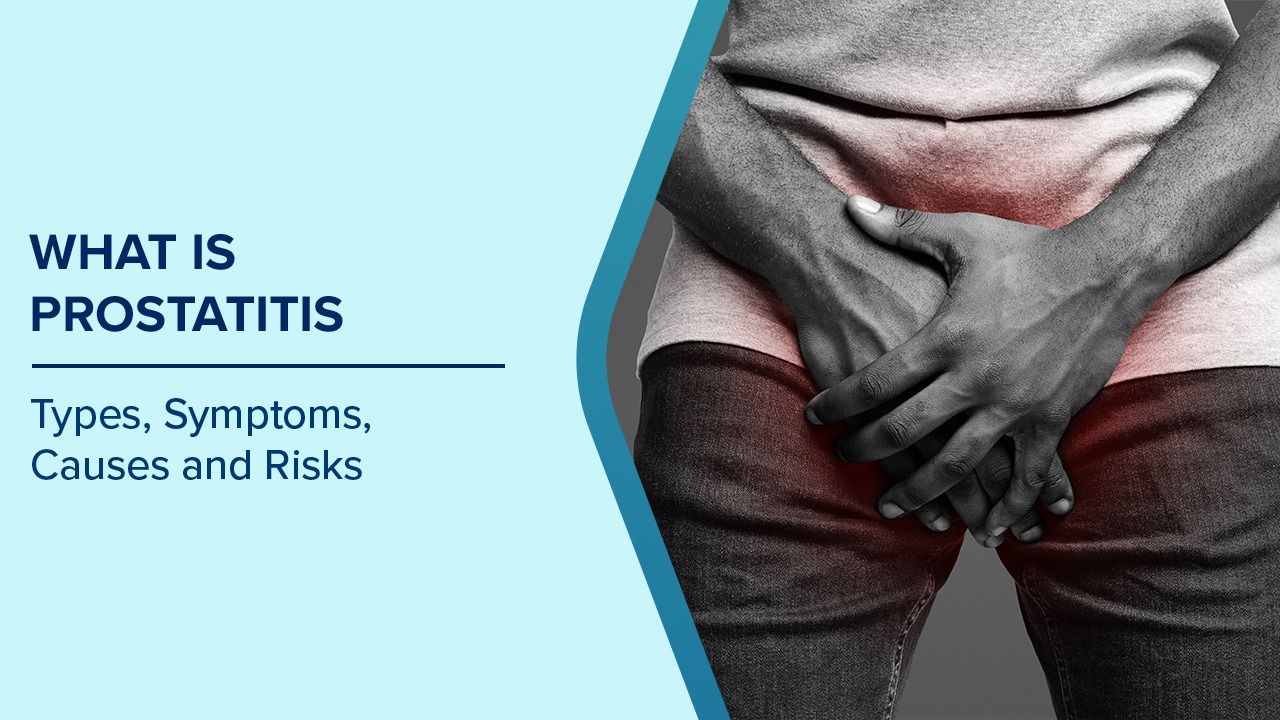
Prostatitis is inflammation of the prostate gland, the small gland that sits just below the bladder and helps produce the fluid found in semen. It can be caused by a bacterial infection, though in many cases doctors never actually find a clear infection at all, and the inflammation itself is what leads to urinary and pelvic symptoms like pain when urinating, needing the loo more often, or discomfort around the pelvis. It can strike suddenly and severely, or develop slowly and linger for months, depending on what's causing it in the first place.
Types of Prostatitis
Prostatitis is not a single condition with the same cause or pattern of symptoms in every person. Doctors generally classify it into four main types based on how long the symptoms last, whether an infection is present, and what is found during testing. The main types include:
Acute Bacterial Prostatitis
This type develops suddenly when bacteria cause an infection in the prostate. Symptoms can appear quickly and may include fever, chills, painful urination, difficulty passing urine, and pain in the pelvis or lower back. It usually requires prompt medical treatment.
Chronic Bacterial Prostatitis
This occurs when a bacterial infection persists or keeps returning. Symptoms are often less severe than in acute prostatitis but can last for several months or recur after treatment. Urinary problems, pelvic discomfort and pain during or after ejaculation are common.
Chronic Pelvic Pain Syndrome
Also called chronic prostatitis/chronic pelvic pain syndrome (CP/CPPS), this is the most common type. Men may have pelvic or urinary symptoms that continue for three months or longer, but tests may not show a bacterial infection. The exact cause is not always clear and may involve pelvic muscle tension, nerve irritation, inflammation or other factors.
Asymptomatic Inflammatory Prostatitis
In this type, inflammation is present in the prostate but does not cause noticeable symptoms. It is often discovered accidentally when tests are performed for another prostate or urinary concern. Because there are no symptoms, specific treatment for prostatitis may not be needed.
Symptoms Of Prostatitis
Prostatitis does not feel the same for everyone. Some men develop sudden, intense symptoms, while others experience pelvic or urinary discomfort that keeps returning over a longer period. The symptoms can also depend on whether an infection is involved.
Common prostatitis symptoms include:
- Urinary Changes: Burning or pain while urinating, needing to urinate frequently, a sudden urge to urinate, difficulty starting the urine stream, a weak or interrupted flow, or feeling that the bladder has not emptied completely.
- Pelvic Pain: Pain or pressure in the lower abdomen, pelvis, lower back, or the area between the scrotum and anus. Some men may also experience discomfort in the penis or testicles.
- Sexual Symptoms: Pain during or after ejaculation can occur, particularly in men with chronic prostatitis or chronic pelvic pain syndrome.
- Infection Symptoms: Acute bacterial prostatitis can develop suddenly and may cause fever, chills, body aches, fatigue and a general feeling of being unwell.
- Urinary Retention: In more severe cases, inflammation can make it difficult or impossible to pass urine. This requires urgent medical attention.
Symptoms that appear suddenly with fever, chills, severe pain or difficulty urinating should not be ignored.
Causes Of Prostatitis
The cause of prostatitis depends on the type. Bacterial infections are responsible for some cases, but not all men with prostatitis have an identifiable infection.
The main causes and contributing factors include:
- Bacterial Infection: Acute and chronic bacterial prostatitis can occur when bacteria enter the urinary tract and reach the prostate. Bacteria responsible for urinary tract infections can sometimes be involved.
- Urinary Tract Problems: Problems that interfere with normal urine flow or allow bacteria to enter the urinary tract may increase the likelihood of bacterial prostatitis.
- Pelvic Nerve Irritation: In chronic pelvic pain syndrome, irritation or abnormal sensitivity of the nerves in the pelvic area may contribute to ongoing pain.
- Pelvic Muscle Tension: Tight or poorly coordinated pelvic floor muscles can contribute to pelvic pain and urinary symptoms in some men.
- Previous Injury: Trauma or irritation affecting the pelvic area may play a role in some cases.
- Other Factors: In chronic prostatitis, several factors may contribute at the same time, including inflammation, nerve sensitivity, pelvic muscle dysfunction and stress. In many cases, there is no single identifiable cause.
It is also worth noting that prostatitis is not always caused by a sexually transmitted infection (STI). However, certain infections can affect the urinary or reproductive tract, so a doctor may recommend testing when appropriate.
Risk Factors For Prostatitis
Certain circumstances can make prostatitis more likely, particularly bacterial forms of the condition. These factors do not mean that a person will definitely develop prostatitis, but they may increase the risk.
Some of the recognised risk factors include:
- Previous Prostatitis: Having had prostatitis before can increase the chance of experiencing it again.
- Urinary Infections: A history of urinary tract infections may increase the risk of bacterial prostatitis.
- Catheter Use: Urinary catheters can sometimes introduce bacteria into the urinary tract.
- Urinary Problems: Conditions that make it difficult to empty the bladder properly may increase the risk of infection and inflammation.
- Pelvic Trauma: Injury or repeated irritation in the pelvic region may contribute to symptoms.
- Prostate Procedures: Certain procedures involving the urinary tract or prostate can increase the risk of bacterial infection.
- Pelvic Floor Problems: Tension or dysfunction in the pelvic floor muscles may be associated with chronic pelvic pain symptoms.
Some men develop chronic prostatitis without any obvious risk factor, so the absence of these factors does not rule out the condition.
How Is Prostatitis Diagnosed?
There is no single test that can diagnose every type of prostatitis. A doctor usually looks at the symptoms, their duration and severity, medical history and the results of relevant tests. The goal is also to rule out other conditions that can cause similar urinary or pelvic symptoms.
The diagnostic process may include:
- Medical History: Your doctor may ask when the symptoms started, whether they come and go, whether you have had urinary infections before, and whether you experience pain during urination or ejaculation.
- Physical Examination: A physical examination can help identify areas of tenderness or other signs that may point towards a prostate or pelvic problem.
- Digital Rectal Examination: The doctor may gently examine the prostate through the rectum to check for tenderness, swelling or other changes.
- Urine Tests: A urine sample can help identify bacteria, blood or other signs of infection.
- Blood Tests: Blood tests may be recommended when an infection is suspected, particularly if symptoms are severe.
- Other Tests: Depending on the symptoms, a doctor may recommend urine cultures, STI testing, imaging or other tests to investigate persistent or unexplained symptoms.
The diagnosis may take longer in men with chronic pelvic pain because there may be no detectable bacterial infection. In these cases, doctors may consider other possible causes and assess the pelvic muscles, urinary symptoms and pain pattern.
Treatment For Prostatitis
Treatment depends largely on the type of prostatitis and whether an infection has been identified. What works for acute bacterial prostatitis may not be appropriate for chronic pelvic pain syndrome.
Common treatment approaches include:
- Antibiotics: Bacterial prostatitis is generally treated with antibiotics. The choice and duration depend on the suspected or confirmed bacteria and the severity of the infection. It is important to take antibiotics exactly as prescribed.
- Pain Relief: Painkillers or anti-inflammatory medicines may help reduce pelvic discomfort and inflammation when appropriate.
- Alpha Blockers: These medicines may help relax muscles around the bladder and prostate, making urination easier for some men.
- Pelvic Floor Therapy: Physiotherapy may be recommended when pelvic muscle tension or dysfunction is contributing to chronic pelvic pain.
- Other Medicines: Depending on the symptoms, a doctor may recommend medicines aimed at managing specific urinary or pain-related problems.
- Treatment Of Underlying Problems: If another urinary or prostate problem is contributing to the symptoms, treating that underlying issue may also be part of the management plan.
For chronic prostatitis or chronic pelvic pain syndrome, treatment may involve more than one approach. Symptoms can take time to improve, so follow-up with a healthcare professional may be necessary.
Home Care For Prostatitis
Medical treatment is important when prostatitis is caused by a bacterial infection, but certain everyday measures may help manage discomfort and urinary symptoms. These should complement, rather than replace, treatment recommended by your doctor.
Some measures that may help include:
- Stay Hydrated: Drinking enough water can support normal urinary function. However, avoid forcing excessive amounts of fluid if frequent urination is already troublesome.
- Limit Irritants: Caffeine, alcohol and spicy foods may worsen urinary or bladder symptoms in some people. Reducing them can help you identify whether they affect your symptoms.
- Use Warm Baths: A warm bath or sitz bath may help relax the pelvic muscles and provide temporary relief from discomfort.
- Avoid Prolonged Sitting: If sitting makes pelvic pain worse, taking regular breaks and changing position may help.
- Manage Stress: Stress can contribute to muscle tension and may make chronic pelvic pain more difficult to manage. Relaxation techniques, regular physical activity and adequate sleep may be useful.
- Follow Your Treatment: If you have been prescribed antibiotics or other medication, complete the treatment as directed and attend any recommended follow-up appointments.
If symptoms worsen, return after treatment, or interfere with daily activities, speak with your doctor rather than relying solely on home care.
Consult Today
Prostatitis can be uncomfortable and, when symptoms continue to return, it can start affecting much more than your urinary habits. If you have persistent urinary changes, pelvic pain or discomfort during ejaculation, consider speaking with a urologist for an appropriate evaluation. A urologist at Max Hospitals can assess your symptoms, identify the possible cause and recommend a treatment plan suited to your condition.
Frequently Asked Questions
Can prostatitis affect fertility?
Prostatitis does not automatically lead to infertility. However, inflammation or infection involving the prostate and reproductive tract may affect semen quality or sperm function in some cases. If fertility is a concern, a urologist can assess whether prostatitis or another condition may be contributing.
Is prostatitis contagious?
Prostatitis itself is not generally considered contagious. However, if the inflammation is associated with an infection that can be transmitted through sexual contact, the underlying infection may require specific testing and treatment.
Can prostatitis increase the risk of prostate cancer?
Current evidence does not establish prostatitis as a direct cause of prostate cancer. The two conditions can, however, cause some overlapping symptoms, which is one reason persistent or unexplained prostate and urinary symptoms should be evaluated rather than self-diagnosed.
Does prostatitis affect erectile function?
Prostatitis does not necessarily cause erectile dysfunction, but ongoing pelvic pain, discomfort during ejaculation and the stress associated with chronic symptoms can affect sexual function in some men. If erectile difficulties persist, they should be discussed with a healthcare professional.
Can exercise help with prostatitis?
Regular, moderate physical activity may support overall wellbeing and can be useful for managing stress. However, activities that put prolonged pressure on the pelvic area, such as cycling, may worsen symptoms for some men. If a particular activity increases your pain, discuss alternatives with your doctor.
Can prostatitis be diagnosed without a urine infection?
Yes. Chronic pelvic pain syndrome can cause symptoms similar to prostatitis even when urine tests do not show a bacterial infection. In these cases, doctors may look at other possible contributors, including pelvic floor dysfunction, nerve irritation and inflammation.
Can prostatitis affect sleep?
Yes. Frequent urination, particularly at night, can interrupt sleep. Ongoing pelvic discomfort can also make it difficult to sleep comfortably. If symptoms are repeatedly affecting your sleep, mention this during your consultation as it can help your doctor understand the impact of the condition.
Written and Verified by:

Related Blogs

Dr. Anant Kumar In Urology , Kidney Transplant , Uro-Oncology
Nov 08 , 2020 | 8 min read

Dr. Anant Kumar In Urology , Uro-Oncology
Nov 08 , 2020 | 3 min read
Blogs by Doctor
Rezum Therapy: A Minimally Invasive Solution for Enlarged Prostate
Dr. Deepak Garg In Urology , Uro-Oncology , Robotic Surgery
Sep 10 , 2025 | 4 min read
Most read Blogs


Related Blogs
Dr. Anant Kumar In Urology , Kidney Transplant , Uro-Oncology
Nov 08 , 2020 | 8 min read
Dr. Anant Kumar In Urology , Uro-Oncology
Nov 08 , 2020 | 3 min read
Blogs by Doctor
Rezum Therapy: A Minimally Invasive Solution for Enlarged Prostate
Dr. Deepak Garg In Urology , Uro-Oncology , Robotic Surgery
Sep 10 , 2025 | 4 min read
Most read Blogs