 WhatsApp Us (24/7)
 +91 926 888 0303 (24/7)


To Book an Appointment
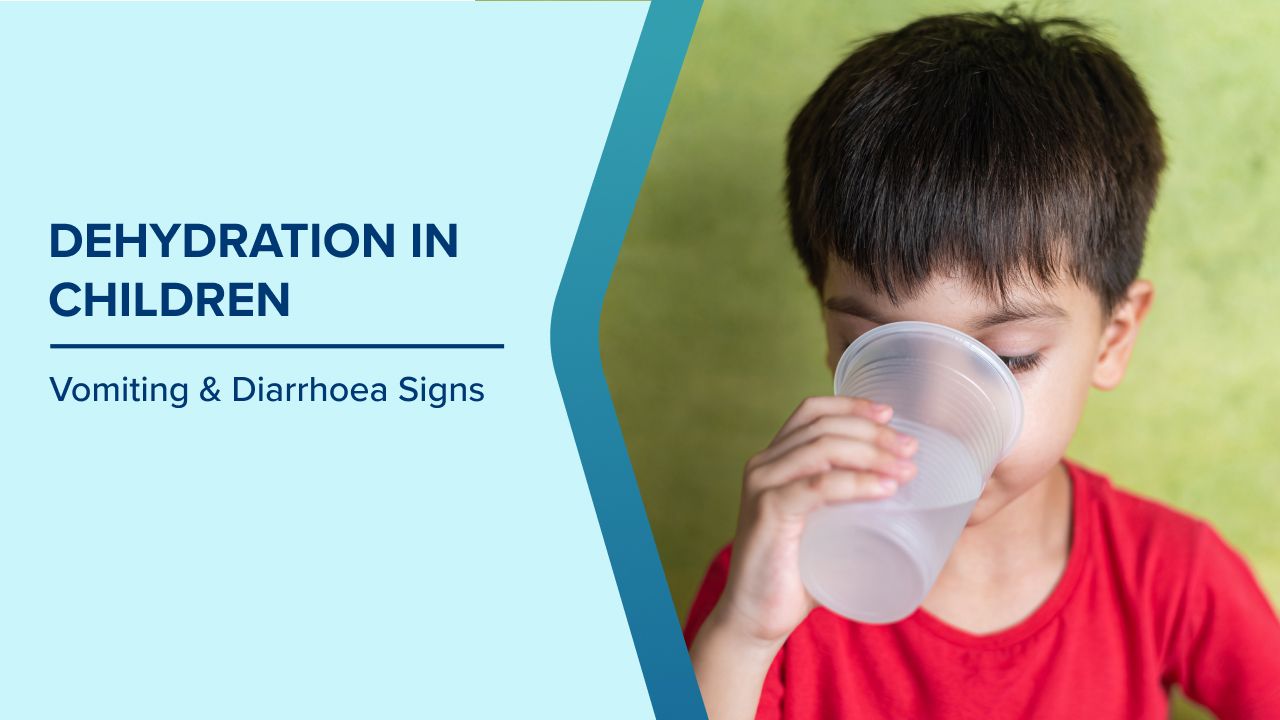
Call Us+91 926 888 0303Dehydration in Children: Vomiting & Diarrhoea Signs
By Dr. Vikas Taneja in Paediatrics (Ped)
Aug 27 , 2026

When a child has vomiting and diarrhoea, preventing dehydration is one of the most important things parents can do. Loose stools and vomiting can cause the body to lose water and essential electrolytes, while nausea may make it difficult for the child to drink enough. Starting fluids early, offering oral rehydration solution (ORS) in small amounts and continuing breastfeeding and age-appropriate food can help replace these losses. Parents should also watch for signs such as reduced urination, dry mouth, unusual tiredness or excessive thirst. If a child cannot keep fluids down, becomes very sleepy or shows significant dehydration, medical attention is important.
Why Do Vomiting and Diarrhoea Cause Dehydration in Children?
Vomiting and diarrhoea cause the body to lose more fluid than usual. With diarrhoea, water and electrolytes such as sodium and potassium are lost through loose stools. Vomiting can increase these losses. A child may also drink less because of nausea, weakness or abdominal discomfort. The risk of dehydration in children depends on several factors, including:
- The child's age
- How frequently they are vomiting
- How often they are passing loose stools
- Whether they are able to drink
- Whether breastfeeding or feeding is continuing
- The child's general health
Babies and younger children need particular attention because they may not be able to communicate thirst or drink independently. The good news is that dehydration can often be prevented by replacing fluids and electrolytes early.
What Are the Signs of Dehydration in Children?
Knowing the early signs of dehydration in children can help parents act promptly. A child may have:
- Increased thirst
- A dry mouth or tongue
- Less frequent urination
- Darker urine
- Fewer wet nappies in babies
- Less energy than usual
- Irritability or unusual fussiness
- Sunken-looking eyes
These signs can vary depending on the child's age and how much fluid has been lost. More concerning signs include unusual sleepiness or lethargy, difficulty drinking, very little or no urine, or a child who is difficult to wake.
Parents do not need to wait for several symptoms to appear before offering appropriate fluids. If a child is losing fluid through repeated vomiting or diarrhoea, early rehydration is important.
How Can Parents Prevent Dehydration?
Start Oral Rehydration Early
Oral rehydration solution (ORS) is one of the most useful options for preventing and treating dehydration caused by diarrhoea. ORS contains water and carefully balanced amounts of electrolytes and glucose. This combination helps the body absorb fluid more effectively and replace some of the water and salts lost through diarrhoea.
Use a commercially prepared ORS product and prepare it exactly as instructed on the packet. Do not make the solution more concentrated or dilute it with extra water, as the correct balance is important. It is also important to remember that ORS does not stop diarrhoea. Its purpose is to replace lost fluids and electrolytes and help prevent dehydration.
What If the Child Vomits After Drinking ORS?
This is a common concern for parents. If a child vomits after drinking, avoid giving a large amount of fluid at once. Instead, offer small amounts frequently and allow the child to drink gradually.
Do not force the child to drink a large quantity quickly, as this may trigger more vomiting. If vomiting continues and the child cannot keep fluids down, contact a healthcare professional. A child who is unable to drink or retain fluids may need medical assessment.
Continue Breastfeeding
If a baby is breastfed, breastfeeding should generally continue during vomiting and diarrhoea. Breast milk provides fluid and nutrition and can continue to be offered according to the baby's usual feeding pattern, as tolerated.
Parents should not stop breastfeeding simply because the baby has loose stools. If the baby is vomiting repeatedly or feeding poorly, medical advice may be needed, particularly if there are signs of dehydration.
Should Children Continue Eating During Diarrhoea?
Yes, parents should not automatically stop food when a child develops diarrhoea. Once the child is able to eat, continue offering age-appropriate, nutritious foods in quantities the child can tolerate. Depending on the child's usual diet, options may include:
- Rice or khichdi
- Dal
- Soft-cooked vegetables
- Roti or other familiar staple foods
- Banana or other suitable fruits
- Curd or other foods the child normally tolerates
- Other age-appropriate home-cooked meals
There is no need to follow a highly restrictive “diarrhoea diet”. The priority is to maintain hydration and nutrition while avoiding foods that the child finds difficult to tolerate. If appetite is temporarily reduced, focus first on fluids and gradually return to the child's normal diet as they feel better.
What Fluids Can Be Given to a Child?
- ORS: ORS is particularly useful because it replaces both water and electrolytes lost through diarrhoea.
- Breast Milk: Continue breastfeeding for breastfed infants.
- Other Age-Appropriate Fluids: Depending on the child's age and situation, other suitable fluids may also contribute to hydration. However, when diarrhoea is causing significant fluid loss, ORS is preferable to relying only on plain water because it also replaces important electrolytes.
Very young children, especially infants, should not be given unfamiliar fluids or drinks without appropriate medical advice.
What Should Parents Avoid Giving?
When a child has vomiting and diarrhoea, parents may understandably want to try anything that might help. However, some common choices are not ideal. Avoid relying on:
- Very sugary drinks
- Fizzy or carbonated drinks
- Very sweet packaged beverages
- Fluids from unhygienic sources
- Unverified home remedies
- Unnecessary medications
- Self-prescribed antibiotics
Very sugary drinks can sometimes worsen diarrhoea, while fizzy drinks are not a substitute for ORS. Antibiotics are also not routinely needed for every episode of childhood diarrhoea. The appropriate treatment depends on the cause and the child's symptoms. Parents should not start antibiotics without medical advice.
What About Zinc During Childhood Diarrhoea?
Zinc may be recommended as part of the management of diarrhoea in children. It can support recovery and is included in childhood diarrhoea management guidelines. However, parents should not start zinc supplements independently or assume that every child needs the same amount.
A paediatrician can advise whether zinc is appropriate for the child and how it should be given based on their age and clinical situation. The focus should remain on rehydration, continued feeding and appropriate medical assessment when required.
When Should You Take Your Child to a Doctor?
Most episodes of vomiting and diarrhoea do not necessarily require hospitalisation, but some situations need prompt medical attention. Contact a doctor if your child:
- Cannot drink or breastfeed
- Repeatedly vomits and cannot keep fluids down
- Has very little or no urine
- Becomes unusually sleepy, lethargic or difficult to wake
- Has signs of significant dehydration
- Has blood in the stool
- Has persistent diarrhoea
- Has severe abdominal pain
- Has symptoms that are getting worse rather than better
- Is very young and you are concerned about their fluid intake or symptoms
For babies and young children, parents should have a lower threshold for seeking advice if they are not drinking well or their usual behaviour changes significantly. The aim is not to frighten parents, but to make sure that dehydration or another condition is recognised early when additional treatment may be needed.
How Can Parents Prevent Vomiting and Diarrhoea?
Good hygiene can reduce the risk of many infections that cause vomiting and diarrhoea. Simple precautions include:
Wash Hands Regularly
Wash hands with soap and water:
- Before preparing food
- Before eating
- After using the toilet
- After changing a baby's nappy
- After cleaning up vomit or stools
Use Safe Drinking Water
Give children safe drinking water and take care with the storage and handling of drinking water at home.
Practise Good Food Hygiene
Wash fruits and vegetables thoroughly, cook food properly and store perishable foods safely.
Keep Feeding Utensils Clean
Baby bottles, cups, spoons and other feeding utensils should be cleaned properly.
Be Careful With Food Storage
Avoid giving children food that has been left at room temperature for prolonged periods or food whose freshness is uncertain.
Consider Recommended Vaccinations
Vaccination can help prevent certain infections that cause diarrhoeal illness. Rotavirus vaccination is an important example for infants and is included in childhood immunisation programmes in India.
Parents should follow the vaccination schedule recommended for their child and discuss any questions with their paediatrician.
What Should You Do if Your Child Has Vomiting Without Diarrhoea?
Vomiting does not always occur because of gastroenteritis. It can have several causes, including infections and other conditions. If vomiting is mild and the child is otherwise alert and able to drink, offering small, frequent amounts of suitable fluids can help maintain hydration.
However, repeated vomiting, inability to drink, severe abdominal pain, unusual drowsiness, blood in vomit or other concerning symptoms should be assessed by a doctor. Avoid forcing food immediately after vomiting. Once the child feels better and can tolerate fluids, age-appropriate food can gradually be offered.
How Long Does Diarrhoea Usually Last in Children?
The duration can vary depending on the cause. Many short-term episodes improve over several days, but parents should focus less on counting days alone and more on how the child is doing.
Pay attention to hydration, urine output, drinking, activity level and whether symptoms are improving. If diarrhoea persists, worsens, contains blood, or is accompanied by signs of dehydration, medical evaluation is appropriate.
Can a Child Drink Plain Water During Diarrhoea?
Children can generally have appropriate fluids, but plain water alone may not adequately replace the electrolytes lost through significant diarrhoea.
For children with ongoing diarrhoea, ORS is particularly useful because it provides both fluid and electrolytes. For infants and younger children, parents should follow age-appropriate advice from their paediatrician, particularly if vomiting is also present.
What Should a Child Eat After Vomiting?
Once vomiting settles and the child feels ready to eat, parents can gradually return to familiar, age-appropriate foods.
There is no need to force a large meal. Small portions of foods the child normally tolerates can be offered and increased gradually as appetite returns. Continuing nutrition helps support recovery, while fluids remain the priority when there has been significant fluid loss.
Can Vomiting and Diarrhoea Be Prevented in Children?
Not every episode can be prevented, but good hygiene, safe drinking water, proper food handling, clean feeding utensils and recommended vaccination can reduce the risk of several infections associated with diarrhoea and vomiting.
Teaching children to wash their hands regularly is one of the simplest habits families can build into everyday routines.
The Key Is Early Rehydration
When a child has vomiting and diarrhoea, parents may understandably focus on stopping the symptoms. But one of the most important priorities is preventing dehydration. Offer ORS early, give small amounts frequently if vomiting is present, continue breastfeeding and age-appropriate nutrition, and keep an eye on urine output and the child's overall behaviour.
Most importantly, know when to seek medical advice. A child who cannot drink, is repeatedly vomiting, has very little urine, becomes unusually sleepy or shows other concerning symptoms should be assessed by a healthcare professional.
With timely fluid replacement, appropriate feeding and good hygiene, parents can take practical steps to support their child's recovery while reducing the risk of dehydration.
Frequently Asked Questions
How much ORS should I give my child after diarrhoea?
The amount depends on the child's age, weight, degree of fluid loss and the frequency of loose stools. Rather than using one fixed amount for every child, follow the ORS product instructions and your paediatrician's advice. Small, frequent amounts are often easier to tolerate when vomiting is present.
Can I give ORS if my child is vomiting?
Yes, ORS can still be offered when a child is vomiting, but it is usually better to give small amounts frequently rather than a large quantity at once. If the child repeatedly vomits and cannot retain fluids, seek medical advice.
How do I know if my baby is dehydrated?
Fewer wet nappies, a dry mouth, unusual sleepiness, irritability, sunken-looking eyes and reduced feeding can be warning signs. Babies can become dehydrated more quickly than older children, so concerns about poor fluid intake or reduced urination should be discussed promptly with a healthcare professional.
Should I stop milk when my child has diarrhoea?
Breastfeeding should generally continue. For other types of milk, there is usually no need to stop a child's usual diet automatically, but individual tolerance and the underlying cause matter. A paediatrician can advise if a child has persistent symptoms or difficulty tolerating feeds.
Is diarrhoea without fever dangerous in children?
Not necessarily. Diarrhoea can occur without fever and may be mild. What matters is the child's hydration, activity, ability to drink and overall condition. Blood in the stool, significant dehydration, persistent symptoms or worsening illness requires medical assessment.
When should I take my child to the emergency department?
Urgent assessment is appropriate if a child is difficult to wake, has severe dehydration, cannot drink or retain fluids, has severe breathing difficulty, severe abdominal pain, blood in vomit or stool, or appears seriously unwell.
Can vomiting and diarrhoea happen at the same time?
Yes, gastrointestinal infections can cause both symptoms, although vomiting and diarrhoea can also have different causes. When both occur together, replacing lost fluids and monitoring for dehydration become particularly important.
Can dehydration occur even if my child is drinking some fluids?
Yes, a child may still become dehydrated if fluid losses through frequent diarrhoea or vomiting are greater than the amount being consumed. This is why monitoring urine output, thirst, alertness and other signs of dehydration is important.
Written and Verified by:

Related Blogs

Dr. Nidhi Rawal In Paediatrics (Ped)
Nov 13 , 2020 | 2 min read

Blogs by Doctor
Monsoon Safety for Children: Diet, Hygiene & Health Tips
Dr. Vikas Taneja In Paediatrics (Ped)
Jul 22 , 2025 | 4 min read
Most read Blogs


Related Blogs
Dr. Nidhi Rawal In Paediatrics (Ped)
Nov 13 , 2020 | 2 min read
Blogs by Doctor
Monsoon Safety for Children: Diet, Hygiene & Health Tips
Dr. Vikas Taneja In Paediatrics (Ped)
Jul 22 , 2025 | 4 min read
Most read Blogs