 WhatsApp Us (24/7)
 +91 926 888 0303 (24/7)


To Book an Appointment
Call Us+91 926 888 0303Lifestyle Diseases in Women: Warning Signs & Prevention
By Dr. Seema Wadhwa in Infertility & IVF , Obstetrics And Gynaecology , Robotic Surgery , Gynaecologic Laparoscopy
Sep 14 , 2026

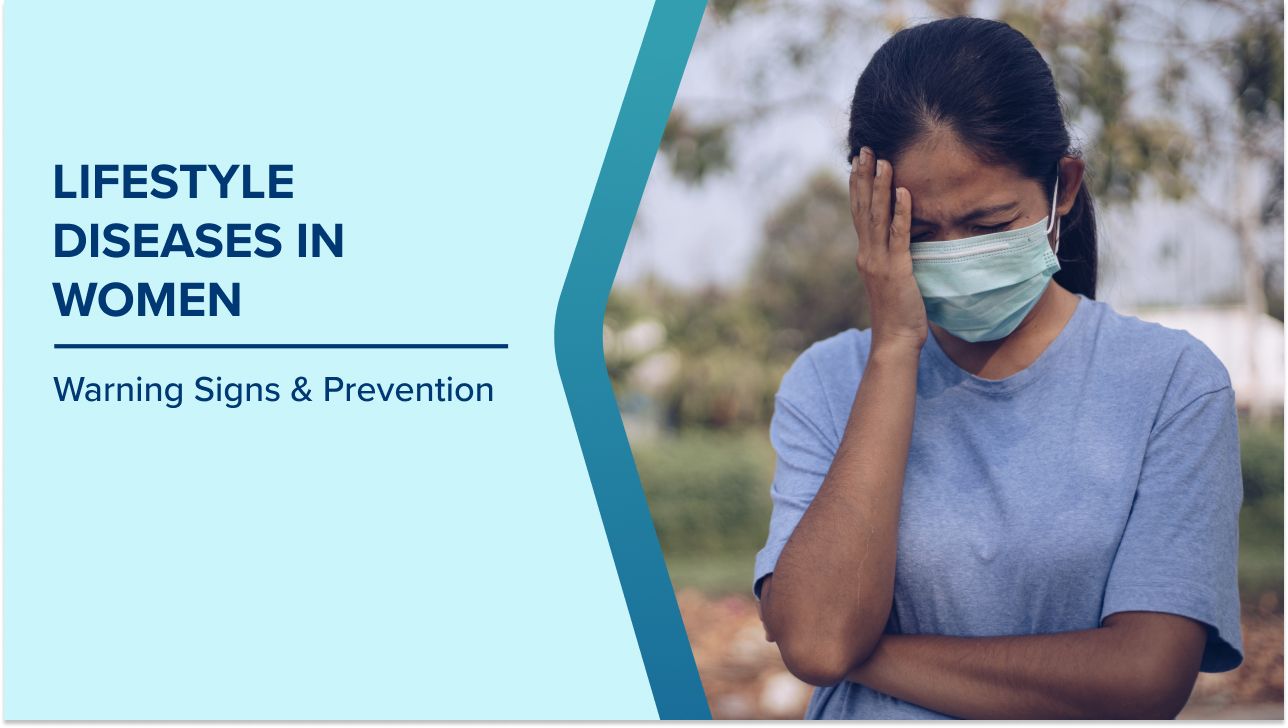
Lifestyle diseases in women are becoming increasingly common in India due to changing food habits, stress, lack of exercise, poor sleep, and hormonal changes. Conditions such as diabetes, obesity, thyroid disorders, hypertension, and PCOS are affecting women across different age groups, including young adults and working professionals. These lifestyle disorders often develop silently and may remain undiagnosed for years. Early detection, preventive healthcare, and healthy daily habits play a crucial role in reducing long-term complications and improving women's health in India.
What Are Lifestyle Diseases?
Lifestyle diseases are health conditions that develop primarily from unhealthy daily habits and long-term behavioural patterns. Unlike infectious diseases, these illnesses are strongly linked to modern lifestyle choices. Common contributors include:
- Poor eating habits
- Physical inactivity
- Chronic stress
- Smoking and alcohol consumption
- Inadequate sleep
- Excessive screen time
Over time, these factors increase the risk of chronic illnesses such as obesity, diabetes, heart disease, hypertension, and hormonal disorders.
Women today often juggle multiple responsibilities, including careers, household duties, caregiving, and parenting. This imbalance frequently leads to neglect of personal health, increasing the risk of lifestyle diseases affecting women in India.
Why Lifestyle Diseases Are Increasing Among Women in India
Women's health problems in India have changed significantly over the past two decades. Urbanisation, sedentary lifestyles, and rising stress levels are major reasons behind the increase in women's lifestyle disorders.
- Work-Life Stress: Many women balance demanding jobs along with household responsibilities. Continuous mental pressure can contribute to hormonal imbalance, anxiety, hypertension, and emotional burnout.
- Unhealthy Eating Habits: Fast food, processed snacks, sugary drinks, and irregular meal timings can negatively affect metabolism and hormone balance.
- Physical Inactivity: Sedentary lifestyles are increasing due to desk jobs, long commutes, and reduced physical activity.
- Hormonal Changes: Puberty, pregnancy, postpartum changes, and menopause can significantly affect metabolism and increase vulnerability to lifestyle disorders.
- Lack of Preventive Healthcare: Many women delay routine health checkups due to busy schedules or family priorities, leading to late diagnosis of serious conditions.
Top Lifestyle Diseases Affecting Women in India
Obesity
Obesity in women is one of the fastest-growing health concerns in India. Excess body fat not only affects appearance but also increases the risk of several chronic diseases.
Common Causes
- High-calorie diet
- Lack of exercise
- Hormonal imbalance
- Stress eating
- Poor sleep patterns
Symptoms
- Excessive weight gain
- Fatigue
- Breathlessness
- Joint pain
Health Risks
Obesity can increase the risk of:
- Type 2 diabetes
- High blood pressure
- Heart disease
- Fertility issues
- PCOS
Weight gain in women is also closely associated with hormonal disturbances and menstrual irregularities.
Type 2 Diabetes
Diabetes in women is rising rapidly in India, especially among women above 30 years of age. Sedentary lifestyles and unhealthy diets are major contributors.
Diabetes Symptoms in Women
- Increased thirst
- Frequent urination
- Fatigue
- Blurred vision
- Slow wound healing
Risk Factors
- Obesity
- Family history
- Gestational diabetes history
- Physical inactivity
Complications
Uncontrolled blood sugar problems can lead to:
- Kidney disease
- Eye complications
- Nerve damage
- Heart disease
Early diagnosis and proper lifestyle management can significantly reduce complications.
Thyroid Disorders
Thyroid problems in women are extremely common and often underdiagnosed. Hypothyroidism is particularly prevalent among Indian women.
Thyroid Symptoms in Women
- Unexplained weight gain
- Fatigue
- Hair fall
- Depression
- Irregular periods
- Dry skin
Why Women Are More Affected
Hormonal fluctuations during pregnancy, menopause, and ageing increase thyroid-related risks. Untreated thyroid disorders can affect fertility, metabolism, and mental health.
PCOS (Polycystic Ovary Syndrome)
PCOS is a major hormonal disorder affecting women of reproductive age.
PCOS Symptoms
- Irregular periods
- Acne
- Weight gain
- Excess facial hair
- Difficulty conceiving
Causes
PCOS is linked to:
- Hormonal imbalance in women
- Insulin resistance
- Obesity
- Genetic predisposition
Long-Term Risks
If untreated, PCOS may increase the risk of:
- Diabetes
- Infertility
- Hypertension
- Heart disease
Lifestyle modification remains one of the most effective management strategies for PCOS.
Hypertension (High Blood Pressure)
High blood pressure in women is often called a "silent disease" because symptoms may not appear until complications develop.
Common Risk Factors
- Stress
- Obesity
- High salt intake
- Sedentary lifestyle
- Family history
Possible Symptoms
- Persistent headaches
- Dizziness
- Fatigue
- Chest discomfort
Untreated hypertension can increase the risk of stroke, kidney disease, and heart attacks.
Heart Disease
Heart disease in women is no longer limited to older age groups. Rising stress, obesity, diabetes, and hypertension are increasing cardiac risks among younger women as well.
Heart Attack Symptoms in Women
Women may experience symptoms different from men, including:
- Jaw pain
- Nausea
- Breathlessness
- Extreme fatigue
- Chest pressure
These symptoms are often ignored or mistaken for acidity or stress.
Risk Factors
- Smoking
- Diabetes
- Obesity
- Hypertension
- Chronic stress
Early screening and lifestyle management are critical for prevention.
Mental Health Disorders
Stress and women's health are deeply interconnected. Anxiety, depression, and burnout are increasingly common among Indian women.
Common Causes
- Work pressure
- Family responsibilities
- Financial stress
- Hormonal fluctuations
- Lack of emotional support
Symptoms
- Persistent sadness
- Sleep disturbances
- Irritability
- Fatigue
- Difficulty concentrating
Mental health directly affects physical health and can worsen lifestyle disorders.
Warning Signs Women Should Not Ignore
Certain symptoms may indicate underlying lifestyle diseases and require medical attention. Common warning signs:
- Unexplained fatigue
- Sudden weight gain or weight loss
- Frequent headaches
- Irregular periods
- Excessive hair fall
- Increased thirst
- Frequent urination
- Chest discomfort
- Breathlessness
- Persistent stress or anxiety
- Sleep disturbances
- High blood sugar symptoms
Ignoring these signs can delay diagnosis and increase the risk of complications.
How Lifestyle Diseases Can Be Prevented
Preventive healthcare for women is essential for long-term wellness and disease prevention.
Healthy Diet
A balanced diet supports hormone health, weight management, and heart health.
Include:
- Fruits and vegetables
- Whole grains
- Lean proteins
- Healthy fats
- Adequate water intake
Avoid:
- Sugary beverages
- Processed foods
- Excess salt
- Deep-fried foods
Regular Exercise
Physical activity improves metabolism, mental health, and cardiovascular fitness. Women should aim for:
- At least 30 minutes of exercise daily
- Walking
- Yoga
- Strength training
- Cycling or swimming
Stress Management
Managing stress is essential for preventing hormonal and metabolic disorders. Helpful practices include:
- Meditation
- Deep breathing exercises
- Journaling
- Spending time outdoors
- Maintaining social connections
Quality Sleep
Poor sleep can worsen hormonal imbalance in women and increase the risk of obesity and diabetes. Adults should aim for 7–8 hours of quality sleep each night.
Regular Health Checkups
Routine screening helps detect diseases early before complications develop. Recommended screenings may include:
- Blood sugar tests
- Thyroid profile
- Blood pressure monitoring
- Cholesterol tests
- BMI assessment
- PCOS evaluation
- Cardiac screening
Preventive healthcare for women improves treatment outcomes and overall quality of life.
Importance of Early Diagnosis and Preventive Care
Early diagnosis can significantly reduce the severity of lifestyle diseases. Benefits of timely detection include:
- Better treatment outcomes
- Reduced complications
- Improved quality of life
- Lower healthcare costs
- Increased life expectancy
Regular health screenings are especially important for women with a family history, obesity, diabetes, or hypertension.
Preventive healthcare empowers women to take control of their physical and mental well-being.
When to Consult a Doctor
Women should seek medical advice if they experience:
- Persistent fatigue
- Unexplained weight changes
- Irregular menstrual cycles
- High blood sugar symptoms
- Chest pain or breathlessness
- Severe stress or anxiety
- Abnormal blood test results
Women with a family history of diabetes, thyroid disease, hypertension, or heart disease should schedule regular preventive checkups.
Conclusion
Lifestyle diseases are becoming a major health concern among Indian women across all age groups. Conditions such as obesity, diabetes, thyroid disorders, PCOS, hypertension, and heart disease often develop silently and worsen over time if ignored. Healthy eating, regular exercise, stress management, quality sleep, and preventive healthcare for women can significantly reduce these risks. Early diagnosis and routine health checkups are essential for long-term wellness and a better quality of life. Prioritising women's health today can help build healthier families and communities tomorrow.
Frequently Asked Questions
Which lifestyle disease is most common among Indian women?
Obesity, diabetes, thyroid disorders, and hypertension are among the most common lifestyle diseases affecting women in India today.
Can stress increase the risk of lifestyle diseases?
Yes, chronic stress can contribute to high blood pressure, hormonal imbalance, obesity, anxiety, and heart disease.
Why are thyroid disorders common in women?
Hormonal fluctuations, pregnancy, menopause, and autoimmune conditions make women more vulnerable to thyroid disorders.
Can lifestyle diseases be reversed naturally?
Some lifestyle diseases can be managed or partially reversed through a healthy diet, exercise, weight management, stress reduction, and medical guidance.
At what age should women start preventive health checkups?
Women should begin routine preventive health checkups in their 20s, especially if they have family history or lifestyle-related risk factors.
Are lifestyle diseases hereditary or caused by habits?
Both genetics and lifestyle habits play a role. Poor diet, inactivity, stress, and unhealthy routines can significantly increase the risk, even without a family history.
Written and Verified by:

Related Blogs

Dr. Richa Singh In Infertility & IVF
Nov 08 , 2020 | 2 min read

Dr. Richa Singh In Infertility & IVF
Nov 08 , 2020 | 2 min read
Blogs by Doctor

20 Tips for Planning a Healthy Pregnancy
Dr. Seema Wadhwa In Obstetrics And Gynaecology
Jul 20 , 2017 | 1 min read

Unwanted Surgeries for Fibroids Can Prove Fatal
Dr. Seema Wadhwa In Obstetrics And Gynaecology
Jul 25 , 2017 | 2 min read
Most read Blogs


Related Blogs
Dr. Richa Singh In Infertility & IVF
Nov 08 , 2020 | 2 min read
Dr. Richa Singh In Infertility & IVF
Nov 08 , 2020 | 2 min read
Blogs by Doctor
20 Tips for Planning a Healthy Pregnancy
Dr. Seema Wadhwa In Obstetrics And Gynaecology
Jul 20 , 2017 | 1 min read
Unwanted Surgeries for Fibroids Can Prove Fatal
Dr. Seema Wadhwa In Obstetrics And Gynaecology
Jul 25 , 2017 | 2 min read
Most read Blogs