 WhatsApp Us (24/7)
 +91 926 888 0303 (24/7)


To Book an Appointment
Call Us+91 926 888 0303Lung Cancer Surgery: Types, Risks and Complications
By Dr Kamlesh Verma in Surgical Oncology , Cancer Care / Oncology , Uro-Oncology , Musculoskeletal Oncology , Breast Cancer , Thoracic Oncology , Gynecologic Oncology , Head & Neck Oncology , Gastro Intestinal & Hepatopancreatobiliary Surgical Oncology , Robotic Surgery
Aug 04 , 2026

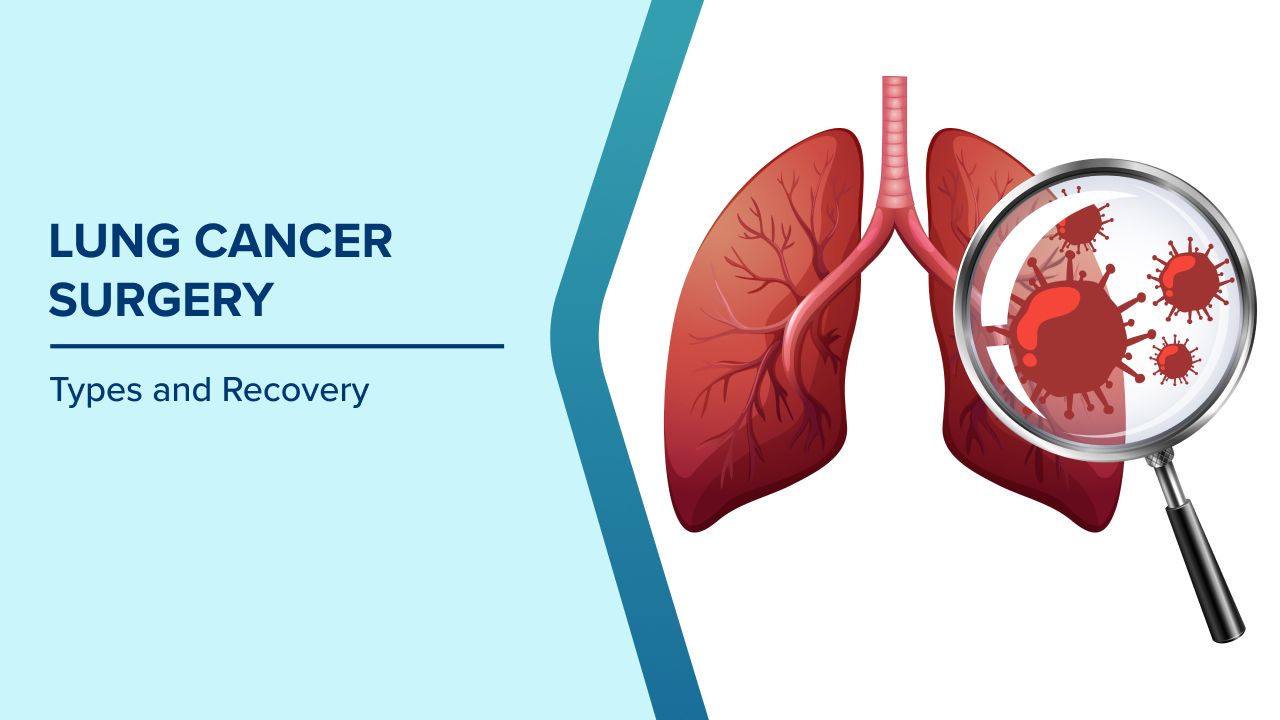
Lung cancer surgery is often recommended when the disease is diagnosed at an early stage and can offer the best chance of treatment for many patients. The choice of surgical procedure depends on several factors, including the tumour's size and location, the stage of the cancer, and the patient's overall health and lung function.
Understanding the different surgical procedures and what recovery typically involves can help patients and their families feel more informed and prepared for the treatment journey.
When Is Surgery Recommended for Lung Cancer?
Surgery is most commonly recommended for people with early-stage non-small cell lung cancer (NSCLC), where the tumour is confined to the lung and can be safely removed. In some cases, surgery may also be considered for selected patients with more advanced disease, often as part of a treatment plan that includes chemotherapy, targeted therapy, or immunotherapy.
Doctors carefully evaluate whether surgery is likely to remove all visible cancer while preserving as much healthy lung tissue as possible. Before recommending an operation, they assess the patient's lung function, overall fitness, and whether they are likely to recover well after surgery.
Factors That Help Doctors Choose the Right Surgery
Lung cancer surgery is highly individualised. No single procedure is suitable for everyone, and the surgical approach is selected after considering several important factors.
These include:
- The size of the tumour
- Its location within the lung
- Whether nearby lymph nodes are involved
- The stage of the cancer
- The patient's age and general health
- Existing lung conditions, such as chronic obstructive pulmonary disease (COPD) or pulmonary fibrosis
- Results of pulmonary function tests
The goal is to remove the cancer effectively while preserving as much healthy lung function as possible.
Types of Lung Cancer Surgery
The extent of surgery depends on how much of the lung needs to be removed to achieve the best cancer outcome.
Wedge Resection
A wedge resection removes the tumour along with a small wedge-shaped portion of surrounding healthy lung tissue. It is usually considered when the tumour is very small or when preserving lung tissue is particularly important because of reduced lung function or other medical conditions.
Segmentectomy
The lungs are divided into anatomical segments. During a segmentectomy, one or more of these segments are removed while leaving the remaining parts of the lobe intact.
This procedure may be recommended for carefully selected patients with small, early-stage lung cancers where preserving lung tissue is beneficial.
Lobectomy
Each lung is divided into lobes. A lobectomy involves removing the entire lobe containing the tumour and is often considered the standard surgical treatment for many early-stage lung cancers.
Removing the whole lobe helps reduce the likelihood of leaving behind microscopic cancer cells while allowing the remaining lung tissue to continue functioning.
Sleeve Resection
A sleeve resection is performed when the tumour involves one of the major airways leading into the lung. Instead of removing the entire lung, the surgeon removes the affected portion of the airway along with the tumour and reconnects the healthy ends.
This approach can preserve more lung tissue while still achieving effective cancer removal in suitable patients.
Pneumonectomy
A pneumonectomy involves removing an entire lung. This operation is generally reserved for cancers that are too extensive to be treated with smaller resections but can still be completely removed through surgery.
Although living with one lung requires adjustment, many people can continue to lead active lives after appropriate rehabilitation and follow-up care.
Preparing for Lung Cancer Surgery
Preparing for surgery involves a comprehensive health assessment to help ensure the procedure can be carried out safely. These evaluations also help determine whether the patient is fit for the planned operation.
These may include:
- CT scans and, in some cases, PET-CT scans to assess the extent of the cancer
- Pulmonary function tests to evaluate lung capacity
- Blood tests
- Electrocardiogram (ECG) and cardiac evaluation, if needed
- Assessment of other medical conditions that may affect surgery or recovery
Patients who smoke are strictly encouraged to stop before surgery, as smoking cessation can improve lung function, reduce complications, and support healing. Maintaining good nutrition and staying physically active, where possible, may also help prepare the body for recovery.
What Happens During Lung Cancer Surgery?
The steps involved in surgery depend on the specific procedure selected. Along with removing the tumour and the affected part of the lung, the surgeon may also remove nearby lymph nodes. These are examined to assess whether the cancer has spread and to help determine the need for additional treatment.
The surgical team carefully monitors vital functions throughout the procedure, and patients receive general anaesthesia so they remain asleep and comfortable during the operation.
What to Expect After Surgery
Following surgery, patients are closely monitored in the recovery area before being transferred to their hospital room. A chest drain is commonly placed to remove excess air and fluid while the lung heals.
Pain management is an important part of recovery and helps patients breathe deeply, cough effectively, and gradually resume normal activities.
The length of the hospital stay varies depending on the type of surgery performed, the patient's overall health, and how smoothly recovery progresses.
Possible Risks and Complications
Possible complications include:
- Bleeding
- Infection
- Air leak from the lung
- Pneumonia
- Irregular heart rhythm
- Blood clots
- Reduced lung function during recovery
The surgical team takes several measures before, during, and after the operation to minimise these risks and support safe recovery.
Life After Lung Cancer Surgery
Recovery does not end with a patient leaving the hospital. Ongoing follow-up is essential to monitor healing, assess lung function, and detect any signs of cancer recurrence at an early stage.
Many patients are able to return to their normal daily routines over time, although the pace of recovery varies from person to person. Maintaining a healthy lifestyle can support long-term lung health and overall wellbeing.
Helpful habits include:
- Attending all scheduled follow-up appointments
- Avoiding smoking and exposure to tobacco smoke
- Eating a balanced, nutritious diet
- Staying physically active as advised by the healthcare team
- Reporting any new or persistent symptoms promptly
Conclusion
Lung cancer surgery is carefully tailored to each patient's individual needs. The choice of procedure depends on factors such as the tumour's size, location, stage, and overall lung health. Whether the operation involves removing a small section of the lung or an entire lobe, the aim is to treat the cancer effectively while preserving as much healthy lung function as possible.
Understanding the different surgical options and knowing what to expect before and after the operation can help patients approach treatment with greater confidence. Working closely with an experienced multidisciplinary team ensures that each person receives personalised care throughout their treatment and recovery journey.
Frequently Asked Questions
1. Which type of lung cancer surgery removes the least amount of lung tissue?
A wedge resection removes the smallest amount of lung tissue and may be suitable for selected patients with small tumours or reduced lung function.
2. How do doctors decide which lung cancer surgery is best?
The decision depends on several factors, including the size and location of the tumour, cancer stage, lung function, and the patient's overall health.
3. Can people live normally after part of a lung is removed?
Yes. Many people return to their regular daily activities after recovery, although lung capacity may be reduced depending on the amount of lung removed.
4. Will I need additional treatment after lung cancer surgery?
Some patients may require chemotherapy, targeted therapy, immunotherapy, or radiation therapy after surgery, depending on the final pathology results and cancer stage.
5. How often will I need follow-up after lung cancer surgery?
Follow-up schedules vary for each individual, but regular appointments and imaging scans are important to monitor recovery and detect any recurrence at an early stage.
Written and Verified by:

Related Blogs

Dr. S. VEDA PADMA PRIYA In Surgical Oncology , Cancer Care / Oncology
May 16 , 2016 | 2 min read

Dr. Kanika Batra Modi In Surgical Oncology , Cancer Care / Oncology
May 26 , 2016 | 4 min read
Blogs by Doctor
Most read Blogs


Related Blogs
Dr. S. VEDA PADMA PRIYA In Surgical Oncology , Cancer Care / Oncology
May 16 , 2016 | 2 min read
Dr. Kanika Batra Modi In Surgical Oncology , Cancer Care / Oncology
May 26 , 2016 | 4 min read
Blogs by Doctor
Most read Blogs