 WhatsApp Us (24/7)
 +91 926 888 0303 (24/7)


To Book an Appointment
Call Us+91 926 888 0303Blackheads: Causes, Treatment, and Prevention Tips
By Dr. Deepali Bhardwaj in Dermatology
Sep 24 , 2026

Blackheads are one of the most common skin concerns out there, and also one of the most misunderstood, with most people assuming they're caused by dirt and can be scrubbed away. The truth is, blackheads are mostly a mixture of oil and dead skin cells that get trapped in the pore and darken once exposed to air. This is why aggressive scrubbing or squeezing rarely works and often leaves skin worse off. In this article, we'll look at what actually causes blackheads, what actually works, from home remedies to dermatologist-recommended treatments, and prevention tips if you want to keep them under control for good.
What are Blackheads?
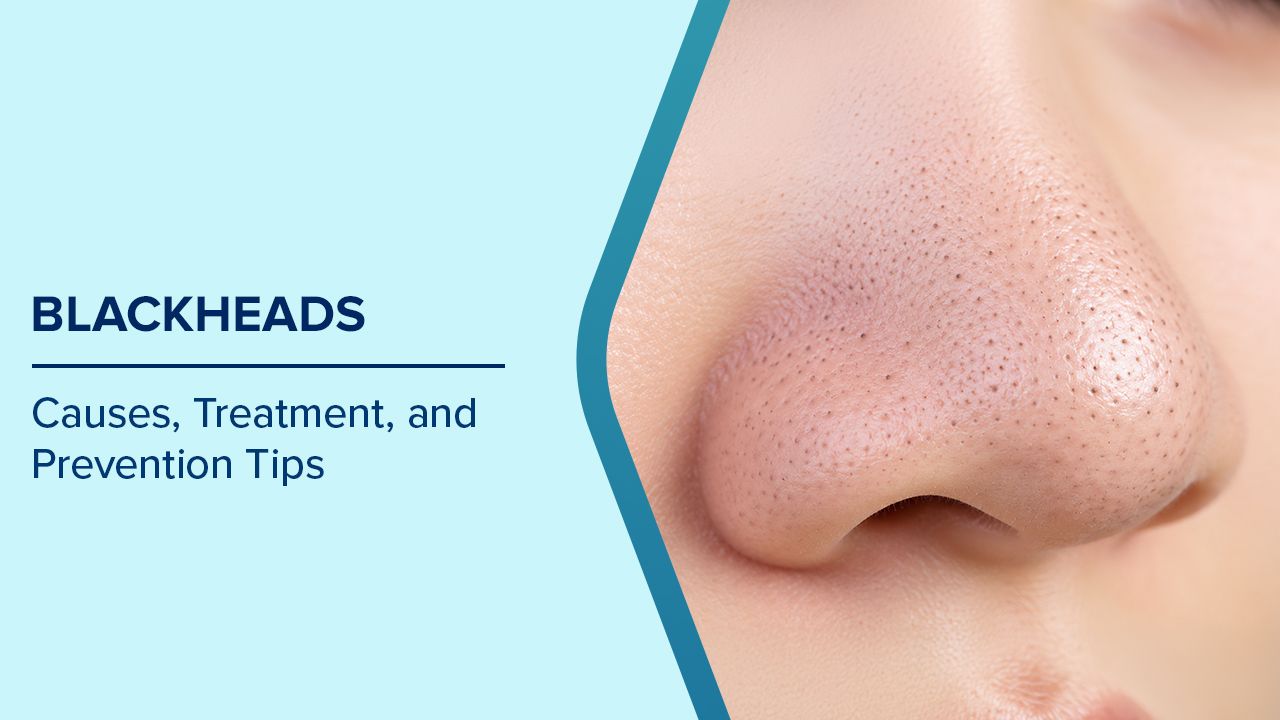
Blackheads are a mild form of acne that develop when hair follicles, commonly known as pores, become clogged with excess oil (sebum) and dead skin cells. Unlike whiteheads, the clogged pore remains open, and exposure to air causes the trapped material to oxidise, turning it dark. This dark colour is not caused by dirt but by a natural chemical reaction. Blackheads most commonly appear on the nose, chin, forehead, chest, and back, although blackheads on the nose and blackheads on the face are the most common concerns because these areas produce more oil.
What Causes Blackheads?
Blackheads develop when pores become blocked with excess oil (sebum) and dead skin cells. When the clogged pore remains open, the trapped material reacts with air and turns dark, forming a blackhead. Several factors can increase the likelihood of this happening. Some of the most common causes include:
- Excess Oil Production: Overactive sebaceous glands produce more oil than the skin needs, making pores more likely to become clogged.
- Dead Skin Cell Build-up: When dead skin cells are not shed effectively, they mix with oil and block the pores.
- Hormonal Changes:Hormonal fluctuation during puberty, menstruation, pregnancy, or conditions such as polycystic ovary syndrome (PCOS) can increase oil production.
- Comedogenic Skincare Products: Heavy creams, oily cosmetics, or hair products that clog pores can contribute to blackhead formation.
- Poor Cleansing Habits: Dirt, oil, makeup, and sunscreen left on the skin can build up over time and increase the risk of clogged pores.
- Excessive Sweating: Sweat itself does not cause blackheads, but when it mixes with oil and dead skin cells, it can contribute to blocked pores if the skin is not cleansed properly.
- Certain Medications: Some medicines, such as corticosteroids or lithium, may increase the likelihood of acne and blackheads in some individuals.
- Genetic Factors: People with a family history of oily skin or acne may be more prone to developing blackheads.
Who is More Likely to Develop Blackheads?
Blackheads can affect anyone, but some people are more likely to develop them due to factors such as age, skin type, hormones, and genetics. The following groups have a higher risk:
- Teenagers: Hormonal changes during puberty increase oil production, making blackheads more common.
- People With Oily Skin: Excess sebum can clog pores more easily, increasing the likelihood of blackheads.
- Adults With Hormonal Changes: Hormonal fluctuations during menstruation, pregnancy, menopause, or conditions such as polycystic ovary syndrome (PCOS) can contribute to blackhead formation.
- People With Acne-Prone Skin: Individuals who frequently experience acne are also more likely to develop blackheads.
- Those Using Pore-Clogging Products: Regular use of comedogenic skincare, makeup, or hair products can increase the risk of blocked pores.
- People With a Family History of Acne: Genetics can influence oil production and skin type, making some individuals more prone to blackheads.
Blackhead Treatment Options
Blackhead removal often requires a combination of skincare products and dermatologist-recommended procedures. The most suitable treatment depends on the severity of the condition, skin type, and whether blackheads occur on their own or as part of acne. Common treatment options include:
Over-the-Counter Treatments
Many mild cases of blackheads respond well to non-prescription products that help keep pores clear and prevent new blockages.
- Salicylic Acid: A beta-hydroxy acid (BHA) that exfoliates inside the pores, removes excess oil, and helps dissolve dead skin cells.
- Retinoids: Over-the-counter retinoids, such as adapalene, increase skin cell turnover and help prevent clogged pores.
- Benzoyl Peroxide: Although primarily used to treat inflamed acne by reducing acne-causing bacteria, it may be recommended when blackheads occur alongside pimples. It has a limited role in treating blackheads alone.
Prescription Treatments
If blackheads are persistent or do not improve with over-the-counter products, a dermatologist may prescribe stronger medications.
- Topical Retinoids: Prescription-strength retinoids, such as tretinoin or tazarotene, help prevent clogged pores and promote faster skin cell renewal.
- Combination Acne Medications: Products that combine retinoids with benzoyl peroxide or topical antibiotics may be prescribed when blackheads are accompanied by other forms of acne.
- Chemical Peels: Dermatologist-prescribed peels containing ingredients such as salicylic acid or glycolic acid help exfoliate the skin and reduce clogged pores.
Professional Procedures
Certain in-clinic treatments can provide quicker results, particularly for stubborn or recurring blackheads.
- Comedone Extraction: A dermatologist safely removes blackheads using specialised sterile instruments without damaging the surrounding skin.
- Chemical Peels: Professional-strength chemical peels exfoliate the skin more deeply than at-home products, helping to clear blocked pores.
- Microdermabrasion: This procedure gently exfoliates the skin's surface to remove dead skin cells and improve overall skin texture.
- Hydrafacial: In suitable cases, this treatment combines cleansing, exfoliation, extraction, and hydration to reduce blackheads and improve skin health.
- Laser Or Light-Based Therapies: In selected cases, these treatments may help reduce oil production and improve acne-prone skin, particularly when other treatments have not been effective.
How Can Blackheads Be Removed at Home
Many blackheads can be managed at home with a consistent skincare routine and the right products. The goal is to keep pores clear, control excess oil, and avoid practices that can irritate the skin or make blackheads worse. Some safe ways to manage blackheads at home include:
- Use A Salicylic Acid Cleanser: Salicylic acid penetrates deep into the pores to break down excess oil and dead skin cells, making it easier for blackheads to clear.
- Apply A Topical Retinoid: Over-the-counter retinoids, such as adapalene, increase skin cell turnover and help unclog existing pores over time.
- Exfoliate With AHAs Or BHAs: Chemical exfoliants containing glycolic acid (AHA) or salicylic acid (BHA) help remove dead skin cells and gradually reduce blackheads. Avoid over-exfoliating, as it can irritate the skin.
- Use a Clay Mask: Clay masks absorb excess oil and help loosen debris trapped inside the pores, making blackheads less noticeable.
- Try Pore Strips Occasionally: Blackhead removal strips can remove the surface portion of blackheads temporarily, but they do not remove the entire clog or prevent blackheads from returning.
How to Prevent Blackheads
Blackheads cannot always be prevented completely, but a consistent skincare routine and healthy skin habits can significantly reduce their occurrence. The following tips can help keep pores clear and lower the risk of new blackheads forming:
- Cleanse Twice Daily: Wash the face with a gentle cleanser in the morning, before bed, and after excessive sweating to remove oil, dirt, and other impurities.
- Use Non-Comedogenic Products: Choose skincare, sunscreen, and makeup labelled as non-comedogenic, as these are less likely to clog pores.
- Exfoliate Regularly: Use a gentle chemical exfoliant containing salicylic acid or glycolic acid a few times a week to remove dead skin cells and prevent pore blockage.
- Remove Makeup Before Bed: Leaving makeup on overnight can contribute to clogged pores and increase the risk of blackheads.
- Moisturise Daily: Keeping the skin hydrated with a lightweight, non-comedogenic moisturiser helps maintain a healthy skin barrier.
- Avoid Touching the Face: Frequent contact with the face can transfer oil, dirt, and bacteria to the skin, increasing the chance of clogged pores.
- Wash Hair Regularly: Excess oil from the hair can transfer to the forehead and face, particularly around the hairline, contributing to blackheads.
- Avoid Heavy Oil-Based Products: Thick creams, pomades, and oil-based cosmetics can clog pores, especially on acne-prone skin.
- Follow a Consistent Skincare Routine: Regular skincare is more effective than frequently changing products or using harsh scrubs, which can irritate the skin.
Consult Today
Blackheads are common, but that doesn't mean they have to be a permanent feature on your skin. If blackheads persist despite home care, keep coming back, or seem to be getting worse, it's worth getting them looked at rather than continuing to experiment on your own. A dermatologist at Max Hospitals can identify what's actually driving the problem, whether it's hormonal, product-related, or something else entirely, and recommend a treatment plan suited to your skin. Book a consultation today and take the first step towards clearer, healthier skin.
Frequently Asked Questions
Can blackheads disappear on their own?
Small blackheads may clear naturally as the skin renews itself, but many persist unless the clogged pore is cleared. A consistent skincare routine can help speed up the process.
Are blackheads a sign of unhealthy skin?
No. Blackheads are a common skin condition caused by clogged pores and excess oil production. They can occur even in people who maintain good skincare habits.
Why do blackheads keep coming back after removal?
Removing the visible blackhead does not stop the pore from becoming clogged again. If excess oil production and dead skin cell build-up continue, new blackheads can form in the same area.
Can blackheads turn into pimples?
Yes. If the clogged pore becomes inflamed or infected with acne-causing bacteria, a blackhead can develop into an inflamed pimple.
Does wearing makeup make blackheads worse?
Not necessarily. Using non-comedogenic makeup and removing it thoroughly before going to bed can minimise the risk of clogged pores.
Is it safe to use blackhead removal tools at home?
Blackhead extractors should be used with caution. Incorrect use can injure the skin, push debris deeper into the pore, or cause scarring. Professional extraction by a dermatologist is generally safer.
Can stress cause blackheads?
Stress does not directly cause blackheads, but it may increase hormone levels that stimulate oil production, which can contribute to clogged pores in some people.
Can blackheads leave scars?
Blackheads themselves usually do not leave scars. However, picking or squeezing them aggressively can damage the skin and lead to scarring or post-inflammatory pigmentation.
How to remove blackheads from the nose?
Blackheads on the nose can often be reduced with products containing salicylic acid or retinoids, along with gentle chemical exfoliation. If they are stubborn or keep returning, a dermatologist may recommend treatments such as comedone extraction or chemical peels for more effective removal.
Written and Verified by:

Related Blogs


Blogs by Doctor
Most read Blogs


Related Blogs
Blogs by Doctor
Most read Blogs