 WhatsApp Us (24/7)
 +91 926 888 0303 (24/7)


To Book an Appointment
Call Us+91 926 888 0303Understanding Mood Swings: Common Triggers, Symptoms, and When to Consult a Doctor
By Dr. Sameer Malhotra in Mental Health And Behavioural Sciences
Oct 07 , 2026

Most of us have had days when our mood shifts drastically throughout the day, perhaps feeling calm in the morning and irritable by the afternoon, or cheerful one moment and low the next without any obvious reason. These shifts are usually harmless and pass on their own. But when mood swings become frequent, intense, or start affecting your work, relationships, or daily routine, they may be pointing to something that deserves closer attention. This blog looks at what causes mood swings, how to recognise them, and when it's time to speak with a doctor.
What are Mood Swings?
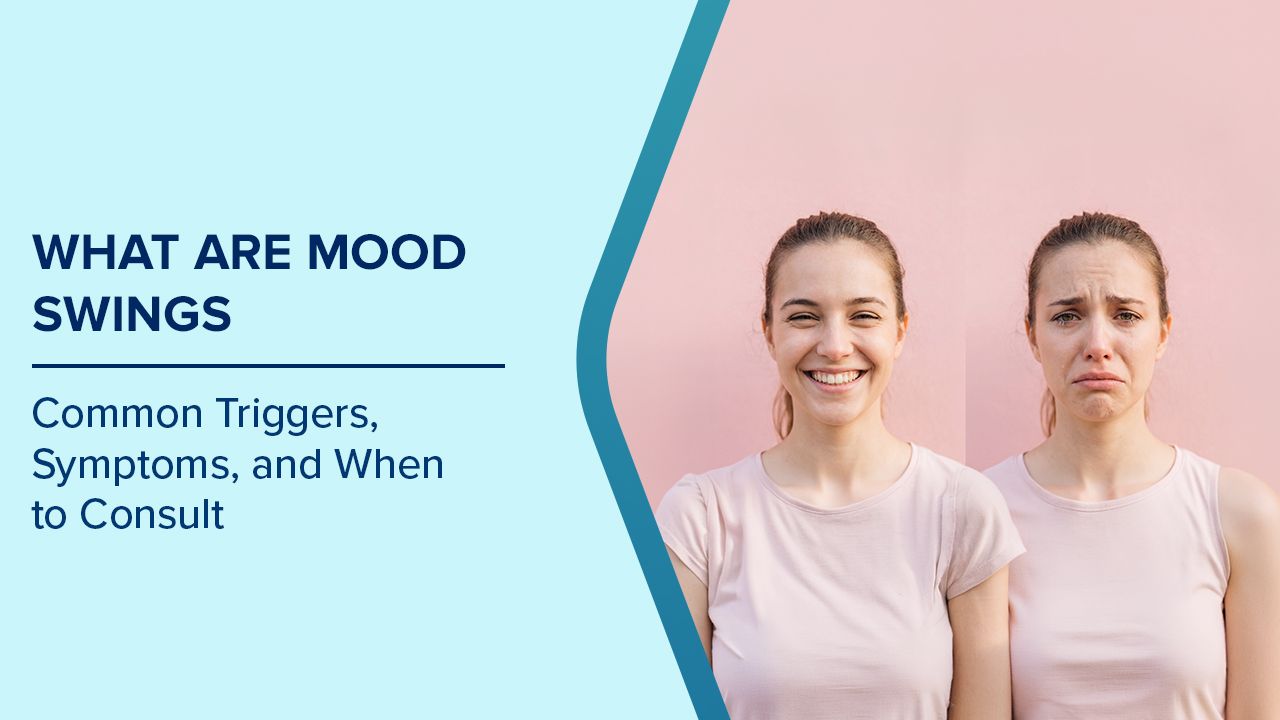
Mood swings refer to sudden or noticeable shifts in emotional state, moving from happiness to sadness, calm to irritability, or energetic to withdrawn, often within a short span of time. Everyone experiences some degree of emotional fluctuation; it's part of being human. The concern arises when these shifts become unpredictable, disproportionate to the situation, or start interfering with everyday functioning.
Common Triggers of Mood Swings
Mood swings can be influenced by a range of physical, emotional, and lifestyle factors. These include:
Hormonal Changes
Fluctuations in hormone levels can significantly affect emotional wellbeing. Mood swings are commonly experienced during puberty, menstruation, pregnancy, postpartum recovery, and menopause due to shifts in oestrogen and progesterone levels.
Stress
Ongoing stress from work, relationships, financial concerns, or major life changes can overwhelm the body's coping mechanisms. This may lead to irritability, anxiety, frustration, and sudden emotional ups and downs.
Lack Of Sleep
Poor sleep quality or insufficient sleep can disrupt brain function and emotional regulation. People who are sleep deprived often experience increased sensitivity, irritability, and difficulty managing their emotions.
Mental Health Conditions
Certain mental health disorders can contribute to frequent or intense mood changes. Conditions such as depression, anxiety disorders, bipolar disorder, and borderline personality disorder are often associated with noticeable shifts in mood.
Medical Conditions
Some health conditions can affect brain chemistry and hormone balance, leading to mood fluctuations. Examples include thyroid disorders, chronic pain conditions, diabetes, and neurological disorders.
Medications
Certain prescription medications may influence mood as a side effect. Hormonal treatments, corticosteroids, antidepressants, and some blood pressure medications can sometimes contribute to emotional changes.
Substance Use
Alcohol, recreational drugs, nicotine, and excessive caffeine consumption can affect the nervous system and alter mood. Withdrawal from these substances may also trigger mood instability.
Poor Diet
Skipping meals, consuming excessive processed foods, or experiencing blood sugar fluctuations can impact energy levels and emotional balance. Nutrient deficiencies may also contribute to changes in mood.
Relationship Challenges
Conflicts with family members, friends, or partners can create emotional distress and increase the likelihood of mood swings. Feelings of rejection, loneliness, or unresolved tension may further intensify emotional reactions.
Major Life Events
Significant events such as moving to a new city, changing jobs, getting married, experiencing loss, or facing a serious illness can trigger emotional fluctuations as individuals adjust to new circumstances.
Symptoms Associated With Mood Swings
Mood swings can affect emotions, behaviour, thinking patterns, and physical wellbeing. The symptoms may vary from person to person and can range from mild emotional changes to more significant disruptions in daily life.
Emotional Symptoms
The following emotional changes are commonly associated with mood swings:
- Rapid Mood Changes: Sudden shifts between happiness, sadness, anger, or excitement
- Irritability: Feeling easily annoyed or frustrated
- Anxiety: Increased nervousness, worry, or uneasiness
- Emotional Sensitivity: Becoming more reactive to situations or comments
- Low Mood: Feelings of sadness, emptiness, or discouragement
- Restlessness: Difficulty feeling calm or relaxed
Behavioural Symptoms
Mood swings can influence daily actions, habits, and interactions with others.
- Social Withdrawal: Avoiding friends, family, or social activities
- Impulsive Actions: Making hasty decisions without considering consequences
- Reduced Motivation: Struggling to complete routine tasks or responsibilities
- Performance Changes: Declining productivity at work or school
- Relationship Conflicts: Increased arguments or misunderstandings with others
- Loss Of Interest: Reduced enjoyment in hobbies and activities
Cognitive Symptoms
Changes in mood can also affect thinking, concentration, and decision-making.
- Poor Concentration: Difficulty staying focused on tasks
- Racing Thoughts: Experiencing a rapid flow of ideas or worries
- Indecisiveness: Finding it hard to make decisions
- Negative Thinking: Frequent pessimistic or self-critical thoughts
- Forgetfulness: Difficulty remembering information or appointments
- Mental Fog: Feeling mentally unclear or distracted
Physical Symptoms
Mood swings may be accompanied by physical signs that affect overall wellbeing.
- Fatigue: Persistent tiredness or low energy levels
- Sleep Disturbances: Sleeping too much, too little, or experiencing poor-quality sleep
- Appetite Changes: Increased or decreased hunger
- Headaches: Frequent tension headaches or migraines
- Muscle Tension: Tightness or discomfort in the neck, shoulders, or body
- Digestive Issues: Stomach discomfort, nausea, or changes in bowel habits
When Mood Swings are Normal vs When They're Not
A certain amount of emotional variation is completely normal. If your mood dips after a bad day at work and lifts again once the situation resolves, that's the brain doing what it's supposed to do.
What's worth paying attention to is when mood swings become frequent, last longer than usual, or seem disconnected from any clear trigger. If they're intense enough to disrupt your work, strain your relationships, or are paired with other symptoms like ongoing sleep trouble or appetite changes that stretch on for weeks, it may not just be a passing phase anymore.
Managing Mood Swings: Practical Tips
Managing mood swings often involves a combination of healthy lifestyle habits, stress management techniques, and addressing any underlying health concerns. Here are some practical tips that may help:
- Prioritise Sleep: Aim for a consistent sleep schedule and get enough rest each night to support emotional wellbeing.
- Stay Physically Active: Regular exercise can help reduce stress, improve mood, and boost overall mental health.
- Eat A Balanced Diet: Consuming nutritious meals at regular intervals can help maintain stable energy levels and support emotional balance.
- Manage Stress: Practise relaxation techniques such as deep breathing, meditation, or mindfulness to cope with daily stressors.
- Identify Triggers: Keep track of situations, events, or habits that seem to trigger mood changes and take steps to address them.
- Stay Connected: Spend time with supportive friends and family members who can provide emotional support when needed.
- Limit Alcohol And Caffeine: Excessive consumption of these substances may contribute to mood fluctuations in some individuals.
- Make Time For Enjoyable Activities: Engaging in hobbies and activities you enjoy can help improve emotional wellbeing.
- Seek Professional Support: Consult a healthcare professional if mood swings become frequent, severe, or begin affecting your daily life and relationships.
- Treat Underlying Conditions: Managing hormonal imbalances, medical conditions, or mental health disorders can often help reduce mood-related symptoms.
When to Consult a Doctor
There isn't a fixed rule for exactly when mood swings cross the line into something that needs medical attention, but a few signs are worth taking seriously:
- Mood swings that persist for more than two weeks without improvement
- Swinging between extreme highs and extreme lows
- Withdrawal from people or activities you'd normally enjoy
- Mood changes that interfere with your ability to function at work or home
- Any thoughts of self-harm, which should be addressed immediately and never ignored
When you do see a doctor, they'll usually start by ruling out physical causes, this might involve checking hormone levels, thyroid function, and vitamin levels, before exploring a psychological assessment if needed. It's a process, not a single test, and that's completely normal.
It's also worth saying this clearly: reaching out for help with mood swings isn't a weakness. It's simply a sensible step towards understanding what your body and mind are trying to tell you.
Consult Today
Mood swings are something almost everyone deals with from time to time, and in most cases, they pass without leaving much of a mark. But when they become frequent, intense, or start affecting how you live your life, it's worth getting them checked rather than waiting it out. If you've noticed persistent mood changes that don't seem to have an obvious cause, it may be time to speak with a psychologist at Max Hospitals who can help identify what's behind them and guide you towards the right support.
Frequently Asked Questions
Q. Can mood swings be a sign of depression?
Yes, mood swings can be one of several symptoms associated with depression, though they're not exclusive to it. A doctor can help determine whether depression or another condition is involved.
Q. Are mood swings normal during periods?
Yes, hormonal fluctuations during the menstrual cycle commonly cause mood swings. If they become severe enough to disrupt daily life, it's worth discussing with a doctor, as this could indicate PMDD.
Q. How long do mood swings typically last?
This varies widely. Situational mood swings often resolve within hours or a day, while those linked to underlying conditions may persist for weeks if left unaddressed.
Q. Can lack of sleep cause mood swings?
Yes, poor or insufficient sleep is one of the most common and underestimated triggers of mood instability.
Q. Can mood swings be a symptom of a thyroid problem?
Yes, both an overactive and underactive thyroid can disrupt mood regulation. If mood swings come along with fatigue, weight changes, or sensitivity to temperature, it's worth getting thyroid levels checked.
Q. Do mood swings get worse with age?
Not necessarily, but certain life stages, such as perimenopause or andropause, can bring on hormonal shifts that make mood swings more noticeable than they were before.
Q. Can diet really affect mood swings?
Yes, blood sugar spikes and crashes from irregular eating or high sugar intake can contribute to irritability and emotional instability. A balanced diet with regular meals tends to support steadier moods.
Q. Is it possible to have mood swings without any underlying condition?
Yes. Stress, poor sleep, dehydration, or even a particularly demanding week can trigger mood swings in someone with no diagnosable condition at all. Not every instance needs a clinical explanation.
Q. Should I keep a record of my mood swings before seeing a doctor?
It can help. Noting when the swings happen, how long they last, and what seems to trigger them gives your doctor useful context and can make the consultation more productive.
Written and Verified by:

Related Blogs

Dr. Prashant Gupta In Mental Health And Behavioural Sciences , Psychiatry
Nov 08 , 2020 | 5 min read

Blogs by Doctor

Live a stress-free life forever
Dr. Sameer Malhotra In Mental Health And Behavioural Sciences , Orthopaedics & Joint Replacement
Nov 08 , 2020 | 2 min read

Common Symptoms of Obsessive Compulsive Disorder
Dr. Sameer Malhotra In Mental Health And Behavioural Sciences
Nov 08 , 2020 | 2 min read
Most read Blogs


Related Blogs
Dr. Prashant Gupta In Mental Health And Behavioural Sciences , Psychiatry
Nov 08 , 2020 | 5 min read
Blogs by Doctor
Live a stress-free life forever
Dr. Sameer Malhotra In Mental Health And Behavioural Sciences , Orthopaedics & Joint Replacement
Nov 08 , 2020 | 2 min read
Common Symptoms of Obsessive Compulsive Disorder
Dr. Sameer Malhotra In Mental Health And Behavioural Sciences
Nov 08 , 2020 | 2 min read
Most read Blogs