 WhatsApp Us (24/7)
 +91 926 888 0303 (24/7)


To Book an Appointment
Call Us+91 926 888 0303Plastic Surgery: Reconstructive & Burn Care
By Dr. Chisel Bhatia in Aesthetic And Reconstructive Surgery
Sep 17 , 2026
1

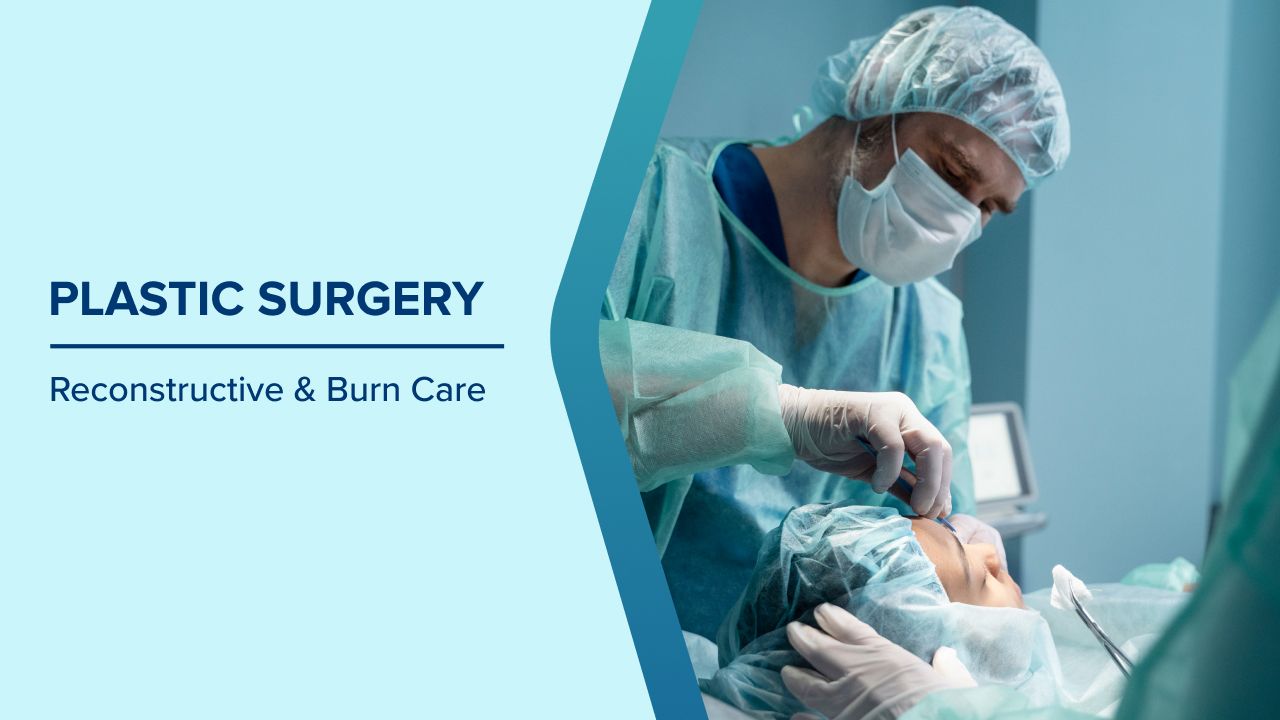
When most people hear "plastic surgery," they picture cosmetic makeovers. In reality, plastic surgery is one of the broadest and most technically demanding specialities in medicine, covering everything from emergency burn care to cancer reconstruction to complex hand surgery to elective aesthetic enhancement. Here's what a modern plastic surgery service covers, and why each area matters.
What Does Plastic Surgery Actually Cover?
A comprehensive plastic surgery department typically manages care across several distinct sub-specialities:
- Cosmetic Surgery: Elective procedures aimed at enhancing appearance
- Burn Surgery: Acute burn management and long-term reconstruction of burn scars
- Onco-Reconstructive Surgery: Rebuilding form and function after cancer surgery (head and neck, breast, soft tissue)
- Cleft and Craniofacial Surgery: Correcting congenital conditions like cleft lip, palate, and microtia (underdeveloped ear)
- Hand Surgery: Restoring function after trauma or congenital hand differences
- Brachial Plexus Surgery: Treating nerve injuries that affect arm and hand movement
- Microvascular Surgery: Reconnecting tiny blood vessels and nerves under a microscope, often used in reconstructive flap surgery
- Body Contouring: Reshaping the body after major weight loss or as part of reconstructive care
- Trauma Surgery: Emergency reconstruction following accidents and injuries
- Wound Management: Treating chronic, non-healing wounds such as diabetic foot ulcers and pressure sores
Each requires distinct skills, yet they share the same underlying goal: restoring both form and function.
Burn Care: A Speciality Within a Speciality
Burn injuries are among the most complex cases a plastic surgery team manages, and they don't end when the wound closes. Acute burn care focuses on survival and infection control, but the real long-term challenge is what comes after, scarring, contractures (tightening of skin that restricts movement), and deformities that can affect a patient for life.
Effective burn care generally depends on a few critical resources:
- Intensive care support for the sickest patients
- Advanced wound dressing materials that speed healing and reduce scarring
- Trained dressing specialists who manage complex, multi-step wound care
- Access to a dedicated burn surgeon experienced in both acute treatment and reconstruction
Because burn treatment is often long, multi-staged, and expensive, patients, particularly those from lower-income backgrounds, frequently struggle to complete follow-up care, especially reconstructive procedures like scar revision or laser therapy. This is a recognised gap in burn care access across many healthcare systems, and it's a major reason burn units and structured follow-up programs matter as much as the initial treatment itself.
Post-burn sequelae, contractures, raw areas, deformities, and thickened scars, often require further surgery long after the original injury has healed. One advanced technique used for post-burn scarring is tissue expansion, where a balloon-like implant is placed under nearby healthy skin and gradually inflated over several weeks. This stretches the skin so it can later be used to resurface the scarred area, a valuable option when there isn't enough healthy donor skin nearby for a standard graft.
Onco-Reconstructive Surgery: Rebuilding After Cancer
For many cancer patients, removing the tumour is only half the treatment. Reconstructive surgery after cancer resection, particularly in the head and neck, breast, and soft tissue regions, plays a crucial role in restoring appearance, function, and quality of life.
Techniques like free flap surgery (transferring tissue, along with its blood supply, from one part of the body to another using microsurgery) have made high success rates achievable even in complex reconstructions. This is precision work: surgeons reconnect blood vessels under a microscope, often just millimetres in diameter, to ensure the transplanted tissue survives.
Congenital Conditions: Cleft, Craniofacial, and Hand Anomalies
Plastic surgeons also treat conditions patients are born with rather than acquire later in life. This includes:
- Cleft lip and palate repair: Often performed in partnership with charitable surgical programs that make treatment accessible to families who couldn't otherwise afford it
- Microtia reconstruction: Rebuilding an underdeveloped or absent outer ear
- Polydactyly correction: Removing extra digits on the hands or feet, a relatively common congenital hand difference
- Syndactyly correction: Separating fingers or toes that are joined together
- Macrodactyly correction: Treating unusually enlarged fingers or toes
- Prominent ears/lop ears: Correcting the shape or position of ears that protrude or have a drooping appearance
Because these conditions affect growth, feeding, speech, or long-term function, many are best addressed in early childhood, timed carefully around a child's development.
Hand and Brachial Plexus Surgery: Restoring Function
The hand is one of the most functionally complex parts of the body, and injuries or congenital differences here can significantly affect daily life. Hand surgery covers a wide range of conditions, including:
- Flexor and extensor tendon repair and reconstruction
- Nerve repair
- Phalangeal and metacarpal (finger and hand bone) fractures
- Carpal tunnel release
- Trigger finger and Dupuytren's contracture (a condition where tissue in the palm thickens and pulls fingers inward)
- Post-traumatic finger contractures and deformities
- Congenital differences like clinodactyly and camptodactyly (finger curvature conditions)
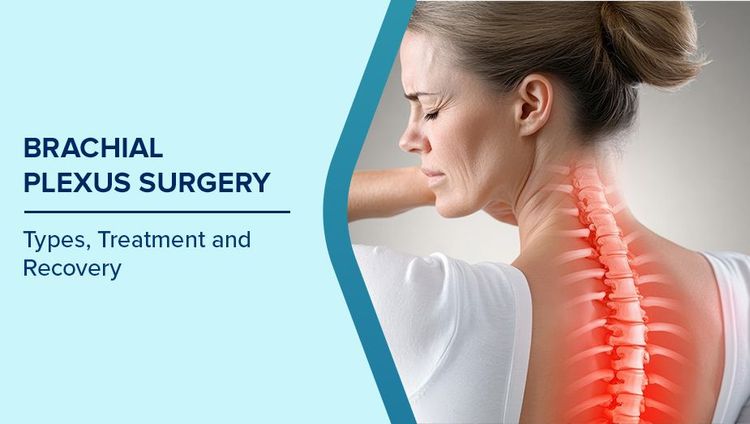
Brachial plexus surgery addresses injuries to the network of nerves that runs from the spine to the arm, often the result of trauma. These are technically demanding, delicate procedures, and outcomes depend heavily on timing and access to specialised post-operative physiotherapy focused on hand and musculoskeletal rehabilitation.
Trauma and Wound Reconstruction
Reconstructive surgeons play a central role in emergency and post-emergency care, managing:
- Facio-maxillary injuries: Soft tissue lacerations, facial nerve injuries, eyelid injuries, and fractures of the facial bones
- Scalp injuries: Avulsions, defects, and reconstruction using rotation, transposition, or free flaps
- Limb trauma: Lacerations, arterial injuries, nerve injuries, and muscle or tendon damage
- Crush injuries: Focused on limb salvage, restoring blood flow (revascularisation), repeated wound cleaning (debridement), and soft tissue coverage using grafts or flaps
Beyond acute trauma, reconstructive teams also manage chronic wound care, including diabetic foot ulcers, pressure sores (bed sores), and complications arising from other medical conditions. Modern wound management increasingly relies on tools like negative pressure wound therapy (NPWT), platelet-rich plasma (PRP), and artificial dermis substitutes to support healing in difficult-to-treat wounds.
Facial Paralysis Surgery
Facial paralysis, whether from injury, illness, or congenital causes, affects both function and self-expression. Reconstructive options for facial paralysis are a specialised, lower-volume area of plastic surgery, and awareness of these treatment options among both patients and referring doctors is still growing in many healthcare systems.
Aesthetic and Cosmetic Surgery
Alongside reconstructive work, plastic surgery departments typically offer a full range of elective aesthetic procedures, including:
Surgical procedures:
- Aesthetic breast surgery
- Tummy tuck (abdominoplasty)
- Liposuction: Removing excess localised fat deposits to improve body contours
- Blepharoplasty: Eyelid rejuvenation surgery
- Rhinoplasty: Reshaping the nose, one of the most commonly searched cosmetic procedures
- Gynaecomastia surgery: Reducing enlarged male breast tissue
- Brachioplasty: Arm lift surgery to address loose or sagging skin
- Fat grafting: Using a patient's own fat to fill or smooth areas of the body, including for scar improvement
- Body sculpting/contouring: Targeting areas like the neck, arms, bra rolls, saddle bags, and thighs
- Hair transplant surgery
Non-surgical aesthetics:
- Botox
- Dermal fillers
- Thread lifts
- Laser treatments
- Chemical peels
Patient privacy and a comfortable, dedicated clinical environment are especially important in aesthetic surgery, since many patients are making a personal, elective choice and value discretion throughout their treatment journey.
Why Access and Affordability Matter
One of the biggest barriers in reconstructive and burn surgery isn't surgical skill, it's access. Long treatment timelines, high costs for multi-staged procedures, and inconsistent insurance coverage often prevent patients from completing the care they need. Expanding insurance coverage, offering transparent and fixed-cost treatment packages, and improving patient follow-up systems are all steps that can make reconstructive plastic surgery more accessible to the patients who need it most.
On the aesthetic side, patients often weigh cost, privacy, and convenience when choosing where to be treated, which is why dedicated facilities, experienced surgical teams, and clear pricing all play a role in patient trust and satisfaction.
Conclusion
Plastic surgery is far broader than aesthetic enhancement. It's a speciality built on restoring what illness, injury, or birth conditions have taken away, whether that's a burn survivor's mobility, a cancer patient's sense of normalcy, a trauma patient's limb, or a child's ability to eat and speak after a cleft repair, while also offering elective aesthetic care for those who choose it. Understanding this scope helps patients know when to seek a plastic surgeon, and it highlights just how much this speciality contributes to long-term health outcomes, not just appearance.
Frequently Asked Questions
How is a plastic surgeon different from a cosmetic surgeon?
"Plastic surgeon" is a formal medical qualification requiring years of specialised surgical training, while "cosmetic surgeon" isn't a protected or standardised title in many countries; it can sometimes be used by doctors from other specialities who perform aesthetic procedures. A board-certified plastic surgeon is trained in both reconstructive and cosmetic techniques, so it's worth checking a surgeon's actual qualifications rather than just the title on their clinic signage.
How soon after an injury or diagnosis should reconstructive surgery happen?
It depends on the case. Some reconstructions, like certain cancer-related repairs, are done immediately after tumour removal in the same surgery. Others, such as burn scar revision, intentionally wait months to over a year, since scars continue to mature and change during that period, and operating too early can affect the outcome.
Can children undergo reconstructive plastic surgery, or does treatment wait until adulthood?
Many reconstructive conditions, such as cleft lip and palate, are treated in early childhood because timing affects feeding, speech development, and long-term facial growth. Other procedures, particularly those involving scar revision or elective refinements, are often delayed until the child is older or fully grown, depending on the specific condition.
How many surgeries does a complex reconstruction usually require?
Complex reconstructive cases are rarely resolved in a single operation. Many require a staged approach, an initial surgery followed by one or more revision or refinement procedures over months or years, particularly in burn reconstruction, craniofacial repair, and free flap surgery, where the body needs time to heal between stages.
What's the difference between a surgical and non-surgical aesthetic treatment?
Surgical procedures like rhinoplasty or a tummy tuck involve incisions and permanent changes to tissue, usually under anaesthesia, with a longer recovery period. Non-surgical treatments like Botox, fillers, or laser therapy are typically quicker, involve little to no downtime, and produce temporary results that need to be repeated periodically to maintain.
Why do some patients need specialised rehabilitation after hand or nerve surgery?
Surgery can repair a damaged tendon or nerve, but regaining strength, coordination, and range of motion afterwards depends heavily on structured physiotherapy. For conditions like brachial plexus injuries, rehabilitation works best when it's specifically tailored to the hand and musculoskeletal system, rather than generic physical therapy.
What is negative pressure wound therapy (NPWT)?
NPWT is a wound-care technique that uses a sealed dressing connected to a vacuum device to gently draw fluid away from a wound. This promotes blood flow, reduces swelling, and can speed up healing in chronic or difficult-to-close wounds, such as diabetic foot ulcers.
Written and Verified by:

Related Blogs

Dr. Sunil Choudhary In Aesthetic And Reconstructive Surgery
Nov 07 , 2020 | 2 min read

Dr. Sunil Choudhary In Aesthetic And Reconstructive Surgery
Nov 07 , 2020 | 1 min read
Blogs by Doctor

Most read Blogs


Related Blogs
Dr. Sunil Choudhary In Aesthetic And Reconstructive Surgery
Nov 07 , 2020 | 2 min read
Dr. Sunil Choudhary In Aesthetic And Reconstructive Surgery
Nov 07 , 2020 | 1 min read
Blogs by Doctor
Most read Blogs