 WhatsApp Us (24/7)
 +91 926 888 0303 (24/7)


To Book an Appointment
Call Us+91 926 888 0303Understanding DASH Diet: Benefits, Foods and Meal Planning
By Ritika Samaddar in Dietetics
Aug 31 , 2026

The food choices you make every day can have a significant impact on your overall health. With so many diets and eating plans available, it can be difficult to know which ones are truly beneficial. Among them, the DASH diet has consistently been recommended by healthcare professionals for its proven, long-term health benefits. But what exactly is the DASH diet, who is it suitable for, and how can you incorporate it into your daily routine? In this article, we'll explore what the DASH diet is, how it works, the foods it encourages, and practical tips to help you plan balanced meals without making healthy eating feel like a chore.
What is the DASH Diet?
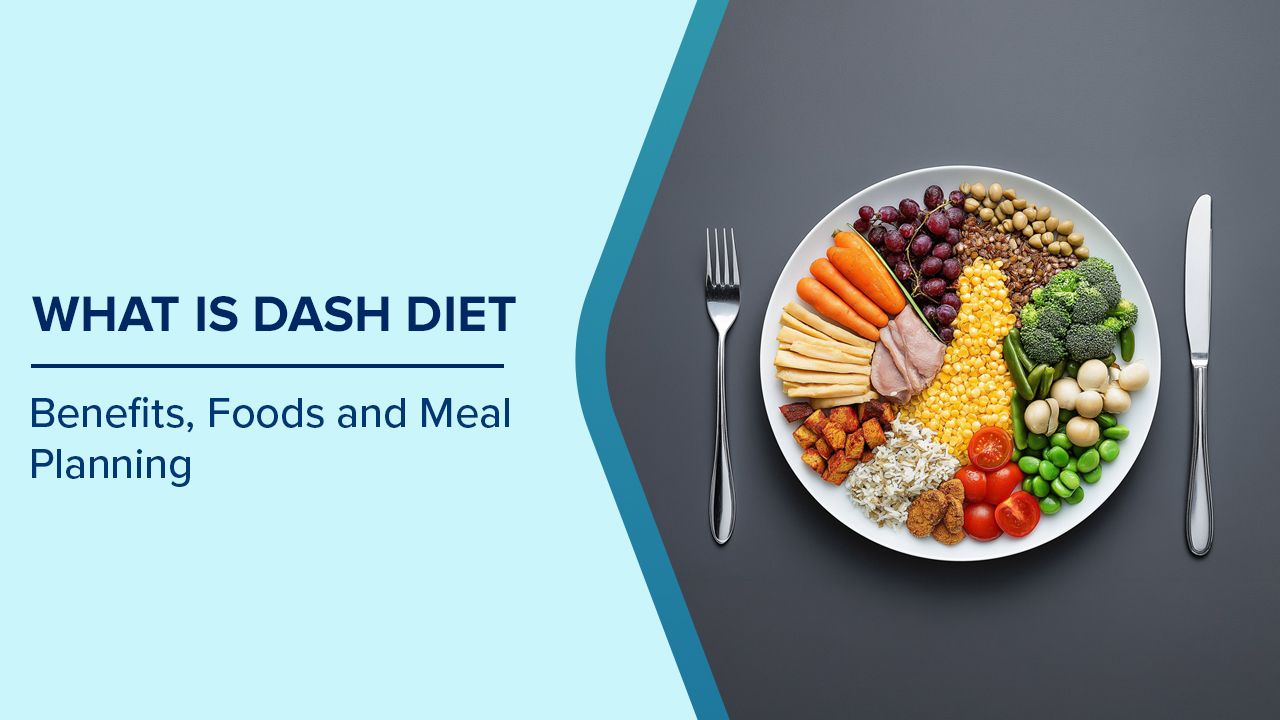
The DASH (Dietary Approaches to Stop Hypertension) diet is a balanced eating plan developed to help lower and manage high blood pressure through healthy food choices. Rather than eliminating entire food groups or relying on strict rules, it encourages a variety of nutrient-rich foods while limiting sodium, added sugars, and unhealthy fats. The diet emphasises fruits, vegetables, whole grains, lean proteins, low-fat dairy, nuts, seeds, and legumes, all of which provide nutrients such as potassium, calcium, magnesium, fibre, and protein that support healthy blood pressure and overall cardiovascular health. It also recommends reducing the intake of processed foods, salty snacks, sugary beverages, and foods high in saturated fat.
Key Benefits of the DASH Diet
The DASH diet was originally designed to help manage high blood pressure, but its benefits extend well beyond that. By encouraging a balanced intake of nutrient-rich foods and limiting excess sodium, unhealthy fats, and added sugars, it supports several aspects of long-term health. Some of the key benefits include:
- Lowers Blood Pressure: The DASH diet is best known for helping reduce and control high blood pressure. Its emphasis on potassium, calcium, magnesium, and reduced sodium intake helps regulate blood pressure naturally.
- Supports Heart Health: By promoting healthier food choices and limiting saturated fat, the DASH diet can improve cardiovascular health and reduce the risk of heart disease and stroke.
- Helps Lower Cholesterol: Eating more whole grains, fruits, vegetables, legumes, and lean proteins while cutting back on processed and high-fat foods can help improve cholesterol levels.
- Aids Weight Management: Although it is not specifically a weight loss diet, the DASH diet encourages filling, nutrient-dense foods that can help control calorie intake and support a healthy weight.
- Improves Blood Sugar Control: The diet's focus on fibre-rich carbohydrates, lean proteins, and healthy fats may help stabilize blood sugar levels, making it beneficial for people with diabetes or prediabetes.
- Supports Kidney Health: Reducing sodium intake and maintaining healthy blood pressure can help lower the risk of kidney damage, particularly in people with hypertension.
- Promotes Overall Well-being: Following the DASH diet can improve overall nutrition by ensuring adequate intake of essential vitamins, minerals, antioxidants, and fibre, supporting better energy levels and long-term health.
Foods to Include
The DASH diet focuses on whole, minimally processed foods that are naturally rich in nutrients and lower in sodium. Some of the key foods to include are:
- Fruits: Fresh seasonal fruits provide fibre, potassium, vitamins, and antioxidants that support heart health.
- Vegetables: Fill your plate with a variety of colourful vegetables such as spinach, broccoli, carrots, tomatoes, bell peppers, and cucumbers to boost your intake of fibre and essential nutrients.
- Whole Grains: Choose whole grains like whole wheat chapati, oats, brown rice, quinoa, millets, and dahlia instead of refined grains to increase fibre and improve satiety.
- Low-fat Dairy: Milk, yoghurt, and paneer made from low-fat milk are good sources of calcium, protein, and vitamin D, which play a role in maintaining healthy blood pressure.
- Lean Proteins: Opt for lean poultry, eggs, tofu, and lean cuts of meat to meet your protein needs without consuming excess saturated fat.
- Fish: Fatty fish such as salmon, sardines, and mackerel provide omega-3 fatty acids that support cardiovascular health.
- Beans And Lentils: Rajma, chana, moong, masoor, and other legumes are excellent sources of plant-based protein, fibre, potassium, and magnesium.
- Nuts And Seeds: Almonds, walnuts, pistachios, flaxseeds, chia seeds, and sunflower seeds provide healthy fats, protein, and important minerals. Consume them in moderation because they are calorie-dense.
- Healthy Oils: Use vegetable oils rich in unsaturated fats, such as olive, mustard, groundnut, or sunflower oil, while keeping the quantity moderate.
Foods to Limit or Avoid
While the DASH diet does not completely eliminate any food group, it encourages limiting foods that are high in sodium, saturated fat, trans fat, and added sugars. Here are the main foods to limit or avoid:
- Processed Foods: Ready-to-eat meals, packaged soups, instant noodles, namkeen packaged snacks, and other processed foods are often loaded with sodium and preservatives.
- Salty Snacks: Potato chips, namkeen, salted nuts, papad, pickles, and similar snacks can significantly increase your daily sodium intake.
- Processed Meats: Bacon, sausages, ham, salami, and other cured meats are high in sodium and saturated fat, making them less suitable for a heart-healthy diet.
- Sugary Beverages: Soft drinks, packaged fruit juices, energy drinks, and sweetened teas or coffees provide excess sugar with little nutritional value.
- Sweets And Desserts: Cakes, pastries, biscuits, chocolates, candies, and ice cream should be enjoyed only occasionally, as they are typically high in added sugars and unhealthy fats.
- Full-fat Dairy: Full fat milk and its products like curd, cheese, cream, butter, and other high-fat dairy products contain more saturated fat than their low-fat alternatives.
- Fried Foods: Deep-fried foods such as fries, fried chicken, pakoras, and other fast foods are often high in unhealthy fats and calories.
- High-sodium Condiments: Soy sauce, ketchup, packaged salad dressings, pickles, and seasoning mixes can contribute a surprising amount of sodium, even in small servings.
- Excess Alcohol: Drinking too much alcohol may raise blood pressure and reduce the overall effectiveness of the DASH diet. If you drink, do so in moderation.
Sample DASH Meal Plan
Planning your meals in advance can make it much easier to follow the DASH diet consistently. Here's a sample DASH diet chart to give you an idea of how a typical DASH-friendly menu can look
| Meal | Sample Menu |
| Breakfast | Oatmeal prepared with low-fat milk, topped with sliced banana and a handful of almonds and seeds, served with an egg or sprouts |
| Mid-morning Snack | One apple or seasonal fruit with a handful of nut mixture |
| Lunch | Two whole wheat rotis, grilled chicken breast or dal, mixed vegetable sabzi, cucumber and tomato salad, and a bowl of low-fat curd |
| Evening Snack | Sprouts chaat with chopped onions, tomatoes, coriander, and a squeeze of lemon |
| Dinner | Brown rice with grilled fish or rajma, steamed broccoli and carrots, and a mixed green salad |
| Dessert (Optional) | A bowl of fresh seasonal fruits or plain low-fat yoghurt |
Adapt the meal plan to suit your calorie needs, dietary preferences, and medical conditions. If you have diabetes, kidney disease, or other health concerns, consult a doctor or registered dietitian for a personalised DASH meal plan.
Tips for Getting Started
Switching to the DASH diet doesn't have to happen overnight. Making small, consistent changes to your eating habits is often more sustainable and easier to maintain in the long run. Here are some practical tips to help you get started:
- Start Gradually: Introduce more fruits, vegetables, and whole grains into your meals one step at a time instead of changing your entire diet at once.
- Reduce Salt Slowly: Cut back on added salt gradually so your taste buds have time to adjust. Flavour foods with herbs, spices, lemon juice, garlic, or ginger instead.
- Read Food Labels: Check nutrition labels for sodium, saturated fat, and added sugars when buying packaged foods. Choose products with lower sodium whenever possible.
- Choose Whole Foods: Base your meals around fresh fruits, vegetables, whole grains, lean proteins, and low-fat dairy rather than highly processed foods.
- Plan Your Meals: Preparing a weekly meal plan and shopping list can help you make healthier choices and avoid last-minute reliance on convenience foods.
- Keep Healthy Snacks Handy: Stock up on fresh fruits, unsalted nuts, yoghurt, roasted chana, or vegetable sticks to curb hunger between meals.
- Watch Portion Sizes: Even healthy foods should be eaten in appropriate portions to maintain a balanced calorie intake.
- Stay Consistent: The benefits of the DASH diet develop over time. Following the eating plan consistently is more important than aiming for perfection every day.
Conclusion
The DASH diet offers a practical and sustainable approach that can be adapted to different tastes, routines, and nutritional needs. If you're considering the DASH diet to manage high blood pressure, improve heart health, or achieve other health goals, consulting a qualified dietician can help you create a plan that's tailored to your lifestyle and medical needs. The experienced dieticians at Max Hospitals can assess your nutritional requirements, provide personalised dietary guidance, and support you in making lasting changes for better health.
Frequently Asked Questions
Q. How long does it take for the DASH diet to lower blood pressure?
Some people may notice improvements in their blood pressure within two weeks of following the DASH diet consistently. However, results vary depending on factors such as overall health, sodium intake, physical activity, and adherence to the diet.
Q. Can I follow the DASH diet if I am vegetarian?
Yes. The DASH diet can be easily adapted to a vegetarian lifestyle by including plant-based protein sources such as lentils, beans, chickpeas, soy products, nuts, seeds, and low-fat dairy, if consumed.
Q. Is the DASH diet suitable for people with diabetes?
Yes. The DASH diet encourages whole grains, fibre-rich foods, lean proteins, and healthy fats, which can help support stable blood sugar levels. However, people with diabetes should consult their doctor or dietitian for a personalized meal plan.
Q. Can I eat eggs on the DASH diet?
Yes. Eggs can be enjoyed as part of the DASH diet. They provide high-quality protein and essential nutrients and can be had as boiled, scrambles or omelet with veggies.
Q. Is the DASH diet only meant for people with high blood pressure?
No. Although it was developed to help manage high blood pressure, the DASH diet is a healthy eating pattern that can benefit anyone looking to improve heart health, maintain a healthy weight, or adopt a balanced diet.
Q. Can I eat out while following the DASH diet?
Yes. Choose grilled, steamed, or baked dishes, opt for whole grains where available, request less salt, and limit fried foods and high-sodium sauces to make healthier choices when dining out.
Q. Is the DASH diet safe during pregnancy?
The DASH diet generally includes many nutritious foods recommended during pregnancy. However, pregnant women should consult their doctor or a registered dietitian to ensure the diet meets their individual nutritional needs.
Q. Do I need to count calories on the DASH diet?
Not necessarily. The DASH diet focuses on balanced eating and portion control rather than strict calorie counting. However, monitoring calorie intake may be helpful if weight loss is one of your goals.
Q. Can children and teenagers follow the DASH diet?
Yes. With age-appropriate portion sizes, the DASH diet can support healthy growth and encourage lifelong healthy eating habits. Parents should seek guidance from a pediatrician or dietitian if needed.
Q. Is the DASH diet expensive to follow?
Not necessarily. The diet can be budget-friendly by choosing seasonal fruits and vegetables, whole grains, lentils, beans, and other locally available foods. Planning meals and cooking at home can also help reduce costs.
Written and Verified by:

Related Blogs

Medical Expert Team
Jun 30 , 2014 | 2 min read

Blogs by Doctor


Diet And Lifestyle Changes A Move Towards a Healthy Heart
Ritika Samaddar In Dietetics , Nutrition And Dietetics
Aug 21 , 2014 | 4 min read
Most read Blogs


Related Blogs
Medical Expert Team
Jun 30 , 2014 | 2 min read
Blogs by Doctor
Diet And Lifestyle Changes A Move Towards a Healthy Heart
Ritika Samaddar In Dietetics , Nutrition And Dietetics
Aug 21 , 2014 | 4 min read
Most read Blogs