 WhatsApp Us (24/7)
 +91 926 888 0303 (24/7)


To Book an Appointment
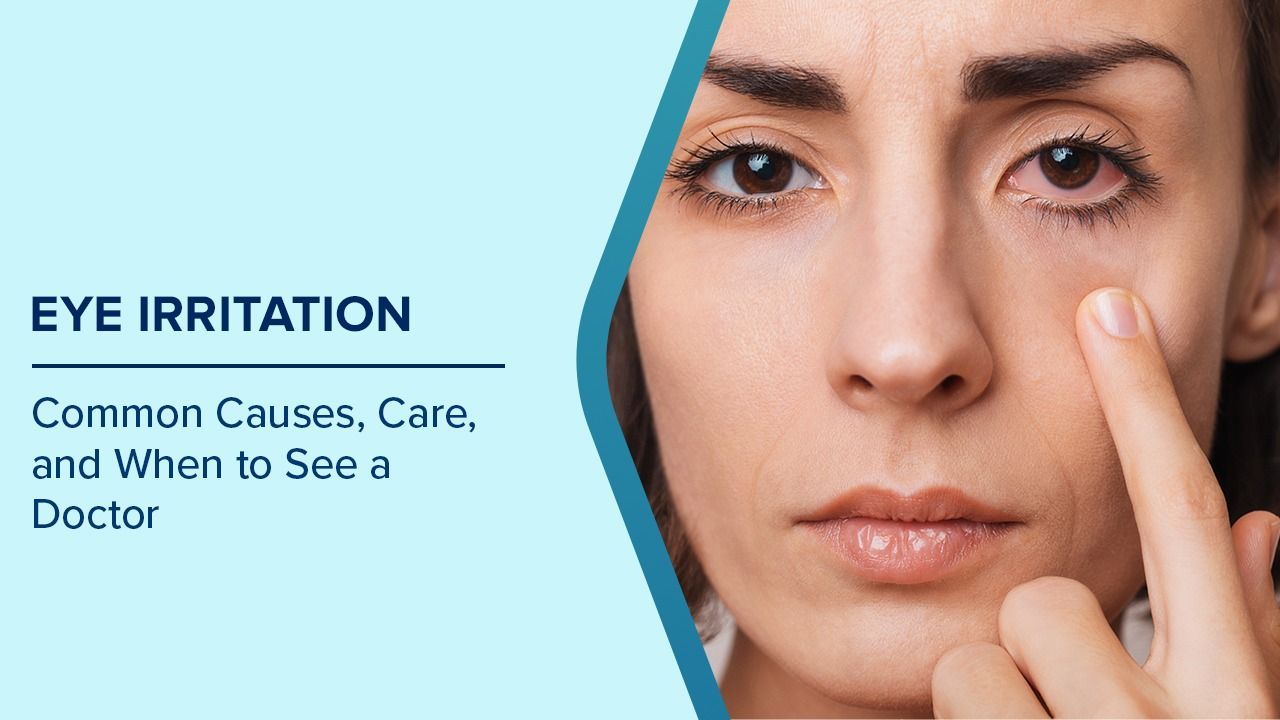
Call Us+91 926 888 0303Eye Irritation: Common Causes, Care, and When to See a Doctor
By Dr. Anita Sethi in Eye Care / Ophthalmology
Aug 19 , 2026

Eye irritation is something most people experience at some point, often showing up as redness, itching, burning, or a feeling that something is stuck in the eye. It can be mild and short-lived or strong enough to interfere with simple tasks. There can be many different reasons behind it, and recognising the cause plays an important role in caring for the eyes and knowing when to seek medical help. In some cases, it settles with basic care, but at times it may point to a deeper concern that needs medical attention. This blog looks at the common causes of eye irritation, simple ways to care for your eyes, and when it is time to see a doctor.
What is Eye Irritation?
Eye irritation refers to any discomfort in the eyes that causes symptoms such as itching, redness, burning, watering, or a gritty feeling. It can affect one or both eyes and may develop suddenly or build up over time. In many cases, eye irritation is temporary and linked to everyday factors such as screen use, dust, or lack of sleep. However, it can also be a sign of an underlying issue like an allergy, infection, or dryness that needs attention. The intensity can vary from mild annoyance to discomfort that affects vision and daily activities, making it important to recognise the symptoms early and respond appropriately.
What are the Common Causes of Eye Irritation?
Eye irritation can develop for several reasons, and it is not always linked to a single factor. Everyday habits, environmental exposure, and certain eye conditions can all play a role. Some of the more common eye irritation causes include the following:
- Dry Eyes: Dry eyes occur when there is not enough tear production or when the quality of tears is poor. Tears help keep the surface of the eyes smooth and comfortable. Long hours spent on screens, reduced blinking, exposure to air conditioning, and increasing age can all reduce moisture in the eyes. This often leads to a burning sensation, redness, and a constant feeling of dryness or discomfort.
- Allergies: Allergic reactions are a frequent cause of eye irritation, especially during seasonal changes. Substances such as dust, pollen, mould, and pet dander can trigger sensitivity in the eyes. This response usually causes intense itching, redness, watering, and sometimes swelling of the eyelids. Rubbing the eyes can make symptoms worse and prolong the irritation.
- Infections: Eye infections can be caused by viruses, bacteria, or, in some cases, fungi. Conditions such as conjunctivitis can lead to redness, irritation, discharge, and a sticky feeling, especially after sleep. Infections may affect one or both eyes and can spread easily through contact, making hygiene very important.
- Contact Lens Issues: Improper use of contact lenses is another common reason for irritation. Wearing lenses for longer than recommended, not cleaning them properly, or using expired solutions can affect eye health. Lenses can also reduce oxygen supply to the eyes if worn for extended periods, leading to dryness, redness, and discomfort.
- Foreign Particles: Dust, smoke, small debris, or chemical fumes can enter the eyes and cause sudden irritation. This often results in watering, redness, and a sharp or gritty sensation. In most cases, the eye tries to flush out the particle through tears, but irritation may continue if the particle remains.
- Environmental Factors: External conditions such as air pollution, strong winds, and dry climates can affect the eyes. Constant exposure to air conditioning or heaters can also reduce moisture levels, making the eyes feel dry and irritated. These factors can have a stronger impact on people who already have sensitive eyes.
- Digital Eye Strain: Spending long hours on phones, laptops, or televisions can strain the eyes. Screen use tends to reduce the natural blinking rate, which is important for keeping the eyes lubricated. Over time, this can lead to dryness, irritation, blurred vision, and a feeling of tired eyes, especially towards the end of the day.
What Symptoms Should Not be Ignored?
Eye irritation is often mild and settles with simple care, but certain symptoms can signal a more serious issue that needs medical attention. These include:
- Persistent Redness: Redness that does not improve after a day or two, even after rest or basic care
- Eye Pain: Moderate to severe pain, especially if it feels sharp, deep, or keeps getting worse
- Vision Changes:Blurred vision, reduced clarity, or sudden changes in eyesight
- Light Sensitivity: Discomfort in bright light or difficulty keeping the eyes open outdoors
- Discharge from the Eye: Thick yellow or green discharge, or crusting around the eyelids after sleep
- Swelling Around the Eyes: Noticeable puffiness of the eyelids or surrounding area that does not settle
- Gritty or Foreign Body Sensation: A constant feeling that something is stuck in the eye despite no visible particle
- Excessive Watering: Continuous tearing that does not improve with rest
- Pressure in the Eye: A feeling of heaviness or pressure inside or around the eye
- Irritation After Injury or Exposure: Symptoms that begin after contact with chemicals, dust, or an injury
Seeking medical advice at the right time can help address the cause early and protect eye health.
How to Find Relief from Eye Irritation at Home?
Mild eye irritation can often be eased with simple steps that help calm the eyes and reduce discomfort. The focus should be on soothing the eyes and addressing the cause where possible.
- Rinse the eyes to remove irritants: Gently washing the eyes with clean, lukewarm water can help flush out dust, smoke, or small particles and reduce the gritty feeling
- Use a cold compress for redness and itching: Placing a clean, cold, damp cloth over closed eyes can help reduce redness, itching, and swelling, especially in case of allergies
- Apply a warm compress for comfort: A warm compress can help soothe the eyes and improve tear flow, which may ease dryness and mild discomfort
- Blink more to reduce dryness: Making a conscious effort to blink more often, especially during screen use, helps keep the eyes moist and comfortable
- Take breaks to relieve eye strain: Short breaks from screens can help reduce strain and give the eyes time to relax
- Remove contact lenses temporarily: Taking out contact lenses and switching to glasses for some time can help the eyes recover from irritation
- Use lubricating eye drops if needed: Artificial tears can help keep the eyes moist and reduce dryness-related discomfort
What are Some Preventive Tips?
Taking care of the eyes on a daily basis can go a long way in preventing irritation and discomfort. Small changes in routine can help protect the eyes and keep them comfortable.
- Follow the 20-20-20 rule: After every 20 minutes of screen time, look at something 20 feet away for at least 20 seconds to reduce eye strain
- Keep the eyes clean: Wash hands before touching the eyes and avoid sharing towels or eye products to reduce the risk of infection
- Stay well hydrated: Drinking enough water supports tear production and helps prevent dryness
- Limit screen exposure: Reducing continuous screen time can help prevent strain and dryness
- Use protective eyewear: Wearing sunglasses outdoors can protect the eyes from dust, pollution, and harmful sunlight
- Avoid rubbing the eyes: Rubbing can worsen irritation and may introduce dirt or bacteria
- Maintain proper contact lens hygiene: Clean and store lenses as recommended and avoid wearing them longer than advised
- Ensure proper lighting: Reading or working in well-lit spaces can reduce unnecessary strain on the eyes
- Manage allergies: Minimising exposure to known allergens can help prevent irritation and discomfort
These simple habits can help maintain eye comfort and reduce the chances of frequent irritation.
When Should You See a Doctor?
Eye irritation may settle with basic care, but certain situations need medical attention. Delaying a check-up in such cases can allow the problem to worsen or affect vision.
- Symptoms last for more than a few days: Irritation that does not improve with home care needs to be evaluated
- Severe or worsening pain: Ongoing or increasing discomfort should not be ignored
- Changes in vision: Blurred, double, or reduced vision requires prompt attention
- Sensitivity to light: Difficulty tolerating light can point to an underlying issue
- Persistent redness or swelling: If redness or puffiness does not settle, it may need treatment
- Discharge from the eye: Thick or coloured discharge can be a sign of infection
- After an eye injury: Any trauma to the eye should be checked, even if symptoms seem mild at first
- Exposure to chemicals or irritants: Immediate medical care is important in such cases
- Repeated episodes of irritation: Frequent irritation may indicate an ongoing problem that needs proper diagnosis
Consult Today
Eye irritation is easy to brush off, especially when it feels minor at first. But when it keeps coming back or starts affecting comfort and vision, it is worth paying closer attention. If the irritation is not settling or something does not feel right, it is a good idea to book a consultation with an ophthalmologist at Max Hospital who can examine the eyes, identify what is causing the problem, and guide the next steps based on what is actually needed. Getting the right advice at the right time can make a clear difference in how quickly and safely the eyes recover.
Frequently Asked Questions
Can lack of sleep cause eye irritation?
Yes, not getting enough sleep can make the eyes feel dry, heavy, and uncomfortable. Poor sleep may also reduce tear stability, leading to irritation during the day.
Is it normal for eyes to feel irritated after long travel?
Yes, especially during air or road travel. Dry air, dust exposure, and reduced blinking can all lead to temporary irritation.
Can eye irritation be linked to diet?
In some cases, yes. A diet low in essential nutrients and fluids may affect tear production and overall eye comfort.
Is eye irritation more common with ageing?
Yes, tear production can reduce with age, which may make the eyes more prone to dryness and irritation.
Can using expired eye products cause irritation?
Yes, expired eye drops or makeup can introduce bacteria or lose effectiveness, leading to discomfort or irritation.
Does indoor air quality affect eye comfort?
Yes, constant exposure to air conditioning, heaters, or poor ventilation can dry out the eyes and lead to irritation over time.
How can inner eye itching be relieved?
Gently rinsing the eyes with clean water, using a cold compress, and avoiding rubbing can help ease itching. If it continues, medical advice may be needed.
What could be causing pain in one eye?
Pain in one eye can be due to dryness, strain, infection, or even a foreign particle. If the pain is strong or persistent, it should be checked.
How long does eye irritation usually last?
Mild irritation may settle within a few hours to a couple of days. If it lasts longer or worsens, it is best to seek medical advice.
Can eye irritation spread from one person to another?
Eye irritation itself is not always contagious, but if it is caused by an infection, it can spread through contact. Maintaining good hygiene can help reduce the risk.
Written and Verified by:

Related Blogs

Dr. Parul Sharma In Ophthalmology , Eye Care / Ophthalmology
Jun 27 , 2014 | 1 min read

Dr. Parul Sharma In Ophthalmology , Eye Care / Ophthalmology
Apr 16 , 2015 | 1 min read
Blogs by Doctor

Eye Flu: Symptoms, Precautions, and At-Home Remedies
Dr. Anita Sethi In Eye Care / Ophthalmology
Aug 23 , 2024 | 8 min read

World Glaucoma Week 2025: Awareness & Prevention
Dr. Anita Sethi In Eye Care / Ophthalmology
Mar 06 , 2025 | 2 min read
Most read Blogs


Related Blogs
Dr. Parul Sharma In Ophthalmology , Eye Care / Ophthalmology
Jun 27 , 2014 | 1 min read
Dr. Parul Sharma In Ophthalmology , Eye Care / Ophthalmology
Apr 16 , 2015 | 1 min read
Blogs by Doctor
Eye Flu: Symptoms, Precautions, and At-Home Remedies
Dr. Anita Sethi In Eye Care / Ophthalmology
Aug 23 , 2024 | 8 min read
World Glaucoma Week 2025: Awareness & Prevention
Dr. Anita Sethi In Eye Care / Ophthalmology
Mar 06 , 2025 | 2 min read
Most read Blogs