 WhatsApp Us (24/7)
 +91 926 888 0303 (24/7)


To Book an Appointment
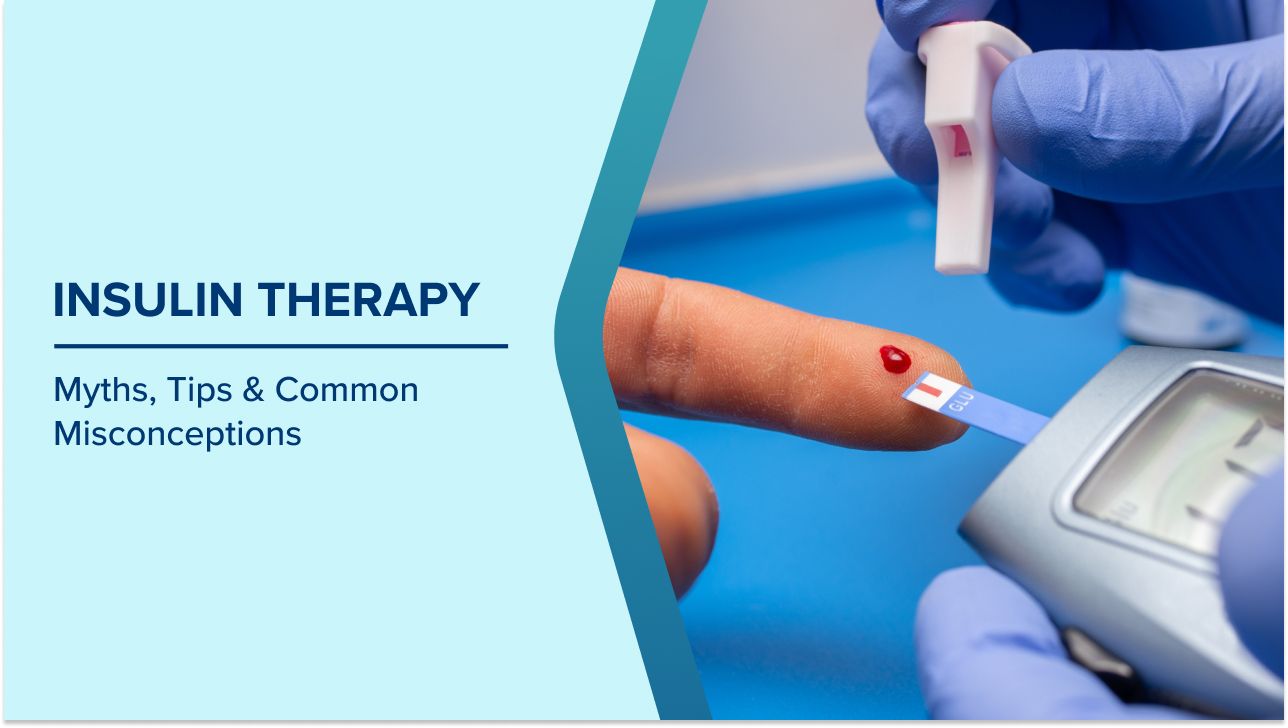
Call Us+91 926 888 0303Insulin Therapy: Myths, Tips & Common Misconceptions
By Dr. Ajay Shukla in Endocrinology & Diabetes
Sep 14 , 2026

Being advised to start insulin therapy can feel overwhelming. Many people associate insulin with advanced diabetes or lifelong injections, making them anxious about what lies ahead. In reality, much of this fear comes from common myths rather than medical facts.
Insulin is a natural hormone that helps regulate blood sugar levels. For some people with diabetes, the body does not produce enough insulin or cannot use it effectively, making insulin therapy an important part of treatment. Understanding the facts behind common misconceptions can help you feel more confident about your treatment and make informed decisions about your health.
What Is Insulin Therapy and Why Is It Needed?
The pancreas produces insulin, a hormone that enables glucose to enter the body's cells and be used for energy. If the body makes too little insulin or becomes less responsive to it, glucose builds up in the bloodstream.
Insulin therapy helps restore insulin levels and maintain blood sugar within the target range. It may be recommended for:
- People with type 1 diabetes, who require insulin throughout their lives
- Some people with type 2 diabetes whose blood sugar is not adequately controlled with lifestyle changes or oral medications
- Women with gestational diabetes when blood sugar cannot be managed through diet and exercise alone
- People experiencing temporary situations such as major surgery, severe infections, or hospitalisation, where insulin may be needed for a short period
The type, dose, and duration of insulin therapy vary depending on individual needs and should always be guided by a healthcare professional.
Myth 1: Starting Insulin Means My Diabetes Has Become Very Serious
One of the biggest misconceptions is that needing insulin means your diabetes has reached a dangerous stage or that you have failed to manage it properly.
The reality is that diabetes, particularly type 2 diabetes, can change over time. As the condition progresses, the pancreas may gradually produce less insulin. Even if you have followed a healthy lifestyle and taken your medications as prescribed, insulin may eventually become the most effective way to control your blood sugar.
Starting insulin is simply an adjustment in your treatment plan to meet your body's changing needs. It should be viewed as a positive step towards preventing complications rather than as a sign of worsening health.
Myth 2: Insulin Is Only for People with Type 1 Diabetes
While everyone with type 1 diabetes depends on insulin, it is not exclusively used for this condition.
Many people with type 2 diabetes also benefit from insulin therapy. In some cases, insulin may be prescribed temporarily during periods when blood sugar levels become difficult to control, such as after surgery, during severe illness, or while taking certain medications.
Pregnant women with gestational diabetes may also require insulin to help maintain healthy blood sugar levels until delivery.
The decision to prescribe insulin depends on individual medical needs rather than the type of diabetes alone.
Myth 3: Insulin Injections Are Extremely Painful
Fear of injections often makes people delay or avoid insulin therapy.
Fortunately, insulin delivery has improved significantly over the years. Modern insulin pens use very fine, short needles designed to make injections as comfortable as possible. Most people find that the discomfort is minimal and much less than they had imagined.
Learning the correct injection technique, rotating injection sites, and following your healthcare team's guidance can make the process even easier.
For many people, giving insulin becomes a simple part of their daily routine after a short period of practice.
Myth 4: Once You Start Insulin, You Can Never Stop
This belief is not always true.
People with type 1 diabetes need lifelong insulin because their bodies no longer produce enough of the hormone. However, for some people with type 2 diabetes, insulin may only be needed temporarily.
Doctors may recommend insulin during situations such as:
- Recovery after surgery
- Severe infections
- Pregnancy
- Periods of very high blood sugar
Once the underlying condition improves and blood sugar levels stabilise, some individuals may be able to switch back to other diabetes medications if their doctor considers it appropriate.
Whether insulin is temporary or long-term depends entirely on your individual health and treatment goals.
Myth 5: Taking Insulin Means I Can Eat Whatever I Want
Insulin helps manage blood sugar, but it does not replace healthy eating habits.
A balanced diet continues to play an important role in diabetes management. Regular meals, appropriate portion sizes, and nutritious food choices help insulin work more effectively and reduce fluctuations in blood sugar levels.
Physical activity also remains an essential part of treatment. Exercise improves the body's ability to use insulin efficiently and supports overall health.
The best results are achieved when insulin therapy is combined with healthy lifestyle habits rather than relied upon on its own.
Myth 6: Insulin Always Causes Dangerous Low Blood Sugar
Low blood sugar, also known as hypoglycaemia, is a recognised side effect of insulin therapy, but it is not something that happens to everyone or all the time.
The risk can be reduced by:
- Taking insulin exactly as prescribed
- Eating meals at regular times
- Monitoring blood sugar levels as advised
- Adjusting insulin doses under medical supervision when needed
Your healthcare team will explain how to recognise the early signs of low blood sugar and what steps to take if it occurs. With proper education and regular monitoring, most people can use insulin safely and confidently.
Myth 7: Insulin Damages the Kidneys
Some people worry that insulin itself harms the kidneys, but this is a misconception.
In reality, persistently high blood sugar is one of the leading causes of kidney damage in people with diabetes. Insulin helps lower blood sugar levels and can reduce the risk of complications affecting the kidneys, eyes, nerves, and blood vessels.
Taking insulin as prescribed supports better long-term diabetes management and helps protect important organs from damage caused by uncontrolled diabetes.
Myth 8: Insulin Always Causes Weight Gain
Some people may notice a small increase in weight after starting insulin therapy, but this does not happen to everyone.
When blood sugar levels improve, the body is able to use glucose more efficiently instead of losing it through urine. This can sometimes contribute to mild weight changes.
Healthy eating, regular physical activity, and following your doctor's recommendations can help manage your weight while continuing insulin treatment.
The benefits of achieving better blood sugar control generally outweigh the possibility of modest weight gain.
Tips for Living Confidently with Insulin Therapy
Starting insulin becomes much easier with the right knowledge and support. A few simple habits can make treatment safer and more effective:
- Learn the correct injection technique from your healthcare team.
- Rotate injection sites to reduce skin irritation.
- Store insulin according to the manufacturer's instructions.
- Monitor your blood sugar regularly as advised.
- Carry a source of fast-acting glucose in case of low blood sugar.
- Attend regular follow-up appointments to review your treatment plan.
- Never change your insulin dose without consulting your doctor.
Building these habits into your daily routine can improve confidence and help you manage diabetes more effectively.
When Should You Speak to Your Doctor?
While insulin therapy is generally safe, you should seek medical advice if you experience:
- Frequent episodes of low or high blood sugar
- Persistent redness, swelling, or pain at injection sites
- Difficulty using your insulin device
- Changes in appetite, activity levels, or daily routine that may affect your insulin requirements
- Questions about adjusting insulin during illness, travel, or fasting
Regular communication with your healthcare provider helps ensure your treatment remains safe and effective.
Conclusion
Insulin therapy is surrounded by many misconceptions, but understanding the facts can make it far less intimidating. For many people with diabetes, insulin is an effective treatment that helps keep blood sugar under control and lowers the risk of long-term complications.
Rather than seeing insulin as a last resort, it is helpful to view it as another tool to support better health. Working closely with your healthcare team, maintaining healthy lifestyle habits, and following your prescribed treatment plan can help you manage diabetes with greater confidence and improve your overall quality of life.
Frequently Asked Questions
1. Can I travel if I am taking insulin?
Yes. You can travel while using insulin, but it is important to carry enough medication, keep it stored correctly, monitor your blood sugar regularly, and discuss any time zone adjustments with your doctor before long-distance travel.
2. What should I do if I accidentally miss an insulin dose?
Do not take an extra dose without medical advice. Check your blood sugar level and contact your healthcare provider for guidance on the safest next step.
3. Can I exercise while taking insulin?
Yes. Regular exercise is encouraged, but you may need to monitor your blood sugar before and after physical activity and adjust your meals or insulin dose as advised by your doctor.
4. How should insulin be stored?
Unopened insulin should usually be kept in the refrigerator, while many insulin pens or vials can be stored at room temperature after opening for a limited period. Always follow the storage instructions provided with your insulin.
5. Is it normal to feel anxious about starting insulin?
Yes. Many people feel nervous before starting insulin therapy. Learning how insulin works, receiving proper training, and discussing your concerns with your healthcare team can help you become more comfortable and confident over time.
Written and Verified by:

Related Blogs

Dr. Vaishakhi Rustagi In Endocrinology & Diabetes , Paediatric (Ped) Endocrinology , Nutrition And Dietetics
Nov 08 , 2020 | 1 min read

Dr. Vaishakhi Rustagi In Endocrinology & Diabetes , Paediatric (Ped) Endocrinology
Nov 08 , 2020 | 2 min read
Blogs by Doctor

Hyperthyroidism: Causes, Symptoms, and Treatment Options
Dr. Ajay Shukla In Endocrinology & Diabetes
Nov 25 , 2024 | 8 min read

Hypothyroidism vs Hyperthyroidism: Key Differences, Symptoms, and Treatment Explained
Dr. Ajay Shukla In Endocrinology & Diabetes
Dec 04 , 2025 | 6 min read
Most read Blogs


Related Blogs
Dr. Vaishakhi Rustagi In Endocrinology & Diabetes , Paediatric (Ped) Endocrinology , Nutrition And Dietetics
Nov 08 , 2020 | 1 min read
Dr. Vaishakhi Rustagi In Endocrinology & Diabetes , Paediatric (Ped) Endocrinology
Nov 08 , 2020 | 2 min read
Blogs by Doctor
Hyperthyroidism: Causes, Symptoms, and Treatment Options
Dr. Ajay Shukla In Endocrinology & Diabetes
Nov 25 , 2024 | 8 min read
Hypothyroidism vs Hyperthyroidism: Key Differences, Symptoms, and Treatment Explained
Dr. Ajay Shukla In Endocrinology & Diabetes
Dec 04 , 2025 | 6 min read
Most read Blogs