 WhatsApp Us (24/7)
 +91 926 888 0303 (24/7)


To Book an Appointment
Call Us+91 926 888 0303Ketogenic Diet: A Complete Guide for Beginners
By Ritika Samaddar in Dietetics
Aug 31 , 2026

The ketogenic diet, often called the keto diet, has become one of the most popular dietary approaches in recent years, particularly among people looking to lose weight, manage blood sugar levels, or improve their overall health. However, with so much information available online, it can be difficult to understand what the diet actually involves and whether it is the right choice for you. This article explains everything you need to know about the ketogenic diet, including how it works, what foods you can eat, its potential benefits and side effects, and practical tips to help you get started safely.
What is the Ketogenic Diet?
The ketogenic diet, commonly known as the keto diet, is a low-carbohydrate, high-fat diet designed to shift the body's primary source of energy from carbohydrates to fats. By significantly reducing carbohydrate intake and increasing healthy fats, the body enters a metabolic state called ketosis, where it begins breaking down stored and dietary fat to produce molecules known as ketones, which are used as an alternative fuel source.
Originally developed as a medical nutrition therapy to help manage drug-resistant epilepsy in children, the ketogenic diet is now also followed by many people for weight management and certain metabolic health goals. It is not recommended and also may not be suitable for everyone for weight loss.
How the Ketogenic Diet Puts Your Body Into Ketosis
Under normal circumstances, the body relies on carbohydrates as its primary source of energy. Carbohydrates are broken down into glucose, which is used by cells for fuel. However, when carbohydrate intake is significantly reduced as in case of a keto diet, glucose stores begin to decline, prompting the body to find an alternative energy source.
In response, the liver starts breaking down stored and dietary fats into compounds called ketones through a process known as ketogenesis. As ketone production increases, the body gradually begins using them instead of glucose to meet much of its energy needs. This metabolic state is known as ketosis.
Types of Ketogenic Diet
The ketogenic diet is not a one-size-fits-all approach. Different types have been developed to suit varying health goals, activity levels, and nutritional needs. The main types include:
- Standard Ketogenic Diet (SKD): This is the most commonly followed form of keto. It is very low in carbohydrates(<10%), moderate in protein, and high in fat. It is usually very difficult to follow and hence most beginners start with modified SKD ( which has low carbohydrate- 20-40%), easier to follow and is widely used for weight management and metabolic health goals.
- Targeted Ketogenic Diet (TKD): TKD is designed for people who engage in regular exercise or higher-intensity workouts. It allows a small amount of additional carbohydrates around workout times to help support performance while still aiming to maintain ketosis.
- Cyclical Ketogenic Diet (CKD): This approach involves alternating periods of strict keto eating with planned higher-carbohydrate days. For example, someone may follow keto for several days and then have one or two days of increased carbohydrate intake. CKD is more complex and is generally used by athletes or individuals with advanced training goals.
- High-Protein Ketogenic Diet: This variation is similar to the standard ketogenic diet but includes a higher proportion of protein. It may be preferred by people who want additional protein intake while still keeping carbohydrates low.
Foods and Drinks You Can Have on a Ketogenic Diet
A ketogenic diet focuses on foods that are naturally low in carbohydrates and rich in healthy fats, while providing a moderate amount of protein. Choosing minimally processed, nutrient-dense foods can help meet your nutritional needs while maintaining ketosis. Here are keto diet foods and drinks commonly included:
Foods
- Healthy Fats: Cold pressed oil, Olive oil, avocado oil, coconut oil, ghee, and olives.
- Meat and Poultry: Chicken, turkey, lamb, and other unprocessed meats.
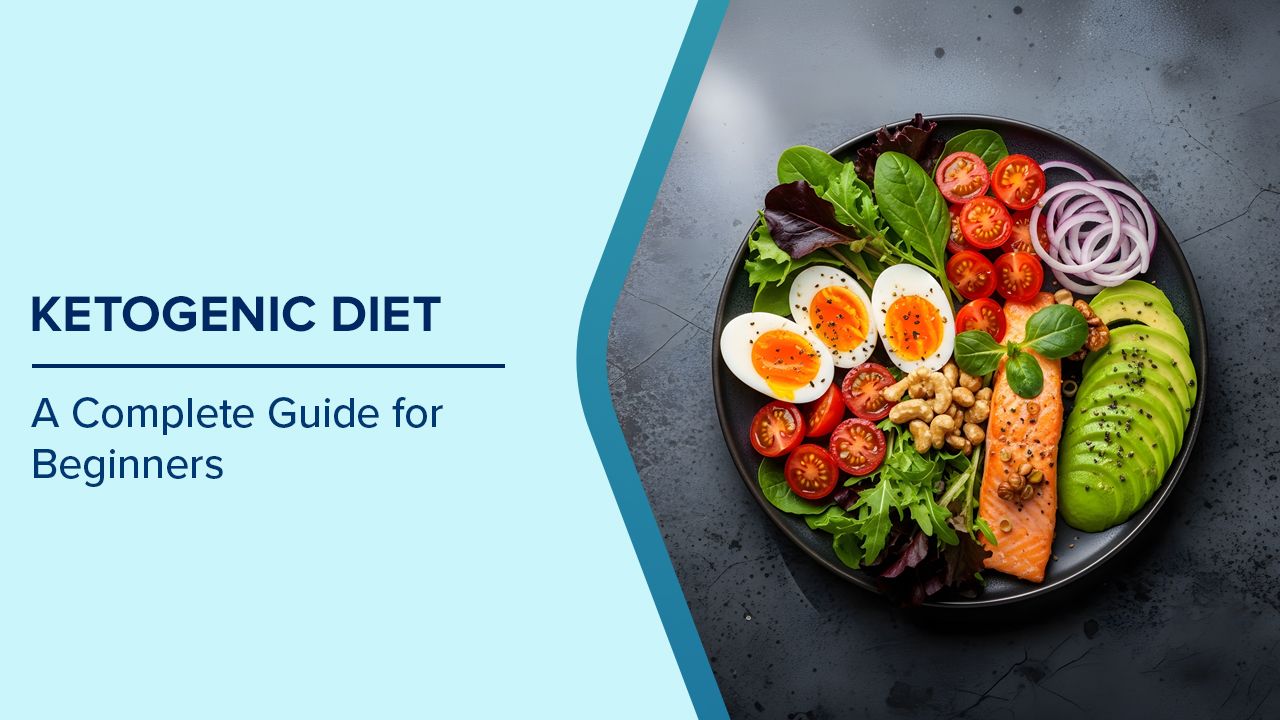
- Fish and Seafood: Salmon, mackerel, sardines, tuna, prawns, and other fatty fish and seafood.
- Eggs: Whole eggs are a good source of high-quality protein and healthy fats.
- Full-Fat Dairy: Cheese, cream, and unsweetened full-fat yoghurt, if well tolerated.
- Low-Carbohydrate Vegetables: Spinach, broccoli, cauliflower, cabbage, zucchini, cucumber, capsicum, asparagus, and other leafy greens.
- Nuts and Seeds: Almonds, walnuts, pecans, brazil nuts, pistachios, macadamia nuts, chia seeds, flaxseeds, and pumpkin seeds.
- Avocados: A rich source of healthy fats, fibre, and essential vitamins and minerals.
- Herbs and Spices: Fresh or dried herbs, garlic, ginger, turmeric, black pepper, cumin, coriander, and other seasonings without added sugar.
Drinks
- Water
- Plain sparkling or soda water
- Unsweetened tea
- Black coffee
- Herbal teas
- Unsweetened plant-based milk, such as almond or coconut milk (check the nutrition label to ensure it contains no added sugars)
Potential Health Benefits of the Ketogenic Diet
When followed appropriately and under professional guidance where necessary, the ketogenic diet may offer several health benefits. Some of the potential benefits include:
1. Weight Management: By promoting the use of stored fat for energy and increasing feelings of fullness, the ketogenic diet may help some people lose weight. Reduced carbohydrate intake can also decrease appetite, making it easier to maintain a calorie deficit.
2. Blood Sugar Management: A ketogenic diet may help improve blood sugar control by limiting carbohydrate intake, which reduces fluctuations in blood glucose levels. Some people with type 2 diabetes may experience improved glycaemic control, although the diet should only be followed under medical supervision.
3. Improved Insulin Sensitivity: Reducing carbohydrate intake may improve the body's response to insulin, allowing cells to use glucose more effectively. This may benefit individuals with insulin resistance, though more long-term research is needed.
4. Epilepsy Management: The ketogenic diet was originally developed to help manage drug-resistant epilepsy, particularly in children. Under medical supervision, it has been shown to reduce seizure frequency in some individuals and remains an established therapeutic option for certain cases.
5. Reduced Hunger: Foods rich in fat and moderate in protein are generally more filling than high-carbohydrate foods. As a result, many people report feeling less hungry between meals, which may support weight management.
Possible Side Effects of the Ketogenic Diet
Although the ketogenic diet can offer benefits for some people, it may also cause side effects, particularly during the initial transition period. Most early symptoms improve as the body adapts to using fat for energy, but some people may experience longer-term effects if the diet is not well planned. Some of the possible side effects include:
- Keto Flu: During the first few days of starting the diet, some people experience a group of temporary symptoms known as the "keto flu". These may include headache, fatigue, dizziness, nausea, irritability, muscle cramps, and difficulty concentrating. Staying well hydrated and maintaining adequate electrolyte intake may help reduce these symptoms.
- Digestive Issues: Changes in eating habits can sometimes lead to constipation, diarrhoea, bloating, or nausea. Including fibre-rich, low-carbohydrate vegetables, seeds and drinking enough water may help improve digestive health.
- Nutrient Deficiencies: Restricting several food groups may reduce the intake of certain vitamins, minerals, and dietary fibre if meals are not carefully planned. A balanced meal plan and, where appropriate, supplements recommended by a healthcare professional can help address these nutritional gaps.
- Low Energy: Some people may experience reduced energy levels or decreased exercise performance while the body adapts to ketosis. These effects are usually temporary and tend to improve once the body becomes more efficient at using fat for fuel.
- Bad Breath: Ketosis can cause a distinctive fruity or acetone-like breath odour due to the production of ketones. While this is generally harmless, it may be bothersome for some individuals.
- Kidney Stones: Although uncommon, the ketogenic diet may increase the risk of kidney stones in some individuals, particularly when followed for an extended period or without adequate fluid intake. The risk is higher in people using the diet as a medical therapy and should be monitored by a healthcare professional.
- Changes in Cholesterol Levels: While some people experience improvements in blood lipid levels, others may see an increase in LDL (bad) cholesterol. Regular monitoring is advisable, especially for individuals with existing cardiovascular risk factors.
Tips to Start a Ketogenic Diet Successfully
Starting a ketogenic diet can feel challenging at first, but careful planning can make the transition smoother and help you maintain the diet safely. Here are some practical tips to get started:
- Plan Your Meals: Prepare a weekly meal plan and stock your kitchen with keto-friendly foods to avoid relying on high-carbohydrate options.
- Reduce Carbohydrates Gradually: Cutting back on carbohydrates over a few days may help some people adjust more comfortably to the diet.
- Choose Healthy Fats: Include healthy fat sources such as olive oil, avocados, nuts, seeds, and fatty fish instead of relying heavily on processed or saturated fats.
- Eat Enough Protein: Consume moderate amounts of high-quality protein to support muscle health without exceeding your daily protein requirements.
- Stay Hydrated: Drink plenty of water throughout the day, as fluid loss tends to increase during the early stages of the ketogenic diet.
- Maintain Electrolytes: Ensure adequate intake of electrolytes such as sodium, potassium, and magnesium through foods or supplements if recommended by your healthcare provider.
- Read Food Labels: Check nutrition labels carefully, as many packaged foods contain hidden sugars and carbohydrates.
- Prioritise Whole Foods: Build your meals around fresh, minimally processed ingredients rather than packaged keto products.
- Monitor Your Progress: Keep track of your food intake, energy levels, and any changes in your health to understand how your body responds to the diet.
Consult Today
The ketogenic diet is not a one-size-fits-all approach, and its suitability depends on factors such as your age, medical history, lifestyle, and health goals. If you're considering starting a ketogenic diet or want to determine whether it is appropriate for your health needs, consult an experienced dietitian or nutrition specialist. At Max Hospitals, our dietitians provide personalised nutritional guidance and work closely with other specialists to develop safe, practical, and evidence-based diet plans tailored to your individual requirements.
Frequently Asked Questions
Can vegetarians follow a ketogenic diet?
Yes, vegetarians can follow a ketogenic diet by choosing low-carbohydrate, high-fat foods such as eggs, full-fat dairy products, tofu, tempeh, nuts, seeds, avocados, healthy oils, and non-starchy vegetables. However, the diet may require careful planning to ensure adequate protein and nutrient intake.
How can you tell if your body has entered ketosis?
Common signs of ketosis include reduced appetite, increased thirst, more frequent urination, a fruity or acetone-like breath odour, and improved mental clarity in some people. Ketosis can also be confirmed using urine, blood, or breath ketone tests, with blood ketone testing generally considered the most accurate.
Can you eat fruit while following a ketogenic diet?
Yes, but only certain fruits in moderation. Lower-carbohydrate options such as strawberries, raspberries, blackberries, and blueberries can often fit into a ketogenic meal plan, whereas fruits like bananas, mangoes, grapes, and dried fruits are generally avoided because they contain higher amounts of carbohydrates.
Is it safe to exercise while on a ketogenic diet?
Yes. While some people notice a temporary drop in exercise performance during the first few weeks, many are able to resume their usual physical activity once their bodies adapt to using fat for fuel. Staying hydrated and consuming enough electrolytes may help during this transition.
Do you need supplements on a ketogenic diet?
Not everyone needs supplements, but some people may benefit from them if they are unable to meet their nutritional needs through food alone. Depending on your diet and health status, a healthcare professional may recommend supplements such as vitamin D, magnesium, potassium, or omega-3 fatty acids.
Can you have cheat meals on a ketogenic diet?
Occasional high-carbohydrate meals can interrupt ketosis and may temporarily reverse the body's adaptation to using fat as its primary fuel source. If your goal is to maintain ketosis, it is generally best to follow the diet consistently.
How do you stop a ketogenic diet safely?
Rather than making sudden changes, gradually increase your intake of healthy carbohydrates while continuing to eat balanced meals rich in vegetables, lean protein, healthy fats, and whole grains. If you have been following a ketogenic diet for a medical condition, consult your healthcare provider or dietitian before making any dietary changes.
Written and Verified by:

Related Blogs

Medical Expert Team
Jun 30 , 2014 | 2 min read

Blogs by Doctor


Diet And Lifestyle Changes A Move Towards a Healthy Heart
Ritika Samaddar In Dietetics , Nutrition And Dietetics
Aug 21 , 2014 | 4 min read
Most read Blogs


Related Blogs
Medical Expert Team
Jun 30 , 2014 | 2 min read
Blogs by Doctor
Diet And Lifestyle Changes A Move Towards a Healthy Heart
Ritika Samaddar In Dietetics , Nutrition And Dietetics
Aug 21 , 2014 | 4 min read
Most read Blogs