 WhatsApp Us (24/7)
 +91 926 888 0303 (24/7)


To Book an Appointment
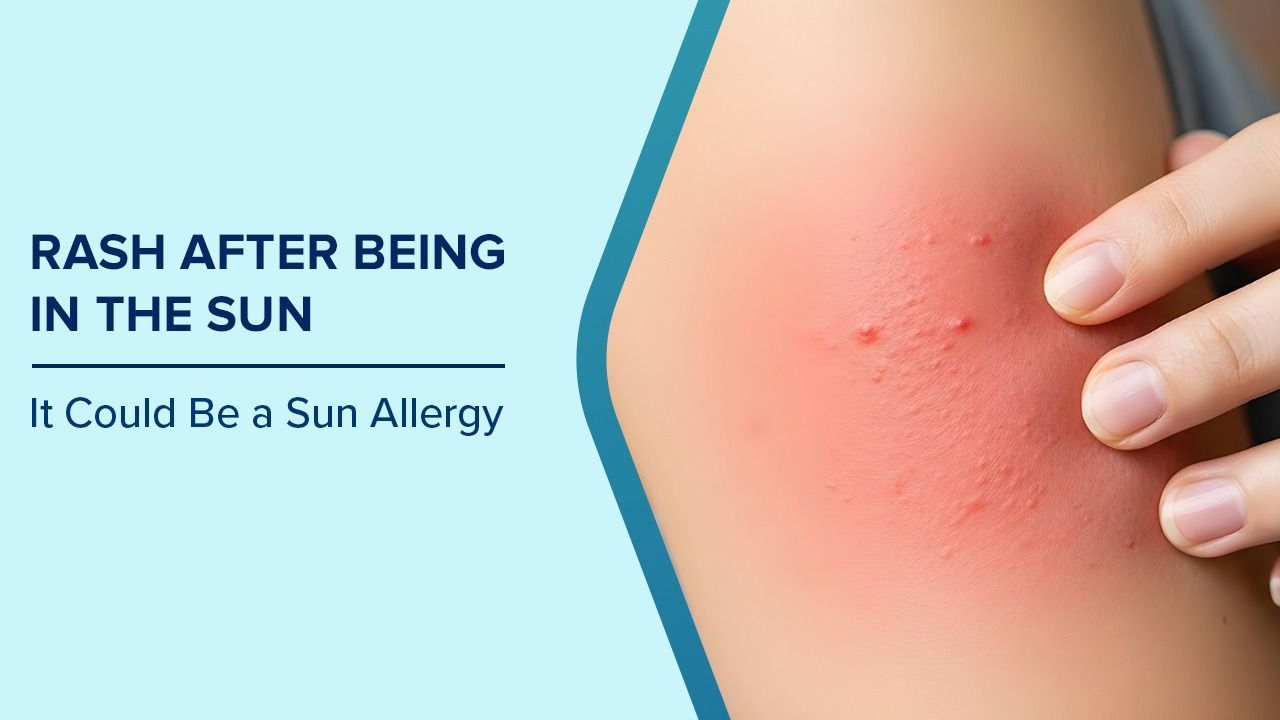
Call Us+91 926 888 0303Noticed a Rash After Being in the Sun? It Could Be Sun Allergy
By Dr. Kashish Kalra in Dermatology
Aug 19 , 2026

Stepping out on a bright sunny day only to come back with an itchy, red, or bumpy rash on your skin is more common than you might think. While most people associate sun exposure with a tan or a sunburn, some experience a very different kind of reaction, one that is triggered by the skin’s sensitivity to ultraviolet rays. This condition, commonly known as sun allergy, can range from a mild annoyance to something that starts interfering with everyday life. The good news is that understanding how to identify it and knowing what you can do about it can make a world of difference. In this blog, we break down the types of sun allergy, the symptoms to watch for, and simple ways to manage it, so you can enjoy the outdoors without worrying about unexpected skin reactions.
What is Sun Allergy?
Sun allergy refers to a group of skin reactions that occur after exposure to sunlight, especially ultraviolet (UV) rays. Instead of reacting normally, the skin becomes sensitive and develops symptoms such as redness, itching, rashes, or small bumps on areas that are exposed to the sun.
It is not a single condition but a general term used for different types of light-related skin reactions. In many cases, the body’s immune system responds to sunlight as if it were harmful, which leads to these visible changes on the skin. The reaction can appear within minutes or take a few hours after sun exposure, depending on the type.
What are the Different Types of Sun Allergy?
Sun allergy is not a single condition but a group of skin reactions triggered by sunlight. The way it appears on the skin, how quickly it develops, and how long it lasts can differ from one type to another. These include:
Polymorphous Light Eruption (PMLE)
This is the most common type of sun allergy. It usually appears as small red bumps, raised patches, or sometimes tiny blisters on areas like the arms, neck, and chest. The rash often develops a few hours after sun exposure, especially during the first few sunny days of the season or after a long gap without sun exposure. It can be quite itchy and may last for a few days before settling. In some cases, the skin gradually becomes less sensitive with repeated exposure over time.
Photoallergic Reaction
This type occurs when sunlight interacts with certain substances on the skin or in the body. These may include perfumes, sunscreens, or certain medicines. The reaction does not always appear immediately and can take one to two days to develop. It often shows up as red, itchy, inflamed patches and may even spread to areas that were not directly exposed to sunlight. This can make it harder to identify the exact cause without careful observation.
Solar Urticaria
This is a rare but more immediate form of sun allergy. The skin reacts within minutes of sun exposure, leading to hives or raised, itchy welts. Some people may also feel a stinging or burning sensation. The good part is that the reaction usually fades quickly once the skin is covered or moved away from sunlight, often within a few hours. In more sensitive cases, even brief exposure can trigger symptoms.
Actinic Prurigo
This is a long-term form of sun allergy that often begins in childhood or adolescence. It causes intense itching along with small bumps or thickened patches of skin. Unlike other types, it may affect both exposed and non-exposed areas, including the face. The condition tends to persist over time and may flare up repeatedly, especially with ongoing sun exposure. In some cases, scratching can lead to skin thickening or marks that take time to fade.
What are the Common Symptoms of Sun Allergy?
Sun allergy can show up in different ways depending on the type and how sensitive the skin is. The symptoms usually appear on areas that are directly exposed to sunlight, such as the face, neck, arms, and hands. They may develop within minutes or take a few hours after being in the sun. Common signs to look out for include:
- Redness: Skin may appear flushed or irritated after sun exposure
- Itching: A persistent urge to scratch, which can become uncomfortable
- Rashes: Patchy or uneven areas on the skin that may spread
- Small bumps or blisters: Raised spots that can feel rough or tender
- Hives: Swollen, itchy welts, especially in more sensitive cases
- Burning or stinging sensation: Skin may feel hot or irritated even without visible burns
- Dry or flaky skin: Affected areas may become rough over time
- Swelling: Mild puffiness in the affected areas
The severity of these symptoms can vary. In some cases, they settle on their own within a few days, but repeated exposure to sunlight can make them return or worsen.
How is Sun Allergy Different from Sunburn?
| Aspect | Sun Allergy | Sunburn |
| Cause | Skin reacts due to sensitivity to sunlight | Skin gets damaged due to too much UV exposure |
| How it feels | Itching, irritation, discomfort | Pain, tenderness, burning sensation |
| Appearance | Rashes, small bumps, hives, uneven patches | Redness, inflamed skin, may peel later |
| When it appears | Within minutes or a few hours after sun exposure | Usually shows a few hours later and worsens over time |
| Areas affected | Patchy and limited to certain exposed areas | More evenly affects all exposed areas |
How Can Sun Allergy be Managed at Home?
When a sun allergy flare-up occurs, the focus should be on calming the skin, easing irritation, and allowing it time to recover. These simple measures can help provide relief:
- Apply a cold compress: Gently place a clean, cool, damp cloth on the affected area for a few minutes at a time. This can help reduce itching, swelling, and the feeling of heat on the skin. It can be repeated a few times a day as needed.
- Use soothing lotions: Applying products with ingredients such as aloe vera or calamine can help calm irritated skin. These can reduce redness and provide a cooling effect that makes the skin feel more comfortable.
- Keep the skin moisturised: Dry skin can make itching worse. Using a gentle, fragrance-free moisturiser helps maintain skin hydration and supports the natural healing process. It is best applied after a bath or shower.
- Take a cool bath or shower: A short bath or shower with cool or lukewarm water can help settle the skin and wash away any irritants. Avoid hot water, as it can increase dryness and irritation.
- Avoid scratching the area: Itching can be difficult to ignore, but scratching can worsen the rash and may lead to marks or infection. Keeping nails short and gently patting the area instead of scratching may help.
- Wear soft, loose clothing: Choosing light, breathable fabrics like cotton can prevent further friction on sensitive skin. Tight or rough clothing may irritate the affected areas and delay healing.
These steps are usually helpful for mild to moderate symptoms and can make a noticeable difference in comfort.
How is Sun Allergy Treated?
Treatment for sun allergy depends on how severe the reaction is and how often it occurs.
Topical Treatments
For mild to moderate reactions, doctors often suggest soothing lotions to calm the skin. Calamine or similar products can help reduce itching and redness. If the rash is more inflamed, topical steroid creams may be prescribed for a short duration. These help bring down inflammation, reduce swelling, and speed up healing. It is important to use these creams only as advised to avoid skin thinning or irritation.
Oral Medications
When symptoms feel more widespread or difficult to manage, antihistamine medicines may be recommended. These work by reducing the body’s allergic response, which helps control itching and discomfort. Some antihistamines may also help improve sleep if itching becomes more noticeable at night.
Phototherapy
In people who experience repeated sun allergy episodes, controlled exposure to light under medical supervision may be advised. This treatment is done gradually over several sessions and helps the skin build tolerance to sunlight. Over time, it can reduce the severity of reactions and make sun exposure more manageable.
When Should Medical Help be Considered?
Mild sun allergy symptoms often settle with basic care at home, but there are times when medical attention becomes important. Ignoring persistent or severe symptoms can lead to prolonged discomfort or worsening of the condition. Medical help should be considered in the following situations:
- Symptoms do not improve: If the rash, itching, or redness does not settle within a few days or keeps returning after sun exposure
- Severe itching or discomfort: When the irritation becomes intense and starts affecting sleep or daily activities
- Widespread rash: If the reaction spreads across large areas of the body or appears beyond sun-exposed skin
- Blisters or swelling: The presence of painful blisters, significant swelling, or skin that feels tender to touch
- Signs of infection: If the skin becomes warm, develops pus, or shows increased redness due to scratching
- Frequent flare-ups: Repeated reactions that make it difficult to spend time outdoors
Consult Today
Sun allergy is a condition that can keep coming back and affect everyday comfort if left unaddressed, but it is also one that can be managed well with the right care. Do not brush it off or wait for it to keep recurring before doing something about it. If your symptoms have been bothering you or keep returning, it is a good idea to get a proper evaluation from a dermatologist. At Max Hospital, our dermatologists can help you identify the exact type of sun allergy you may have and put together a treatment plan that actually works for your skin and your lifestyle. Book a consultation today and take that first step toward worry-free days in the sun.
Frequently Asked Questions
Can sun allergy develop later in life even if you have never had it before?
Yes, sun allergy can develop at any age, even in people who have spent years in the sun without any issues. Changes in medication, hormonal shifts, or increased skin sensitivity over time can all trigger a reaction that was never experienced before.
Can sun allergy be triggered on cloudy days or through glass windows?
Yes, UV rays can penetrate through clouds and even glass, which means the skin can still react on overcast days or while sitting near a sunny window indoors. This is why some people notice reactions even without direct sun exposure.
Is sun allergy hereditary?
There is evidence suggesting that certain types, particularly actinic prurigo, may run in families. If a close family member has a history of sun-related skin reactions, there may be a slightly higher chance of developing a similar sensitivity.
Can sun allergy affect people with all skin tones?
Yes, sun allergy can occur across all skin types and tones. While it is sometimes assumed to be more common in lighter skin, people with deeper skin tones can and do develop sun allergy reactions as well.
Can certain foods or supplements make sun allergy worse?
Some foods and supplements, such as certain citrus fruits, St. John's Wort, and omega-3 supplements, can increase photosensitivity in some individuals. If reactions seem to worsen after dietary changes, it is worth discussing this with a dermatologist.
Is sun allergy the same as being photosensitive due to a medical condition?
Not exactly. While photosensitivity can be a symptom of conditions like lupus or certain thyroid disorders, sun allergy as a standalone condition is primarily an immune or skin-level response to UV exposure rather than a sign of an underlying systemic illness.
Can sun allergy be completely cured?
Sun allergy may not always be permanently curable, but it can be well managed. Some people find that their sensitivity reduces over time or with treatment, while others may need to take long-term precautions. The outlook varies depending on the type and individual response to care.
Written and Verified by:

Related Blogs


Blogs by Doctor


Acne: Unmasking the Causes and Effective Treatment Options
Dr. Kashish Kalra In Dermatology
Aug 17 , 2023 | 2 min read
Most read Blogs


Related Blogs
Blogs by Doctor
Acne: Unmasking the Causes and Effective Treatment Options
Dr. Kashish Kalra In Dermatology
Aug 17 , 2023 | 2 min read
Most read Blogs