 WhatsApp Us (24/7)
 +91 926 888 0303 (24/7)


To Book an Appointment
Call Us+91 926 888 0303Synovitis (Synovial Inflammation): Symptoms, Causes, Treatment & Prevention
By Dr (Maj Gen) Amresh Ghai in Robotic Joint Replacement
Jul 28 , 2026
4

Synovitis is a condition that affects millions of people worldwide, yet many don't even know they have it until joint pain and swelling disrupt their daily lives. At its core, synovitis is the inflammation of the synovial membrane, the thin layer of tissue that lines your joints and produces the fluid that keeps them moving smoothly. This impacts everything from walking up stairs to typing on a keyboard. Whether you're experiencing unexplained joint pain, have been recently diagnosed with synovitis, or simply want to learn how to protect your joint health, this guide will walk you through everything you need to know about synovial inflammation and its impact on joints. Let’s dive in.
What is Synovitis (Synovial Inflammation)?
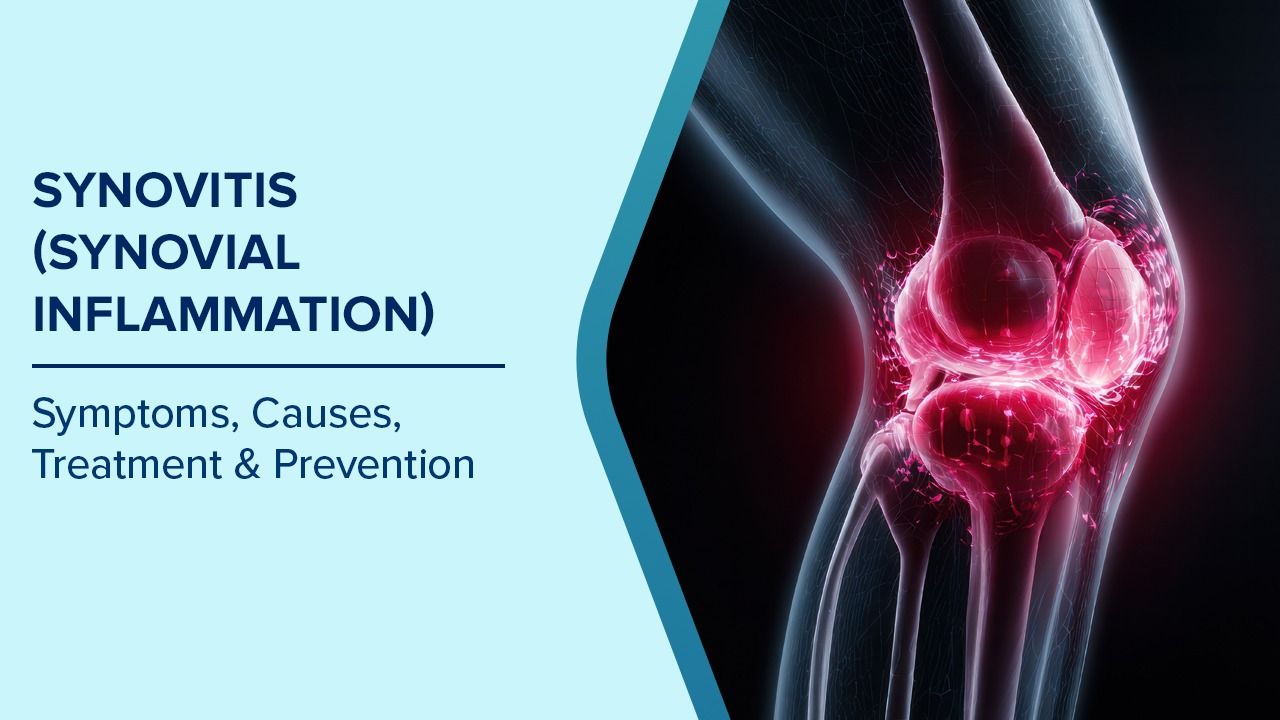
Synovitis is the inflammation of the synovial membrane, the thin tissue lining that surrounds joints and produces synovial fluid. This fluid acts as a lubricant, reducing friction between bones and helping the joint move smoothly. When the membrane becomes inflamed, it thickens and produces excess fluid, leading to swelling, pain, stiffness, and reduced joint mobility. The condition may develop suddenly after an injury or gradually due to chronic joint problems such as arthritis or repetitive strain.
Which Joints are Commonly Affected by Synovitis?
Synovitis can develop in any joint, but some are more prone due to movement, weight-bearing, or underlying conditions:
- Knees: Frequently affected because they support body weight and are prone to injuries or overuse, leading to swelling and stiffness.
- Shoulders and Hips: Often inflamed after repetitive movements, sports injuries, or arthritis, causing pain and limited range of motion.
- Hands, Wrists, and Fingers: Common in autoimmune conditions like rheumatoid arthritis, resulting in swelling, tenderness, and difficulty gripping objects.
- Ankles and Feet: Can develop inflammation from high-impact activities, overuse, or chronic joint conditions, making walking or standing uncomfortable.
What are the Symptoms of Synovitis?
Synovitis can affect joint comfort and mobility, and recognising the symptoms early is important for timely treatment:
- Joint pain: Usually dull or throbbing, pain often worsens with movement, activity, or pressure on the joint
- Swelling: The joint may appear visibly enlarged or puffy due to excess synovial fluid accumulating inside.
- Warmth and redness: Inflamed joints can feel warm to the touch and may look slightly red, signalling active inflammation.
- Stiffness: Joints may feel tight, making it difficult to bend or straighten them, particularly after periods of rest or inactivity.
- Reduced range of motion: Swelling and inflammation can limit the joint’s normal movement, affecting daily tasks such as walking, lifting, or gripping.
- Tenderness: Pressure or touch on the affected joint often causes discomfort or soreness.
- Grinding or creaking sensations: Some people experience a noticeable feeling of friction inside the joint during movement, due to inflammation affecting the smooth cartilage surfaces.
These symptoms may appear suddenly after an injury or develop gradually over time due to chronic conditions such as arthritis
What Causes Synovitis?
Synovitis can develop due to a variety of medical conditions, injuries, or external triggers:
Rheumatoid Arthritis
Rheumatoid arthritis is an autoimmune disorder in which the immune system attacks joint tissues, particularly the synovial membrane. This causes chronic inflammation, thickening of the membrane, and excess fluid production. Over time, persistent synovitis can damage cartilage and bone, leading to joint deformity and significant stiffness.
Psoriatic Arthritis
Psoriatic arthritis is linked to psoriasis, a skin condition causing red, scaly patches. In this form of arthritis, inflammation targets the synovial membrane, often affecting multiple joints asymmetrically. Swelling, pain, and tenderness are common, and the inflammation may progress if not treated, affecting joint function.
Gout
Gout is caused by the accumulation of uric acid crystals in the joints. These sharp crystals irritate the synovial membrane, triggering sudden and severe inflammation, intense pain, redness, and warmth. Flare-ups can last days or weeks and often affect the big toe, knees, or ankles first.
Overuse Syndrome
Overuse syndrome occurs when joints are subjected to repetitive strain or prolonged activity without adequate rest. The continuous stress irritates the synovial membrane, leading to inflammation, stiffness, and gradual joint pain. This is common in professions involving repetitive lifting, typing, or kneeling.
Repetitive Strain Injuries
Repetitive strain injuries develop from frequent, repetitive movements that place stress on certain joints, such as wrists, elbows, or shoulders. Over time, microtrauma causes the synovial membrane to become inflamed, resulting in pain, swelling, and reduced range of motion.
Infections
Infectious synovitis occurs when bacteria, viruses, or fungi enter a joint, often following a wound, surgery, or bloodstream infection. The immune system responds to the infection, causing swelling, redness, warmth, and severe pain. Prompt medical treatment is essential to prevent permanent joint damage.
Sports Injuries
Acute sports injuries, such as ligament tears, sprains, or joint overextension, can inflame the synovial membrane. The injury triggers the release of inflammatory cells and fluid, causing pain, swelling, and stiffness. Early intervention, including rest and physiotherapy, helps prevent prolonged synovitis.
Traumas Like Falls and Car Accidents
Direct trauma from accidents, falls, or collisions can damage the synovial membrane or surrounding joint structures. The body responds with inflammation to protect the joint, resulting in swelling, pain, and limited movement. Untreated trauma can lead to chronic synovitis and long-term joint issues.
Certain Autoimmune Disorders
Autoimmune diseases such as lupus can target joint tissues, including the synovial membrane. The chronic immune response causes recurrent inflammation, pain, and stiffness. Managing the underlying autoimmune disorder is critical to controlling synovitis and preventing joint damage.
Allergic Reactions
Certain allergic reactions can trigger immune-mediated inflammation in joints, although this is less common. The body’s immune response may cause temporary swelling, pain, and stiffness in affected joints, which usually resolves once the allergen is removed or treated.
Treatment Options for Synovitis
The treatment for synovitis depends on its cause, severity, and the joint affected. Approaches usually range from conservative management to medical or surgical interventions:
Conservative Management
- Rest and activity modification: Limiting movements that strain the joint helps reduce irritation and swelling. Using supportive devices like braces or splints may also relieve pressure.
- Cold and heat therapy: Ice packs applied to the joint can reduce swelling and inflammation, while warm compresses or gentle heat therapy can ease stiffness and improve flexibility.
- Physiotherapy and exercises: Tailored exercises strengthen muscles around the joint, improve stability, and maintain a healthy range of motion. Gentle stretching and low-impact activities like swimming or cycling are often recommended.
Medications
- Anti-inflammatory drugs (NSAIDs): These medications reduce pain and swelling, helping improve joint function during flare-ups.
- Pain relievers: Analgesics may be used to manage discomfort, particularly if inflammation is causing significant pain.
- Disease-specific medications: In cases linked to autoimmune or chronic conditions like rheumatoid arthritis, medications that regulate the immune system or slow disease progression may be prescribed.
Injections and Procedures
- Corticosteroid injections: Administered directly into the joint, these injections quickly reduce inflammation and swelling, providing relief for several weeks.
- Joint aspiration (arthrocentesis): Excess fluid is drained from the joint, which reduces pressure, alleviates pain, and allows fluid analysis to detect infection, crystals, or autoimmune activity.
Surgical Treatment
- Arthroscopic synovectomy: In severe or persistent cases, minimally invasive surgery removes inflamed synovial tissue, helping restore mobility and prevent further joint damage.
- When surgery is considered: Surgery is typically reserved for cases that do not respond to conservative or medical treatments or when chronic synovitis threatens long-term joint health.
How to Prevent Synovitis Flare-Ups
Some causes of synovitis cannot be entirely avoided, however, adopting healthy joint habits can reduce the risk of inflammation and protect joint health:
- Protect your joints: Avoid sudden strain, overuse, or repetitive movements that can irritate the synovial membrane. Use supportive braces or proper techniques during physical activity.
- Maintain a healthy weight: Excess weight puts extra stress on weight-bearing joints like knees and hips, increasing the risk of inflammation.
- Stay active with low-impact exercises: Activities such as swimming, cycling, and walking strengthen muscles around joints without causing excessive strain.
- Warm up and stretch: Gentle stretching before exercise prepares joints and muscles, reducing the risk of injury and inflammation.
- Manage underlying conditions: Proper control of autoimmune diseases, arthritis, or metabolic conditions can lower the risk of synovitis flare-ups.
- Avoid prolonged inactivity: Regular movement prevents stiffness and keeps joints flexible. Even short breaks to stretch during long periods of sitting can help.
- Listen to your body: Pain, swelling, or stiffness may signal early inflammation, addressing it promptly with rest or medical advice can prevent worsening.
Consult Today
Joint discomfort can significantly impact your daily activities, from routine tasks at work to enjoying time with family and friends. The important thing to understand is that persistent joint pain, swelling, or stiffness shouldn't be ignored or simply accepted as part of life. If you're experiencing ongoing joint symptoms that are affecting your day-to-day life, it's time to seek professional guidance. Schedule a consultation with an experienced orthopedic specialist or rheumatologist at Max Hospital. Our specialists will conduct a thorough evaluation, provide you with a clear diagnosis, and develop a personalised treatment plan tailored to your needs and lifestyle.
Frequently Asked Questions
Is synovitis considered a type of arthritis?
Synovitis itself is not a separate form of arthritis, but it often occurs alongside various types of arthritis, such as rheumatoid arthritis or psoriatic arthritis. It refers specifically to inflammation of the synovial membrane rather than the joint disease as a whole.
Which vitamins can help support joint and synovial health?
Certain vitamins, including vitamin C, vitamin D, and vitamin E, may support joint health by reducing inflammation and helping maintain healthy cartilage. Omega-3 fatty acids also play a role in supporting the synovial membrane.
Is walking beneficial if you have synovitis?
Gentle, low-impact activities like walking can help keep joints flexible, improve circulation, and maintain muscle strength around the joint. It’s important to avoid overexertion or walking through pain, which could worsen inflammation.
Can synovitis be considered a disability?
Synovitis is usually not classified as a permanent disability. However, severe or chronic synovitis that significantly limits joint movement or daily activities may temporarily affect a person’s ability to perform certain tasks.
Is there any risk that synovitis could be cancerous?
Synovitis itself is not cancer and does not turn into cancer. In rare cases, swelling in a joint may mimic other conditions, so a specialist evaluation ensures that serious causes are ruled out.
Can adults develop transient synovitis?
While transient synovitis is most common in children, adults can experience temporary inflammation of the synovial membrane, often triggered by minor injury or infection, though it is less frequent.
Can synovitis be detected on an X-ray?
X-rays do not show synovial inflammation directly. They may be used to rule out bone damage or arthritis-related changes, while ultrasound or MRI is more effective for visualising the inflamed synovial membrane.
Written and Verified by:

Related Blogs


Blogs by Doctor
Most read Blogs


Related Blogs
Blogs by Doctor
Most read Blogs