 WhatsApp Us (24/7)
 +91 926 888 0303 (24/7)


To Book an Appointment
Call Us+91 926 888 0303All About Toxoplasmosis: Types, Symptoms and Treatment Options
By Dr Ritesh Aggarwal in Critical Care
Jul 23 , 2026

Toxoplasmosis is an infection caused by a microscopic parasite. In healthy individuals, the infection causes mild or no symptoms and often goes unnoticed. However, for certain groups such as pregnant women, people with weakened immune systems, or newborns, toxoplasmosis can pose serious health risks. For high-risk individuals or those already diagnosed with toxoplasmosis, it is important to have a clear understanding of what the condition involves. To help, in this blog, we’ll provide a complete guide to toxoplasmosis, including its causes, symptoms, treatment and preventive tips. Let’s start with the basics.
What is Toxoplasmosis?
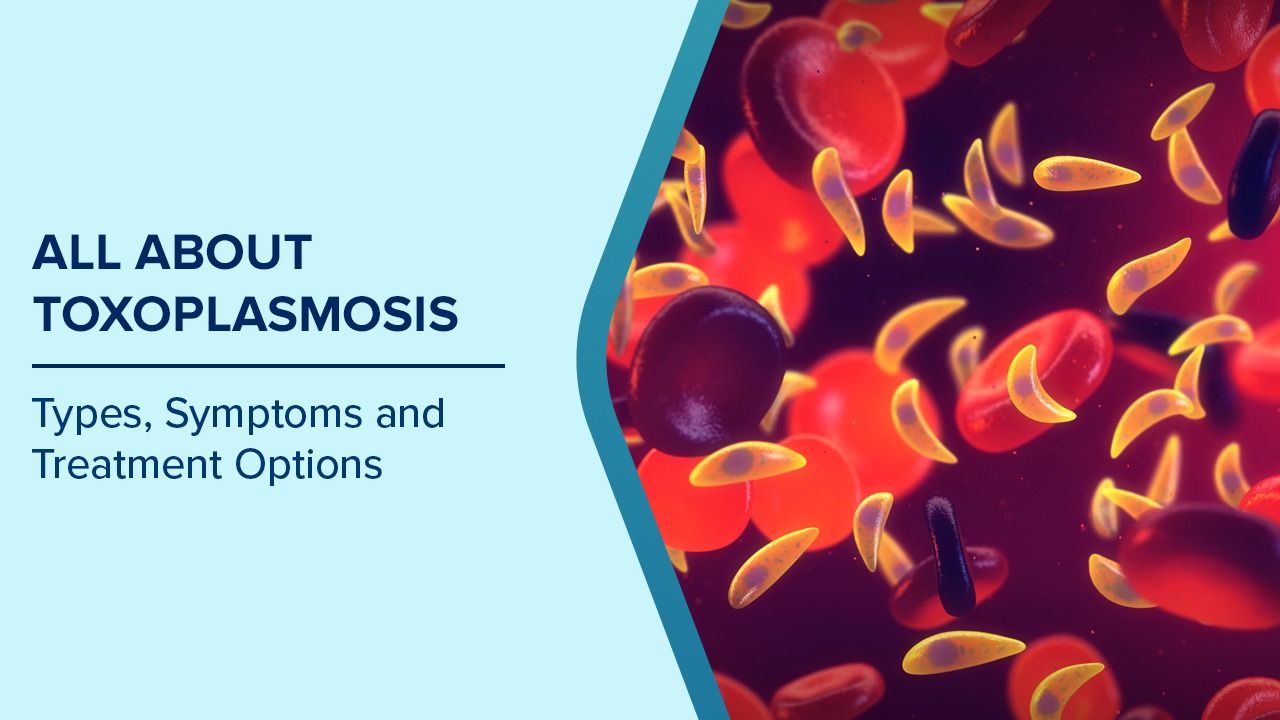
Toxoplasmosis is an infection caused by a single-celled parasite called Toxoplasma gondii. It belongs to a group of organisms known as protozoa and is one of the most widespread parasites in the world. Despite its global presence, most people who carry the parasite never feel unwell, which is why many do not even realise they’ve been infected. Once inside the body, Toxoplasma gondii can form cysts in muscle tissue, the brain, eyes, and other organs.
Once a person is infected, the parasite moves through different stages in the body. The active, fast-replicating form is called tachyzoite, which can cause symptoms and spread to various organs. Over time, it transforms into a slower-growing, dormant form called bradyzoite, which can remain hidden in tissues for years. These stages are especially important in determining how severe the infection may become and who it may affect the most.
What are the Types of Toxoplasmosis?
Toxoplasmosis can present in different ways depending on how the infection was acquired and the individual’s immune response. Although the parasite involved is the same, the effects can vary widely, from no symptoms at all to serious complications affecting the eyes, brain, or unborn child. Below are the main types of toxoplasmosis:
1. Acute Toxoplasmosis
This form typically occurs after a person is first exposed to the parasite. Most healthy individuals do not feel unwell, but some may experience mild symptoms such as low-grade fever, fatigue, muscle aches, and swollen lymph nodes, especially in the neck. These symptoms often resemble the flu and may last for a few days to several weeks. In most cases, the body’s immune system controls the infection, and the parasite becomes inactive without the need for treatment. However, the infection may still linger in the body in a dormant form.
2. Congenital Toxoplasmosis
This occurs when a woman becomes infected during pregnancy and passes the parasite to the baby through the placenta. The effects on the baby can vary depending on when during pregnancy the infection takes place. Early infection may result in miscarriage or stillbirth, while later infections may cause long-term problems such as hearing loss, vision impairment, seizures, or developmental delays. Some babies appear healthy at birth but develop symptoms months or even years later, making follow-up care important.
3. Ocular Toxoplasmosis
This type affects the eyes and is one of the most common causes of eye inflammation related to infection. It usually involves the retina, the light-sensitive layer at the back of the eye. People may experience blurred or reduced vision, eye pain, floaters, or sensitivity to light. Ocular toxoplasmosis can occur as a new infection or as a reactivation of an old one, particularly in those who were infected at birth. In some cases, it may return multiple times and lead to permanent scarring and vision loss if not managed properly.
4. Cerebral Toxoplasmosis
This is a more severe form that affects the brain and central nervous system, typically seen in people with weakened immune systems — such as those living with HIV/AIDS, cancer patients undergoing chemotherapy, or organ transplant recipients on immunosuppressive therapy. It can lead to symptoms like confusion, poor coordination, speech difficulties, headaches, seizures, or personality changes. This form of toxoplasmosis requires immediate medical attention and is usually treated with specific antiparasitic medications.
5. Chronic or Latent Toxoplasmosis
After the initial infection, Toxoplasma gondii can remain in the body in an inactive or "latent" form for life, usually as cysts in the brain, muscles, or eyes. In healthy individuals, this stage typically causes no further issues. However, if the immune system weakens at any point, the parasite can reactivate, leading to more serious complications. There is ongoing research into whether chronic toxoplasmosis might be linked to subtle changes in mental health or behaviour, but these connections are still not fully understood.
What Causes Toxoplasmosis?
Toxoplasmosis is caused by a parasite called Toxoplasma gondii. It is found across the world and can infect most warm-blooded animals, including humans. The infection spreads when a person comes in contact with the parasite in any of the following ways:
- Eating undercooked or raw meat: This is one of the most common causes. Meat from infected animals, especially pork, lamb, or venison, may contain tiny cysts of the parasite. If the meat is eaten without proper cooking, these cysts can enter the human body and cause infection.
- Consuming contaminated food or water: Fruits, vegetables, or drinking water may become contaminated with microscopic eggs of the parasite. These eggs are often shed in the faeces of infected cats and can survive in the environment for long periods.
- Contact with infected cat faeces: Cats are the only animals that can shed the parasite's eggs. Handling cat litter, cleaning a cat's litter box, or touching soil where cats may have defecated can result in exposure, especially if hands are not washed before eating or touching the face.
- Mother-to-child transmission: A pregnant woman who gets infected for the first time during pregnancy can pass the infection to her unborn baby. This can lead to congenital toxoplasmosis, which may cause serious problems depending on when during the pregnancy the infection occurred.
- Unwashed produce from the ground: Fruits and vegetables that grow in soil contaminated with infected cat faeces may carry the parasite. If they are eaten without thorough washing or peeling, they can spread the infection.
- Organ transplant or blood transfusion: In rare cases, toxoplasmosis can spread through a transplanted organ or blood product from a donor who carries the infection.
Toxoplasmosis does not spread through direct contact with an infected person, coughing, or casual physical contact.
Who is Most at Risk?
Toxoplasmosis may not cause noticeable symptoms in many healthy individuals, but certain groups face a higher risk of severe illness or complications. These include:
- Pregnant women: If a woman gets infected for the first time during pregnancy, the parasite can cross the placenta and affect the unborn baby. The risk of transmission and severity of complications depend on the stage of pregnancy, with early infections potentially leading to miscarriage or birth defects.
- Newborns with congenital toxoplasmosis: Babies infected in the womb may appear healthy at birth but can develop vision problems, developmental delays, seizures, or hearing loss months or years later.
- People with weakened immune systems: Individuals undergoing chemotherapy, living with HIV/AIDS, or taking immunosuppressive drugs after organ transplants are more vulnerable. The infection may become active again in people with previous exposure or cause severe damage to the brain, eyes, lungs, or other organs.
- Individuals handling raw meat frequently: Butchers, chefs, or home cooks who often work with raw pork or lamb without proper hygiene practices may be at a slightly increased risk of infection.
- People exposed to soil or cat litter: Gardeners, farmers, or anyone who comes in contact with contaminated soil or cat faeces may accidentally ingest the parasite if they touch their mouth without washing hands properly.
Knowing who is most at risk can help with taking the right precautions to avoid exposure and reduce chances of serious health issues.
What are the Symptoms of Toxoplasmosis?
Toxoplasmosis symptoms vary based on a person’s age, immune status, and how the infection was acquired. While some may remain symptom-free, others could experience mild discomfort or, in more serious cases, severe complications.
In Healthy Individuals
Most people with healthy immune systems show no symptoms. If symptoms do appear, they are usually mild and may go away without treatment. These can include:
- Mild fever
- Muscle aches, especially in the back and legs
- General fatigue or feeling unwell
- Swollen lymph nodes, particularly in the neck or underarms
- Headache or sore throat
In People with Weakened Immune Systems
For individuals with conditions such as HIV/AIDS, cancer, or those on immunosuppressive medication, toxoplasmosis can become severe. The parasite may spread to the brain and other organs, leading to symptoms such as:
- Persistent or severe headaches
- Confusion or trouble concentrating
- Difficulty with coordination or balance
- Seizures
- Shortness of breath or cough due to lung involvement
- Blurred vision or other eye problems
In Congenital Toxoplasmosis
When a baby is infected during pregnancy, symptoms can appear at birth or later in life. The severity often depends on the stage of pregnancy during which the infection occurred. Signs may include:
- Yellowing of the skin or eyes (jaundice)
- Enlarged liver or spleen
- Fluid buildup in the brain (hydrocephalus)
- Abnormally small or large head size
- Eye damage that may affect vision
- Feeding difficulties or poor weight gain
In Ocular Toxoplasmosis:
When the infection affects the eyes, it can cause symptoms even in otherwise healthy individuals. Common signs include:
- Blurred or reduced vision
- Red, painful eyes
- Sensitivity to light
- Floating spots in the field of vision (floaters)
- In severe cases, lasting vision loss
How is Toxoplasmosis Diagnosed?
Diagnosing toxoplasmosis involves a combination of blood tests, imaging, and clinical assessments. The choice of test depends on the patient’s symptoms, immune status, and whether pregnancy or organ damage is involved.
Blood Tests
These are usually the first step. Blood tests check for antibodies that the body produces in response to Toxoplasma gondii.
- IgM antibodies suggest a recent or active infection. These usually appear within a week of infection.
- IgG antibodies indicate past exposure. If IgG is positive and IgM is negative, it usually means the infection occurred in the past and the person may have immunity.
In some cases, repeat testing over a few weeks may be needed to confirm whether the infection is recent or old, especially in pregnant individuals.
Polymerase Chain Reaction (PCR)
PCR tests detect the parasite’s genetic material. This method is especially helpful for confirming the infection in newborns, foetuses, or immunocompromised patients. It may be performed on blood, cerebrospinal fluid, or amniotic fluid. PCR testing is highly sensitive and can detect even small amounts of the parasite.
Eye Examination
For patients with visual symptoms, an eye examination is performed to check for signs of ocular toxoplasmosis. An ophthalmologist may observe inflammation or scars on the retina. In some cases, a special camera is used to take images of the back of the eye to monitor the condition.
Imaging Test
When the brain or other organs are affected, imaging may be needed.
- CT scan or MRI of the brain is often done if the patient shows signs of neurological involvement, such as confusion, seizures, or weakness.
- These scans help detect lesions or abscesses caused by the parasite in people with weakened immune systems, such as those with HIV/AIDS.
Tissue or Fluid Sampling
In rare cases, a sample from lymph nodes, spinal fluid, or other affected tissues may be collected to detect the parasite directly. This is usually done when other tests are inconclusive or when doctors need a firm diagnosis in complicated cases.
What is the Treatment for Toxoplasmosis?
Treatment for toxoplasmosis depends on the individual's symptoms, immune status, and risk factors such as pregnancy or existing health conditions.
Medicines
Antiparasitic and anti-inflammatory medicines are the main line of treatment for managing the infection. These help reduce the number of parasites in the body and ease associated symptoms such as fever, fatigue, or muscle aches. The duration and type of medicine may vary depending on the person's age, overall health, and how severe the infection is.
Supportive Care
This includes steps to manage symptoms and promote comfort during recovery. Rest, proper hydration, and nutritional support may be advised to help the body recover. In some cases, over-the-counter medicines may be suggested for symptom relief, such as for fever or pain, as guided by the doctor.
Monitoring Without Immediate Treatment
In healthy individuals who do not show symptoms, doctors may decide not to start treatment right away. Instead, they may recommend regular monitoring through follow-up appointments and periodic blood tests to ensure the infection does not worsen or lead to complications over time.
Treatment During Pregnancy
Pregnant individuals diagnosed with toxoplasmosis require careful management. Medicines are chosen based on the stage of pregnancy and whether the infection has affected the unborn baby. Regular ultrasounds and blood tests may be used to monitor the baby's condition. The aim is to prevent transmission to the foetus or to manage the infection if transmission has already occurred.
Ongoing Treatment in High-Risk Groups
People with weakened immune systems, such as those with HIV or undergoing chemotherapy, often require longer treatment courses to prevent the infection from becoming severe or recurring. Similarly, babies born with congenital toxoplasmosis may need extended treatment for several months, along with regular neurological and eye check-ups to track development and catch any long-term effects early.
Can Toxoplasmosis be Prevented?
Toxoplasmosis is often preventable through careful hygiene and food handling practices. Since the parasite Toxoplasma gondii can spread through contaminated meat, soil, water, or cat faeces, taking precautions can significantly reduce the risk of infection. This is particularly important for pregnant individuals, people with weakened immune systems, and those caring for infants. Here are some effective ways to prevent toxoplasmosis:
- Cook meat thoroughly: Avoid eating raw or undercooked meat, especially lamb, pork, and venison. Use a food thermometer to ensure the internal temperature is high enough to kill the parasite.
- Wash fruits and vegetables well: Rinse all produce under running water, even items you plan to peel. This helps remove any soil particles that may contain the parasite.
- Avoid unpasteurised dairy products: Stick to pasteurised milk and dairy items to reduce the risk of exposure.
- Practise good hand hygiene: Wash hands with soap and water after handling raw meat, gardening, or coming into contact with animals or soil.
- Be cautious with cat litter: If pregnant or immunocompromised, avoid cleaning litter boxes. If necessary, wear disposable gloves and wash hands immediately after. Change litter daily as the parasite takes time to become infectious.
- Keep pet cats indoors: This limits their contact with potentially infected animals and reduces the chance of them becoming carriers.
- Wear gloves while gardening or handling soil: Even if gardening at home, always use gloves, as outdoor soil can be contaminated with infected cat faeces.
- Drink clean water: Use filtered or bottled water in areas where water sources might be contaminated. This applies especially when travelling to places with poor sanitation.
- Clean kitchen surfaces and utensils: Disinfect cutting boards, knives, and countertops after preparing raw meat or unwashed vegetables to prevent cross-contamination.
These precautions are simple but effective. Adopting them as part of daily routine is particularly important for individuals at greater risk of complications from toxoplasmosis.
Consult Today
Toxoplasmosis can cause serious health issues in pregnant women, newborns, and individuals with weakened immunity. If you are at risk or have symptoms such as swollen lymph nodes, muscle aches, or vision problems, consult an infectious disease specialist without delay. Max Hospital offers dedicated support through timely testing and medical guidance. Book an appointment with a specialist at Max Hospital to get the care you need.
Frequently Asked Questions
Can I get toxoplasmosis from my pet cat, and should I give my cat away if I’m pregnant?
Toxoplasmosis can spread through contact with cat faeces, particularly during litter box cleaning. However, indoor cats that eat only commercial food are less likely to carry the parasite. Pregnant individuals do not need to give away their cats but should avoid cleaning litter boxes or use gloves and wash hands thoroughly afterward. It’s also helpful to change the litter daily since the parasite takes time to become infectious after being shed.
Is it possible to have toxoplasmosis for years without knowing it?
Yes. Many people who are infected may never show symptoms. In some cases, the parasite can remain inactive in the body for years. It usually stays dormant unless the person’s immune system becomes significantly weakened due to illness or medical treatments.
Can toxoplasmosis be passed through food?
Yes. One of the most common ways people become infected is through eating undercooked meat, especially pork, lamb, or venison, that contains the parasite. Unwashed fruits and vegetables or contaminated kitchen surfaces and utensils can also be sources of infection.
Is there a vaccine for toxoplasmosis?
Currently, there is no vaccine available for humans to prevent toxoplasmosis. Research is ongoing, but for now, prevention mainly depends on food safety, hygiene, and avoiding known risk factors.
Can children catch toxoplasmosis from other children at school or daycare?
Toxoplasmosis is not considered a contagious infection and does not spread from child to child through casual contact. It requires direct exposure to infected material like raw meat or contaminated soil or faeces, which is unlikely in a school setting.
Does toxoplasmosis affect fertility?
There is no strong evidence linking toxoplasmosis to fertility issues in men or women. However, active infection during pregnancy can cause complications, so it is important to identify and manage the condition appropriately in women who are planning to conceive.
How soon should someone with a weak immune system start treatment if diagnosed?
Individuals with weakened immunity due to HIV, cancer treatment, or immunosuppressant medication should begin treatment as soon as toxoplasmosis is confirmed, even if symptoms are mild. Early treatment can prevent complications like encephalitis or eye involvement.
Can someone with toxoplasmosis donate blood or organs?
Blood donation is usually not allowed during an active infection. For organ donation, it depends on the recipient’s health and the urgency of the transplant. Doctors assess risks on a case-by-case basis, especially if the recipient has a weak immune system.
Can toxoplasmosis come back after treatment?
In most healthy people, once the active infection is treated, it does not return. However, in immunocompromised individuals, the dormant parasite can reactivate if the immune system weakens again. Long-term medication may be required in such cases to keep the infection suppressed.
Can eye problems caused by toxoplasmosis lead to blindness?
Ocular toxoplasmosis can cause inflammation of the retina and result in scarring. If the central part of the retina is involved or if the inflammation is not treated properly, it can lead to vision loss. Regular follow-up with an eye specialist is important.
Written and Verified by:

Related Blogs


Most read Blogs


Related Blogs
Most read Blogs