 WhatsApp Us (24/7)
 +91 926 888 0303 (24/7)


To Book an Appointment
Call Us+91 926 888 0303Renal Function Test (RFT): Normal Range, Procedure & Results
By Dr. Puneet Arora in Nephrology , Kidney Transplant
Sep 09 , 2026

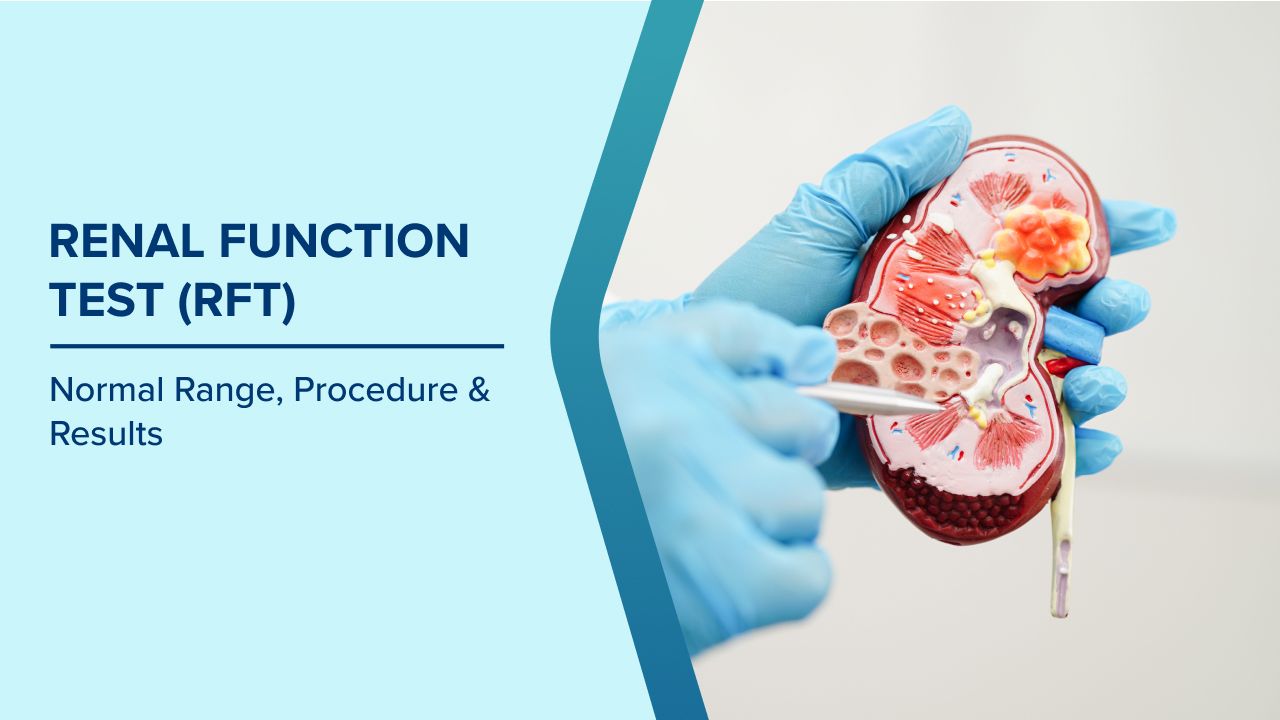
A Renal Function Test (RFT), also called a Kidney Function Test (KFT), is a group of blood and urine assessments used to evaluate how efficiently your kidneys are filtering waste, balancing fluids, and maintaining electrolyte levels. Doctors order this panel to detect kidney disease early, monitor conditions like diabetes and hypertension that affect renal health, and track the progression of known kidney disorders. The panel measures key parameters including serum creatinine, blood urea nitrogen, uric acid, estimated glomerular filtration rate, and electrolytes.
When Is a Renal Function Test Recommended?
- Diabetes or high blood pressure - Both conditions are among the leading causes of chronic kidney disease. Your doctor may recommend periodic RFT assessments to catch any early decline in kidney function before symptoms develop.
- Symptoms suggesting kidney problems - Unexplained swelling in the legs, ankles, or around the eyes, persistent fatigue, changes in urination frequency, foamy or blood-tinged urine, or muscle cramps can all indicate that a kidney assessment is needed.
- Monitoring known kidney conditions - If you have been diagnosed with chronic kidney disease (CKD), kidney stones, or glomerulonephritis, regular assessments help your doctor track disease progression and adjust treatment plans.
- Medication monitoring - Certain drugs including NSAIDs, some antibiotics, and chemotherapy agents can impair renal function over time. An RFT is used to ensure that these medicines are not causing kidney damage.
- Routine preventive screening - Adults above 40, those with a family history of kidney disease, and people with obesity or recurrent urinary tract infections may be advised to get periodic kidney panels as part of a preventive health check-up.
- Before surgical procedures - Surgeons and anaesthesiologists routinely assess kidney function before major operations to determine anaesthetic dosing and fluid management requirements.
- Autoimmune and chronic inflammatory conditions - Diseases like lupus and certain vasculitides can affect the kidneys, making periodic function monitoring important for these patients.
What the Renal Function Test Measures
- Serum Creatinine - A waste product formed from the natural breakdown of muscle tissue. Since virtually all creatinine is cleared by the kidneys, elevated blood levels suggest reduced filtration capacity.
- Blood Urea Nitrogen (BUN) - Urea is produced by the liver when proteins are metabolised. The kidneys filter urea from the blood into urine. Raised BUN levels can indicate impaired kidney function, though dehydration and a high-protein diet can also temporarily push levels up.
- Estimated Glomerular Filtration Rate (eGFR) - Calculated using creatinine, age, and sex, eGFR estimates how many millilitres of blood the kidneys filter per minute per body surface area. It is the most widely used measure of overall kidney function.
- Serum Uric Acid - The end product of purine breakdown in the body. The kidneys excrete most of the body's uric acid, and impaired filtration causes levels to accumulate in the blood, which can lead to gout and kidney stones.
- Serum Sodium - The primary electrolyte that regulates fluid balance outside cells. The kidneys control sodium levels through a hormonal system, and abnormal values can reflect impaired tubular function.
- Serum Potassium - Critical for heart, nerve, and muscle function. The kidneys finely regulate potassium excretion, and elevated or low levels can occur when renal function is compromised.
- Serum Chloride - Works alongside sodium to maintain blood pressure and the body's acid-base balance. Abnormal chloride levels typically accompany sodium and bicarbonate disturbances.
- Serum Bicarbonate (CO2) - Acts as a buffer to keep the blood's pH stable. Low bicarbonate can indicate metabolic acidosis, a condition seen in advanced kidney disease where the kidneys can no longer excrete enough acid.
- Serum Calcium - The kidneys play a role in activating vitamin D, which regulates calcium absorption. Kidney disease can disrupt calcium balance and contribute to bone problems over time.
- Serum Phosphorus - Healthy kidneys excrete excess phosphorus. In kidney disease, phosphorus can accumulate in the blood, further disturbing calcium regulation and weakening bones.
Renal Function Test Normal Ranges
| Parameter | Normal Range | Unit |
|---|---|---|
| Serum Creatinine (Male) | 0.6 - 1.2 | mg/dL |
| Serum Creatinine (Female) | 0.5 - 1.1 | mg/dL |
| Blood Urea Nitrogen (BUN) | 7 - 20 | mg/dL |
| eGFR (Adults) | Above 90 | mL/min/1.73 m² |
| Serum Uric Acid (Male) | 3.5 - 7.2 | mg/dL |
| Serum Uric Acid (Female) | 1.5 - 6.0 | mg/dL |
| Serum Sodium | 136 - 145 | mEq/L |
| Serum Potassium | 3.5 - 5.0 | mEq/L |
| Serum Chloride | 96 - 106 | mEq/L |
| Serum Bicarbonate | 22 - 29 | mEq/L |
| Serum Calcium | 8.5 - 10.2 | mg/dL |
| Serum Phosphorus | 2.5 - 4.5 | mg/dL |
Understanding Your Renal Function Test Results
High Creatinine or Low eGFR
- May indicate reduced kidney filtration capacity, which can occur with chronic kidney disease, acute kidney injury, or a urinary tract obstruction.
- Can be temporarily raised in people who consume large amounts of red meat before testing, or those with significantly above-average muscle mass.
- An eGFR below 60 for three or more months is generally a marker of chronic kidney disease and warrants follow-up with a nephrologist.
- Certain medications including some pain relievers and antibiotics may cause a transient rise in creatinine without underlying structural kidney damage.
Elevated BUN
- May reflect decreased kidney function when accompanied by a raised creatinine, as the kidneys are no longer clearing urea efficiently.
- Can also result from dehydration, a high-protein diet, or gastrointestinal bleeding without any kidney involvement, which is why BUN is always interpreted alongside creatinine and eGFR.
- A BUN-to-creatinine ratio significantly above 20 may suggest a pre-renal cause such as dehydration rather than direct kidney damage.
Abnormal Uric Acid Levels
- Elevated uric acid may indicate impaired renal excretion, and persistent high levels are associated with gout, kidney stones, and may appear alongside CKD.
- High uric acid can also result from a diet rich in purines, excessive alcohol intake, or conditions that increase cell turnover such as certain blood cancers.
- Low uric acid is uncommon and may sometimes be seen with certain inherited metabolic conditions or the use of specific medications.
Electrolyte Imbalances
- High potassium is a common and potentially serious finding in advanced kidney disease, as the kidneys lose the ability to excrete excess potassium effectively.
- Low bicarbonate may indicate metabolic acidosis, which occurs when the kidneys can no longer buffer the blood's acid load adequately.
- Abnormal sodium or calcium levels may reflect a combination of kidney dysfunction and hormonal changes that affect fluid and mineral regulation.
How to Prepare for a Renal Function Test
- Fasting - Your doctor may recommend an 8-12 hour fast before certain components of the panel, particularly if blood glucose or lipid parameters are also being checked. Confirm fasting requirements with your doctor or the lab before your appointment.
- Hydration - Drink adequate water before the test. Dehydration can temporarily raise creatinine and BUN levels, potentially making kidney function appear worse than your actual baseline.
- Medication review - Inform your doctor about all prescription medicines, over-the-counter drugs, supplements, and herbal remedies you take. NSAIDs, diuretics, some antibiotics, and certain other drugs can alter kidney parameters and may need to be noted before testing.
- Diet the day before - Avoid unusually large amounts of protein, particularly red meat, in the 24 hours before the test, as this can temporarily elevate creatinine levels.
- Exercise restriction - Avoid strenuous physical activity in the 24-48 hours before sample collection. Intense exercise can cause muscle breakdown that temporarily raises creatinine and may affect interpretation.
- Timing - Morning is generally preferred for blood sample collection, especially when fasting is advised. Follow your doctor's specific timing instructions.
Renal Function Test Procedure
Step 1: Preparation at the Collection Site
A trained phlebotomist will seat you comfortably and identify a suitable vein, typically in the inner elbow area. A tourniquet is tied around the upper arm to make the vein more prominent.
Step 2: Site Cleaning and Venepuncture
The skin over the vein is cleaned with an antiseptic swab to minimise infection risk. A sterile needle is then inserted into the vein to draw the required volume of blood into a labelled collection tube.
Step 3: Sample Handling
After the needle is removed, gentle pressure is applied to the puncture site. For urine-based components such as the uACR or 24-hour creatinine clearance, the lab will guide you on the correct collection and storage technique for your urine sample.
Step 4: Laboratory Analysis
Blood samples are processed through automated analysers that measure each parameter using enzymatic, photometric, or standard colorimetric methods. The eGFR is calculated from the serum creatinine result together with your age and sex.
Step 5: Report Generation
The laboratory produces a structured report listing each parameter alongside its normal reference range. Reports are typically available within 24 hours of sample receipt.
Factors That Can Affect Your Results
- High protein or red meat intake - A large protein meal in the day before the test can temporarily raise BUN and creatinine levels, leading to results that do not reflect your usual kidney function.
- Dehydration - Not drinking enough water before the test concentrates waste products in the blood, falsely elevating creatinine and BUN. Staying adequately hydrated before testing helps ensure accurate results.
- Strenuous exercise - Intense physical activity in the 24-48 hours before sample collection can temporarily raise serum creatinine due to increased muscle protein breakdown, unrelated to kidney function.
- Certain medications - NSAIDs, diuretics, some antibiotics such as aminoglycosides, and ACE inhibitors can all alter kidney parameters. Always share your complete medication list with your doctor before testing.
- High muscle mass - People with significantly above-average muscle mass may have naturally higher creatinine levels that exceed the standard reference range without indicating any kidney problem.
- Purine-rich diet or alcohol - Consuming large amounts of red meat, shellfish, organ meats, or alcohol in the days before testing can raise serum uric acid levels, potentially overstating the degree of elevation.
- Pregnancy - Glomerular filtration rate rises during pregnancy, which typically lowers serum creatinine below standard reference ranges. Results need to be interpreted with pregnancy status in mind.
- Age - eGFR naturally decreases with age. An eGFR between 60 and 89 in an older adult may represent a normal age-related change rather than kidney disease, and your doctor will weigh this alongside your complete clinical picture.
Why Choose Max Healthcare
At Max Healthcare, kidney function assessments are carried out in quality-assured diagnostic labs by experienced laboratory professionals following standardised protocols. The process is designed to be convenient, from home sample collection at a time that suits you to clearly formatted reports that your consulting nephrologist or physician can review with you in detail. If your results indicate a need for further evaluation, Max Healthcare's nephrology specialists are available for expert consultation and a personalised follow-up care plan.
Book your test at Max Healthcare
Frequently Asked Questions
What is a Renal Function Test used for?
A Renal Function Test evaluates how well your kidneys filter waste products, regulate electrolytes, and maintain fluid balance. Doctors use it to detect kidney disease early, monitor conditions like diabetes and hypertension that affect the kidneys, and check whether certain medications are impacting renal health.
What does a low eGFR mean?
An eGFR below 90 mL/min/1.73 m² may suggest some degree of kidney impairment. An eGFR below 60 for three months or more is generally associated with chronic kidney disease. Your doctor will assess the result alongside other parameters and your medical history before reaching any conclusion.
Can I drink water before a Renal Function Test?
Yes, you should drink adequate water before the test. Being dehydrated can temporarily raise creatinine and BUN levels, making kidney function appear worse than it actually is. Avoid excessive fluid intake immediately before the test unless your doctor advises otherwise.
How often should a kidney function panel be done?
Frequency depends on your individual risk factors. People with diabetes, hypertension, or known kidney disease may need testing every 3-12 months as guided by their doctor. For otherwise healthy adults, a yearly kidney panel as part of a routine health check-up is a reasonable approach.
What does high uric acid in a kidney panel report mean?
Elevated serum uric acid can indicate that the kidneys are not excreting uric acid efficiently. It may also result from a diet high in purines, alcohol consumption, or dehydration. Persistently high uric acid is associated with gout and can contribute to kidney stone formation over time.
What is the difference between RFT and KFT?
The Renal Function Test (RFT) and Kidney Function Test (KFT) refer to the same group of diagnostic assessments. Both terms are used interchangeably in Indian clinical practice and typically include the same panel of parameters - creatinine, BUN, uric acid, eGFR, and electrolytes.
Written and Verified by:

Related Blogs

Dr. Puneet Arora In Nephrology
Nov 11 , 2020 | 2 min read

Nov 11 , 2020 | 9 min read
Blogs by Doctor
Kidneys are vital for life‘ says, Dr. Puneet Arora
Dr. Puneet Arora In Nephrology
Nov 11 , 2020 | 2 min read
Most read Blogs


Related Blogs
Dr. Puneet Arora In Nephrology
Nov 11 , 2020 | 2 min read
Nov 11 , 2020 | 9 min read
Blogs by Doctor
Kidneys are vital for life‘ says, Dr. Puneet Arora
Dr. Puneet Arora In Nephrology
Nov 11 , 2020 | 2 min read
Most read Blogs