 WhatsApp Us (24/7)
 +91 926 888 0303 (24/7)


To Book an Appointment
Call Us+91 926 888 0303Childhood Cancer: Warning Signs & Treatment
By Dr Swati Bhayana in Paediatric (Ped) Oncology , Cancer Care / Oncology , Bone Marrow Transplant , Paediatric (Ped) Hematology
Oct 06 , 2026

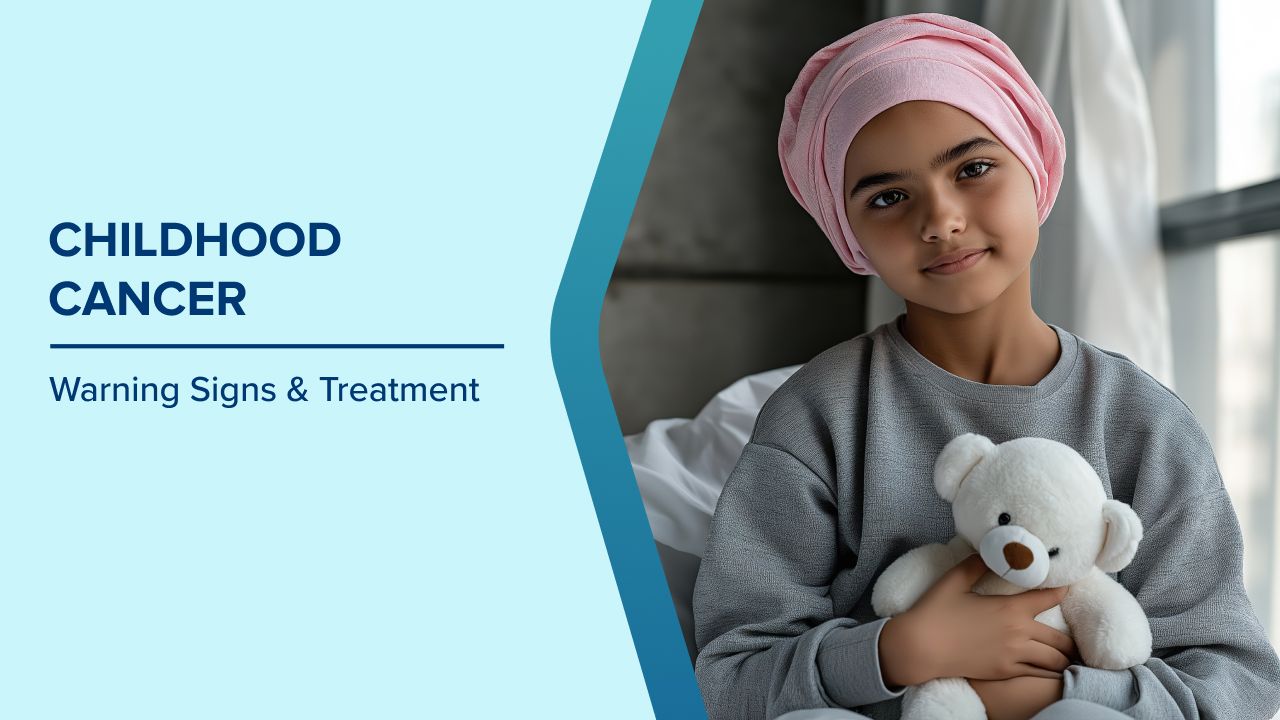
A diagnosis of childhood cancer can be difficult for a child and their family. Unlike many adult cancers, which may be linked to lifestyle habits, occupational hazards, or long-term environmental exposure, childhood cancers can develop without any clear warning or known cause. They are not caused by anything a child or parent has done.
At the same time, many childhood cancers can be treated successfully. Advances in paediatric oncology have changed how childhood cancers are diagnosed and treated. Conditions that once had limited treatment options can now be managed with specialised therapies, allowing many children to return to school, daily activities and normal life after treatment.
Understanding Childhood Cancer
Childhood cancer refers to cancers that develop during childhood and adolescence. These cancers can affect different parts of the body and may behave differently from cancers commonly seen in adults.
Some of the more common childhood cancers include acute lymphoblastic leukaemia (ALL), brain tumours, lymphomas, eye tumours such as retinoblastoma, kidney tumours such as Wilms tumour, and bone cancers such as sarcomas.
Timely diagnosis and access to specialised cancer care are important for children with cancer. However, children in rural and semi-urban areas may face difficulties in reaching specialised healthcare services. Delayed diagnosis remains one of the major challenges in childhood cancer care.
When cancer is detected early, treatment can often be more effective. However, some symptoms may initially be mistaken for common childhood illnesses or minor injuries. This can sometimes delay further evaluation and treatment.
Recognising the Early Warning Signs
One of the challenges in diagnosing childhood cancer is that its early symptoms may not always appear serious.
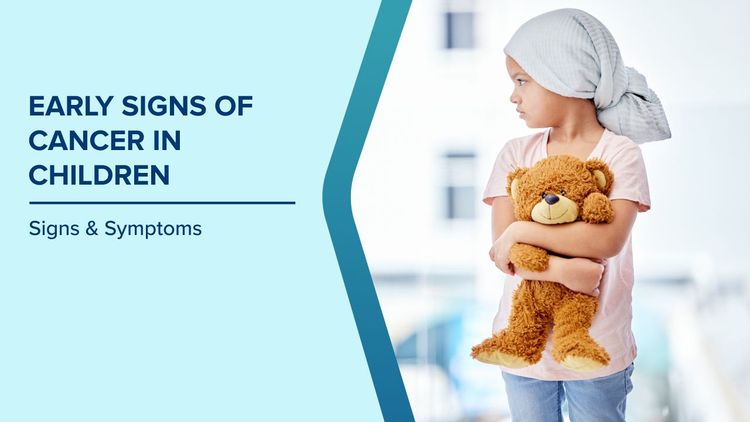
A child with a fever, tiredness or aching limbs is much more likely to have a common infection or growing pains than cancer. However, symptoms that persist without a clear explanation should be checked by a doctor. Parents and primary healthcare providers should pay attention to symptoms such as:
- Persistent, unexplained fever that does not respond to standard treatment
- Unusual pallor or persistent fatigue
- Unexplained bruising or tiny bleeding spots on the skin, known as petechiae
- Firm, painless lumps or swelling, particularly in the neck, armpits, groin or abdomen
- An unusually enlarged or swollen abdomen
- Deep, localised bone or joint pain, particularly pain that wakes a child at night
- Sudden limping or persistent pain that may initially be mistaken for a sports injury
- A whitish reflection or "cat's eye" glow in the pupil, known as leukocoria, which may sometimes be noticed in flash photography
- Persistent morning headaches, particularly when accompanied by sudden or recurrent vomiting
These symptoms do not necessarily mean that a child has cancer. However, persistent, unusual or unexplained symptoms should be assessed by a healthcare professional.
How Childhood Cancer Treatment Has Changed
Treatment for childhood cancer has changed significantly over the years. Earlier treatment relied heavily on intensive chemotherapy, which could affect both cancer cells and healthy cells. Today, treatment can be planned according to the type of cancer and the level of risk.
Children with standard-risk disease may receive appropriately adjusted treatment to reduce unnecessary long-term side effects. Children with more aggressive forms of cancer may require targeted treatments, immunotherapy and advanced supportive care.
The aim is not only to treat the cancer but also to reduce the effects of treatment on the child's developing body.
CAR T-Cell Therapy and Childhood Cancer
CAR T-cell therapy is one of the newer approaches used in certain childhood cancers. The treatment uses the child's own immune cells. These cells are collected and genetically modified in a laboratory so that they can recognise specific cancer antigens. The modified cells are then given back to the child through the bloodstream, where they can help the immune system identify and attack cancer cells.
CAR T-cell therapy has become an important treatment option for some children with relapsed or refractory acute lymphoblastic leukaemia, including cases where the cancer has returned or has not responded adequately to earlier treatment.
Advances in Surgery and Radiotherapy
Surgical treatment for childhood cancer has also changed over time. In paediatric bone cancers, limb-salvage procedures have largely replaced the amputations that were once more commonly required. Minimally invasive procedures can also help protect the function of important organs in certain abdominal tumours.
Radiotherapy has also become more precise. Techniques such as proton beam therapy and intensity-modulated radiation therapy (IMRT) can help deliver radiation to the tumour while limiting exposure to nearby healthy tissues.
This is particularly important in children because their organs and brains are still developing. Limiting radiation exposure to healthy tissue can help reduce some long-term treatment-related effects, including cognitive complications.
Understanding the Role of Genetics
Childhood cancers can have different biological features compared with many adult cancers. They often have fewer overall mutations but may have important genetic changes, including gene fusions, chromosomal translocations and epigenetic disruptions.
Genetic testing, including Next-Generation Sequencing (NGS) and whole-exome sequencing, has helped doctors better classify and treat several childhood cancers, particularly blood cancers, brain tumours and rare malignancies.
Genetic testing can also identify inherited conditions that may increase a child's risk of developing certain cancers. Examples include Neurofibromatosis and Li-Fraumeni syndrome.
Identifying an inherited genetic predisposition can help doctors recommend appropriate surveillance for the child and family. This may help detect additional cancers at an earlier stage, sometimes before symptoms appear.
Why Childhood Cancers Can Be Curable
The word "cancer" can be frightening for families. However, treatment options for childhood cancer have improved considerably. Children can often recover from intensive treatment because their healthy tissues can repair and regenerate more effectively than those of adults. This allows many children to receive intensive treatment designed with the aim of curing the disease.
Early detection, accurate diagnosis, appropriate staging and treatment at specialised paediatric oncology centres can all play an important role in the outcome. For many children, successful treatment means returning to school, spending time with family and friends, pursuing their interests, and continuing to grow into healthy adults.
Conclusion
Childhood cancer is a serious condition, but many childhood cancers can be treated successfully. Advances in chemotherapy, surgery, radiotherapy, immunotherapy, CAR T-cell therapy, genetic testing and supportive care have expanded the treatment options available to children.
Recognising persistent or unusual symptoms and seeking timely medical evaluation can help children receive the right diagnosis and treatment. With early detection, accurate diagnosis and appropriate specialised care, many children with cancer can complete treatment and return to their everyday lives.
Written and Verified by:

Related Blogs

Dr. Ramandeep Singh Arora (Paed Onco) In Paediatric (Ped) Oncology , Cancer Care / Oncology
Oct 25 , 2016 | 2 min read

Dr. Ramandeep Singh Arora (Paed Onco) In Paediatric (Ped) Oncology , Cancer Care / Oncology
Sep 04 , 2017 | 3 min read
Blogs by Doctor
Most read Blogs


Related Blogs
Dr. Ramandeep Singh Arora (Paed Onco) In Paediatric (Ped) Oncology , Cancer Care / Oncology
Oct 25 , 2016 | 2 min read
Dr. Ramandeep Singh Arora (Paed Onco) In Paediatric (Ped) Oncology , Cancer Care / Oncology
Sep 04 , 2017 | 3 min read
Blogs by Doctor
Most read Blogs