 WhatsApp Us (24/7)
 +91 926 888 0303 (24/7)


To Book an Appointment
Call Us+91 926 888 0303Managing Cholesterol: Mistakes & Reduce Heart Disease Risks
By Dr. Ambukeshwar Singh in Cardiology , Interventional Cardiology
Aug 19 , 2026

High cholesterol often develops without causing noticeable symptoms, yet it is one of the key risk factors for heart disease. The good news is that it can usually be managed through a combination of healthy lifestyle choices, regular monitoring, and medication when needed.
Understanding what affects your cholesterol levels and making consistent, long-term changes can go a long way in protecting your heart and reducing the risk of future cardiovascular problems.
Why Cholesterol Management Matters
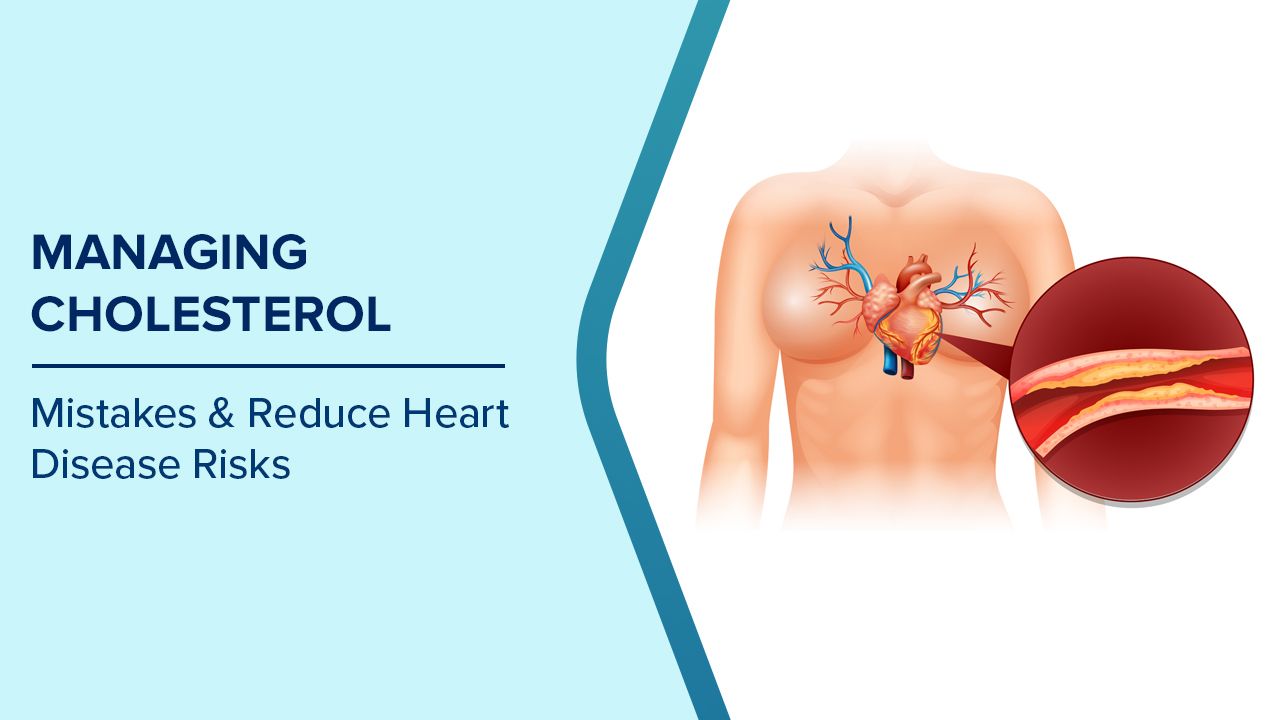
Cholesterol is needed for several essential body functions, including hormone production, healthy cell formation, and digestion. However, high levels of low-density lipoprotein (LDL), or "bad" cholesterol, can build up inside the arteries, restricting blood flow and increasing the risk of heart attack and stroke.
Managing cholesterol can help:
- Keep blood vessels healthy
- Reduce plaque build-up in the arteries
- Lower the risk of heart disease and stroke
- Support long-term heart health
Rather than focusing only on your cholesterol numbers, managing cholesterol should be seen as an important step towards protecting your overall cardiovascular health.
Who Should Pay Attention to Their Cholesterol?
High cholesterol can affect people of all ages and body types. Even individuals who feel healthy may have abnormal cholesterol levels without realising it.
You may benefit from regular cholesterol monitoring if you:
- Have a family history of high cholesterol or heart disease
- Have diabetes or high blood pressure
- Are overweight or obese
- Smoke or use tobacco products
- Lead a physically inactive lifestyle
- Eat a diet high in processed or fried foods
- Are entering middle age or older adulthood
Routine health checks allow cholesterol problems to be identified before they cause damage to the heart or blood vessels.
Healthy Habits That Help Lower Heart Disease Risk
Lifestyle plays an important role in cholesterol management. Small but consistent changes are often easier to maintain and can contribute to better heart health over time.
Choose Heart-Friendly Foods
Your overall eating pattern has a greater impact on cholesterol than any single food.
Aim to include more:
- Whole grains
- Fresh fruits and vegetables
- Beans, lentils, and other legumes
- Nuts and seeds in moderation
- Lean sources of protein
- Fish, especially oily varieties
- Healthy cooking oils in place of saturated fats
At the same time, try to reduce foods that are high in saturated fat, trans fats, refined carbohydrates, and added sugars. Preparing meals at home more often also gives you better control over ingredients and portion sizes.
Stay Physically Active
Regular physical activity supports cardiovascular health in several ways. It helps improve cholesterol balance, supports healthy circulation, assists with weight management, and benefits overall fitness.
You do not need intense workouts to see benefits. Activities such as brisk walking, cycling, swimming, dancing, or even regular gardening can all contribute to a healthier lifestyle.
The key is to stay active consistently rather than exercising occasionally.
Maintain a Healthy Weight
Even modest weight loss can improve cholesterol levels in people who are overweight.
Instead of aiming for rapid weight loss, focus on sustainable habits such as balanced meals, regular movement, adequate sleep, and mindful eating.
Healthy weight management also reduces the risk of several other conditions that affect heart health.
Avoid Smoking
Smoking damages blood vessels and makes it easier for cholesterol deposits to accumulate inside the arteries. It also reduces the protective effects of high-density lipoprotein (HDL) cholesterol.
Stopping smoking benefits the heart regardless of how long you have smoked. Your healthcare provider can recommend suitable strategies and support if you are planning to quit.
Managing Other Health Conditions
Heart disease rarely develops because of one risk factor alone. Several medical conditions can increase the likelihood of cholesterol-related complications.
Managing the following conditions can significantly improve overall cardiovascular health:
- Diabetes
- High blood pressure
- Obesity
- Kidney disease
- Thyroid disorders
Regular follow-up with your healthcare provider helps ensure these conditions remain well controlled.
Monitoring Your Cholesterol
Managing cholesterol is an ongoing process rather than a one-time effort.
Your doctor may recommend periodic lipid profile tests to monitor:
- Total cholesterol
- LDL cholesterol
- HDL cholesterol
- Triglycerides
The frequency of testing depends on your age, medical history, current cholesterol levels, and whether you are taking medication.
Regular monitoring allows treatment plans to be adjusted if necessary and helps you understand how lifestyle changes are affecting your heart health.
Everyday Habits That Support a Healthy Heart
Alongside managing cholesterol directly, several daily habits contribute to better cardiovascular health.
Prioritise Good Sleep
Poor sleep may influence many factors linked to heart disease, including blood pressure, metabolism, and eating habits.
Maintaining a regular sleep schedule supports overall well-being and complements other healthy lifestyle choices.
Manage Stress
Long-term stress can make it harder to maintain healthy routines. Some people respond to stress by eating unhealthy foods, becoming less active, smoking, or drinking more alcohol.
Healthy ways to manage stress include:
- Walking outdoors
- Practising relaxation techniques
- Spending time with family and friends
- Taking part in hobbies you enjoy
- Seeking professional support if stress becomes overwhelming
Looking after emotional health is an important part of protecting your heart.
Common Mistakes to Avoid
Many people unintentionally make choices that reduce the effectiveness of their cholesterol management plan.
Common mistakes include:
- Skipping follow-up appointments because you feel well
- Stopping medication without medical advice
- Assuming healthy-looking packaged foods are always heart-friendly
- Focusing only on weight instead of overall lifestyle
- Ignoring other risk factors such as diabetes or high blood pressure
- Believing temporary healthy habits are enough
Successful cholesterol management depends on consistency rather than short-term efforts.
When Should You See a Doctor?
Arrange a medical evaluation if you:
- Have a family history of high cholesterol or early heart disease
- Have diabetes, high blood pressure, or obesity
- Receive abnormal cholesterol test results
- Have previously experienced a heart attack or stroke
- Need guidance about cholesterol-lowering medication
Regular health assessments help identify risks early and allow treatment to begin before complications develop.
Conclusion
Managing cholesterol is one of the most effective ways to reduce your risk of heart disease. While high cholesterol often develops without symptoms, it can be detected through routine screening and managed with healthy lifestyle choices, regular monitoring, and medication when needed.
Protecting your heart is not about making drastic changes overnight. Eating a balanced diet, staying physically active, maintaining a healthy weight, avoiding tobacco, managing other medical conditions, and following your doctor's advice all contribute to better long-term cardiovascular health. Small, consistent steps taken today can help keep your heart healthier for years to come.
Frequently Asked Questions
1. Can stress alone cause high cholesterol?
Stress does not directly cause high cholesterol, but long-term stress can influence lifestyle habits such as unhealthy eating, reduced physical activity, and poor sleep, which may affect cholesterol levels.
2. Can cholesterol levels fluctuate over time?
Yes. Cholesterol levels can change due to age, diet, weight changes, medications, medical conditions, and lifestyle habits. Regular testing helps monitor these changes.
3. Is it possible to have normal cholesterol levels but still develop heart disease?
Yes. Factors such as high blood pressure, diabetes, smoking, family history, and chronic inflammation can also contribute to heart disease. Cholesterol is only one part of overall cardiovascular risk.
4. Does travelling or eating out occasionally affect cholesterol management?
Occasional meals outside the home are unlikely to have a major impact if your usual eating pattern is balanced. Making healthier choices most of the time is more important than aiming for perfection.
5. Can young adults benefit from cholesterol screening?
Yes. Individuals with a family history of high cholesterol, heart disease, diabetes, or other cardiovascular risk factors may benefit from earlier screening, even if they feel completely healthy.
Written and Verified by:

Related Blogs

Dr. Rajiv Agarwal In Cardiology
Jul 21 , 2021 | 1 min read

Dr. Balbir Singh In Cardiac Sciences , Cardiology
Dec 30 , 2021 | 1 min read
Blogs by Doctor
Hormones and Heart Health: Oxytocin, Adrenaline, Cortisol & Wellness Tips
Dr. Ambukeshwar Singh In Interventional Cardiology
Aug 27 , 2025 | 2 min read
TAVR: The Minimally Invasive Solution for Aortic Valve Disease
Dr. Ambukeshwar Singh In Interventional Cardiology
Oct 01 , 2025 | 3 min read
Most read Blogs


Related Blogs
Dr. Rajiv Agarwal In Cardiology
Jul 21 , 2021 | 1 min read
Dr. Balbir Singh In Cardiac Sciences , Cardiology
Dec 30 , 2021 | 1 min read
Blogs by Doctor
Hormones and Heart Health: Oxytocin, Adrenaline, Cortisol & Wellness Tips
Dr. Ambukeshwar Singh In Interventional Cardiology
Aug 27 , 2025 | 2 min read
TAVR: The Minimally Invasive Solution for Aortic Valve Disease
Dr. Ambukeshwar Singh In Interventional Cardiology
Oct 01 , 2025 | 3 min read
Most read Blogs