 WhatsApp Us (24/7)
 +91 926 888 0303 (24/7)


To Book an Appointment
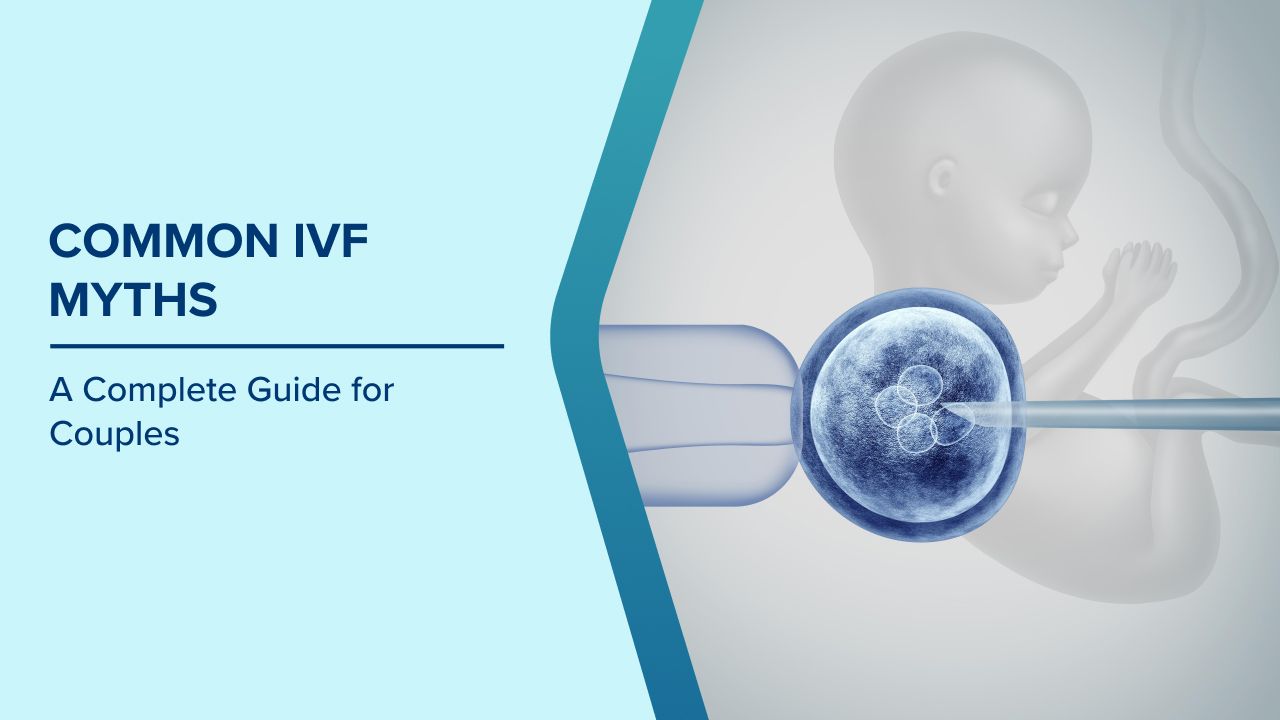
Call Us+91 926 888 0303Common IVF Myths: A Complete Guide for Couples
By Dr Akanksha Sharma in Infertility & IVF
Jul 06 , 2026

For many couples, the decision to explore IVF comes after months or even years of questions, uncertainty, and emotional ups and downs. While access to fertility information has improved, misconceptions about IVF treatment continue to circulate through social media, family discussions, and well-meaning advice from others.
These myths can create unnecessary anxiety and may even discourage some couples from seeking appropriate fertility care. Understanding what IVF can and cannot do helps people make informed decisions based on facts rather than assumptions.
Here are five common IVF myths that many couples still believe, along with the realities behind them.
Why IVF Is Often Misunderstood
IVF, or in vitro fertilisation, is one of the most recognised fertility treatments, yet it is also one of the most misunderstood. Because the treatment involves advanced reproductive technology, many people develop opinions about it without fully understanding how the process works.
As a result, myths about success rates, safety, eligibility, and outcomes often persist long after medical practice has evolved.
Myth 1: IVF Guarantees Pregnancy
One of the most common misconceptions is that IVF automatically leads to pregnancy.
The Reality
IVF can significantly improve the chances of conception for many couples, but it does not guarantee a successful pregnancy. The outcome depends on several factors, including:
- Age of the woman
- Egg and sperm quality
- Underlying fertility conditions
- Uterine health
- Overall reproductive health
Some couples conceive during their first IVF cycle, while others may require additional treatment cycles or alternative approaches.
Understanding this from the beginning helps set realistic expectations and reduces disappointment if the journey takes longer than anticipated.
Myth 2: IVF Is Only for Women
Fertility challenges are frequently viewed as a women's health issue, leading many people to assume that IVF treatment focuses solely on the female partner.
The Reality
Fertility is a shared concern. Difficulties conceiving can arise from factors affecting either partner or both.
Male fertility issues may involve:
- Low sperm count
- Reduced sperm movement
- Abnormal sperm shape
- Problems with sperm production or delivery
Female fertility issues may include:
- Ovulation disorders
- Blocked fallopian tubes
- Endometriosis
- Age-related fertility decline
Because fertility involves both partners, evaluation and treatment planning usually consider the couple as a whole rather than focusing on one individual.
Myth 3: IVF Babies Are Different From Other Children
Many couples worry about the health and development of children conceived through IVF.
The Reality
Children born through IVF grow, learn, and develop just like children conceived naturally.
The IVF process assists fertilisation by bringing the egg and sperm together outside the body before embryo transfer. Once pregnancy is established, fetal growth and development follow the same biological processes as any other pregnancy.
Common Concerns Parents Have
Prospective parents often ask whether IVF affects:
- Physical development
- Intelligence
- Growth milestones
- Long-term health
In general, children conceived through IVF experience the same stages of childhood development as other children.
The method of conception does not define a child's abilities, personality, or future health.
Myth 4: You Must Be Completely Healthy to Undergo IVF
Some couples postpone fertility consultations because they believe minor medical conditions automatically disqualify them from IVF treatment.
The Reality
Many people undergoing IVF have existing health conditions that can be managed alongside fertility treatment.
Examples may include:
- Thyroid disorders
- Polycystic ovary syndrome (PCOS)
- Diabetes
- Endometriosis
- Certain hormonal imbalances
Rather than excluding someone from treatment, these conditions are often assessed and managed as part of the overall fertility plan.
Preparing for Treatment
Before beginning IVF, doctors typically review:
- Medical history
- Current medications
- Lifestyle factors
- Reproductive health
- General wellbeing
This evaluation helps identify any issues that may need attention before treatment starts.
The goal is not perfection, but creating the healthiest possible environment for conception and pregnancy.
Myth 5: IVF Means You Have Failed to Conceive Naturally
Perhaps one of the most emotionally difficult myths is the belief that needing IVF represents a personal failure.
The Reality
Infertility is a medical condition, not a reflection of effort, determination, or worth.
Many fertility challenges occur because of factors beyond an individual's control, including:
- Hormonal conditions
- Structural reproductive issues
- Genetic factors
- Age-related changes
- Unexplained infertility
Choosing IVF is simply one of many medical options available to help people achieve pregnancy.
Reframing the Conversation
Couples often carry unnecessary guilt when considering fertility treatment. In reality, seeking medical support for fertility concerns is no different from seeking treatment for any other health condition.
IVF is not a sign that someone has failed. It is a medical tool that helps overcome specific reproductive barriers.
Other Misconceptions Couples Commonly Encounter
Beyond the major myths, there are several smaller misunderstandings that can add confusion during the fertility journey.
"You Need Years of Infertility Before Considering IVF"
The right time to seek fertility advice varies from person to person. Waiting unnecessarily can sometimes delay diagnosis and treatment of underlying conditions.
"Lifestyle Changes Alone Can Solve Every Fertility Problem"
Healthy habits support reproductive health, but they cannot always correct structural, hormonal, or genetic causes of infertility.
"IVF Is the First Treatment Every Couple Receives"
Not all fertility patients require IVF. Depending on the cause of infertility, other treatments may be considered before IVF becomes necessary.
"Talking About IVF Makes Treatment More Stressful"
Many couples find that open conversations with trusted family members, friends, or healthcare professionals help reduce emotional isolation and uncertainty.
Conclusion
IVF has helped many individuals and couples pursue their dream of parenthood, yet myths and misconceptions continue to create confusion and unnecessary worry. Beliefs that IVF guarantees pregnancy, is only for women, produces different children, requires perfect health, or represents personal failure do not reflect the realities of modern fertility care.
Accurate information allows couples to approach fertility treatment with greater confidence and realistic expectations. Understanding the facts behind IVF can make the journey feel less overwhelming and help families make decisions that are right for their individual circumstances.
Frequently Asked Questions
1. Can I continue working while undergoing IVF treatment?
Many people continue their normal work routine during IVF treatment. Depending on appointments and individual symptoms, some schedule adjustments may occasionally be needed.
2. Does IVF affect future natural pregnancies?
Not necessarily. Some couples conceive naturally after IVF treatment, depending on the underlying fertility condition and individual circumstances.
3. Can overweight or underweight individuals undergo IVF?
Body weight can influence fertility and treatment outcomes, but it does not automatically prevent someone from undergoing IVF. A fertility specialist can provide personalised guidance.
4. Are frozen embryos less effective than fresh embryos?
Advances in embryo freezing techniques have improved outcomes significantly. In many situations, frozen embryo transfers can be an effective treatment option.
5. Is emotional support helpful during IVF treatment?
Yes, fertility treatment can be emotionally demanding. Support from partners, family members, counsellors, or support groups can help individuals cope with stress and uncertainty throughout the process.
Written and Verified by:

Related Blogs

Dr. Richa Singh In Infertility & IVF
Nov 08 , 2020 | 2 min read

Dr. Richa Singh In Infertility & IVF
Nov 08 , 2020 | 2 min read
Most read Blogs


Related Blogs
Dr. Richa Singh In Infertility & IVF
Nov 08 , 2020 | 2 min read
Dr. Richa Singh In Infertility & IVF
Nov 08 , 2020 | 2 min read
Most read Blogs