 WhatsApp Us (24/7)
 +91 926 888 0303 (24/7)


To Book an Appointment
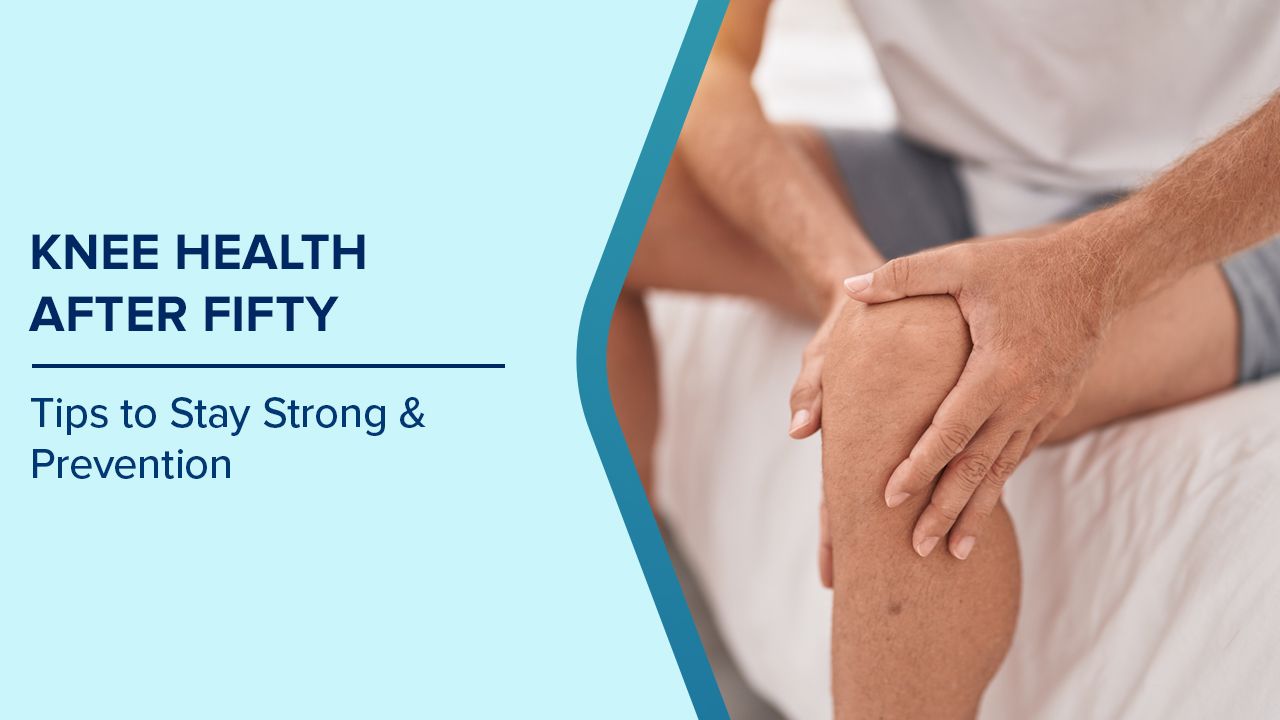
Call Us+91 926 888 0303Knee Health After Fifty: Tips to Stay Strong & Prevention| Max Hospital
By Dr (Maj Gen) Amresh Ghai in Orthopaedics & Joint Replacement , Arthroscopy & Sports Injury , Robotic Surgery , Robotic Joint Replacement
Aug 19 , 2026

Crossing the age of 50 does not mean you have to accept knee pain or reduced mobility as a part of life. While the knees naturally undergo age-related changes, how you care for them can make a significant difference to your comfort, strength, and independence in the years ahead. Preparing your knees after 50 is about building resilience rather than waiting for problems to appear. With the right combination of movement, muscle strengthening, weight management, and everyday care, you can support healthy knee function and continue enjoying an active lifestyle.
Why Knee Health Deserves Special Attention After 50
Your knees are among the hardest-working joints in the body. They support your weight whenever you stand, walk, climb stairs, squat, or get up from a chair.
As you grow older, the structures that support the knee, including cartilage, ligaments, tendons, and muscles, may gradually become less resilient. Recovery after minor injuries can also take longer. This does not mean knee problems are inevitable, but it does mean your knees benefit from more mindful care than they did in earlier years.
Looking after your knees before symptoms become severe is often more effective than trying to manage long-standing joint damage later.
Build Strong Muscles to Protect Your Knees
Healthy knees rely heavily on the muscles surrounding them. Strong thigh, hip, and calf muscles absorb some of the force placed on the knee joint during everyday activities.
Simple strengthening exercises performed regularly can improve joint stability and reduce unnecessary strain.
Exercises that are generally gentle on the knees include:
- Straight leg raises
- Seated knee extensions
- Wall sits within a comfortable range
- Step-ups on a low platform
- Glute bridges
- Standing calf raises
If you are new to exercise or already have knee discomfort, seek guidance from a physiotherapist before starting a strengthening programme.
Choose Exercises That Are Kind to Your Knees
Remaining physically active is one of the best ways to prepare your knees after 50, but not every exercise places the same demands on the joints.
Low-impact activities help maintain fitness while reducing excessive stress on the knees. Some of them include:
- Brisk walking on even surfaces
- Swimming
- Water aerobics
- Cycling
- Elliptical training
- Tai chi
These activities improve endurance, muscle strength, flexibility, and balance without placing repeated high-impact forces on the knee joint.
If an activity consistently causes pain during or after exercise, it may need to be modified rather than avoided completely.
Improve Flexibility to Keep Knees Moving Comfortably
Strong muscles work best when they are also flexible. Tight muscles around the hips, thighs, and calves can alter the way your knees move, increasing pressure on the joint.
Gentle stretching after exercise or as part of a daily routine can help improve mobility.
Focus on stretching:
- Hamstrings
- Quadriceps
- Calf muscles
- Hip flexors
Movements should feel comfortable and controlled. Stretching should never cause sharp pain.
Maintain a Healthy Weight
Every step places several times your body weight through the knee joint. Carrying excess weight increases this load, which may contribute to faster joint wear and increased discomfort.
Maintaining a healthy weight can help:
- Reduce stress on the knees
- Improve mobility
- Make physical activity easier
- Lower the risk of knee-related problems
Healthy eating combined with regular physical activity offers the greatest long-term benefit for both your knees and overall health.
Don't Ignore Balance and Stability
Many knee injuries occur because of poor balance rather than weak knees alone.
As balance gradually changes with age, improving stability becomes an important part of knee care. Better balance also reduces the risk of falls, which can lead to fractures or ligament injuries.
Simple balance exercises include:
- Standing on one leg while holding a stable surface
- Heel-to-toe walking
- Gentle yoga
- Tai chi
These exercises help improve coordination and strengthen the muscles that support the knee.
Wear the Right Footwear
Your feet and knees work together with every step you take. Shoes that provide poor cushioning or inadequate support can change the alignment of your legs and increase pressure on the knee joint.
Look for footwear that offers:
- Good arch support
- Cushioned soles
- A secure fit
- Stable grip
Replace worn-out shoes regularly, especially if you walk or exercise frequently.
Protect Your Knees During Everyday Activities
Many people focus on exercise but overlook the repeated strain that daily activities can place on their knees.
Simple adjustments can reduce unnecessary stress.
While Climbing Stairs
- Hold the handrail if needed.
- Take one step at a time if your knees feel uncomfortable.
- Avoid rushing.
While Lifting Objects
- Bend at the hips instead of placing excessive pressure on your knees.
- Hold objects close to your body.
- Avoid twisting while lifting.
During Household Tasks
If you spend time gardening or cleaning floors, avoid kneeling for prolonged periods. Use knee pads or a small stool whenever possible.
Support Your Bones With Good Nutrition
Healthy knees depend on more than cartilage alone. Strong bones and muscles play an equally important role.
A balanced diet should include foods rich in:
- Protein for muscle maintenance
- Calcium for bone health
- Vitamin D to support calcium absorption
- Fresh fruits and vegetables for essential nutrients
- Healthy fats from nuts, seeds, and oily fish
Staying well hydrated also supports normal joint function and overall health.
Listen to Early Warning Signs
Watch for signs such as:
- Pain that continues for several weeks
- Swelling around the knee
- Stiffness after resting
- Clicking or locking sensations
- Difficulty climbing stairs
- Feeling that the knee may give way
These symptoms do not always indicate arthritis. They may result from ligament injuries, tendon problems, cartilage damage, or other treatable conditions.
Can Knee Pain Always Be Prevented?
Not every knee condition can be avoided. Genetics, previous injuries, certain medical conditions, and natural ageing all influence joint health.
However, preparing your knees after 50 can reduce unnecessary strain and help maintain better function for longer. Building strength, staying active, eating well, and responding early to symptoms can improve comfort and mobility, even if age-related changes have already begun.
The goal is not to stop ageing but to help your knees cope with it more effectively.
When Should You See a Doctor?
Occasional aches after increased activity usually settle with rest. However, medical advice is recommended if you experience:
- Persistent knee pain
- Swelling that does not improve
- Difficulty walking
- Limited knee movement
- Knee instability
- Pain following an injury
- Symptoms that interfere with daily activities
Early assessment can help identify the underlying cause and allow appropriate treatment before the condition progresses.
Conclusion
Preparing your knees after 50 is one of the best investments you can make for your future mobility. Regular strengthening exercises, low-impact physical activity, healthy body weight, balanced nutrition, and paying attention to early symptoms all contribute to healthier knees.
Small lifestyle changes practised consistently can help you remain active, independent, and confident in your daily life. Rather than waiting for knee problems to develop, taking preventive steps today can support stronger, healthier joints for years to come.
Frequently Asked Questions
1. Is it safe to start exercising if I have not been active for many years?
Yes, but start gradually with low-impact activities and seek medical advice before beginning a new exercise programme, especially if you have existing health conditions or persistent knee pain.
2. Should I wear a knee brace during exercise after 50?
A knee brace is not necessary for everyone. It may be helpful in certain conditions or after injuries, but it should be used based on a healthcare professional's recommendation.
3. Can climbing stairs damage healthy knees?
For most people, climbing stairs does not damage healthy knees. However, if you already have knee pain or arthritis, modifying how you use stairs may improve comfort.
4. Are supplements enough to keep my knees healthy?
Supplements cannot replace regular exercise, healthy eating, and weight management. If you are considering supplements, discuss them with your doctor to determine whether they are appropriate for you.
5. Can old sports injuries increase the risk of knee problems after 50?
Yes. Previous ligament, cartilage, or meniscus injuries may increase the likelihood of developing knee symptoms later in life. Regular strengthening exercises and periodic medical follow-up can help support long-term knee health.
Written and Verified by:

Related Blogs


Dr. Ashish Jain In Orthopaedics & Joint Replacement
Nov 07 , 2020 | 1 min read
Blogs by Doctor
Most read Blogs


Related Blogs
Dr. Ashish Jain In Orthopaedics & Joint Replacement
Nov 07 , 2020 | 1 min read
Blogs by Doctor
Most read Blogs