 WhatsApp Us (24/7)
 +91 926 888 0303 (24/7)


To Book an Appointment
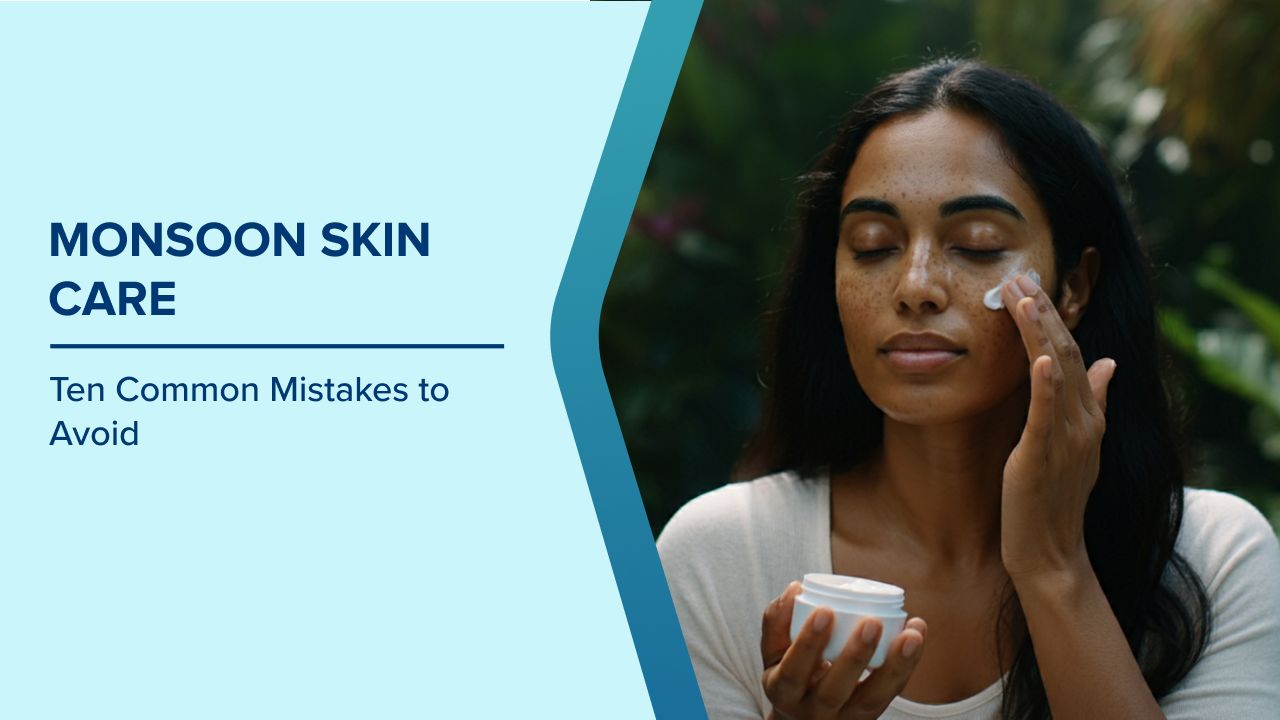
Call Us+91 926 888 0303Monsoon Skin Care: Ten Common Mistakes to Avoid
By Dr. Vikram Lahoria in Dermatology , Hair Transplant
Sep 10 , 2026

The monsoon brings welcome relief from the summer heat, but it can also create the perfect conditions for a variety of skin concerns. Increased humidity, frequent sweating, damp clothes and exposure to rainwater can lead to acne, fungal infections, itchy skin, rashes and excess oil production. If your usual skincare routine no longer seems effective during the rainy season, it may be time to make a few seasonal adjustments.
The good news is that healthy skin during the monsoon does not require an elaborate routine. Following the right monsoon skin care practices and avoiding common mistakes can help protect your skin from seasonal damage. Whether you have oily, dry, combination or sensitive skin, a simple and consistent skincare routine for the monsoon can help keep your skin fresh, healthy and glowing.
Why Monsoon Skin Care Is Important
Humidity affects the skin differently than dry weather. Since sweat does not evaporate easily, oil, dirt and pollutants stay on the skin for longer, increasing the risk of clogged pores and breakouts. Warm, damp conditions also encourage the growth of fungi and bacteria, making fungal skin infections during monsoon more common, especially on the feet, underarms, groin and skin folds.
Different skin types respond differently to the rainy season. People with oily skin often notice more shine and pimples, while those with dry or sensitive skin may experience irritation or redness. Following the right skin care during monsoon can help maintain the skin barrier and reduce seasonal skin problems.
Common Monsoon Skin Problems
The rainy season can trigger several skin concerns, including:
- Acne during monsoon: Excess oil, sweat and dirt can clog pores, causing pimples, blackheads and whiteheads.
- Fungal skin infections during monsoon: Damp clothes, wet footwear and humid conditions encourage fungal growth.
- Heat rash: Sweat trapped under the skin can lead to itchy, red bumps.
- Itchy skin during monsoon: Humidity and friction may irritate the skin, particularly in people with eczema or sensitive skin.
- Oily skin during monsoon: Increased humidity often makes the skin appear greasy and shiny.
- Dull skin: Pollution, sweat and dead skin cells can accumulate, leaving the skin looking tired.
Recognising these monsoon skin problems early and taking preventive measures can help keep your skin healthy throughout the season.
10 Common Monsoon Skin Care Mistakes to Avoid
Skipping Cleansing
One of the biggest monsoon skin care mistakes is not cleansing the skin properly. Even if the weather feels cooler, humidity allows sweat, excess oil and pollution to build up on the skin. Wash your face twice daily with a gentle cleanser to remove impurities without stripping away natural moisture.
Overwashing or Over-Exfoliating
While cleansing is important, washing your face repeatedly or using harsh scrubs can damage the skin barrier. Over-exfoliation may cause dryness, irritation and increased sensitivity. Gentle exfoliation once or twice a week is usually sufficient for most skin types.
Skipping Moisturiser
Many people assume they do not need a moisturiser because the weather is humid. However, humidity is not the same as hydration. Cleansing and air conditioning can still dry the skin. A lightweight, non-comedogenic moisturiser for monsoon helps maintain hydration without clogging pores.
Ignoring Sunscreen on Cloudy Days
Cloudy skies do not block all ultraviolet rays. Sunscreen during the monsoon is just as important as it is in summer. Apply a broad-spectrum sunscreen with SPF 30 or higher every morning to protect your skin from sun damage, pigmentation and premature ageing.
Staying in Damp Clothes
Wet clothes and footwear create an ideal environment for fungal growth and skin irritation. Change into clean, dry clothes as soon as possible after getting caught in the rain. Dry your skin thoroughly, especially between the toes, underarms and skin folds, to reduce the risk of infection.
Touching Your Face Frequently
Your hands carry dirt, oil and microorganisms from surfaces you touch throughout the day. Frequently touching your face can transfer these impurities to your skin, increasing the risk of acne during monsoon. Avoid picking at pimples, as this can lead to scarring and dark marks.
Wearing Heavy Makeup Every Day
Heavy makeup can trap sweat and oil, making clogged pores more likely in humid weather. If you wear makeup regularly, choose lightweight, non-comedogenic products and remove them completely before going to bed. Allowing your skin to breathe can help reduce breakouts during the rainy season.
Neglecting Foot Care
Your feet are particularly vulnerable during the monsoon because they are frequently exposed to puddles, damp footwear and muddy roads. Wash your feet daily, dry carefully between the toes and wear clean, breathable socks whenever possible. This simple habit can help prevent fungal skin infections during the monsoon and unpleasant odour.
Trying DIY Remedies Without Expert Advice
Many social media remedies promise quick results, but ingredients such as lemon juice, baking soda or toothpaste may irritate the skin. Instead of experimenting with home remedies, choose dermatologist-recommended skincare products suited to your skin type.
Ignoring Early Skin Changes
Persistent itching, redness, rashes or fungal patches should not be ignored. Early treatment can prevent minor skin concerns from becoming more severe. If acne becomes painful, leaves scars or keeps recurring, consult a dermatologist for appropriate treatment.
How to Take Care of Skin in Monsoon
A simple routine is often the best monsoon skin care routine. Cleanse your face twice daily using a gentle face wash to remove excess oil, sweat and pollution. Apply a lightweight moisturiser to maintain hydration and protect the skin barrier. Use a broad-spectrum sunscreen every morning, regardless of whether the sky is sunny or cloudy.
People with monsoon skin care for oily skin should choose oil-free, non-comedogenic products that help control excess sebum without over-drying the skin. Those looking for monsoon skin care for dry skin should use gentle cleansers and moisturisers that help retain moisture. If you have sensitive skin, fragrance-free products are generally less likely to cause irritation.
Along with good face care during monsoon, drink enough water, wear breathable cotton clothing, change out of wet clothes promptly and avoid sharing towels or personal care items. These simple rainy season skin care tips can help reduce the risk of acne, fungal infections and irritation while keeping your skin healthy throughout the season.
When to See a Dermatologist
Most monsoon skin problems improve with proper skin care and hygiene. However, consult a dermatologist if you notice:
- Acne that is painful, severe or leaves scars.
- A rash that spreads, recurs or does not improve within a few days.
- Persistent itching, redness or swelling.
- Fungal skin infections during monsoon that keep returning despite treatment.
- Unusual skin changes such as rapidly growing moles, persistent sores or changes in the colour or shape of existing moles.
Early diagnosis and treatment can help prevent complications and support faster recovery.
Conclusion
Following the right monsoon skin care routine can help protect your skin from seasonal problems such as acne, fungal infections, excess oil and irritation. Simple habits such as cleansing twice a day, using a lightweight moisturiser, applying sunscreen during monsoon, keeping your skin dry and avoiding common skincare mistakes can make a significant difference.
Whether you have oily, dry, or sensitive skin, monsoon skincare should focus on keeping the skin clean, hydrated, and protected. If symptoms persist or worsen despite following good rainy season skin care practices, seek medical advice to receive the right treatment and prevent complications.
Frequently Asked Questions
What is the best monsoon skin care routine?
The best monsoon skin care routine includes cleansing your face twice daily, applying a lightweight moisturiser, using a broad-spectrum sunscreen every morning, keeping your skin dry and choosing skincare products suited to your skin type.
How do I take care of oily skin during the monsoon?
People with oily skin during monsoon should use a gentle gel-based cleanser, an oil-free moisturiser and non-comedogenic sunscreen. Avoid overwashing, as it may increase oil production.
Can humid weather cause acne?
Yes, acne during monsoon is common because humidity increases sweat and oil production, allowing dirt and dead skin cells to clog pores.
Why are fungal skin infections more common during the rainy season?
Fungal skin infections during monsoon become more common because warm, damp conditions allow fungi to grow easily. Keeping your skin clean and dry and changing out of wet clothes promptly can help reduce the risk.
Is sunscreen necessary during the monsoon?
Yes, sunscreen during monsoon is essential because ultraviolet (UV) rays can penetrate clouds and contribute to sun damage, pigmentation and premature skin ageing.
Which moisturiser is best during the monsoon?
Choose a lightweight, non-comedogenic moisturiser for monsoon that hydrates the skin without leaving a greasy residue. People with dry skin may benefit from slightly richer formulations recommended by a dermatologist.
Can rainwater damage the skin?
Occasional exposure is unlikely to cause harm, but prolonged contact with rainwater, polluted water or damp clothing can increase the risk of irritation and infection. Following good rainy season skin care practices can help protect your skin.
When should I see a dermatologist for monsoon skin problems?
Consult a dermatologist if you have persistent acne, recurring fungal infections, severe itching, spreading rashes or any skin condition that does not improve with basic monsoon skin care.
Written and Verified by:

Related Blogs


Blogs by Doctor
What is Melanin? Understanding Its Role in Skin Pigmentation
Dr. Vikram Lahoria In Dermatology
Aug 04 , 2025 | 10 min read

Urticaria (Hives): Common Triggers, Symptoms and Treatment Options
Dr. Vikram Lahoria In Dermatology
Aug 29 , 2025 | 11 min read
Most read Blogs


Related Blogs
Blogs by Doctor
What is Melanin? Understanding Its Role in Skin Pigmentation
Dr. Vikram Lahoria In Dermatology
Aug 04 , 2025 | 10 min read
Urticaria (Hives): Common Triggers, Symptoms and Treatment Options
Dr. Vikram Lahoria In Dermatology
Aug 29 , 2025 | 11 min read
Most read Blogs