 WhatsApp Us (24/7)
 +91 926 888 0303 (24/7)


Best Endocrinologists in Dehradun
To Book an Appointment
Call us+91 92688 80303To Book an Appointment
Call us+91 92688 80303Filters
Doctors Available
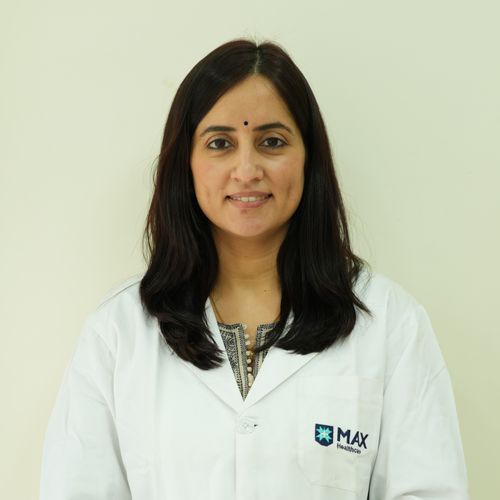
Dr Swati Chopra
Consultant – Endocrinology
Endocrinology & Diabetes
Experience: 11+ Years
Gender: Female
Languages Spoken: Hindi, English
{"FirstAvailable":"2026-11-13 9:00 AM","FirstInHospital":"2026-11-13 9:00 AM","FirstVC":"","Hospital":{"max-super-speciality-hospital-dehradun":{"FirstAvailable":"2026-11-13 9:00 AM","FirstInHospital":"2026-11-13 9:00 AM","FirstVC":""}}}

Dr. Shreya Sharma
Consultant
Endocrinology & Diabetes, Paediatric (Ped) Endocrinology
Experience: 10+ Years
Gender: Female
{"FirstAvailable":"2026-11-13 1:40 PM","FirstInHospital":"2026-11-13 1:40 PM","FirstVC":"","Hospital":{"max-super-speciality-hospital-dehradun":{"FirstAvailable":"2026-11-13 1:40 PM","FirstInHospital":"2026-11-13 1:40 PM","FirstVC":""}}}
Can't find what you are looking for?
Key Endocrine and Metabolic Disorders We Treat at Max Hospitals, Dehradun
At Max Hospitals, Dehradun, our endocrinologists treat a wide range of endocrine and metabolic disorders, including:
Diabetes
Diabetes affects the way the body manages blood sugar and may require long-term medical care. Our endocrinologists help patients manage their blood sugar, understand their condition and reduce the risk of complications through appropriate treatment and regular monitoring.
Thyroid Disorders
The thyroid produces hormones that influence metabolism, energy and several other body functions. Conditions such as hypothyroidism, hyperthyroidism and thyroid nodules may require an endocrinologist's evaluation to understand the underlying problem and determine appropriate treatment.
PCOS
Polycystic ovary syndrome (PCOS) is a hormonal condition that can affect menstrual cycles, fertility, metabolism and weight. Endocrinological care can help assess the hormonal and metabolic aspects of PCOS and manage them as part of the overall care plan.
Obesity
Obesity can be influenced by several factors, including metabolic and hormonal changes. An endocrinologist can assess whether an underlying endocrine disorder may be contributing to weight gain and help address related metabolic concerns.
Osteoporosis
Hormonal changes can affect bone strength and increase the risk of osteoporosis. Endocrinologists evaluate factors that may contribute to bone loss and provide appropriate treatment and monitoring to help maintain bone health.
Pituitary Disorders
The pituitary gland plays an important role in controlling several hormones in the body. Problems affecting its function can influence growth, thyroid function, reproduction and other processes. These disorders may require specialised assessment and ongoing monitoring.
Adrenal Disorders
The adrenal glands produce hormones that help regulate functions such as blood pressure, metabolism and the body's response to stress. Conditions affecting these glands can cause different changes in the body and may require endocrinological evaluation.
Growth Disorders
Hormones have an important role in normal growth and development. When a child grows too quickly, too slowly or shows other signs of a possible hormonal problem, an endocrinologist can assess whether an endocrine disorder may be involved.
Comprehensive Endocrinological Care at Max Hospitals, Dehradun
At Max Hospitals, Dehradun, our endocrinologists provide comprehensive care for managing an endocrine condition, from diagnosis to treatment and ongoing monitoring:
Diagnosis
Identifying the cause of a hormonal problem may require a combination of clinical assessment and diagnostic tests. Depending on the condition, our endocrinologists may recommend:
- Blood Tests: Blood sugar, thyroid hormones, cortisol, reproductive hormones and other hormone levels may be assessed based on the suspected condition.
- Glucose Testing: Fasting blood sugar, post-meal blood sugar and HbA1c may help assess diabetes and blood sugar control.
- Thyroid Tests: TSH, T3 and T4 tests can help evaluate thyroid function.
- Hormone Tests: Specific hormone tests may be used to assess conditions affecting the pituitary, adrenal glands or reproductive system.
- Bone Tests: Bone mineral density testing may help assess bone strength and identify osteoporosis.
- Imaging Tests:Ultrasound, CT, MRI or other imaging may be recommended to examine the thyroid, pituitary, adrenal glands or other relevant areas.
- Other Investigations: Additional tests may be advised depending on symptoms, medical history and initial findings.
Treatment
Treatment for an endocrine disorder depends on the condition, its severity and how the body is responding. Our endocrinologists in Dehradun may use different approaches to manage the condition, including:
- Medicines: Medicines may help replace hormones that the body does not produce adequately or control hormones that are present in excess.
- Insulin Therapy: Insulin may be prescribed when required to help manage blood sugar levels in people with diabetes.
- Hormone Replacement: Hormone replacement may be used for certain conditions where the body does not produce enough of a particular hormone.
- Metabolic Management: Conditions such as obesity and PCOS may require an approach that addresses associated metabolic and hormonal concerns.
- Bone Health Treatment: Medicines and other measures may be recommended to improve bone strength and reduce the risk of fractures.
Monitoring
Regular follow-ups help the endocrinologist see how the condition is responding to treatment and identify any changes that may need attention. Depending on the condition, monitoring may focus on:
- Blood Sugar: Regular blood sugar and HbA1c testing to assess diabetes control.
- Hormone Levels: Repeat hormone tests to check whether hormone levels are within the desired range.
- Thyroid Function: Periodic thyroid function tests to assess the response to thyroid treatment.
- Bone Health: Follow-up bone density assessments when required to monitor bone health.
- Symptoms: Changes in symptoms, energy levels, weight or other relevant signs are assessed during follow-up.
- Medicines: Treatment may be reviewed and adjusted based on test results, symptoms and the response to medicines.
Lifestyle Support
Lifestyle changes can complement medical treatment for several endocrine and metabolic conditions. Depending on the patient's needs, this may include guidance on :
- Nutrition: Guidance on eating habits that support blood sugar, weight and metabolic health.
- Physical Activity: Recommendations suited to the person's health and condition.
- Weight Management: Support for managing weight when it forms part of the endocrine condition.
Why Choose Max Hospitals, Dehradun for Endocrinological Care
When it comes to hormonal health, choosing the right specialist and hospital can make a meaningful difference to the care experience. Max Hospitals, Dehradun brings together experienced endocrinologists, diagnostic support and access to multiple medical specialties to provide care for a wide range of endocrine and metabolic conditions. Here's what makes our endocrinological care distinctive:
Experienced Endocrinologists
Our team includes experienced endocrinologists with expertise in managing a wide range of hormonal and metabolic disorders. Their experience supports careful evaluation and appropriate management of different endocrine conditions.
Multidisciplinary Expertise
Endocrine disorders can sometimes affect other aspects of health or require support from specialists in other fields. Access to a multidisciplinary team allows different areas of a patient's health to be considered when needed.
Clinical Standards
Our endocrinological services follow established clinical practices, with a focus on appropriate evaluation, diagnosis and treatment. The team uses relevant investigations and clinical findings to guide decisions about patient care.
Comprehensive Facilities
Access to diagnostic services and other hospital facilities supports the evaluation and management of endocrine disorders. This also allows patients to receive additional investigations or specialist care when required.
Patient-Focused Care
Our endocrinologists understand that every patient has a different experience of a hormonal condition. The team takes time to listen to concerns, explain the condition and discuss the care approach in a way that patients can understand.
Frequently Asked Questions
Where can I find an endocrinologist near me?
For patients looking for an endocrinologist in Dehradun, an appointment can be booked with one of the endocrinologists at Max Hospitals, Dehradun. Our endocrinologists provide care for a range of hormonal and metabolic conditions.
What should be carried to an endocrinology appointment?
Previous medical reports, test results, a list of current medicines and details of any ongoing symptoms can help the endocrinologist understand the medical history. It can also be useful to note any questions or changes in health that need to be discussed.
How long does an endocrinology consultation take?
The duration can vary depending on the reason for the visit, the patient's medical history and whether previous reports need to be reviewed. The endocrinologist will take the time needed to understand the condition and discuss the appropriate next steps.
What happens if an endocrine disorder affects another part of the body?
Some hormonal disorders can have effects beyond the endocrine system. In such situations, the endocrinologist may involve another specialist so that the related health concern can also be assessed and managed.
How can I choose the right endocrinologist near me?
Consider the endocrinologist's experience, areas of expertise and the range of endocrine conditions they manage. Access to diagnostic services and other medical specialists can also be useful when a condition requires further evaluation or multidisciplinary care.
How can a patient keep track of changes between appointments?
Keeping a record of relevant symptoms, blood sugar readings where applicable, changes in weight, menstrual changes or other condition-specific changes can help during follow-up consultations. The endocrinologist can advise which details are useful to monitor.
When is a second opinion from an endocrinologist useful?
A second opinion may provide another perspective when there is uncertainty about a diagnosis, treatment approach or the need for a particular procedure. Previous reports and test results can help the endocrinologist review the case more effectively.
What questions should be asked during an endocrinology consultation?
Patients may ask about the possible cause of the condition, the purpose of recommended tests, treatment options, expected changes and the need for follow-up. Asking questions can also help clarify what to expect from the care plan.
Review
Reviewed by Dr Swati Chopra, Consultant – Endocrinology & Diabetes, on 27 Aug 2026.