WhatsApp Us (24/7)
 +91 926 888 0303 (24/7)


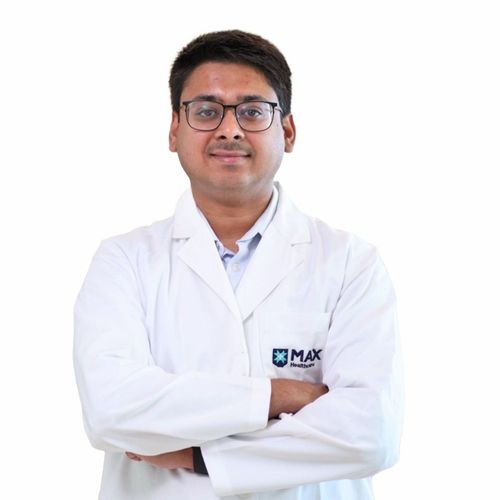
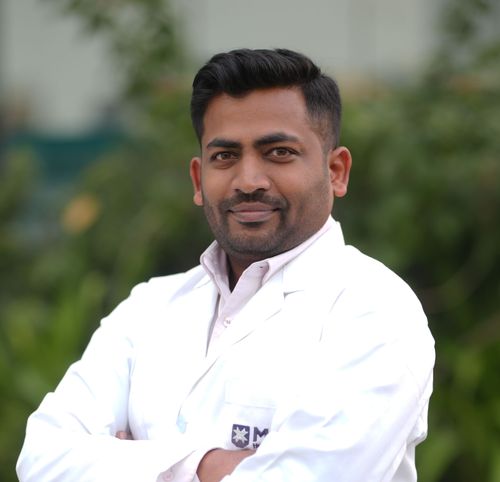
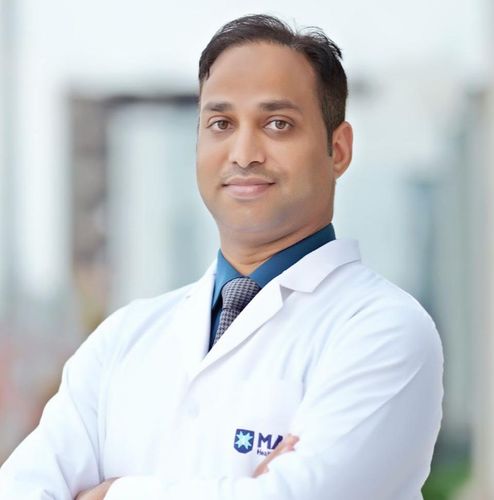
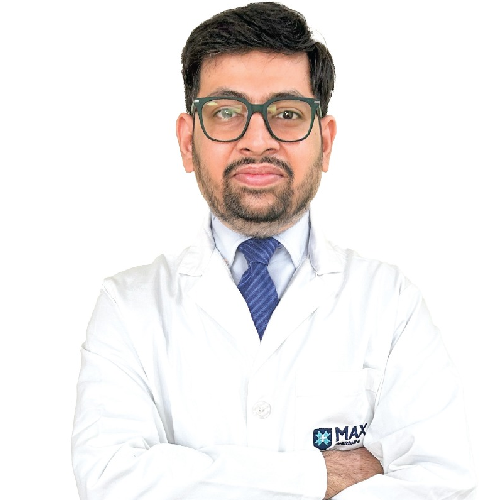
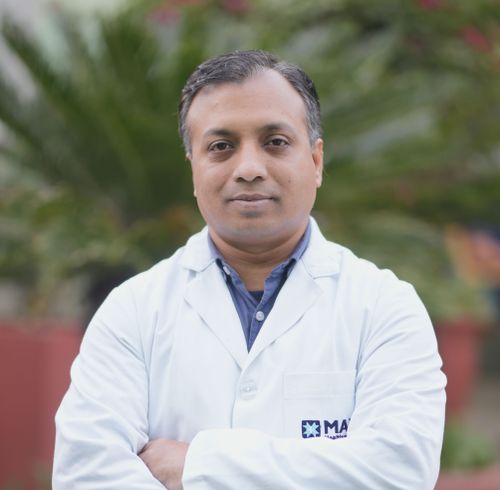
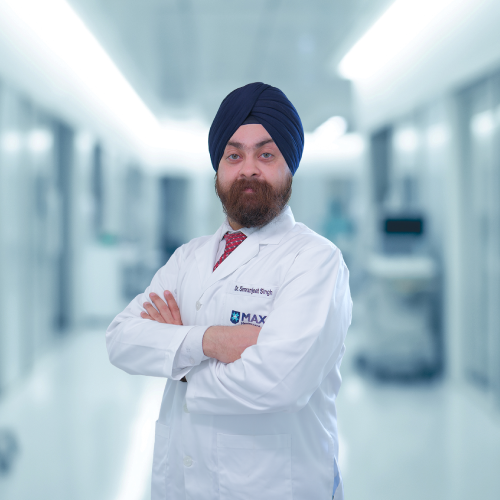
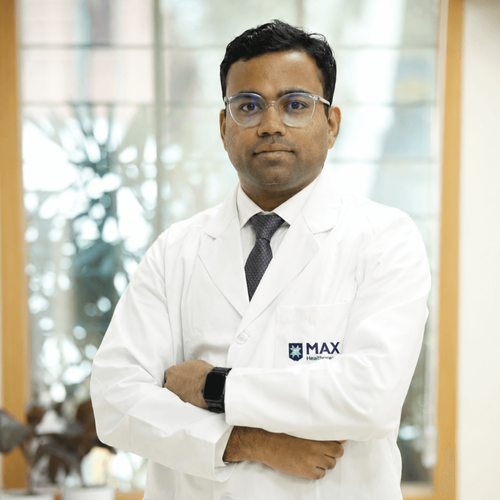
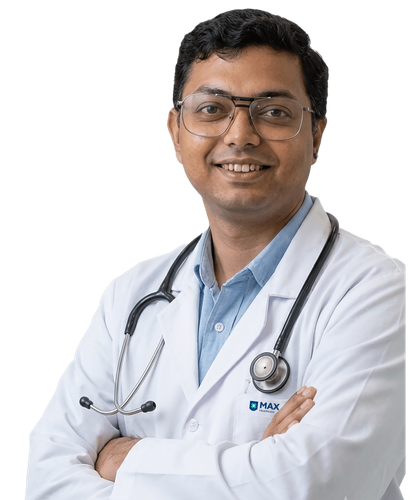
Our Medical Experts
Max Healthcare is home to eminent doctors in the world, most of whom are pioneers in their respective fields. Additionally, they are renowned for developing innovative and revolutionary clinical procedures.
Find a DoctorDelhi/NCR:
MOHALI:
Dehradun:
BATHINDA:
Mumbai:
NAGPUR:
LUCKNOW:
BHUBANESWAR:

To Book an Appointment
Call us+91 926 888 0303Disorders affecting the brain, spine, and nervous system often require highly specialised surgical expertise, precise diagnosis, and timely intervention. If left untreated, these conditions can progress rapidly or significantly affect movement, speech, memory, sensation, and overall quality of life if left untreated. At Max Hospitals, Delhi, we provide advanced neurosurgical care for a wide range of brain, spine, and nerve-related conditions, supported by experienced neurosurgeons, modern operating facilities, and advanced neurodiagnostic technology. From minimally invasive spine procedures and complex brain tumour surgeries to emergency neurotrauma and stroke interventions, our multidisciplinary teams focus on delivering safe, precision-based treatment along with comprehensive rehabilitation and long-term recovery support tailored to each patient’s needs.
At Max Hospitals, Delhi, our neurosurgery department specialises in the surgical evaluation and management of complex conditions affecting the brain, spine, nerves, and cerebrovascular system. Many neurological disorders may initially be managed through medication or supportive care, but certain conditions require neurosurgical intervention to relieve pressure on critical structures, remove abnormal growths, restore spinal stability, control bleeding, or prevent progressive neurological damage. Our neurosurgeons work closely with neurologists, neuroradiologists, neurocritical care experts, and rehabilitation specialists to ensure comprehensive care before, during, and after surgery.
Brain tumours can affect vital neurological functions depending on their size, type, and location. Our neurosurgeons perform advanced tumour removal procedures using microsurgical and image-guided techniques aimed at maximising tumour excision while preserving surrounding healthy brain tissue and neurological function.
Certain spinal conditions, including slipped discs, spinal stenosis, spinal instability, spinal tumours, and degenerative spine disease, may require surgery when symptoms persist despite conservative treatment. We perform minimally invasive and complex spine procedures designed to relieve nerve compression, improve spinal alignment, reduce pain, and restore mobility.
Conditions such as brain haemorrhage, aneurysms, arteriovenous malformations (AVMs), and other vascular abnormalities may require urgent neurosurgical or neurointerventional treatment. Our specialists use advanced microsurgical and endovascular techniques, including aneurysm clipping and coiling, to manage these complex cerebrovascular disorders.
Serious head injuries and spinal trauma caused by accidents or falls may require emergency neurosurgical intervention to reduce pressure on the brain or stabilise the spine. Our neurotrauma teams provide rapid surgical management supported by intensive monitoring and rehabilitation planning.
For patients with epilepsy that does not respond adequately to medication, surgical treatment may be considered after detailed neurological evaluation. Our teams use advanced neuroimaging and EEG-based assessment to identify suitable candidates for epilepsy surgery aimed at improving seizure control and quality of life.
Selected patients with advanced Parkinson’s disease, dystonia, or severe tremors may benefit from deep brain stimulation (DBS), an advanced neurosurgical procedure that helps regulate abnormal brain signals and improve movement control.
Nerve compression injuries and brachial plexus disorders can lead to weakness, numbness, pain, or loss of function. Our neurosurgeons perform specialised nerve decompression, repair, and reconstructive procedures aimed at restoring movement and improving nerve function.
Children with conditions such as hydrocephalus, congenital spinal abnormalities, and certain brain disorders may require specialised neurosurgical treatment. Our paediatric neurosurgery teams provide carefully planned surgical care supported by advanced perioperative monitoring and rehabilitation support.
Certain severe infections involving the brain, spine, or surrounding tissues may require neurosurgical procedures alongside medical treatment. Our specialists manage conditions such as brain abscesses and spinal infections using timely surgical intervention when necessary to reduce complications and support recovery.
At Max Hospitals, Delhi, our focus extends beyond surgery alone. We emphasise precision-based treatment planning, patient safety, neurocritical care support, and structured rehabilitation to help patients achieve the best possible functional recovery and long-term outcomes.
Successful neurosurgical treatment depends not only on surgical expertise but also on precise diagnosis, detailed pre-operative planning, and advanced intraoperative guidance. At Max Hospitals, Delhi, our neurosurgery department is supported by modern neurodiagnostic systems, high-precision surgical technologies, and advanced operating infrastructure that help our specialists manage complex brain, spine, and nerve-related conditions with greater accuracy and safety.
Advanced MRI and CT imaging systems provide detailed visualisation of the brain, spine, blood vessels, and surrounding structures. These scans help our specialists accurately evaluate tumours, spinal disorders, haemorrhage, trauma, vascular abnormalities, and other neurosurgical conditions.
For complex brain surgeries, functional MRI and brain mapping techniques help identify areas responsible for speech, movement, memory, and other critical neurological functions. This supports safer surgical planning while minimising the risk of damage to healthy brain tissue.
Neuronavigation technology acts like a real-time surgical guidance system during brain and spine procedures. It allows neurosurgeons to precisely locate abnormalities and navigate delicate anatomical structures with improved accuracy during surgery.
During complex neurosurgical and spine procedures, intraoperative neuromonitoring helps track nerve and spinal cord function in real time. This technology supports surgical precision and helps reduce the risk of neurological complications.
Microsurgical techniques are often essential in delicate neurosurgical procedures involving the brain, spinal cord, and peripheral nerves. High-powered operating microscopes and specialised microsurgical instruments enable greater precision while operating on sensitive structures.
Endoscopic techniques allow selected brain and spine procedures to be performed through smaller openings with reduced tissue disruption. These systems support minimally invasive surgery and may contribute to faster recovery and shorter hospital stays in appropriate cases.
Detailed imaging of blood vessels within the brain helps identify aneurysms, arteriovenous malformations (AVMs), and other vascular abnormalities. These technologies also support planning for complex neurovascular and endovascular procedures.
For patients undergoing evaluation for epilepsy surgery, EEG and long-term video EEG monitoring help identify seizure activity and pinpoint affected areas within the brain, supporting more accurate surgical planning.
Complex neurosurgical procedures often require intensive perioperative monitoring and specialised post-operative care. Our dedicated neurocritical care units and advanced operating theatres are equipped to support patients requiring close neurological monitoring before and after surgery.
At Max Hospitals, Delhi, we combine advanced technology with multidisciplinary expertise to ensure precision-driven neurosurgical care focused on patient safety, surgical accuracy, and improved recovery outcomes.
At Max Hospitals, Delhi, our neurosurgery teams perform a wide range of advanced brain, spine, neurovascular, and peripheral nerve procedures using precision-driven surgical techniques and modern operating technologies. Depending on the patient’s condition, our specialists may use minimally invasive, microsurgical, endoscopic, or image-guided approaches aimed at improving surgical accuracy, reducing complications, and supporting faster recovery.
Our neurosurgeons perform advanced procedures for the removal of benign and malignant brain tumours using microsurgical techniques, neuronavigation systems, and intraoperative guidance technologies designed to maximise tumour removal while preserving critical neurological function.
Selected spinal conditions can be treated using minimally invasive surgical approaches involving smaller incisions and reduced tissue disruption. These procedures may help relieve nerve compression, reduce pain, improve spinal stability, and support quicker recovery.
For patients with severe spinal instability, deformities, tumours, fractures, or degenerative spine disease, we perform advanced spinal procedures including decompression, spinal fusion, instrumentation, and reconstructive surgery aimed at restoring alignment and mobility.
Endoscopic neurosurgical techniques allow surgeons to access certain tumours and abnormalities located deep within the brain or skull base through minimally invasive pathways. These procedures may reduce surgical trauma and improve post-operative recovery in selected cases.
Our neurovascular specialists manage aneurysms, vascular malformations, and certain stroke-related conditions using advanced microsurgical and endovascular techniques, including aneurysm clipping and related cerebrovascular interventions.
Deep brain stimulation is an advanced functional neurosurgical procedure used in selected patients with Parkinson’s disease, dystonia, and severe tremors. The procedure involves implanting electrodes within specific brain regions to help regulate abnormal neurological activity and improve movement control.
For patients with medically resistant epilepsy, surgery may help reduce seizure frequency and improve quality of life. Our epilepsy surgery program involves comprehensive pre-surgical evaluation, advanced brain mapping, and precision-based surgical planning.
Peripheral nerve procedures are performed to treat nerve injuries, compression syndromes, and brachial plexus disorders that may affect movement, sensation, or muscle function. Surgical treatment may involve nerve decompression, repair, grafting, or reconstruction depending on the condition.
Emergency neurosurgical procedures may be required in patients with severe head injuries, spinal trauma, or brain haemorrhage. Our neurotrauma teams provide rapid surgical intervention supported by neurocritical care and rehabilitation planning.
Children with congenital neurological disorders, hydrocephalus, brain tumours, or spinal abnormalities may require specialised surgical care. Our paediatric neurosurgery teams provide age-appropriate treatment supported by multidisciplinary perioperative and rehabilitation care.
Recovery following neurosurgery often requires structured rehabilitation and long-term follow-up. Our rehabilitation programs include physiotherapy, occupational therapy, speech therapy, pain management, and neurorehabilitation services tailored to each patient’s recovery goals.
At Max Hospitals, Delhi, every neurosurgical treatment plan is developed according to the patient’s diagnosis, neurological status, overall health, and long-term functional needs, ensuring comprehensive care throughout the surgical and recovery journey.
At Max Hospitals, Delhi, our team of experienced neurosurgeons provides advanced surgical care for a wide range of conditions affecting the brain, spine, nerves, and cerebrovascular system. Supported by modern surgical technology, dedicated neurocritical care units, and multidisciplinary collaboration, our specialists focus on delivering precise, patient-centric treatment for both routine and highly complex neurosurgical conditions. From brain tumour surgery and minimally invasive spine procedures to neurovascular interventions and trauma care, our teams emphasise surgical accuracy, patient safety, and structured recovery support at every stage of treatment.
Each member of our neurosurgery team brings extensive clinical expertise across specialised areas such as brain and spine surgery, neuro-oncology, vascular neurosurgery, functional neurosurgery, peripheral nerve surgery, and paediatric neurosurgery. Patients can explore the doctors’ profiles on this page to learn more about their qualifications, areas of expertise, consultation timings, and fees. Depending on availability, we may also offer online and video consultations for selected services, helping patients access expert neurosurgical guidance more conveniently.
Neurosurgical conditions often require highly specialised expertise, advanced surgical infrastructure, and coordinated post-operative care. At Max Hospitals, Delhi, we combine experienced neurosurgeons, precision-driven technology, and multidisciplinary support to provide comprehensive surgical care for complex disorders affecting the brain, spine, nerves, and cerebrovascular system.
Our neurosurgery teams include specialists with extensive experience in brain tumour surgery, minimally invasive spine surgery, neurovascular procedures, functional neurosurgery, neurotrauma, and peripheral nerve surgery. This enables us to manage both routine and highly complex neurosurgical conditions with a focused and individualised approach.
We utilise modern neurodiagnostic and surgical technologies, including neuronavigation systems, intraoperative neuromonitoring, advanced neuroimaging, microsurgical equipment, and minimally invasive surgical techniques to support precision, safety, and improved surgical outcomes.
Our neurosurgeons work closely with neurologists, neuroradiologists, neuroanaesthetists, neurocritical care specialists, physiotherapists, and rehabilitation experts to ensure seamless care before, during, and after surgery.
Patients undergoing complex neurosurgical procedures or emergency treatment for stroke, brain haemorrhage, or traumatic injuries benefit from specialised neurocritical care units equipped for continuous neurological monitoring and intensive post-operative support.
Whenever clinically appropriate, we prioritise minimally invasive and image-guided surgical approaches that may help reduce tissue damage, minimise hospital stay, lower post-operative discomfort, and support faster recovery.
Recovery following neurosurgery often extends beyond the operation itself. Our rehabilitation programs are designed to support mobility, speech, coordination, strength, and overall functional recovery through personalised physiotherapy and neurorehabilitation plans.
Every neurosurgical treatment plan is carefully tailored according to the patient’s diagnosis, neurological condition, overall health, and recovery goals. Our teams focus not only on surgical treatment but also on helping patients achieve the best possible long-term quality of life.
At Max Hospitals, Delhi, our commitment is centred on delivering safe, advanced, and comprehensive neurosurgical care supported by clinical expertise, modern infrastructure, and compassionate patient support throughout the treatment journey.
Certain neurological and spinal conditions may require evaluation by a neurosurgeon, especially when symptoms persist, worsen over time, or involve structural problems affecting the brain, spine, or nerves. Early neurosurgical assessment can help identify conditions that may benefit from timely surgical intervention and prevent further neurological complications.
You should consider consulting a neurosurgeon at Max Hospitals, Delhi, if you experience any of the following:
At Max Hospitals, Delhi, our neurosurgery specialists conduct detailed clinical evaluation supported by advanced imaging and neurodiagnostic assessment to determine whether surgery or another form of treatment is most appropriate for the patient’s condition.
If you are looking for a neurosurgeon near you or nearby brain and spine surgery services, you can book an appointment with our neurosurgery specialists through the Max Hospitals website, by calling us directly, or by visiting Max Hospitals, Delhi. Our team can also help connect you with the most appropriate specialist based on your condition and treatment requirements.
Yes. Our neurosurgeons can provide detailed second opinions for brain, spine, nerve, and cerebrovascular conditions by reviewing your symptoms, medical history, imaging scans, diagnostic reports, and existing treatment plan before recommending the most appropriate course of treatment.
Neurosurgery may be recommended for conditions such as brain tumours, slipped discs, spinal stenosis, spinal instability, brain haemorrhage, aneurysms, traumatic brain injuries, nerve compression disorders, epilepsy requiring surgical management, and certain movement disorders requiring procedures such as deep brain stimulation (DBS).
No. Many neurological conditions can be managed with medication, rehabilitation, physiotherapy, or minimally invasive interventions. Surgery is usually considered when symptoms become severe, progressive, structurally related, or do not respond adequately to conservative treatment.
Yes. At Max Hospitals, Delhi, we perform minimally invasive spine procedures for selected spinal conditions. These approaches may help reduce tissue damage, minimise post-operative discomfort, shorten hospital stay, and support faster recovery in suitable patients.
Deep brain stimulation is an advanced neurosurgical procedure used in selected patients with Parkinson’s disease, dystonia, and severe tremors. The procedure involves implanting electrodes within specific areas of the brain to help regulate abnormal neurological activity and improve movement control.
Recovery after neurosurgery depends on the type of condition and procedure performed. At Max Hospitals, Delhi, post-surgical recovery may include neurocritical care monitoring, physiotherapy, occupational therapy, speech therapy, pain management, and structured neurorehabilitation programs aimed at improving functional recovery.
Yes. At Max Hospitals, Delhi, we provide emergency neurosurgical evaluation and treatment for conditions such as traumatic brain injuries, spinal trauma, brain haemorrhage, and other urgent neurological emergencies requiring immediate surgical attention.
Not always. Many spine conditions improve with medication, physiotherapy, lifestyle modification, or pain management procedures. Surgery is typically considered when symptoms persist, nerve compression worsens, mobility becomes significantly affected, or conservative treatment fails to provide relief.
Yes. Our specialists provide neurosurgical care for children with conditions such as hydrocephalus, congenital spinal abnormalities, brain tumours, and other paediatric neurological disorders that may require surgical intervention.
Yes. We work with multiple insurance providers and assist patients with cashless hospitalisation, pre-authorisation, and insurance-related documentation through our dedicated support teams to help make the treatment process smoother for patients and families.
Reviewed by Dr Anurag Gupta, Associate Director & Head of the Unit – Neurosurgery, Neurosciences, Spine Surgery, on 27 July 2026
Email - digitalquery@maxhealthcare.com
Max Healthcare is home to eminent doctors in the world, most of whom are pioneers in their respective fields. Additionally, they are renowned for developing innovative and revolutionary clinical procedures.
Max Healthcare is home to eminent doctors in the world, most of whom are pioneers in their respective fields. Additionally, they are renowned for developing innovative and revolutionary clinical procedures.
Find a DoctorMr M.D. Ruhul Amin’s - Brain Tumour Surgery with Awake Craniotomy
Treated by Dr. Arun Saroha, Max Super Speciality Hospital, Dwarka
Country : Bangladesh
Mr Sudarshan Chauhan Endoscopic Spine Surgery for Severe Lumbar Canal Stenosis
Treated by Dr Puneet Bansal, Max Super Speciality Hospital, Bathinda
Country : India
Recovery from an S1–S2 Spinal Tumour
Treated by Dr. Kapil Jain, Max Smart Super Speciality Hospital, Saket
Country : Turkmenistan
Mrs Ubha Ahmed - Severe Spinal Cord Injury Treated with Emergency Spine Surgery
Treated by Dr Anurag Gupta, Max Super Speciality Hospital, Saket
Country : Kenya
Skull Base Defect Reconstructed with Surgery
Treated by Dr (Prof) Daljit Singh, Max Smart Super Speciality Hospital, Saket
Country : Ethiopia
Mrs Amsal Kassa - Severe Lumbar Canal Stenosis Successfully Treated with Spine Surgery
Treated by Prof. (Col.) Dr. Bipin Walia, Max Super Speciality Hospital, Saket
Country : Ethiopia
Mr Oygul Arbbaeva - Recurrent Seizures Treated with Temporal Lobe Surgery
Treated by Dr Himanshu Champaneri, Max Hospital, Gurgaon
Country : Iraq
Suryansh Tiwari’s - C6-C7 Disc Prolapse Successfully Treated with Endoscopic Spine Surgery
Treated by Dr Prankul Singhal, Max Super Speciality Hospital, Sector-128, Noida
Country : India
How Minimally Invasive Spine Surgery Helped Mr Ramniwas Sharma Overcome Persistent Pain
Treated by Dr. (Prof) Sumit Sinha, Max Super Speciality Hospital, Dwarka
Country : India
Olasuji Osinome’s Successful Flow Diverter Procedure for a Giant Brain Aneurysm
Treated by Dr. Arun Saroha, Max Super Speciality Hospital, Dwarka
Country : Kenya
Mr M.D. Ruhul Amin’s - Brain Tumour Surgery with Awake Craniotomy
Treated by Dr. Arun Saroha , Max Super Speciality Hospital, Dwarka
Country : Bangladesh