 WhatsApp Us (24/7)
 +91 926 888 0303 (24/7)


Best Orthopaedic Doctors in Lucknow
To Book an Appointment
Call us+91 92688 80303To Book an Appointment
Call us+91 92688 80303Filters
Doctors Available

Prof (Col.) Narinder Kumar
Senior Director
Orthopaedics & Joint Replacement, Arthroscopy & Sports Injury, Robotic Surgery
Experience: 34+ Years
Gender: Male
{"FirstAvailable":"2026-11-07 10:54 AM","FirstInHospital":"2026-11-07 10:54 AM","FirstVC":"","Hospital":{"max-super-speciality-hospital-lucknow":{"FirstAvailable":"2026-11-07 10:54 AM","FirstInHospital":"2026-11-07 10:54 AM","FirstVC":""}}}

Dr. Prasoon Kant Shamshery
Director - Orthopaedics & Joint Replacement
Orthopaedics & Joint Replacement, Arthroscopy & Sports Injury, Robotic Surgery
Experience: 29+ Years
Gender: Male
{"FirstAvailable":"2026-11-07 10:00 AM","FirstInHospital":"2026-11-07 10:00 AM","FirstVC":"","Hospital":{"max-super-speciality-hospital-lucknow":{"FirstAvailable":"2026-11-07 10:00 AM","FirstInHospital":"2026-11-07 10:00 AM","FirstVC":""}}}

Dr. Divyanshu Dutt Dwivedi
Associate Director - Orthopaedics and Joint Replacement
Orthopaedics & Joint Replacement, Arthroscopy & Sports Injury, Robotic Surgery
Gender: Male
{"FirstAvailable":"2026-11-07 9:00 AM","FirstInHospital":"2026-11-07 9:00 AM","FirstVC":"","Hospital":{"max-super-speciality-hospital-lucknow":{"FirstAvailable":"2026-11-07 9:00 AM","FirstInHospital":"2026-11-07 9:00 AM","FirstVC":""}}}

Dr. Rishabh Jaiswal
Sr Consultant – Orthopaedic Surgery
Orthopaedics & Joint Replacement, Arthroscopy & Sports Injury, Robotic Surgery
Experience: 13+ Years
Gender: Male
{"FirstAvailable":"2026-11-07 10:09 AM","FirstInHospital":"2026-11-07 10:09 AM","FirstVC":"","Hospital":{"max-super-speciality-hospital-lucknow":{"FirstAvailable":"2026-11-07 10:09 AM","FirstInHospital":"2026-11-07 10:09 AM","FirstVC":""}}}
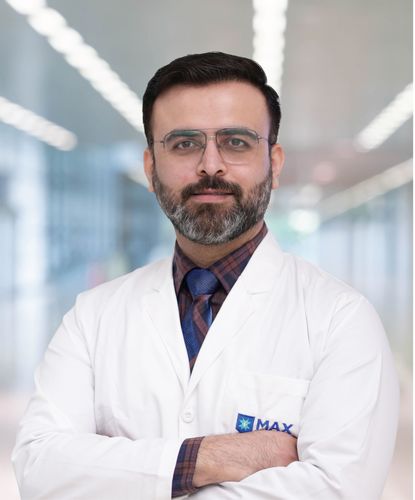
Dr Mohit Gera
Associate Consultant – Sports Medicine and Arthroscopy
Arthroscopy & Sports Injury, Paediatric (Ped) Orthopaedics, Orthopaedics & Joint Replacement
Gender: Male
{"FirstAvailable":"2026-11-07 10:00 AM","FirstInHospital":"2026-11-07 10:00 AM","FirstVC":"","Hospital":{"max-super-speciality-hospital-lucknow":{"FirstAvailable":"2026-11-07 10:00 AM","FirstInHospital":"2026-11-07 10:00 AM","FirstVC":""}}}

Dr. Satyam Singh
Associate Consultant – Orthopaedics and Joint Replacement
Orthopaedics & Joint Replacement, Arthroscopy & Sports Injury
Gender: Male
{"FirstAvailable":"2026-11-07 10:00 AM","FirstInHospital":"2026-11-07 10:00 AM","FirstVC":"","Hospital":{"max-super-speciality-hospital-lucknow":{"FirstAvailable":"2026-11-07 10:00 AM","FirstInHospital":"2026-11-07 10:00 AM","FirstVC":""}}}
Can't find what you are looking for?
Conditions We Treat at Max Hospitals, Lucknow
At Max Hospitals, Lucknow, our orthopaedists diagnose and treat a wide range of bone, joint, and musculoskeletal conditions, including but not limited to:
Arthritis and Joint Pain
Arthritis can cause pain, stiffness, swelling, and reduced movement in the affected joints. Osteoarthritis commonly develops as the joint cartilage gradually wears down, while rheumatoid arthritis is an autoimmune condition that can affect multiple joints. Treatment depends on the type and severity of arthritis and may include medication, physiotherapy, lifestyle changes, injections, or joint replacement in advanced cases.
Fractures and Trauma
Fractures occur when a bone breaks or cracks, usually following a fall, accident, sports injury, or significant impact. They may cause pain, swelling, bruising, difficulty moving the affected area, or visible deformity. Treatment depends on the location and complexity of the fracture and may involve immobilisation, casting, or surgical fixation using plates, screws, rods, or other techniques. Complex injuries may require comprehensive trauma care.
Sports Injuries
Sports injuries commonly affect the ligaments, tendons, muscles, and joints and may occur because of sudden trauma, repetitive stress, or overuse. Conditions such as ligament tears, sprains, tendon injuries, and cartilage damage can cause pain, swelling, instability, and restricted movement. Depending on the injury, treatment may involve rest and rehabilitation, physiotherapy, medication, minimally invasive procedures, or surgery.
Back Pain and Spinal Disorders
Back pain can result from muscle strain, disc problems, spinal degeneration, injuries, or structural abnormalities of the spine. Conditions such as herniated discs and scoliosis may cause pain, stiffness, restricted movement, and, in some cases, symptoms such as numbness or weakness. Treatment is based on the underlying cause and may range from physiotherapy and pain management to surgical intervention when required.
Osteoporosis
Osteoporosis is a condition in which bones become weaker and more susceptible to fractures. It can develop gradually without noticeable symptoms until a fracture occurs, particularly in the hip, spine, or wrist. Early assessment can help identify reduced bone strength and support measures to reduce fracture risk through appropriate medication, nutrition, exercise, and fall prevention strategies.
Paediatric Bone and Joint Disorders
Orthopaedic conditions in children may affect bone and joint development, limb alignment, growth, or mobility. They can include congenital conditions, developmental abnormalities, growth-related problems, and injuries. Early evaluation is important because some conditions may change as a child grows, and treatment can range from observation and physiotherapy to bracing or surgery when necessary.
Shoulder and Elbow Disorders
Shoulder and elbow conditions can cause pain, stiffness, weakness, or difficulty performing everyday movements such as lifting, reaching, or bending the arm. Common problems include rotator cuff injuries, frozen shoulder, tennis elbow, and other tendon or joint disorders. Treatment depends on the underlying cause and may include physiotherapy, medication, injections, or surgical procedures in selected cases.
Foot and Ankle Conditions
Foot and ankle problems can affect walking, balance, stability, and the ability to participate in everyday or sporting activities. Conditions such as bunions, tendon injuries, ligament injuries, and fractures may cause pain, swelling, stiffness, or difficulty bearing weight. Treatment is tailored to the condition and may include supportive measures, physiotherapy, medication, or surgery when required, including for Achilles tendon injuries.
Hip and Knee Conditions
Hip and knee problems can result from arthritis, ligament injuries, cartilage damage, fractures, or gradual wear and tear of the joint. Patients may experience pain, stiffness, swelling, instability, or difficulty walking, climbing stairs, or performing other daily activities. Depending on the cause and severity, treatment may include medication, physiotherapy, activity modification, arthroscopy, or joint replacement surgery.
Bone and Soft Tissue Tumours
Bone and soft tissue tumours are abnormal growths that can be benign or malignant and may develop in the bones or surrounding tissues such as muscles, fat, nerves, and connective tissue. Symptoms can include a persistent lump or swelling, pain, or changes in movement, although some tumours may initially cause few symptoms. Evaluation typically involves imaging and, when required, a biopsy to determine the nature of the tumour, followed by appropriate surgical and oncological treatment.
Orthopaedic Procedures We Perform at Max Hospitals, Lucknow
Our specialists perform a wide range of advanced orthopaedic procedures to restore function and mobility. Key procedures include:
Joint Replacement Surgery
Joint replacement surgery involves removing damaged portions of a joint and replacing them with artificial components to restore movement and reduce pain. It is commonly performed for advanced arthritis and severe joint damage affecting the hip, knee, or shoulder when other treatment options no longer provide adequate relief.
Arthroscopy
Arthroscopy is a minimally invasive procedure in which a small camera is inserted into a joint through a small incision to examine and treat the affected structures. It may be used to manage conditions such as ligament tears, cartilage damage, and other injuries affecting the knee, shoulder, or other joints.
Spinal Surgeries
Spinal surgery may be recommended when a spinal condition causes persistent symptoms, neurological problems, instability, or significant functional limitations and does not respond adequately to non-surgical treatment. Depending on the condition, procedures may be used to treat herniated discs, spinal deformities, fractures, or other structural problems affecting the spine.
Fracture Repair
Fracture repair aims to restore the normal alignment and stability of a broken bone so that it can heal properly and regain function. Depending on the type, location, and severity of the fracture, surgical fixation may involve plates, screws, rods, or other fixation devices.
Bone and Soft Tissue Tumour Surgery
Surgery for bone and soft tissue tumours involves removing the tumour while aiming to preserve as much healthy tissue and function as possible. Depending on the type, location, and extent of the tumour, treatment may involve tumour removal, reconstruction, and coordinated care with oncology specialists.
ACL Reconstruction
ACL reconstruction is a surgical procedure used to restore stability to the knee after a significant anterior cruciate ligament (ACL) injury. The damaged ligament is replaced with a graft to help restore knee function and support a safe return to everyday or sporting activities.
Carpal Tunnel Release
Carpal tunnel release is performed to relieve pressure on the median nerve in the wrist in people with carpal tunnel syndrome. By releasing the tissue compressing the nerve, the procedure can help reduce symptoms such as numbness, tingling, pain, and weakness in the hand.
Deformity Correction
Deformity correction procedures are used to improve abnormal alignment or structural deformities affecting the bones, joints, or limbs. Depending on the underlying condition, treatment may involve techniques to realign or reshape the affected bone and improve mobility and function.
Paediatric Orthopaedic Surgeries
Paediatric orthopaedic surgeries address certain congenital, developmental, and acquired conditions affecting children's bones, joints, muscles, and limbs. Treatment is planned with consideration for the child's age, growth, development, and functional needs.
Foot and Ankle Surgeries
Foot and ankle surgeries are performed to treat structural problems, injuries, and conditions that cause persistent pain, instability, or difficulty walking. Depending on the condition, procedures may address problems such as bunions, fractures, tendon injuries, and ligament damage to restore stability and function.
When Should You See an Orthopaedist?
You may benefit from consulting an orthopaedic specialist if you have persistent pain, stiffness, swelling, or difficulty moving a joint or limb. An evaluation may also be appropriate after an injury or if symptoms are affecting your ability to walk, work, exercise, sleep, or perform everyday activities.
You should consider consulting an orthopaedic specialist for:
- Persistent or recurring bone, joint, muscle, or back pain
- Difficulty moving a joint or reduced range of motion
- Swelling, stiffness, or instability in a joint
- Sports-related injuries, including ligament, tendon, or cartilage injuries
- Suspected fractures or injuries following a fall, accident, or other trauma
- Persistent back or neck pain
- Joint pain or stiffness that is affecting daily activities
- Deformities or changes in the appearance or alignment of a joint or limb
- Symptoms that do not improve with rest or initial treatment
An orthopaedist can assess the underlying cause of your symptoms and recommend an appropriate treatment plan, which may include medication, physiotherapy, lifestyle modifications, minimally invasive procedures, or surgery, depending on your condition.
Meet Our Team
Our orthopaedic team at Max Hospital, Lucknow, includes experienced specialists who diagnose and manage a wide range of musculoskeletal conditions, from common joint and bone problems to complex injuries and conditions requiring surgical care. They work with other clinical and rehabilitation professionals to support comprehensive care throughout diagnosis, treatment, and recovery.
If you are looking for an orthopaedist near you in Lucknow, explore our team of specialists and find a doctor with expertise relevant to your specific orthopaedic needs. Browse their profiles to learn more about their areas of expertise, consultation details, OPD schedules, and available in-person or video consultations.
Why Choose Max Hospitals, Lucknow, for Orthopaedic Care
Max Hospitals, Lucknow is a trusted name in orthopaedic care, offering comprehensive and advanced treatments. Here’s why patients choose us:
- Experienced Specialists: Our team has a lot of experience in diagnosing and treating complex orthopaedic conditions with personalised care.
- Advanced Technology: From robotic-assisted surgeries to 3D imaging, we leverage cutting-edge tools for precision care.
- Holistic Services: From preventive care to rehabilitation, we provide a full spectrum of orthopaedic services.
- Patient-Centric Approach: Your comfort and recovery are our priorities, ensuring compassionate care at every step.
- Customised Treatment Plans: Each treatment is tailored to suit individual needs for optimal results.
- Focus on Innovation: We embrace the latest advancements in orthopaedic medicine to offer effective and minimally invasive solutions.
Frequently Asked Questions
1. How do I choose the right orthopaedic specialist for my condition?
Look for a specialist whose area of expertise matches your condition or symptoms. You may also consider their experience, the treatment options available, and access to diagnostic, surgical, and rehabilitation services when choosing where to seek care.
2. What should I bring to my orthopaedic consultation?
Bring any previous medical records, X-rays, MRI or other imaging reports, details of medications you are taking, and information about previous treatments or surgeries. It can also be helpful to note when your symptoms began, what makes them better or worse, and any questions you want to discuss with your specialist.
3. Do I need a referral to see an orthopaedic specialist?
Whether you need a referral depends on your healthcare provider, insurance requirements, and the type of care you are seeking. If you have persistent pain, an injury, or another musculoskeletal concern, you can enquire about booking an appointment directly with an orthopaedic specialist.
4. Can I consult an orthopaedic specialist online?
Depending on the condition and the specialist's assessment, an online consultation may be suitable for discussing symptoms, reviewing existing reports, or planning further evaluation. Some conditions, particularly those requiring a physical examination or imaging, may require an in-person consultation.
5. When should an orthopaedic injury be treated as an emergency?
Severe pain following an injury, a visible deformity, inability to bear weight or use the affected limb, significant swelling, or an open wound associated with a suspected fracture may require urgent medical assessment. Serious injuries following accidents or other major trauma should be evaluated promptly.
6. Can I get a second opinion from an orthopaedic specialist?
Yes. A second opinion can help you better understand your diagnosis, treatment options, or whether surgery is appropriate. You can discuss your existing medical records, imaging, diagnosis, and proposed treatment with another orthopaedic specialist.
7. How long does an orthopaedic consultation take?
The duration of a consultation can vary depending on your symptoms, medical history, physical examination, and whether previous reports need to be reviewed. Your specialist will determine whether additional investigations or follow-up are required.
8. Can orthopaedic conditions be treated without surgery?
Yes. Depending on the condition, treatment may include medication, physiotherapy, rehabilitation, activity modification, or other non-surgical approaches. Your orthopaedic specialist will recommend treatment based on the underlying condition, its severity, and your response to initial treatment.
9. What factors determine whether I need orthopaedic surgery?
Surgery is not automatically required for an orthopaedic condition. Your specialist may consider the underlying diagnosis, severity of the condition, symptoms, functional limitations, previous treatment, and your overall health before recommending whether surgery is appropriate.
10. What happens if I delay treatment for an orthopaedic condition?
The consequences of delaying treatment depend on the underlying condition. In some cases, symptoms may persist or worsen, while certain injuries or progressive conditions may lead to further loss of function or complications, so timely assessment can help determine the appropriate course of care.
11. How should I prepare for orthopaedic surgery?
Once surgery has been recommended, your specialist will provide specific instructions based on the procedure and your health. These may include guidance on medications, eating and drinking before surgery, investigations, activity, and arrangements for recovery and follow-up.
12. What can I expect after an orthopaedic procedure?
Recovery varies depending on the procedure, the condition being treated, and the individual's overall health. Your post-treatment plan may include medication, wound or activity-related care, physiotherapy, follow-up appointments, and gradual return to normal activities as advised by your specialist.
13. What can I expect during an orthopaedic consultation?
During an orthopaedic consultation, the specialist will discuss your symptoms, medical history, previous injuries or treatments, and any relevant medical reports. This may be followed by a physical examination and, if required, diagnostic tests or imaging to understand the underlying condition and determine the most appropriate treatment approach.
Review
Reviewed by Dr Divyanshu Dutt, Associate Director - Orthopaedics and Joint Replacement, Arthroscopy & Sports Injury, Robotic Surgery, on 3 Nov 2026.